Tortoiseshell Cats for Adoption in Detroit, MI

Your guide to finding and caring for a Tortoiseshell in Detroit

A tortoiseshell cat fits easily into a Woodbridge Victorian, with its deep sills and a view of the street. Tortoiseshell is a coat pattern, not a breed, so these cats come in every personality, from shy to bold. Most are happy indoors with a sunny window, a cat tree and a wand toy at the end of the day. Older Detroit homes are full of bay windows, which makes bird-watching easy.

960 Tortoiseshells available in Detroit and nationwide

Your Tortoiseshell is waiting

Tortoiseshells Available for Adoption Near Detroit

About the Tortoiseshell breed

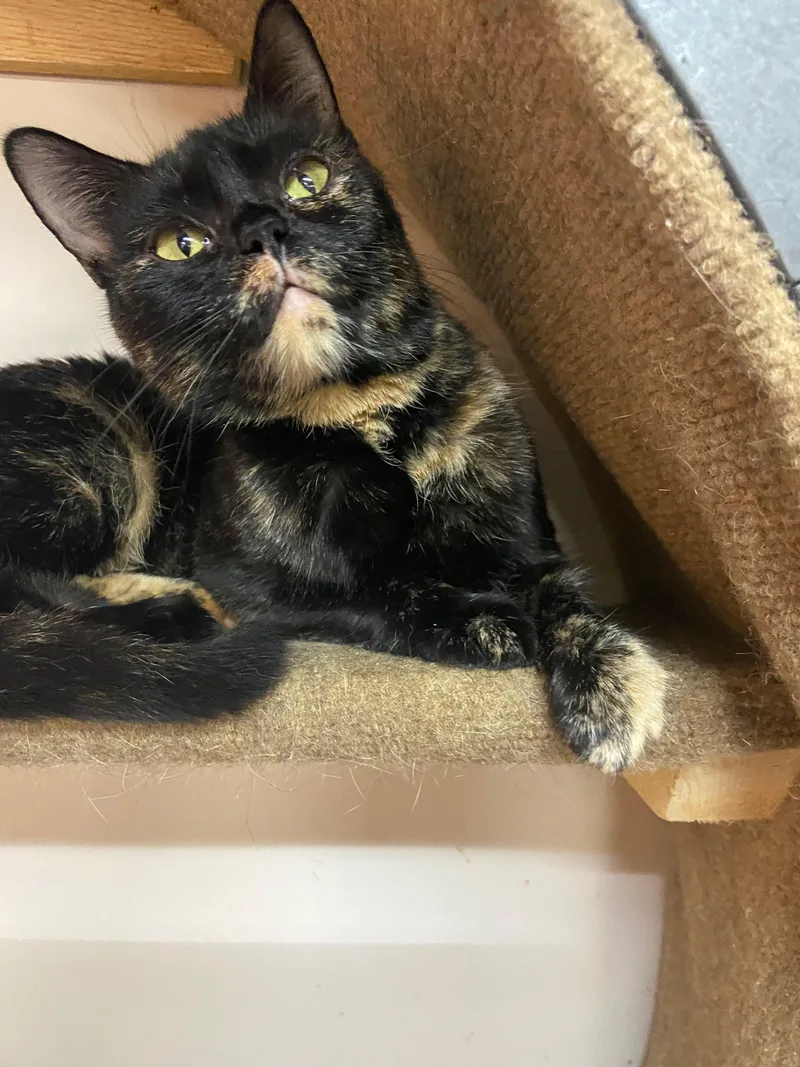
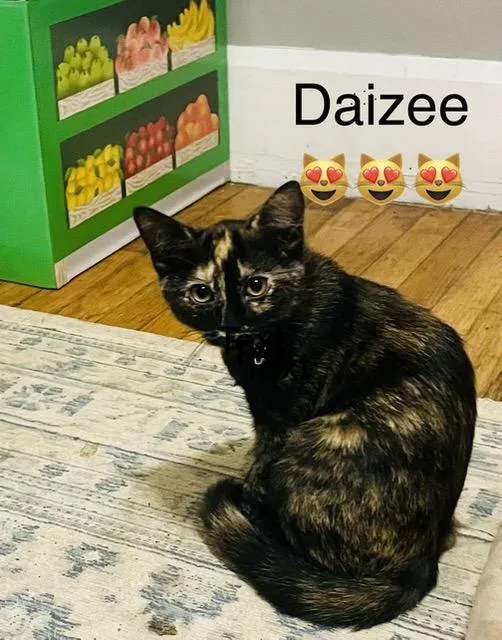
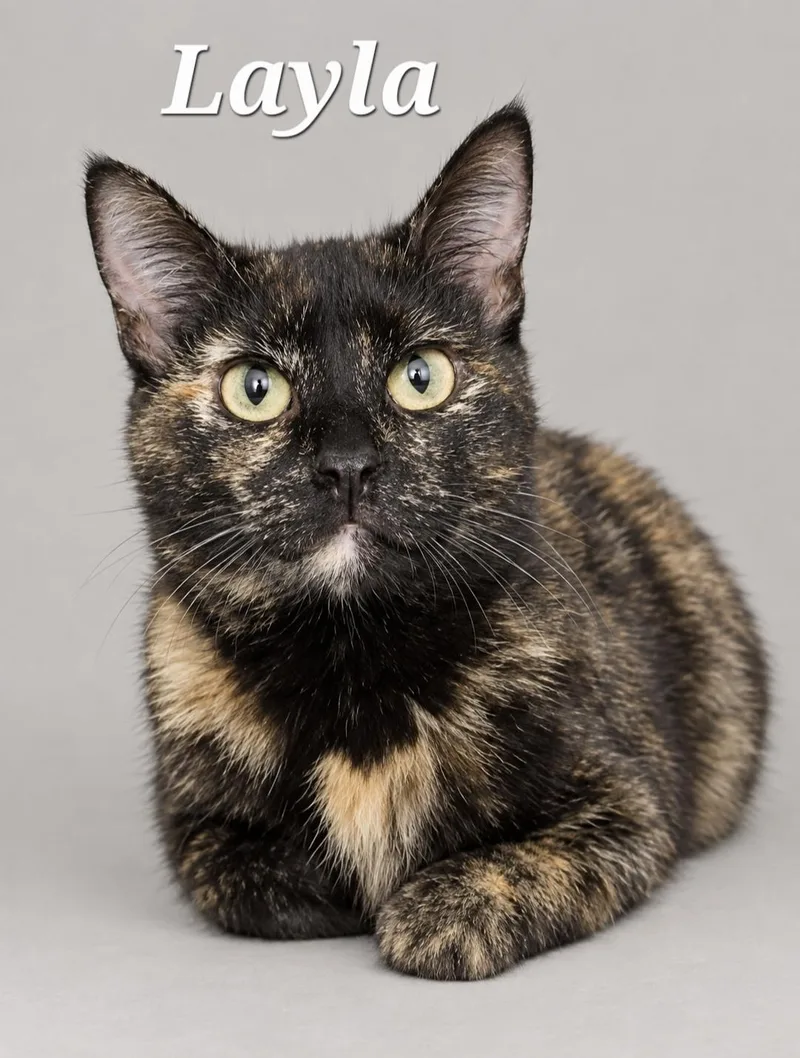
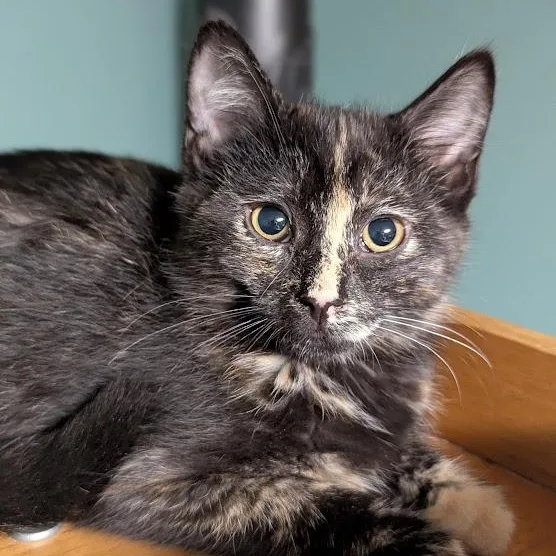
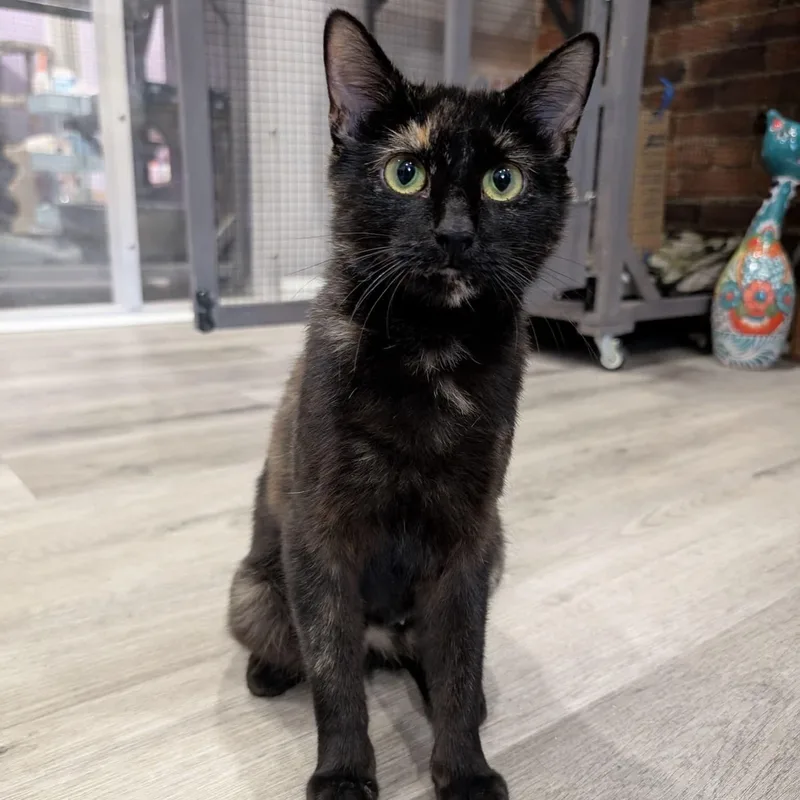
Tortoiseshell describes a coat, not a breed. A tortie's fur mixes black-based and orange-based colors in patches or a fine mottled blend, usually with little white. Dilute torties look soft gray and cream, and torbies add tabby stripes. Nearly all are female, because the orange gene sits on the X chromosome.

Most torties adopters meet are domestic shorthairs, though the pattern also shows up in breeds like Maine Coons and British Shorthairs. The famous "tortitude" is folklore more than fact, so a cat's age, history and socialization say far more than color. In Detroit, expect an indoor companion who needs daily play, a warm spot for long winters and regular brushing to manage moderate shedding.

Weight
6–14 lbs
Height
8–10 in
Lifespan
12–18 yrs
Temperament
Independent, Affectionate, Playful
Shedding
Moderate

Owning a Tortoiseshell in Detroit

Having a Tortoiseshell in Detroit

Tortoiseshell describes a coat, not a breed, so most torties are domestic shorthairs whose traits come from age, history and upbringing. In Detroit, that usually means an indoor cat who enjoys window views, daily play and a warm spot through a long winter.

Temperament

Torties have a reputation for spirited "tortitude," but the evidence is mostly owner impressions. Tortoiseshell cats run from shy to bold and from lap-loving to aloof. In a busy Midtown building a confident cat may adapt quickly, while a shy one may want a calmer room to settle into first.

Exercise Needs

Most torties do well with daily play: wand toys, chase games and puzzle feeders, with young cats needing more and seniors preferring gentler sessions. Detroit's long winters keep cats inside, so cat trees, window perches and short play bursts morning and evening do the work. A secured balcony or catio can add variety if the landlord approves.

Health Considerations

The tortoiseshell pattern carries no particular health risk for females, while the rare males usually have an extra X chromosome and may face added issues. Health mostly follows ancestry, age and care, so checkups, dental care and a healthy weight matter. Michigan's DNR advises keeping small pets indoors because of coyotes, and indoor life protects cats from traffic too.

Living Space

Torties do well in apartments and houses alike. In Detroit that ranges from downtown towers and Lafayette Park townhouses to brick bungalows in Morningside, so what matters is a cat tree, scratching posts, a hideaway and a sunny window. Quiet cats may prefer calmer homes, while social ones usually handle busy buildings.

What it costs to own a Tortoiseshell in Detroit

ExpenseTypical costPer year
Food$25 to $50 per month$300 to $600
Pet insurance$20 to $45 per month$240 to $540
Routine vet care$150 to $350 per year$150 to $350
Other*$450 to $1,150 per year$450 to $1,150
Estimated yearly total (after year one)$1,140 to $2,640

Other costs are estimates and vary with size, age and health.

* Litter, flea and tick prevention, a dental cleaning allowance, toys and supplies, and home grooming.

Adopt a Tortoiseshell in Detroit.

Now that you know more, let’s find you a new best friend. These rescues and shelters below have cats available in and near Detroit.

Rescues and Shelters in or near Detroit

Detroit has a city shelter and several nonprofit rescues that care for cats and other animals awaiting adoption. Here are the rescues & shelters in the Detroit area with cats available for adoption, worth asking whether a Tortoiseshell is coming in.

Frequently Asked Questions

Yes, for most households. Tortoiseshell is a coat pattern, so fit depends on the cat's age and personality rather than color. Torties generally do well indoors, which suits Detroit's cold, snowy winters and its mix of rentals, townhouses and bungalows. Plan for daily play, a warm spot by a window and a carrier for car trips.

Yes. About half of Detroit households rent, and torties adapt well to apartments when they have a cat tree, scratching posts and a window perch. Quiet cats may prefer calmer buildings, while social ones handle busy ones. Review the lease for pet fees and limits, and keep window screens secure.

Yes, as indoor cats. Detroit sees roughly 110 or more freezing nights a year and snow from December through March, so keep your cat inside with a warm bed away from drafts. The 2023 ice storm caused long outages, so keep blankets, extra food and litter, and a carrier ready.

Yes. No known rule restricts cats in Detroit by coat color or breed, and the city's annual license applies to dogs rather than cats. City Council voted in January 2025 to ban pet-shop sales of dogs and cats, so adoption is the route. Keep rabies vaccination, a microchip and an ID tag current.

No. DDOT buses allow only service animals, with no carrier exception, and the QLINE allows no animals except service animals. The People Mover publishes service-animal rules only. For vet visits or trips across town with your Tortoiseshell, plan on a car and a secure carrier.

Plan on brushing a few times a week for most shorthaired torties, and more often for long-haired ones. Shedding is moderate and picks up in spring. Winter's dry indoor heat can add dander, so keep brushing steady. Home grooming is covered in the Other costs line, with no routine salon visits needed.

A tortoiseshell cat is a cat with a coat pattern of black-based and orange-based colors blended or patched together, usually with little or no white. It is not a breed; the pattern appears in many breeds and most often in domestic shorthairs. Nearly all tortoiseshells are female because the genes for orange and black are carried on the X chromosome.

Almost all tortoiseshell cats are female, but not all. A female has two X chromosomes and can carry both orange and black color genes, producing the mixed coat. Males normally have only one X. Rare male torties usually have an extra X chromosome or are genetic chimeras, and they are estimated at roughly 1 in 3,000 tortoiseshells.

No, tortoiseshell cats are not rare. They are common among domestic cats and are regularly found in shelters and rescues. What is rare is a male tortoiseshell, since the pattern almost always requires two X chromosomes. Certain variations, such as long-haired or dilute torties, are less common simply because they require additional recessive genes.

Expect roughly $1,140 to $2,640 a year for a tortie in Detroit. That covers food at $25 to $50 a month, insurance at $20 to $45 a month, routine vet care at $150 to $350 a year, and $450 to $1,150 a year for litter, prevention, dental care and supplies.

Explore Other Breeds in Detroit

Looking for a different breed? Browse other cats available for adoption in Detroit.