Russian Blue Cats for Adoption in Detroit, MI

Your guide to finding and caring for a Russian Blue in Detroit

A Russian Blue fits the quieter corners of Detroit living, like a Lafayette Park townhouse or a Woodbridge Victorian with deep window sills. These cats like calm routines and a perch to watch from, so a sunny sill and a cat tree go a long way. Freezing nights stretch from November into April, which keeps most cats indoors and close to home. Expect a reserved cat that warms up slowly, then follows you from room to room.

709 Russian Blues available in Detroit and nationwide

Find your Russian Blue

Russian Blues Available for Adoption Near Detroit

About the Russian Blue breed

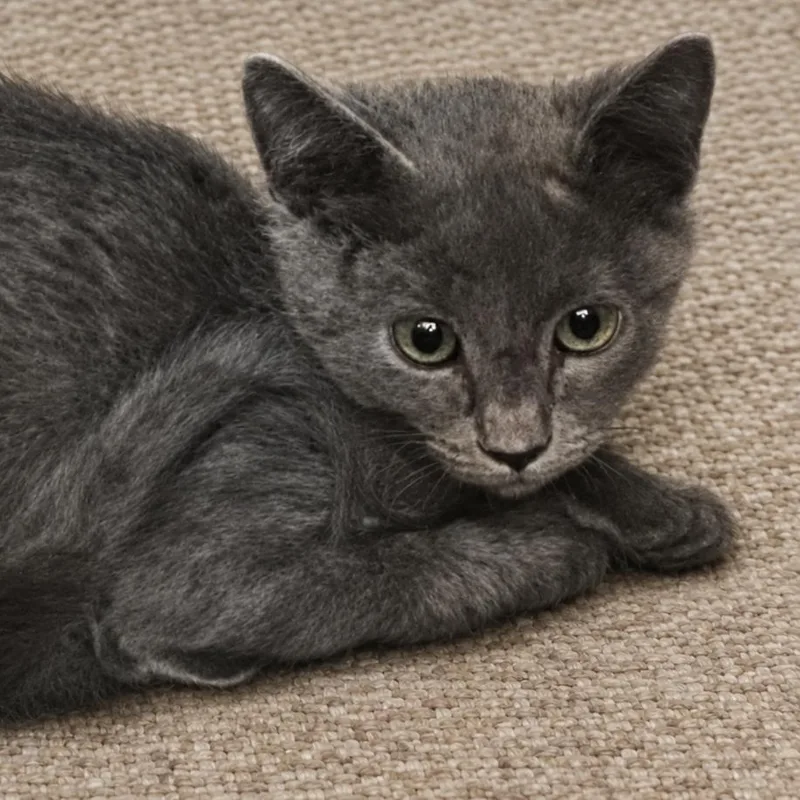
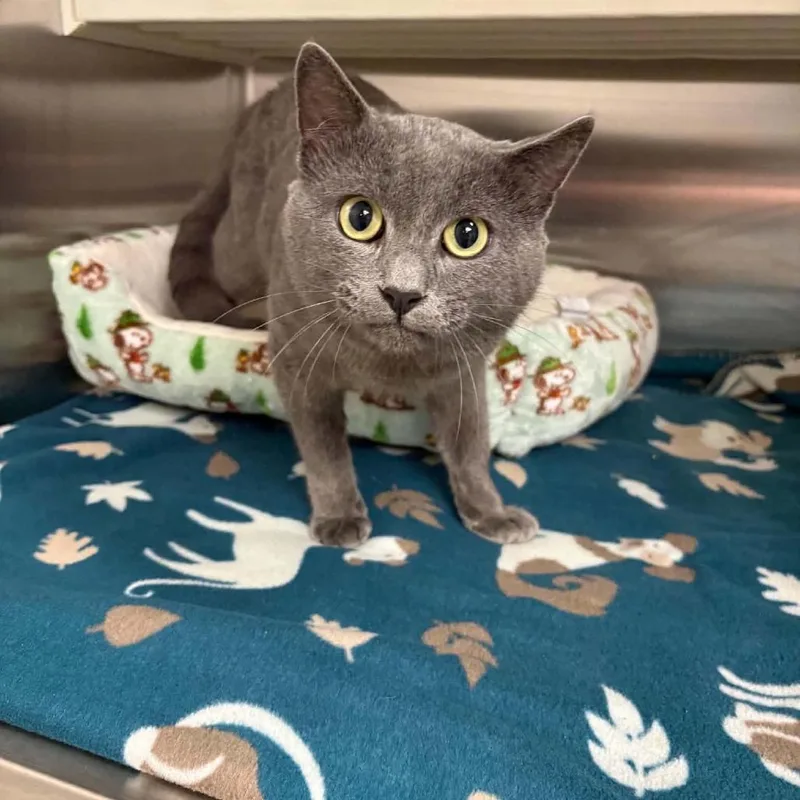
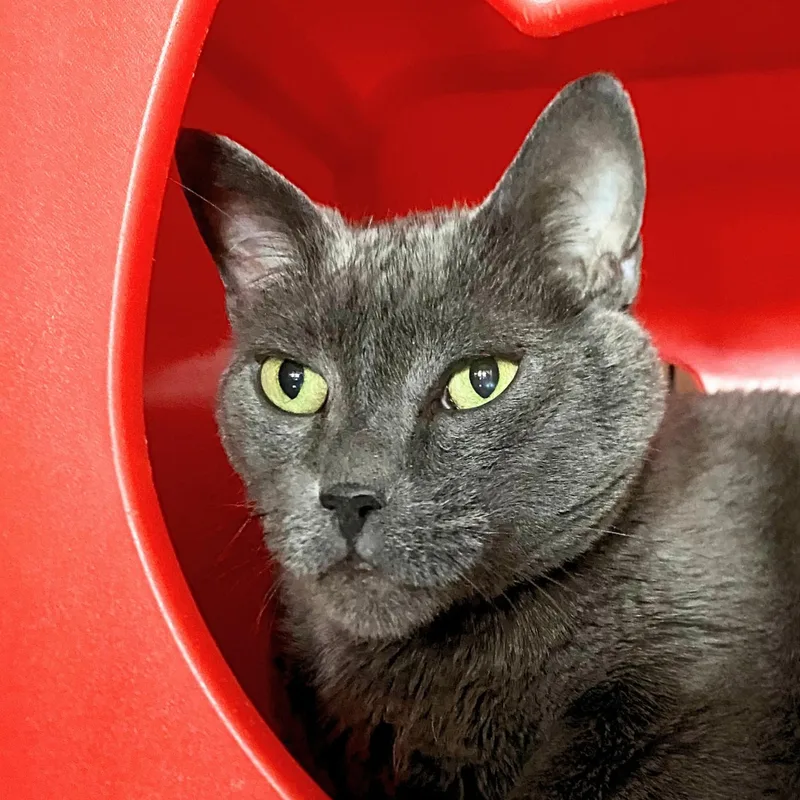
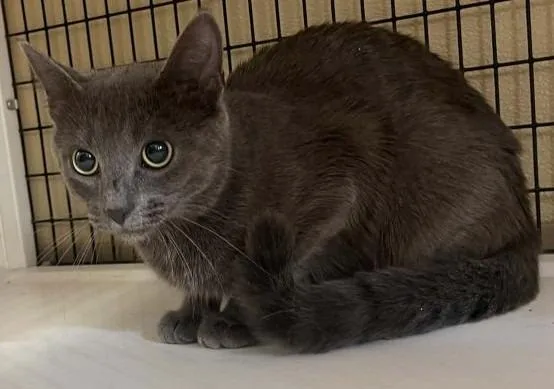
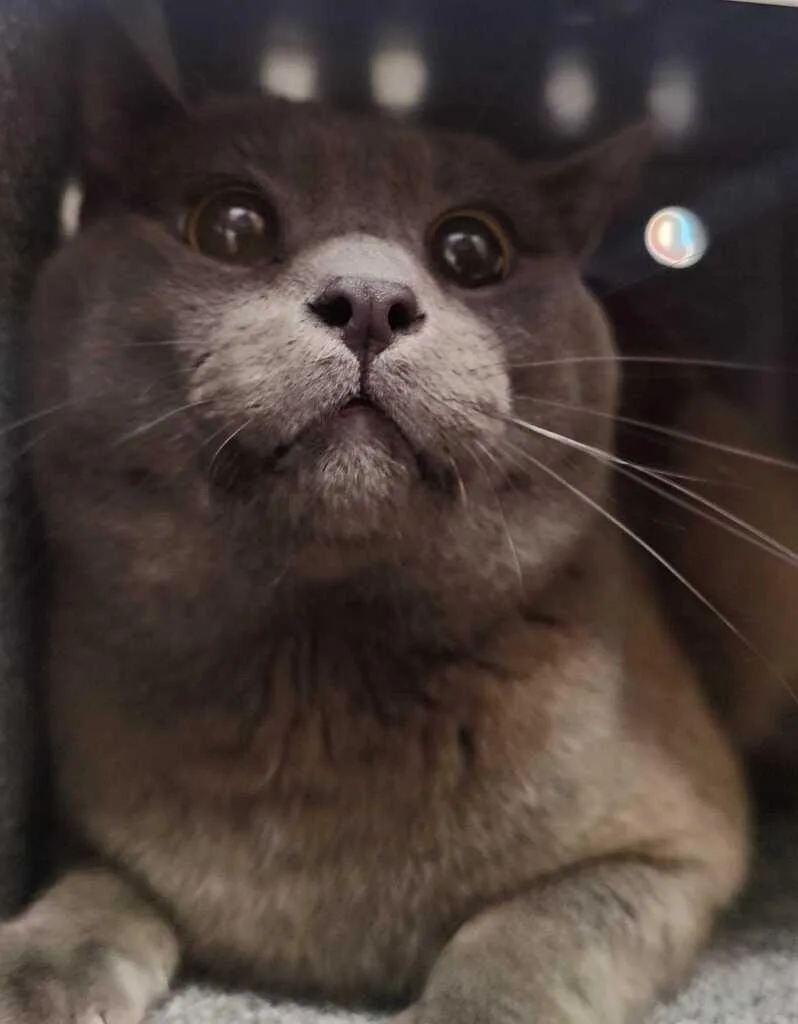
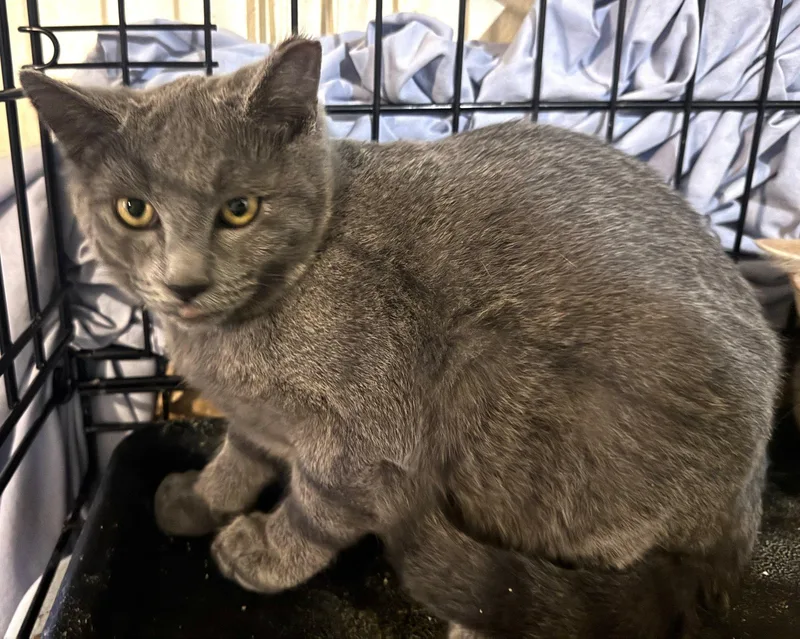
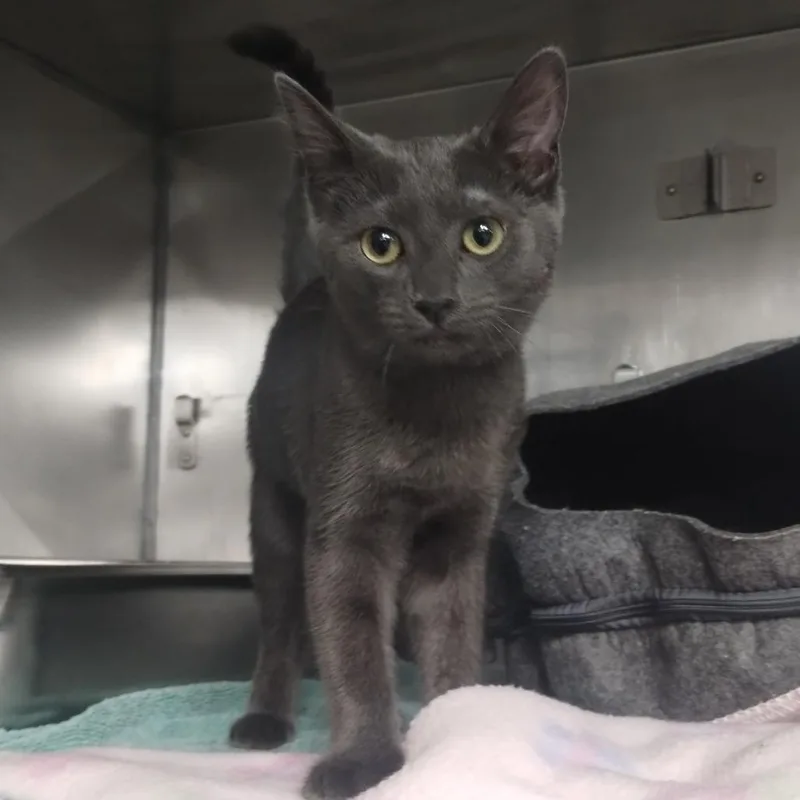
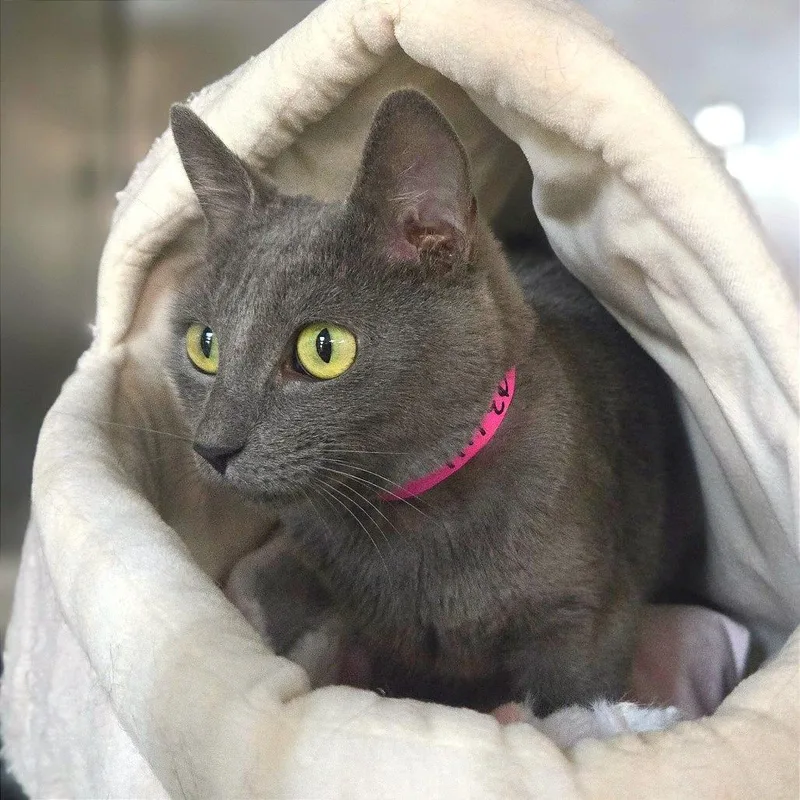
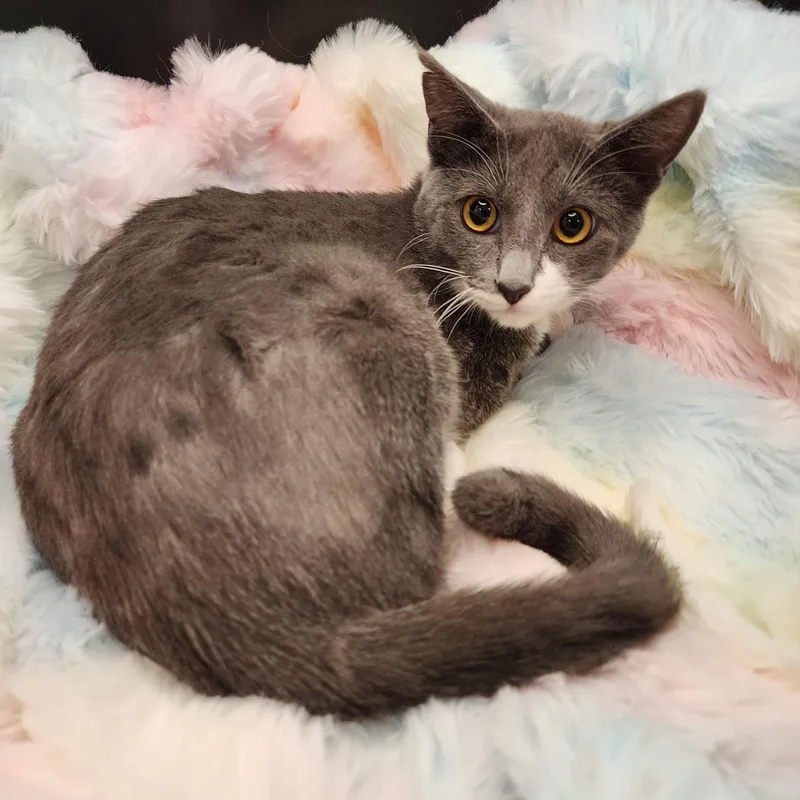
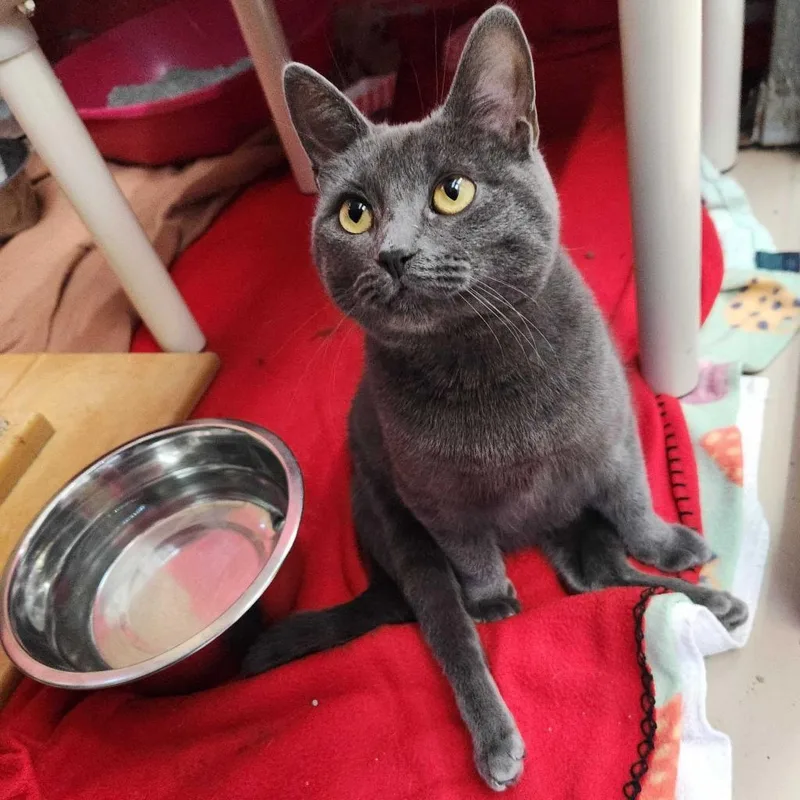
Russian Blues are slender, fine-boned shorthairs with a dense, plush double coat of even blue-grey, tipped with silver so it seems to shimmer, and vivid green eyes. The breed is believed to come from the Archangel region of northern Russia, and sailors carried cats to Britain in the nineteenth century. Adults usually weigh 6 to 12 pounds and live 12 to 16 years.

Many Russian Blues are gentle, quiet and devoted to their own people while staying reserved with strangers. They notice routine and mood, and they like puzzle games. The short coat needs only weekly brushing, though shedding picks up seasonally, and a healthy appetite means measured meals. Not every blue-grey cat is a Russian Blue, and each cat's personality varies.

Weight
6–12 lbs
Height
8–10 in
Lifespan
12–16 yrs
Temperament
Gentle, Quiet, Intelligent
Shedding
Low to Moderate

Owning a Russian Blue in Detroit

Having a Russian Blue in Detroit

Russian Blues combine an easy short coat with a watchful, sensitive nature. In Detroit, the key questions are how well a cat copes with noise and change, and whether your home offers quiet retreats through long indoor winters.

Temperament

Many Russian Blues are gentle and devoted at home but reserved with visitors and slow to trust. In a Detroit apartment with neighbors and street noise, a hiding spot and a steady routine help them settle. Cats vary, so watch how a cat reacts to new people and sounds when you meet.

Exercise Needs

Plan on two short play sessions a day with wand toys, chase games or puzzle feeders, since Russian Blues love food and gain weight easily. Detroit's long indoor winters make this routine matter more. A tall cat tree by a window gives climbing and bird-watching in one spot.

Health Considerations

Russian Blues have no widely recognized breed-specific inherited disease, but dental disease, bladder stones, kidney disease and heart conditions can affect any cat. Measured meals help prevent obesity. A veterinarian can check teeth, weight, heart and kidney health at a checkup soon after adoption.

Living Space

Russian Blues adapt well to Detroit apartments, townhouses and bungalows alike, valuing calm corners over square footage. Give them window perches, a cat tree and a covered bed or box to retreat to. Indoor living also keeps them safe from winter ice, traffic and the coyotes seen in some areas.

What it costs to own a Russian Blue in Detroit

ExpenseTypical costPer year
Food$25 to $50 per month$300 to $600
Pet insurance$25 to $50 per month$300 to $600
Routine vet care$150 to $350 per year$150 to $350
Other*$450 to $1,150 per year$450 to $1,150
Estimated yearly total (after year one)$1,200 to $2,700

Other costs are estimates and vary with size, age and health.

* Litter, flea prevention, a dental cleaning allowance, toys, scratchers and other supplies, and minimal home grooming for the short coat.

Adopt a Russian Blue in Detroit.

Now that you know more, let’s find you a new best friend. These rescues and shelters below have cats available in and near Detroit.

Rescues and Shelters in or near Detroit

Detroit's city shelter and nonprofit rescues care for cats of every age and look, from sleek gray shorthairs to fluffy tabbies. Here are the rescues & shelters in the Detroit area with cats available for adoption, worth asking whether a Russian Blue is coming in.

Frequently Asked Questions

Often, yes, for a household that keeps a steady routine. Russian Blues tend to be quiet, reserved cats that like calm homes and a window to watch from, which suits Detroit's long indoor winters. Loud summer storms and the late-June to July 4 fireworks can rattle a sensitive cat, so set up a quiet hiding spot.

Yes, many Russian Blues do well in Detroit apartments, from Midtown lofts to high-rise towers and rental duplexes. They value cozy retreats and vertical perches more than square footage. Add a cat tree by a window, daily wand-toy play and a quiet corner away from hallway noise, and confirm your lease allows cats.

Yes, as indoor cats. Their dense double coat helps, but Detroit sees more than 100 freezing nights a year, plus ice storms that can cause multi-day power outages. Keep your Russian Blue inside with a warm bed away from drafts, and have blankets and a carrier ready in case the heat goes out.

Yes. Detroit has no known breed bans or breed-specific rules, and its licensing rules cover dogs rather than cats. Pet shops in the city can't sell cats or dogs, so adoption is the route; browse the cats listed on this page. Keep a microchip and ID tag current.

Very little. A weekly brush keeps the short, plush double coat tidy, and a few brushings a week help during spring and fall shedding. Dry indoor heat in winter can leave skin flaky, so brush gently and keep fresh water out. Professional grooming is rarely needed, so it adds little to the Other costs shown on this page.

Not on city buses or the streetcar. DDOT doesn't allow pets that aren't service animals, with no carrier exception, and the QLINE allows service animals only. Plan on a car for vet visits, with your Russian Blue in a secure carrier that's buckled in or wedged on the floor.

Russian Blue cats are often gentle, quiet and deeply attached to their families, while staying reserved with strangers. Many like predictable routines, follow favorite people around and enjoy interactive games that test their intelligence. They tend to be sensitive to household mood and noise. Personality varies, so a foster's description of an individual cat is the best guide.

A Russian Blue is a medium-sized shorthaired cat with a dense, plush blue-grey coat tipped in silver, vivid green eyes and a slender, graceful build. The breed is thought to come from northern Russia. Many Russian Blues are quiet, intelligent and loyal to their people, though often shy around visitors until they feel comfortable.

No, Russian Blue cats are not hypoallergenic. They produce the Fel d 1 allergen like other cats, even though their dense coat may shed less noticeably than some breeds. Claims that they cause fewer allergy symptoms are anecdotal rather than proven. People with allergies should spend extended time with the specific cat before adopting.

Plan on about $1,200 to $2,700 a year for a Russian Blue in Detroit. That covers food at $25 to $50 a month, insurance at $25 to $50 a month, routine vet care at $150 to $350 a year, and $450 to $1,150 a year for litter, prevention, dental care and supplies.

Explore Other Breeds in Detroit

Looking for a different breed? Browse other cats available for adoption in Detroit.