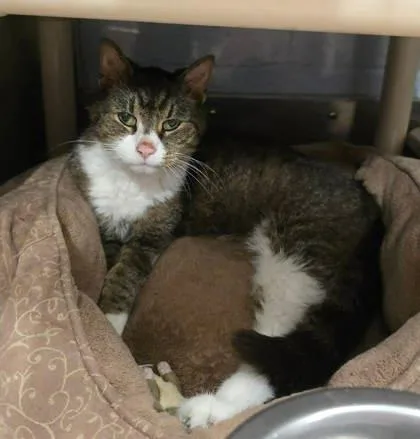
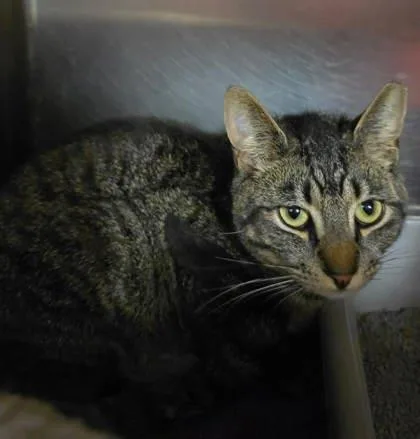
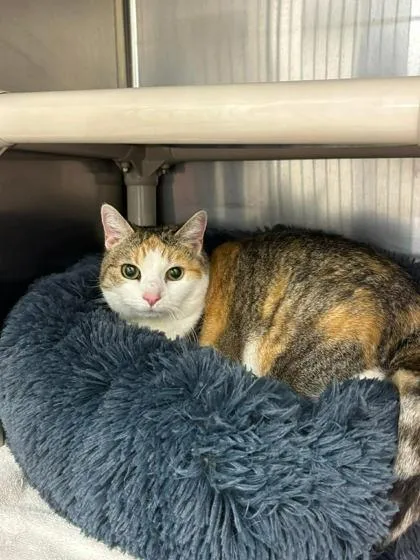
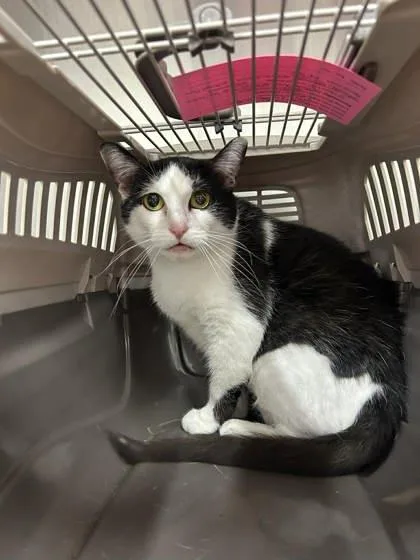
Domestic Short Hair Cats for Adoption in Annapolis, MD

Your guide to finding and caring for a Domestic Short Hair in Annapolis

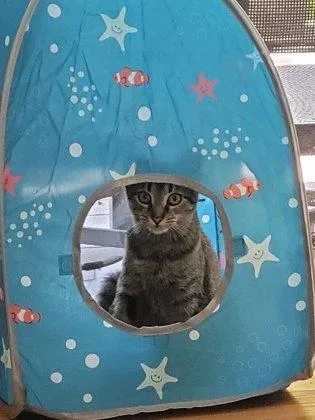
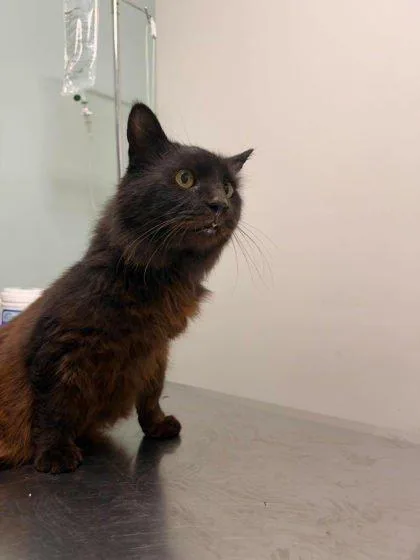
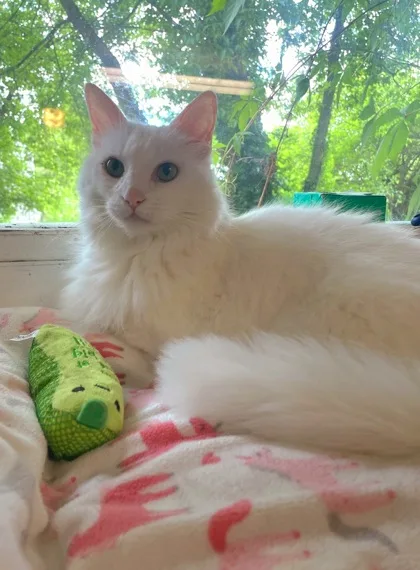
A Domestic Short Hair fits Annapolis's mix of apartments and older bungalows because the cat adapts to whatever space it gets. In a Forest Villa apartment or a West Annapolis cottage on a quiet street, a window perch, a scratching post and a daily play session go a long way. DSH cats come in every color and personality, so a cat's age and energy tell you more than its coat. Kittens suit busy households, while adults often settle in fast.

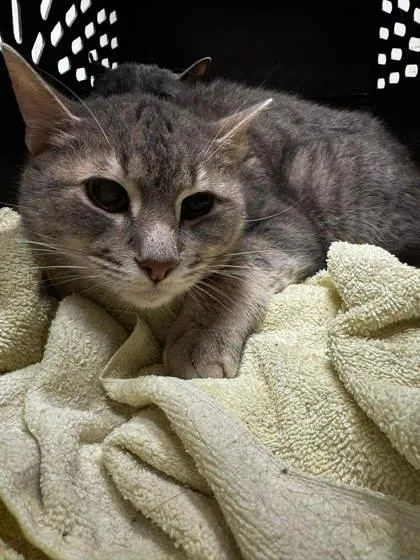
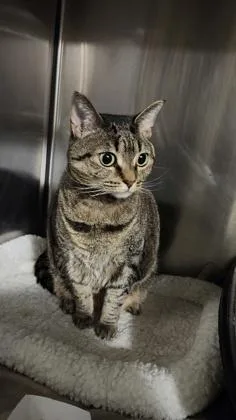
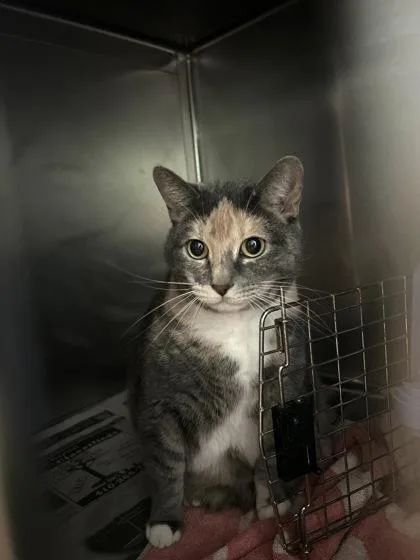
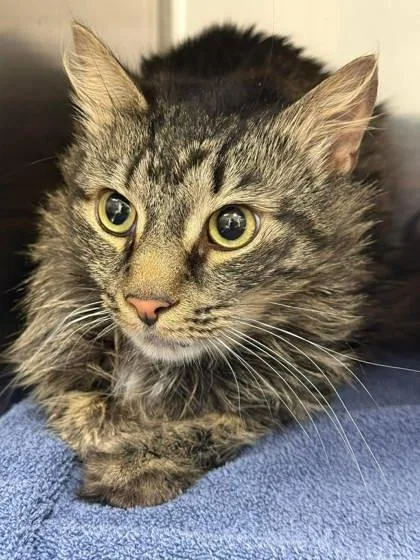
138 Domestic Short Hairs available for adoption in Annapolis

Find your Domestic Short Hair

Domestic Short Hairs Available for Adoption in Annapolis

About the Domestic Short Hair breed

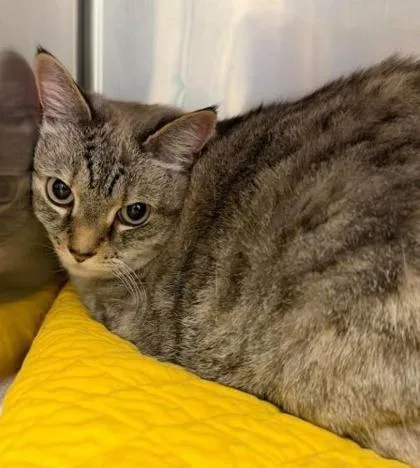
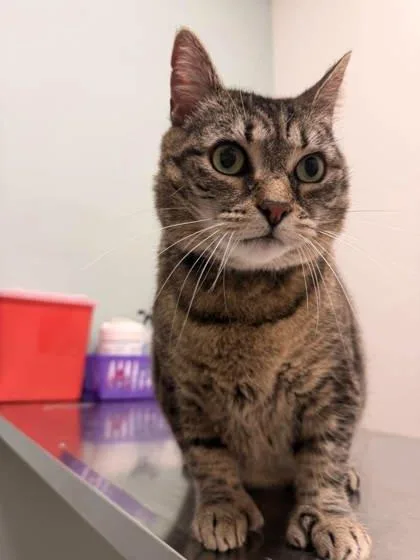
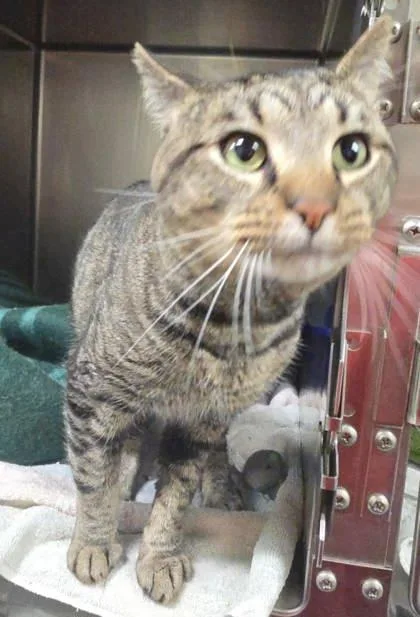
Domestic Short Hair is a description rather than a pedigreed breed: a short-coated cat of mixed or unknown ancestry. It's the cat most people picture when they think of a typical house cat, and the label DSH appears on many adoption records. Tabbies, tuxedos, calicos and solid blacks all fall under it, and none is rarer or more special than another.

Because the gene pool is so wide, size, energy and temperament vary. Most weigh somewhere between 6 and 14 pounds and have an easy-care coat that sheds moderately year-round. Some cats crave laps and conversation, while others watch from a shelf and warm up slowly. In an Annapolis rowhouse or apartment, that flexibility is a real advantage, but each cat's own habits still decide the match.

Weight
6–14 lbs
Height
8–10 in
Lifespan
12–18 yrs
Temperament
Adaptable, Curious, Affectionate
Shedding
Moderate

Owning a Domestic Short Hair in Annapolis

Having a Domestic Short Hair in Annapolis

A Domestic Short Hair is defined by a practical coat and a wide gene pool, not a set personality. Energy, sociability and health needs differ from cat to cat, so age and observed behavior are better guides than the label when you're comparing cats.

Temperament

Domestic Short Hairs range from outgoing lap cats to shy, independent observers. Many adjust well to new homes, other cats and calm dogs when introductions are gradual. Kittens tend to be bold and playful, and adults show settled personalities. Past experiences and early socialization shape behavior more than coat type, so each cat deserves patient, unhurried time to show who it is.
Exercise Needs

Most Domestic Short Hairs need daily interactive play, especially in an Annapolis apartment where space is limited. Wand toys, chase games and food puzzles use up energy and satisfy hunting instincts. Young cats may want several short bursts a day, while seniors prefer gentler sessions. Cat trees and window perches add stimulation between play times.

Health Considerations

Mixed ancestry may lower the risk of some inherited conditions, but Domestic Short Hairs still face common cat problems. Obesity, dental disease and urinary issues are frequent, and older cats can develop kidney disease, hyperthyroidism or diabetes. Regular vet exams, weight checks and dental care catch trouble early. Keeping rabies and flea and tick protection current matters in Anne Arundel County.

Living Space

Domestic Short Hairs usually do well in apartments, rowhouses and single-family homes alike, provided they have enrichment and quiet retreats. Climbing shelves, scratching posts, hiding spots and a clean litter box matter more than square footage. Indoor living protects cats from cars, raccoons and ticks, and sturdy window screens help prevent falls from upper floors.

What it costs to own a Domestic Short Hair in Annapolis

ExpenseTypical costPer year
Adoption fee$120 to $500, one time$120 to $500 in year one
Food$25 to $50 per month$300 to $600
Pet insurance$20 to $45 per month$240 to $540
Routine vet care$150 to $350 per year$150 to $350
Other*$450 to $1,150 per year$450 to $1,150
Estimated yearly total (after year one)$1,140 to $2,640
First-year total (with adoption fee)$1,260 to $3,140

Adoption fee is the range of fees on Domestic Short Hair listings in Annapolis on GetBuddy today. Other costs are estimates and vary with size, age and health.

* Litter, flea and tick prevention, a dental cleaning allowance, toys, scratchers and other supplies, and minimal home grooming; no cat license is required.

Adopt a Domestic Short Hair in Annapolis.

Now that you know more, let’s find you a new best friend. These rescues and shelters below currently have Domestic Short Hairs available.

Rescues in Annapolis with Domestic Short Hairs Available

Annapolis-area shelters and rescues list cats of every age, and Domestic Short Hairs are among the most common. Here are the rescues & shelters in the Annapolis area where you can find Domestic Short Hairs and other cats available for adoption.

Frequently Asked Questions

Yes, you can. Annapolis and Anne Arundel County have no breed-specific rules, and cats no longer need a county license. Your cat does need a rabies vaccination by 4 months old, and anyone keeping more than ten cats needs a license. Microchipping isn't required but makes a lost cat much easier to return.

Yes, Domestic Short Hairs usually adapt well to apartments. What matters is enrichment: a cat tree, window perch, scratching posts and daily play. Maryland caps security deposits at one month's rent, and landlords must now disclose pet fees, deposits and limits up front, so read the pet terms before you sign a lease.

Yes, for indoor cats it works well. Summers are humid, with around 40 days a year reaching 90°F, so air conditioning and shaded rooms help. Winters have many freezing nights, but a warm home handles that. The bigger local risk is coastal flooding and storms, so keep a carrier and pet kit ready.

Often, yes. A Domestic Short Hair adapts to walkable rowhouses, bungalows and apartments alike, and needs no license. Fit depends on the cat, though. Kittens and young adults want plenty of play, while seniors enjoy calmer homes. Choose based on a cat's age and energy, and plan for a storm evacuation kit.

Very little. Weekly brushing handles normal shedding, and you can brush more often during spring and fall, when shedding picks up. Humid summers don't change a short coat much. Most owners groom at home, so grooming costs stay small within the yearly Other costs, and an occasional nail trim is usually enough.

Annapolis Transit runs buses, a free downtown shuttle and on-demand Go! Time rides, but there's no subway or rail. Service animals are allowed on buses. For a pet cat, use a secure, ventilated carrier and confirm the current pet rule with Annapolis Transit before riding, since policies for non-service pets can differ.

Domestic shorthair cats typically live about 12 to 18 years, and many indoor cats reach their late teens or early twenties. Large UK veterinary studies have found mixed-breed cats tend to live slightly longer than pedigreed cats on average. Spaying or neutering, indoor living, a healthy weight, dental care and regular checkups all help a cat enjoy a longer life.

No, domestic shorthair cats are not hypoallergenic. The main cat allergen, a protein called Fel d 1, comes from saliva and skin glands, so short fur does not prevent reactions. Allergen levels vary between individual cats, and some people react less to certain cats. Spending time with a specific cat before adopting is the best way to test your response.

We have 4 rescues with Domestic Short Hairs available, including SPCA of Anne Arundel County, Cats R Us, Inc and Patuxent Animal Welfare Society, Inc. (PAWS). You can see every rescue with Domestic Short Hairs available in the list above these questions, or scroll to the top to see the Domestic Short Hairs in Annapolis.

Expect a Domestic Short Hair to cost roughly $1,140 to $2,640 a year. Food runs $25 to $50 a month and pet insurance $20 to $45 a month. Routine vet care is typically $150 to $350 a year, and other costs such as litter, flea prevention, dental care and supplies add $450 to $1,150. Cats don't need a license here.

Explore Other Breeds in Annapolis

Looking for a different breed? Browse other cats available for adoption in Annapolis.