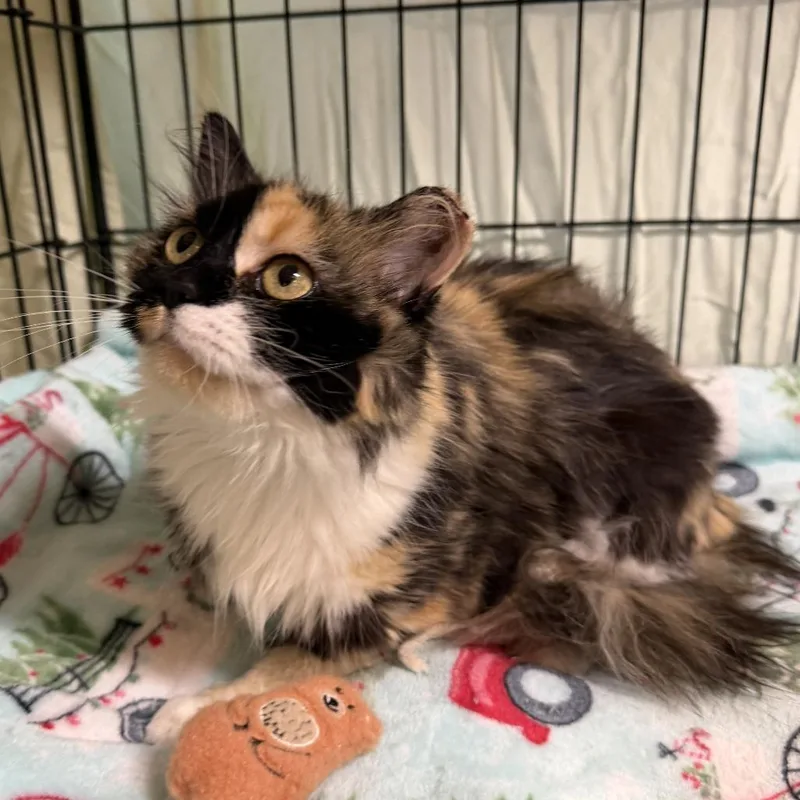
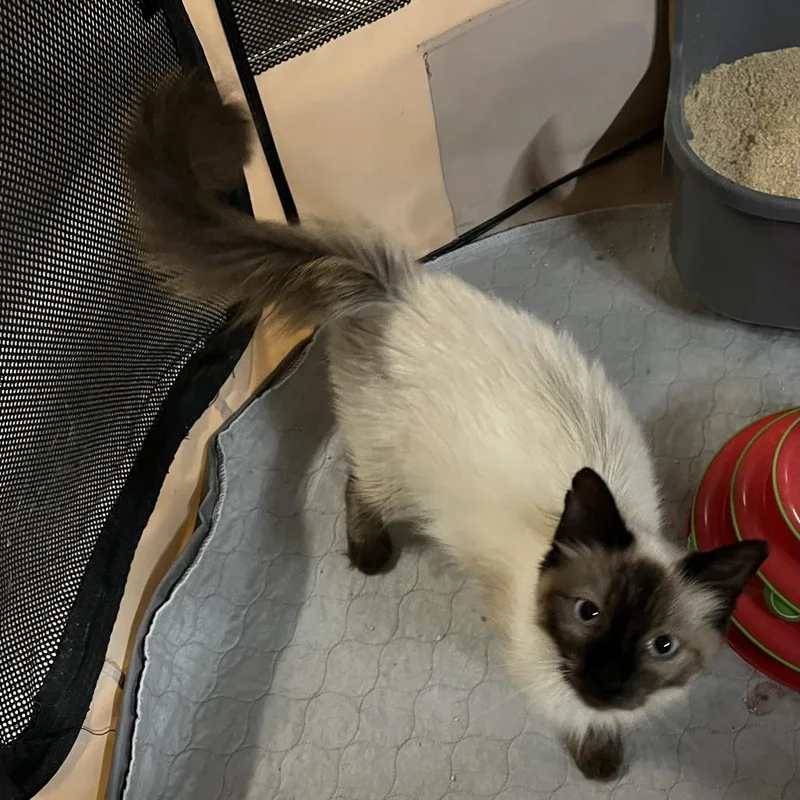
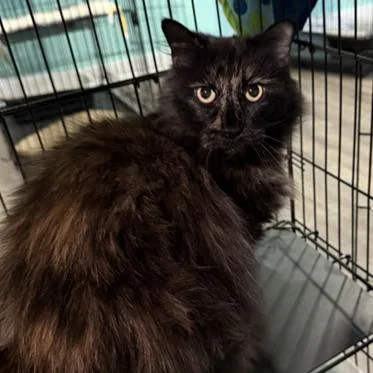
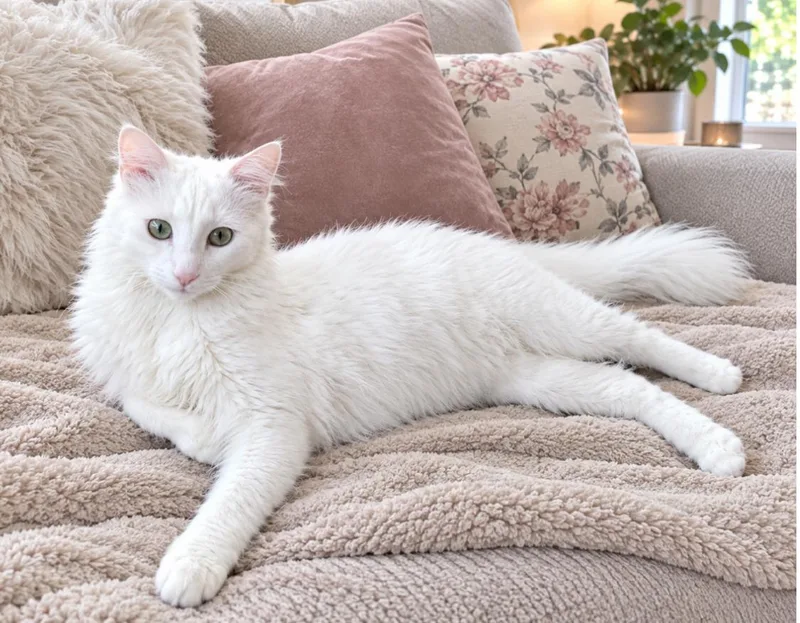
Domestic Long Hair Cats for Adoption in Annapolis, MD

Your guide to finding and caring for a Domestic Long Hair in Annapolis

A Domestic Long Hair suits Annapolis homes of almost any size, from a Colonial Revival in Murray Hill to a West Annapolis bungalow. These fluffy mixed-ancestry cats are happy on a sunny windowsill watching the street, and most settle in as indoor companions. The coat is the main job. A few minutes of brushing most days keeps mats and hairballs down, especially once Annapolis summers turn humid and all that fur starts to feel heavy.

6091 Domestic Long Hairs available in Annapolis and nationwide

Your Domestic Long Hair is waiting

Domestic Long Hairs Available for Adoption Near Annapolis

About the Domestic Long Hair breed

Domestic Long Hair is a coat description, not a breed. It's the label given to mixed-ancestry cats with medium to long fur, and they come in every color and pattern, from tabby and calico to smoke and solid black. Most adults weigh 8 to 15 pounds, though the fluff can make a cat look bigger than it is, and many live 12 to 18 years.

Because there's no breed standard, personality and energy vary from cat to cat, so spend time with a cat before deciding. Many are affectionate and adaptable. In Annapolis, routine matters most: brushing several times a week, keeping the cat indoors where burrs, ticks and traffic are less of a worry, and keeping the rabies vaccine current, which Anne Arundel County requires by four months old.

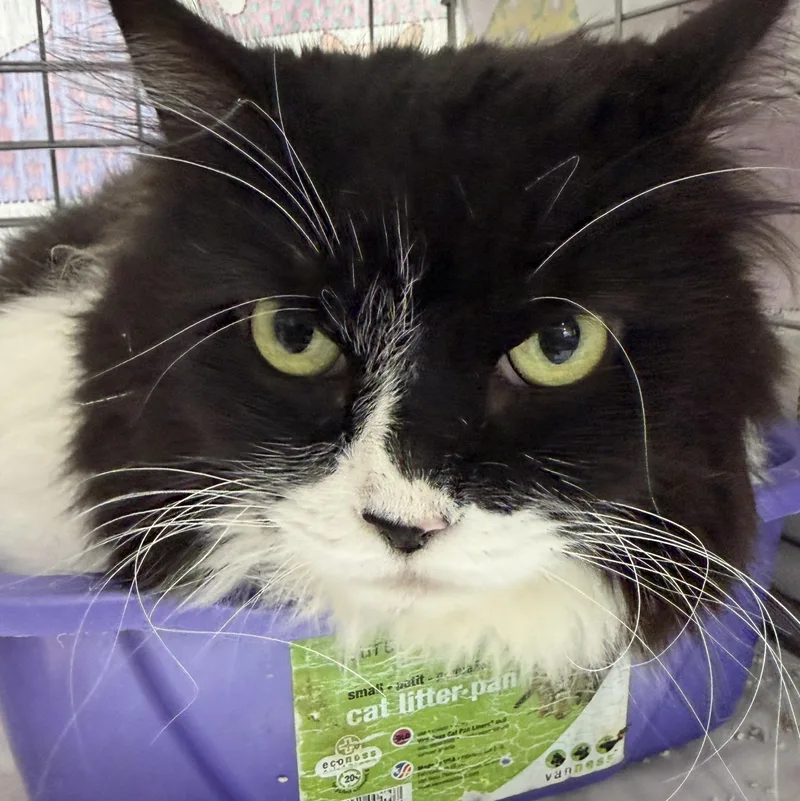
Weight
8–15 lbs
Height
8–11 in
Lifespan
12–18 yrs
Temperament
Adaptable, Affectionate, Gentle
Shedding
Moderate to High

Owning a Domestic Long Hair in Annapolis

Having a Domestic Long Hair in Annapolis

Domestic Long Hairs share a coat, not a pedigree, so each cat's personality and energy level differ. In Annapolis, the practical points are regular brushing, indoor enrichment and keeping the coat comfortable through humid summers and cold winters.

Temperament

Most Domestic Long Hairs are described as adaptable and gentle, but temperament comes from each cat's genes, early socialization and past experience. Some are lap cats, others are bold climbers, and some are shy at first. That range fits Annapolis homes from quiet townhouses to busy households once a cat has had time to settle.

Exercise Needs

Plan on two or three short play sessions a day with wand toys, balls or puzzle feeders. A perch by a window gives indoor cats something to watch, like squirrels and birds on a tree-lined street. Keeping weight in check matters, since overweight longhaired cats have trouble grooming themselves.

Health Considerations

Mixed ancestry means no breed-specific inherited conditions to plan around, but long coats can mat and cause hairballs. Dental disease, weight gain and kidney disease are common in cats generally. Annapolis tick season runs May through October and rabies turns up in local wildlife, so keep vaccines and parasite prevention current.

Living Space

Domestic Long Hairs adapt to Annapolis rowhouses, apartments and detached homes alike when they have litter boxes, scratching posts, hiding spots and something to climb. A cool floor spot helps in summer, and a regular grooming routine matters more than square footage. Keeping them indoors protects both the coat and the cat.

What it costs to own a Domestic Long Hair in Annapolis

ExpenseTypical costPer year
Food$25 to $50 per month$300 to $600
Pet insurance$20 to $45 per month$240 to $540
Routine vet care$150 to $350 per year$150 to $350
Other*$500 to $1,250 per year$500 to $1,250
Estimated yearly total (after year one)$1,190 to $2,740

Other costs are estimates and vary with size, age and health.

* Litter, flea and tick prevention, a dental cleaning allowance, toys, scratchers and other supplies, and regular brushing or occasional grooming for the long coat.

Adopt a Domestic Long Hair in Annapolis.

Now that you know more, let’s find you a new best friend. These rescues and shelters below currently have Domestic Long Hairs available.

Rescues in Annapolis with Domestic Long Hairs Available

The Annapolis area has a county shelter and a local SPCA, and adopted cats go home spayed or neutered. Here are the rescues & shelters in the Annapolis area where you can find Domestic Long Hairs and other cats available for adoption.

Frequently Asked Questions

Yes. Anne Arundel County rules, which handle animal matters for Annapolis, include no known breed restrictions on cats, and cats no longer need a county license. A cat must have a rabies vaccination by four months old. Rental homes set their own pet rules, so confirm your lease allows cats before you adopt.

Often, yes, especially for people who can brush the coat several times a week and keep the cat indoors. Humid summers and cold winters are easy to manage inside. Cats vary, so match the cat's energy and temperament to your household, whether that's a quiet Eastport cottage or a busy family house.

Yes. Most do well in apartments when they have a litter box, scratching posts, perches and daily play, since cats need vertical space more than floor area. Since landlords must now disclose pet fees and limits in listings, compare policies before applying, and keep up the brushing to limit fur on carpets and furniture.

Plan on brushing several times a week, and daily during spring and fall shedding or humid stretches of summer when fur mats easily. Check behind the ears, under the legs and around the belly for tangles. Occasional professional grooming falls within the Other costs range shown on this page.

Yes, indoors. Annapolis sees about 40 days a year at 90°F or higher, so keep rooms cool with air conditioning or fans, leave plenty of fresh water and offer shaded floor spots. Panting, drooling or unusual lethargy can signal overheating and warrants a prompt call to a veterinarian.

Annapolis has buses, a free downtown shuttle and on-demand rides, but no subway or rail. Service animals are allowed on buses. Policies for pets that aren't service animals can vary, so travel with a closed, ventilated carrier on your lap or floor, and plan a car or ride for vet visits.

You can usually tell a kitten will have long hair by about three to four weeks old, when its fur looks noticeably fluffier than its littermates'. Look for longer tufts on the ears, between the toes and on the tail, plus a softer, fuller coat overall. The full adult coat, ruff and tail plume can take one to two years to develop.

Yes, long hair is a recessive trait in cats. A kitten needs two copies of a long-hair variant, usually in the FGF5 gene, one from each parent, to grow a long coat. Two shorthaired parents can produce longhaired kittens if both carry the variant, while a longhair bred to a cat with two short-hair copies produces only shorthaired kittens.

We have 1 rescue with Domestic Long Hairs available: SPCA of Anne Arundel County. You can see every rescue with Domestic Long Hairs available in the list above these questions, or scroll to the top to see the Domestic Long Hairs near Annapolis.

Expect roughly $1,190 to $2,740 a year for a Domestic Long Hair in Annapolis. That covers food at $25 to $50 a month, insurance at $20 to $45 a month, routine vet care at $150 to $350 a year, and $500 to $1,250 a year for litter, parasite prevention, dental care, supplies and grooming.

Explore Other Breeds in Annapolis

Looking for a different breed? Browse other cats available for adoption in Annapolis.