Tortoiseshell Cats for Adoption in Boston, MA

Your guide to finding and caring for a Tortoiseshell in Boston

A tortoiseshell cat is an easy fit for Boston's triple-deckers and brownstone walk-ups. Tortoiseshell is a coat pattern, not a breed, so these cats range from shy to bold, and most are domestic shorthairs who are happy living indoors. A window perch over a Dorchester side street or a Mission Hill stoop gives a tortie plenty to watch, and a few rounds of wand-toy play before work cover most of the exercise. Plan on daily play and one sunny spot, and a tortie will settle in.

960 Tortoiseshells available in Boston and nationwide

Your Tortoiseshell is waiting

While we don't have enough cats near Boston, keep in mind that many rescues may offer transport.

Tortoiseshells Available for Adoption Near Boston

About the Tortoiseshell breed

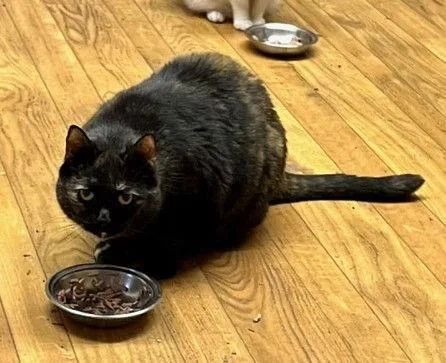
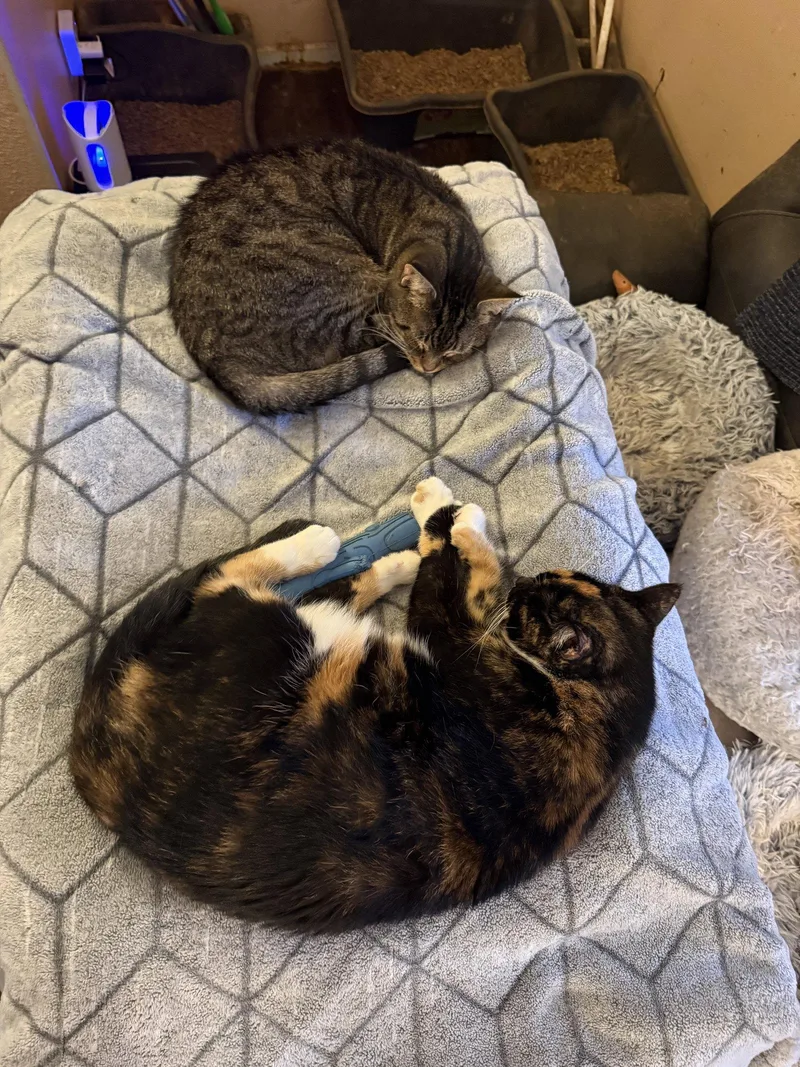
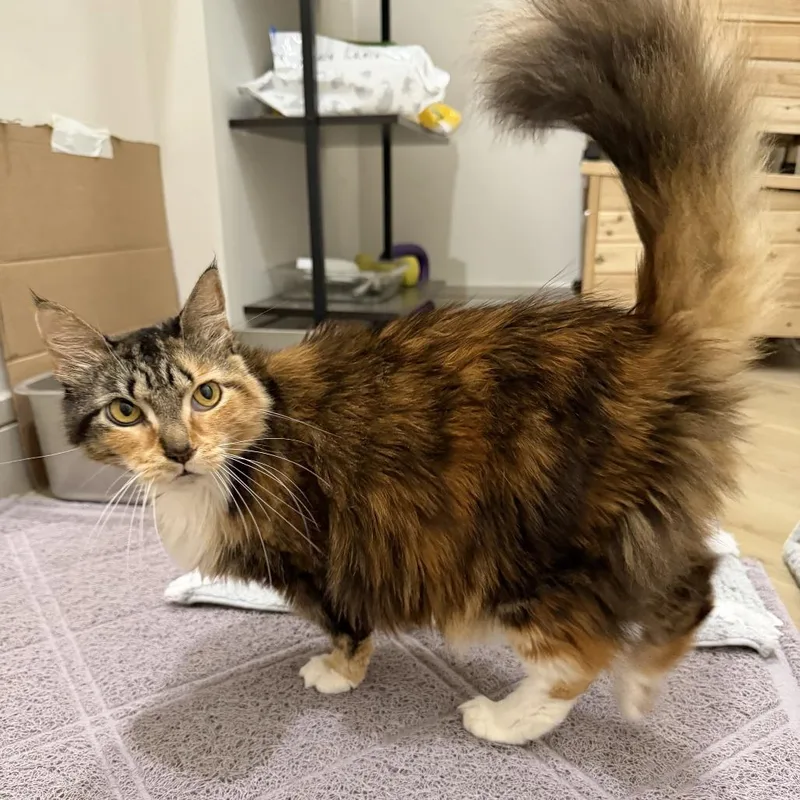
Tortoiseshell describes a coat, not a breed. The pattern blends black-based and orange-based colors in patches or a fine mottle, usually with little white, and it appears in domestic shorthairs and longhairs as well as in breeds such as Maine Coons and British Shorthairs. Most tortoiseshells adopters meet in Boston are domestic shorthairs of all ages.

Because coat color says little about personality, plan around the cat in front of you rather than the pattern. Torties are often called spirited, but that reputation rests mostly on owner impressions. In a Boston apartment, what matters is a cat's age, energy and comfort with noise: a confident cat shrugs off street sounds and visitors, while a shy one may prefer a quiet back room. Shedding is moderate, so regular brushing keeps up with it.

Weight
6–14 lbs
Height
8–10 in
Lifespan
12–18 yrs
Temperament
Independent, Affectionate, Playful
Shedding
Moderate

Owning a Tortoiseshell in Boston

Having a Tortoiseshell in Boston

Tortoiseshell is a coat pattern, so these traits reflect ancestry, age and upbringing more than color. Most torties in Boston are domestic shorthairs, with a wide range of energy levels and comfort around people.

Temperament

Torties have a reputation for "tortitude," but it comes mostly from owner impressions, and the evidence is thin. Some are bold and chatty, others shy or independent. In Boston's busy buildings, a cat's tolerance for stairwell footsteps, neighbors and street noise matters more than coat color, so watch how the cat handles new sounds and handling.

Exercise Needs

Most tortoiseshell cats do well with two or three short play sessions a day using wand toys, chase games and puzzle feeders. Indoors, a cat tree and a window perch add climbing and watching. Kittens and young adults need more activity than seniors, and a harness-trained cat can enjoy supervised time on a porch or balcony.

Health Considerations

The tortoiseshell pattern carries no particular health risks in females, so a tortie's health depends on age, ancestry and care. Yearly vet exams, dental care and a healthy weight matter most. Massachusetts requires rabies vaccination for cats 6 months and older, and a microchip with current contact details helps if a cat slips out.

Living Space

Torties fit apartments and houses equally well. In Boston's triple-deckers and brownstone walk-ups, a cat's small footprint is an advantage. Provide a scratching post, a cat tree and a hideaway, and use snug window screens on upper floors, since cats can fall from open windows or slip out onto fire escapes.

What it costs to own a Tortoiseshell in Boston

ExpenseTypical costPer year
Food$25 to $50 per month$300 to $600
Pet insurance$20 to $45 per month$240 to $540
Routine vet care$150 to $350 per year$150 to $350
Other*$450 to $1,150 per year$450 to $1,150
Estimated yearly total (after year one)$1,140 to $2,640

Other costs are estimates and vary with size, age and health.

* Litter, flea and tick prevention, a dental cleaning allowance, toys and supplies, and occasional home grooming.

Adopt a Tortoiseshell in Boston.

Now that you know more, let’s find you a new best friend. These rescues and shelters below have cats available in and near Boston.

Rescues and Shelters in or near Boston

Boston has a city shelter and several nonprofit rescues that bring cats and kittens into new homes throughout the year. Here are the rescues & shelters in the Boston area with cats available for adoption, worth asking whether a Tortoiseshell is coming in.

Frequently Asked Questions

Yes. Tortoiseshell is a coat pattern, not a breed, and Massachusetts bars breed-specific rules for dogs, so no restrictions on tortie coloring are known here. Boston also bans pet-store sales of commercially bred cats, which makes adoption the main route. Browse the cats listed on this page, and save a search to hear when new ones arrive.

Yes, as long as she's in a secure carrier. The MBTA allows small pets in carriers at all times, ideally on your lap and away from the doors. Cats can't ride loose or on seats. Avoid holidays and big events such as the Marathon, since staff may restrict pets when trains are crowded.

Yes, as indoor cats. Coat color doesn't change cold tolerance, and a tortie in a heated apartment is comfortable through nor'easters. The risks are outdoors: salted sidewalks, antifreeze and ice. Keep her inside, wipe paws after any harness time on the street, and provide a warm bed away from cold windows.

Yes. Most Boston households rent, and cats suit apartments well, including triple-deckers and brownstone walk-ups. Get your landlord's pet permission in writing, add a cat tree and window perch for climbing and watching, and make sure screens fit tightly. A tortie with a shy streak may prefer a quieter building.

Often, yes, for people who can offer daily play and a calm home base. Torties adapt to city life depending on their age and personality, not their coloring. Consider noise from street traffic and neighbors, your work schedule, and whether you want a playful young cat or a mellow senior.

Moderate shedding means a weekly brushing for shorthairs and a few sessions a week for long coats. Dry indoor heat in winter and spring shedding can increase it. Professional grooming is rarely needed, so home brushing, nail trims and the occasional wipe-down fit within the yearly Other costs listed above.

A tortoiseshell cat is a cat with a coat pattern of black-based and orange-based colors blended or patched together, usually with little or no white. It is not a breed; the pattern appears in many breeds and most often in domestic shorthairs. Nearly all tortoiseshells are female because the genes for orange and black are carried on the X chromosome.

Almost all tortoiseshell cats are female, but not all. A female has two X chromosomes and can carry both orange and black color genes, producing the mixed coat. Males normally have only one X. Rare male torties usually have an extra X chromosome or are genetic chimeras, and they are estimated at roughly 1 in 3,000 tortoiseshells.

No, tortoiseshell cats are not rare. They are common among domestic cats and are regularly found in shelters and rescues. What is rare is a male tortoiseshell, since the pattern almost always requires two X chromosomes. Certain variations, such as long-haired or dilute torties, are less common simply because they require additional recessive genes.

Expect roughly $1,140 to $2,640 a year in recurring costs for a tortie in Boston, or about $95 to $220 a month. That covers food at $25 to $50 a month, insurance at $20 to $45, routine vet care at $150 to $350 a year, and $450 to $1,150 a year for other items. Emergencies come on top.

Explore Other Breeds in Boston

Looking for a different breed? Browse other cats available for adoption in Boston.