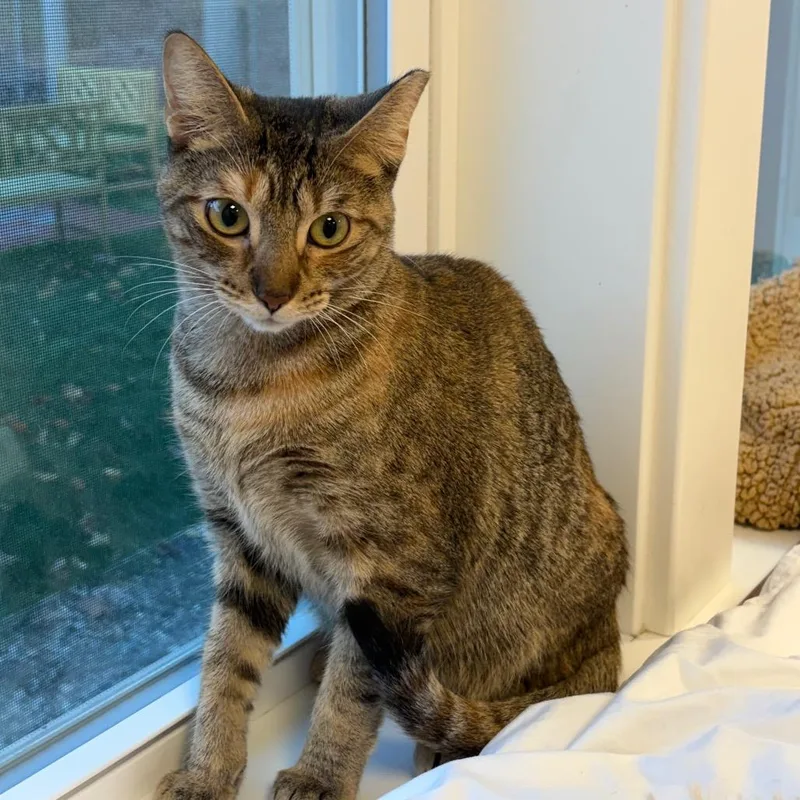
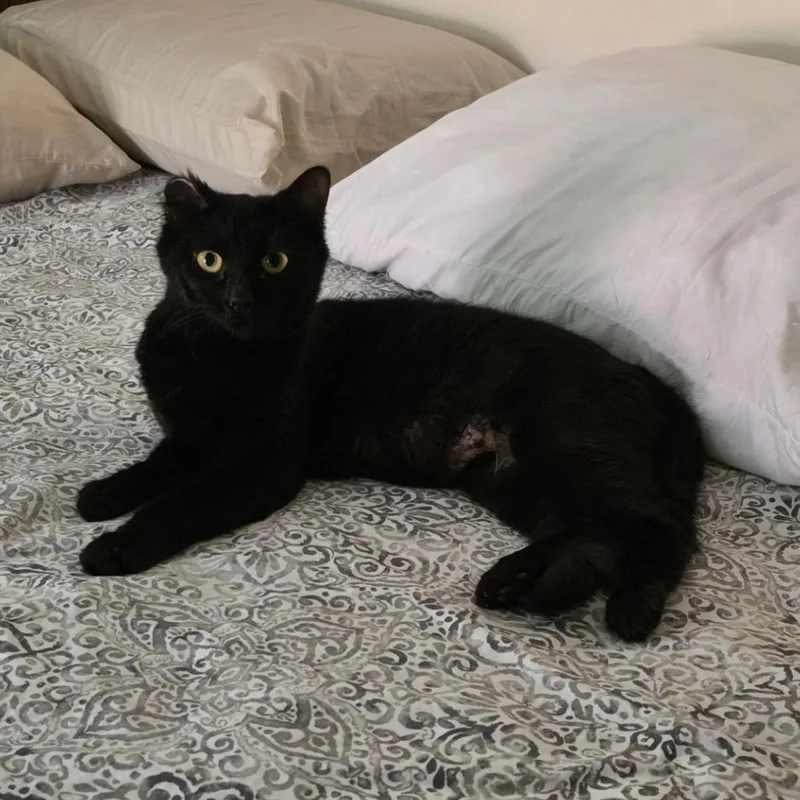
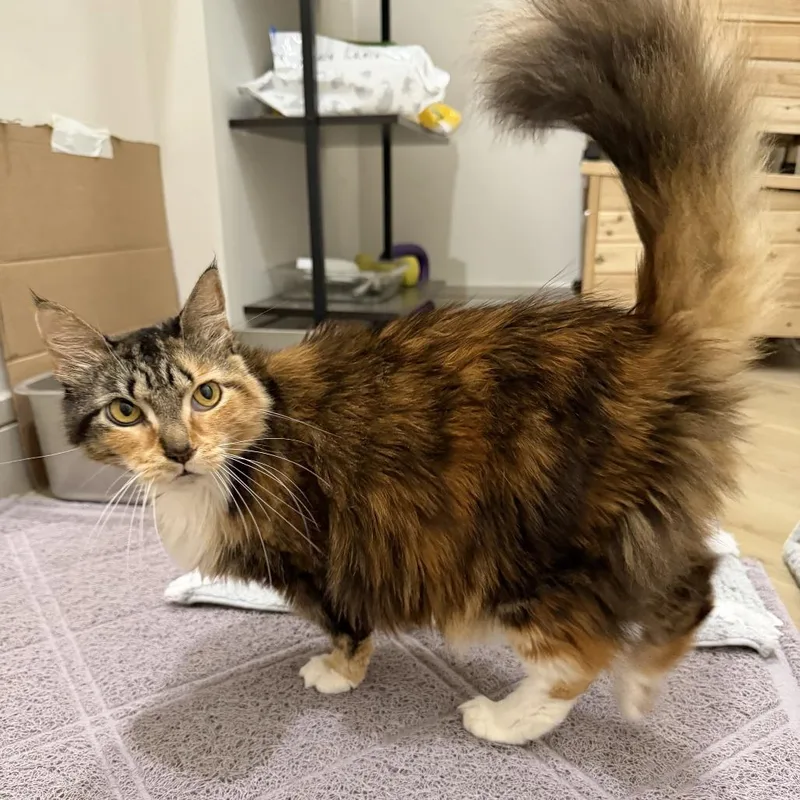
Snowshoe Cats for Adoption in Boston, MA

Your guide to finding and caring for a Snowshoe in Boston

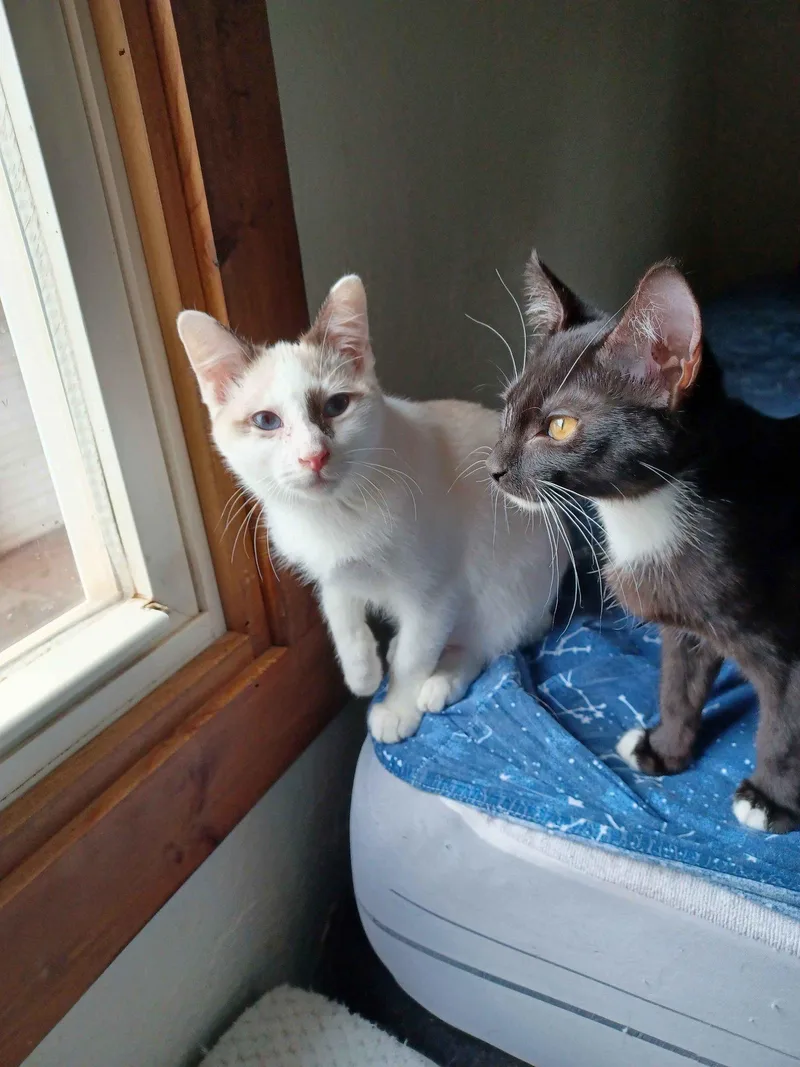
Snowshoe cats suit Boston's triple-deckers and brownstone flats well, because they're happy indoors as long as someone is around. In a Dorchester or Mission Hill apartment, a Snowshoe will claim the window perch over the street and follow you from room to room. They're affectionate, curious and soft-spoken, though many dislike long, empty days. Most Snowshoes you'll meet here are pointed cats with white mittens rather than registered ones, and a nor'easter makes a warm lap an easy sell.

188 Snowshoes available in Boston and nationwide

Adopt a Snowshoe today

While we don't have enough cats near Boston, keep in mind that many rescues may offer transport.

Snowshoes Available for Adoption Near Boston

About the Snowshoe breed

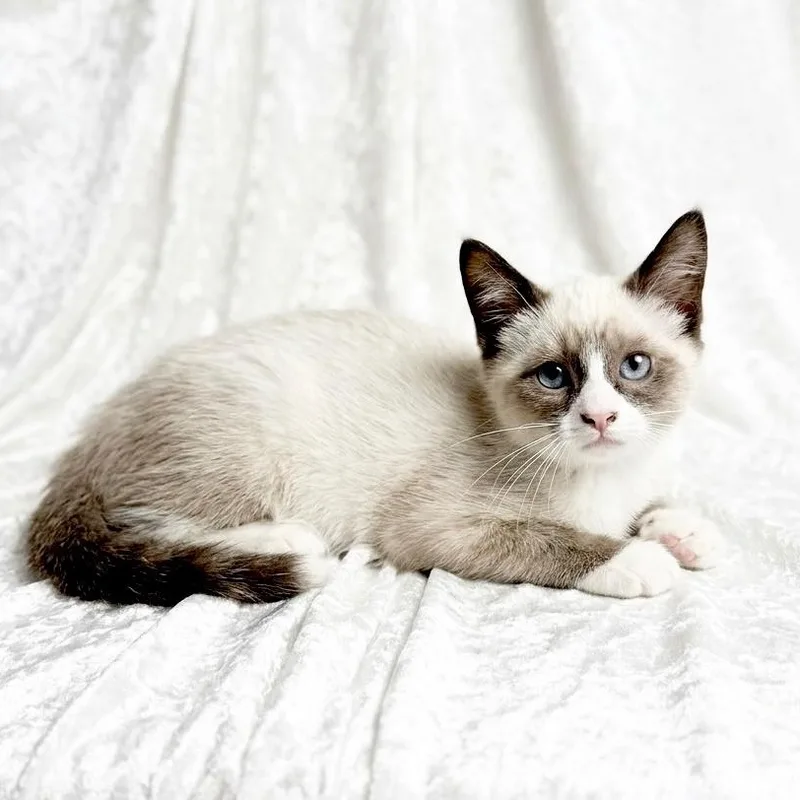
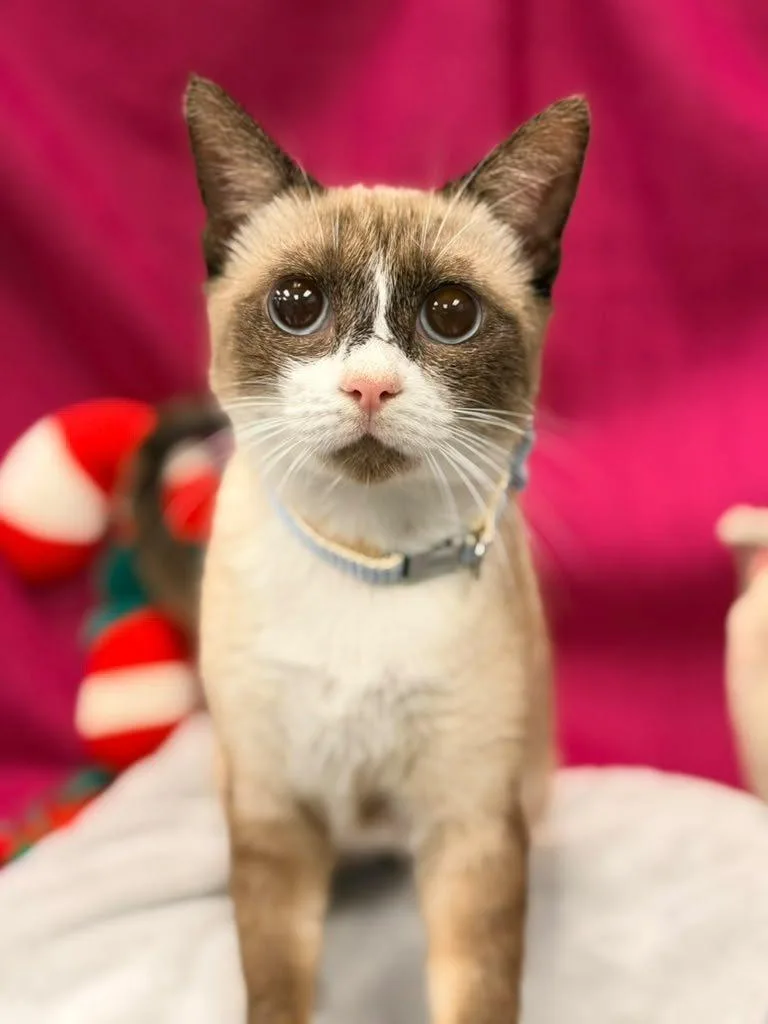
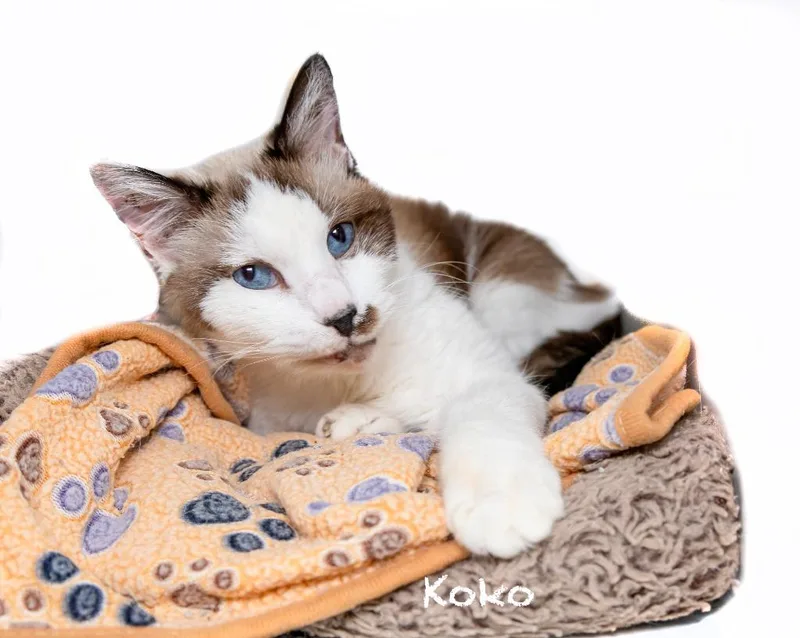
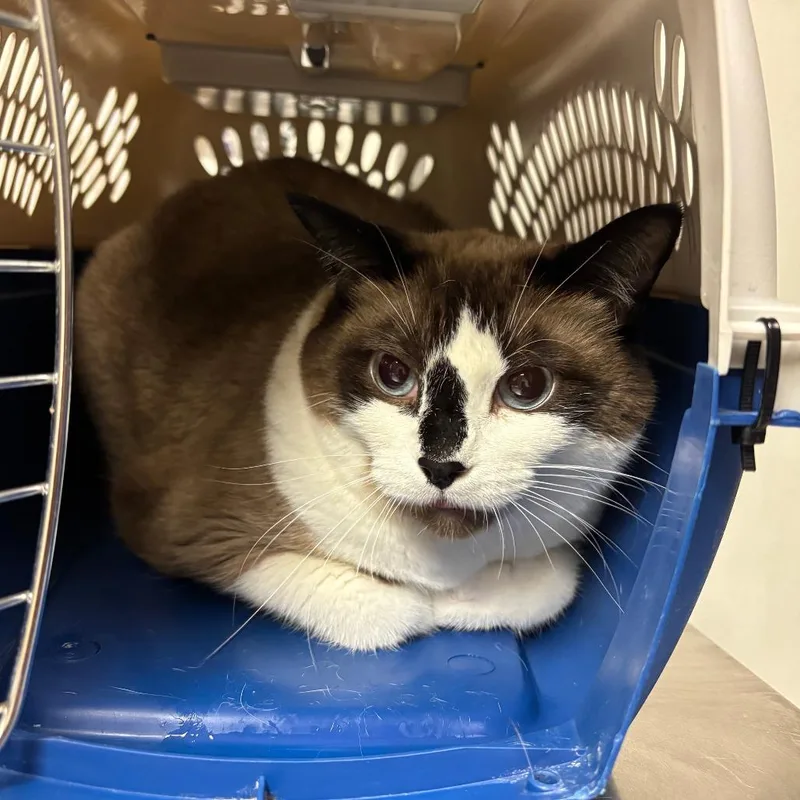
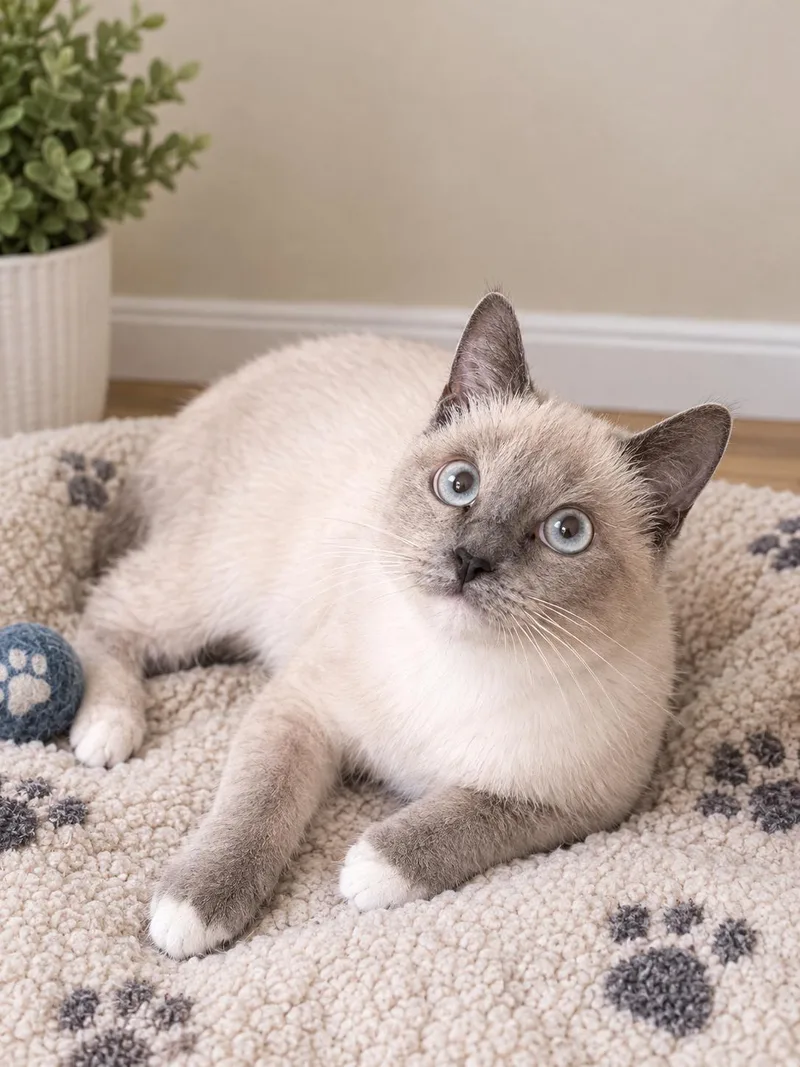
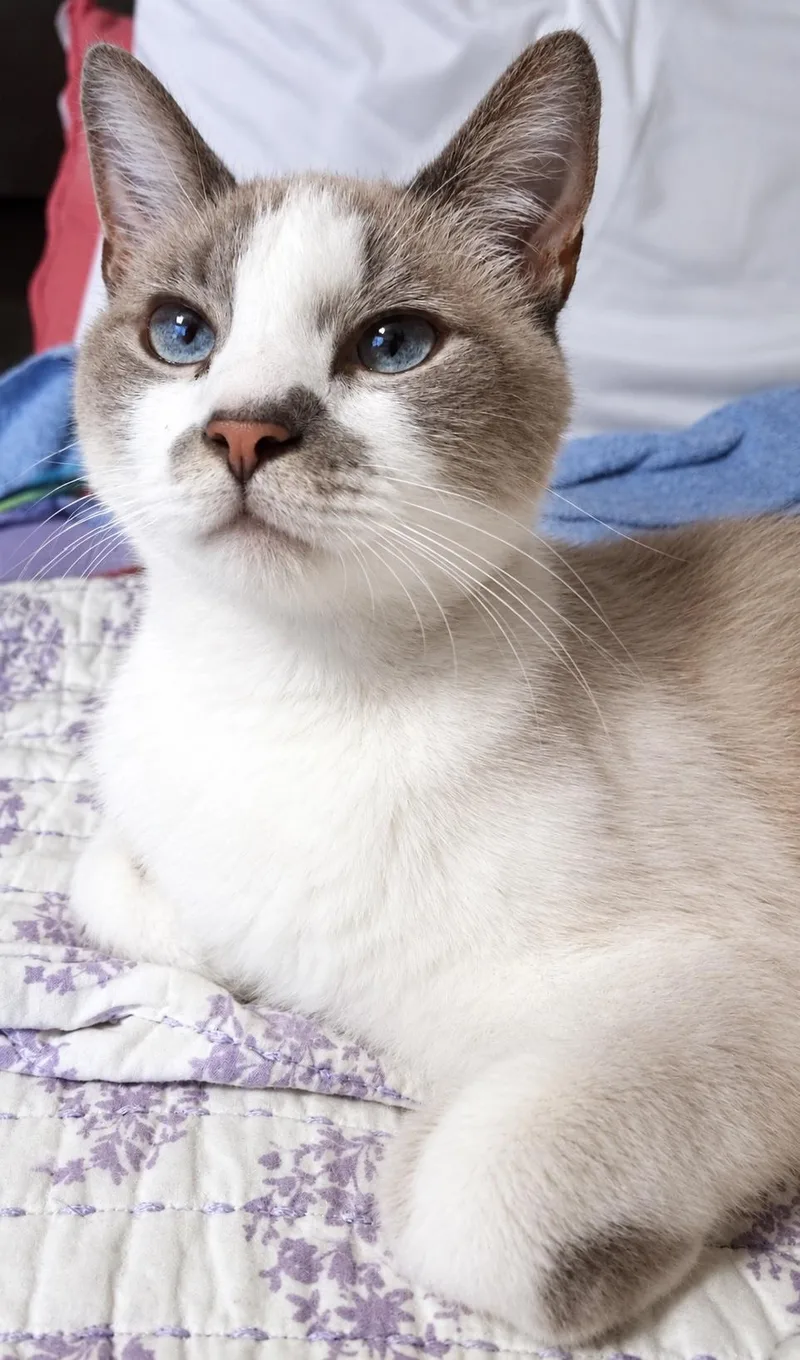
The Snowshoe began in 1960s Philadelphia, when Siamese cats were crossed with bicolor American Shorthairs. The result is a medium-sized cat, usually 7 to 12 pounds, with a short, smooth coat and little undercoat, Siamese-style points, blue eyes and white feet. The pattern is hard to reproduce, so the breed itself is rare.

In a Boston apartment, the personality matters more than the markings. Many Snowshoes bond closely with one person, chatter softly, and learn tricks or how to open doors. That brain needs puzzles and play, and many do best with a household that's home often, such as remote workers, students or families. Cats with the Snowshoe pattern can share the same sociable charm.

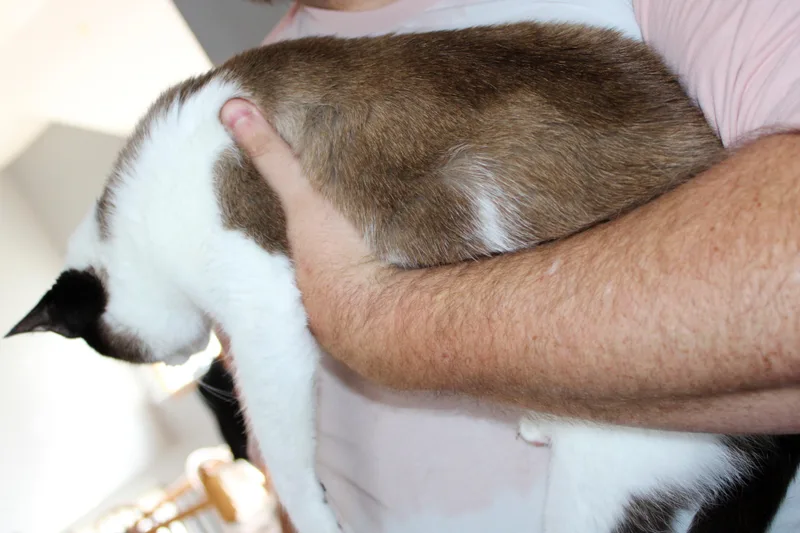
Weight
7–12 lbs
Height
8–12 in
Lifespan
14–19 yrs
Temperament
Affectionate, Sweet, Intelligent, Social
Shedding
Low to Moderate

Owning a Snowshoe in Boston

Having a Snowshoe in Boston

In Boston, a Snowshoe's biggest needs are company and things to do, and both are easy to provide in a compact city apartment. The short coat is low-fuss, and health is generally sturdy, with a few conditions worth knowing about.

Temperament

Snowshoes tend to be sweet, soft-voiced and devoted, often picking a favorite person and shadowing them around the apartment. Many are a bit reserved with visitors, which suits a quiet Boston flat, but they can fret when left alone all day. Temperament varies from cat to cat, especially among Snowshoe-pattern mixes.

Exercise Needs

Plan on daily interactive play with wand toys and puzzle feeders, plus a tall cat tree and a window perch. Boston's long winters keep cats inside, so indoor enrichment matters. Snowshoes are smart enough to learn fetch or harness basics, but they're indoor cats, and the City warns that coyotes live in Boston.

Health Considerations

Snowshoes are generally healthy, though urate bladder stones show up more often in the breed, so watch for straining or blood in the urine and keep fresh water out. Dry winter indoor heat can make cats drink less, and wet food helps. A veterinarian can check teeth and heart at routine visits.

Living Space

Triple-deckers, brownstone flats and high-rise condos all work for a Snowshoe, which cares more about company than square footage. Add a cat tree or wall shelves and a sunny window perch. Sturdy screens matter on upper floors. A home where someone is around often, or with a friendly second cat, suits them best.

What it costs to own a Snowshoe in Boston

ExpenseTypical costPer year
Food$25 to $50 per month$300 to $600
Pet insurance$25 to $50 per month$300 to $600
Routine vet care$150 to $350 per year$150 to $350
Other*$450 to $1,150 per year$450 to $1,150
Estimated yearly total (after year one)$1,200 to $2,700

Other costs are estimates and vary with size, age and health.

* Litter, flea prevention, a dental cleaning allowance, toys, scratchers and bedding, and occasional brushing for a short coat.

Adopt a Snowshoe in Boston.

Now that you know more, let’s find you a new best friend. These rescues and shelters below have cats available in and near Boston.

Rescues and Shelters in or near Boston

Boston has a city shelter and nonprofit adoption centers, and pointed Snowshoe-type cats sometimes appear among the cats they list. Here are the rescues & shelters in the Boston area with cats available for adoption, worth asking whether a Snowshoe is coming in.

Frequently Asked Questions

Yes. Massachusetts doesn't allow cities to regulate pets by breed, so no Boston rule singles out Snowshoes. State law requires a rabies vaccination for cats six months and older, and a microchip and ID tag are smart extras. Boston's yearly license applies to dogs, not cats. Many adoptable Snowshoes are Snowshoe-pattern domestic cats.

Yes, apartments suit Snowshoes well. They're medium-sized indoor cats that care more about company than floor space, which matters in a city where about 64 percent of households rent. Add vertical space like a cat tree, a window perch and puzzle feeders. Because many dislike long days alone, a home with someone around often is ideal.

Often, yes. A Snowshoe's indoor, people-focused nature matches Boston's compact apartments and long winters, and its short coat is easy to keep up. The main catch is companionship: many Snowshoes get bored or lonely if left alone all day. Households with someone home often, or a friendly second pet, tend to be the best match.

Yes, as indoor cats they handle Boston winters well. Snowshoes have a short coat with little undercoat, so they like warm perches and sunny windows. Keep road salt and antifreeze, which are toxic, away from them, and wipe paws that touch salt. Extra play sessions on snowy days burn energy and prevent boredom.

Yes, in a secure carrier. The MBTA allows small pets in carriers at all times, and a Snowshoe's 7 to 12 pounds fits comfortably. Keep the carrier on your lap, away from doors. Animals can't be out of carriers or on seats, and staff may restrict pets during crowding, so avoid holidays and big events.

Very little. A Snowshoe's short, smooth coat needs only an occasional brush, perhaps weekly during heavier shedding in spring and fall. Dry indoor heat in winter can make skin a bit flaky, so a quick brushing helps. Trim nails and brush teeth when you can. That light care fits within the Other cost line, which covers $450 to $1,150 a year.

A Snowshoe cat is a rare American breed developed in the 1960s from Siamese and bicolor American Shorthair cats. It has a short coat, Siamese-style color points, blue eyes and distinctive white paws that look like snowshoes, often with a white inverted V on the face. Many are affectionate, intelligent and soft-voiced companions.

Plan on about $25 to $50 a month for food and $25 to $50 for insurance, plus $150 to $350 a year for routine veterinary care. Other yearly costs, such as litter, parasite prevention and dental care, add $450 to $1,150. Together that's roughly $1,200 to $2,700 a year for a Snowshoe in Boston.

Find Snowshoes in Nearby Cities

Expand your search to find Snowshoes available for adoption near Boston.

Explore Other Breeds in Boston

Looking for a different breed? Browse other cats available for adoption in Boston.