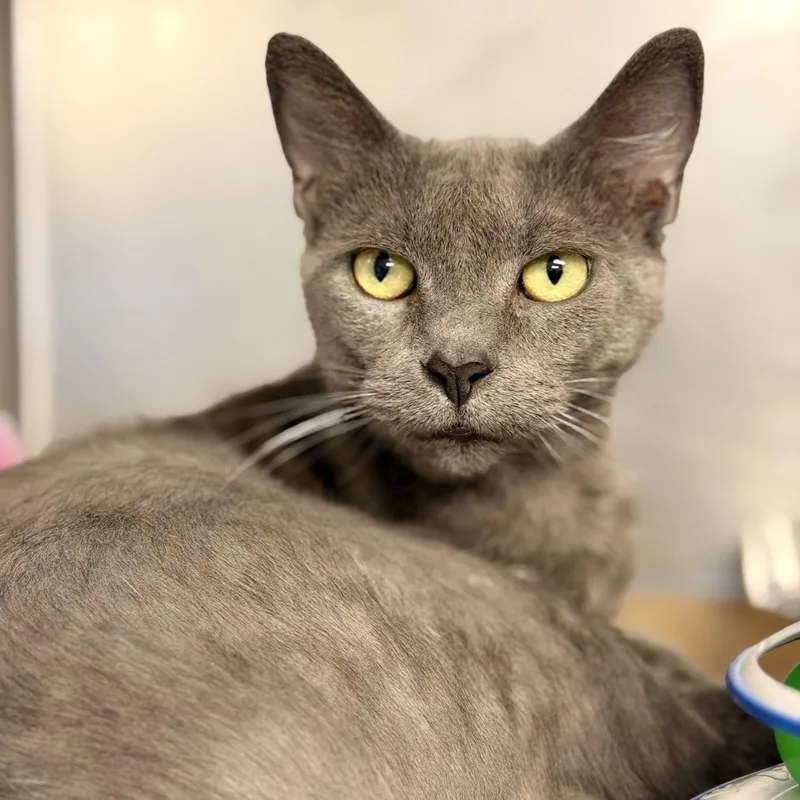
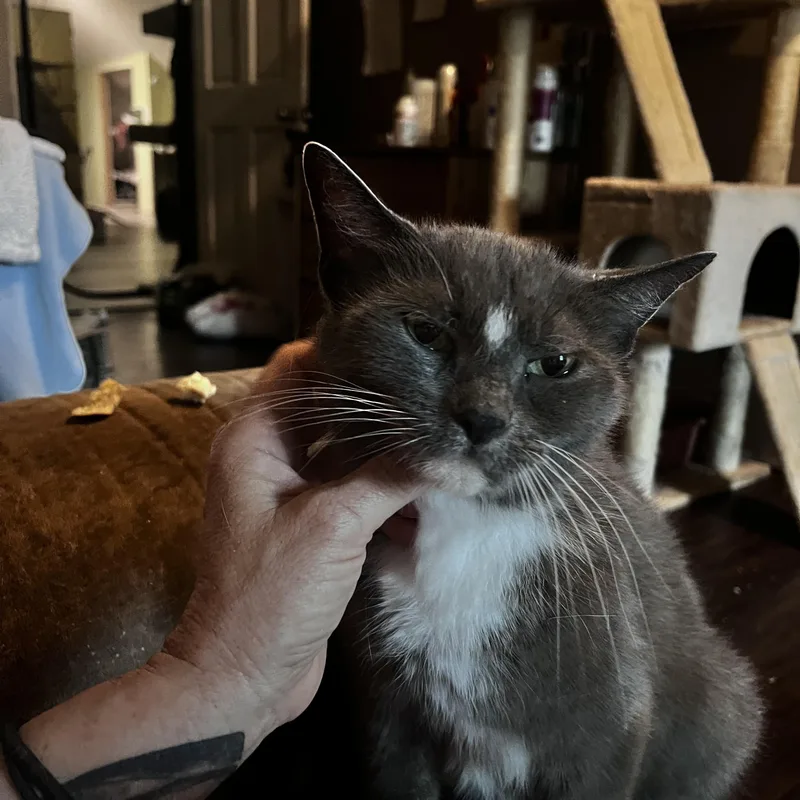
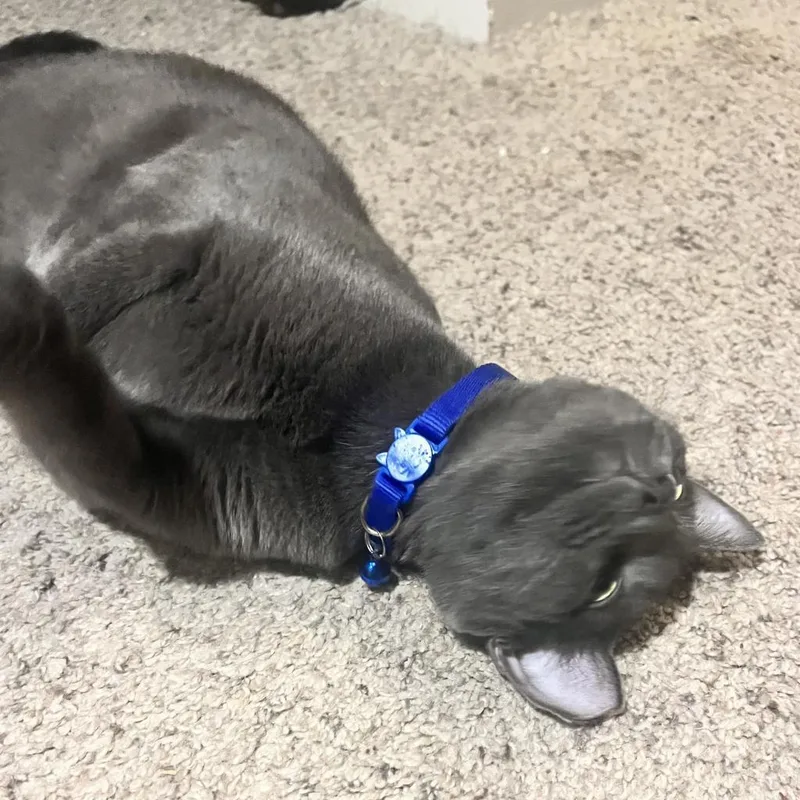
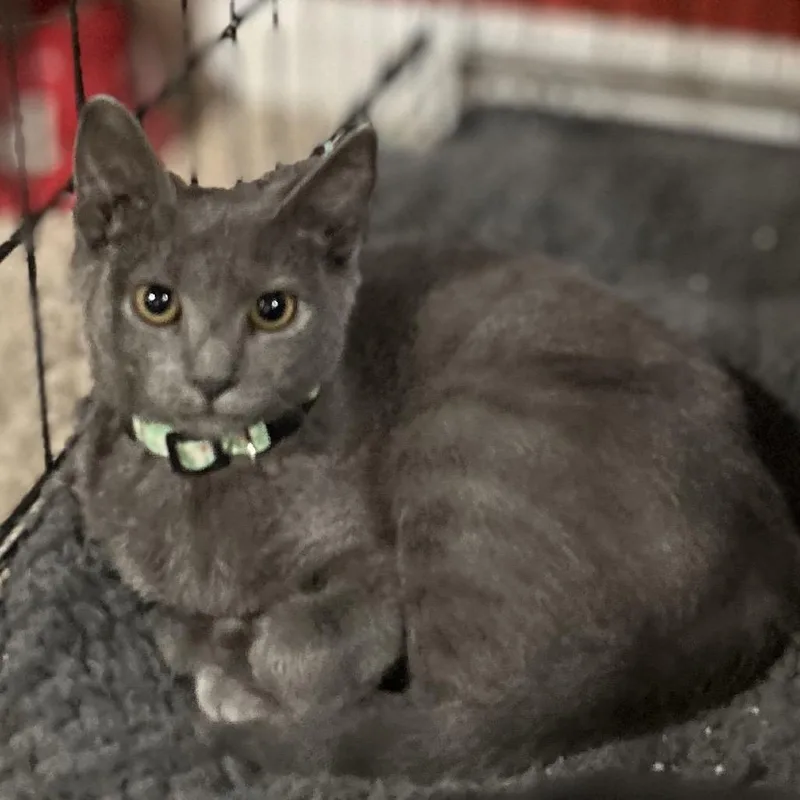
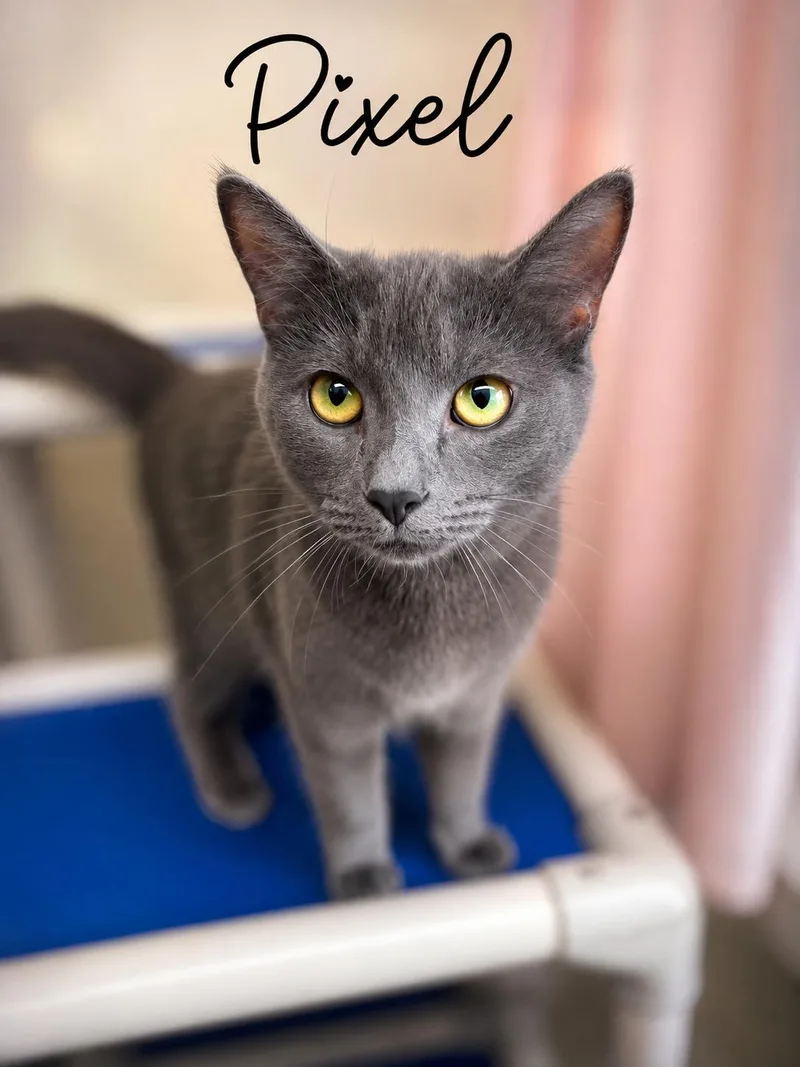
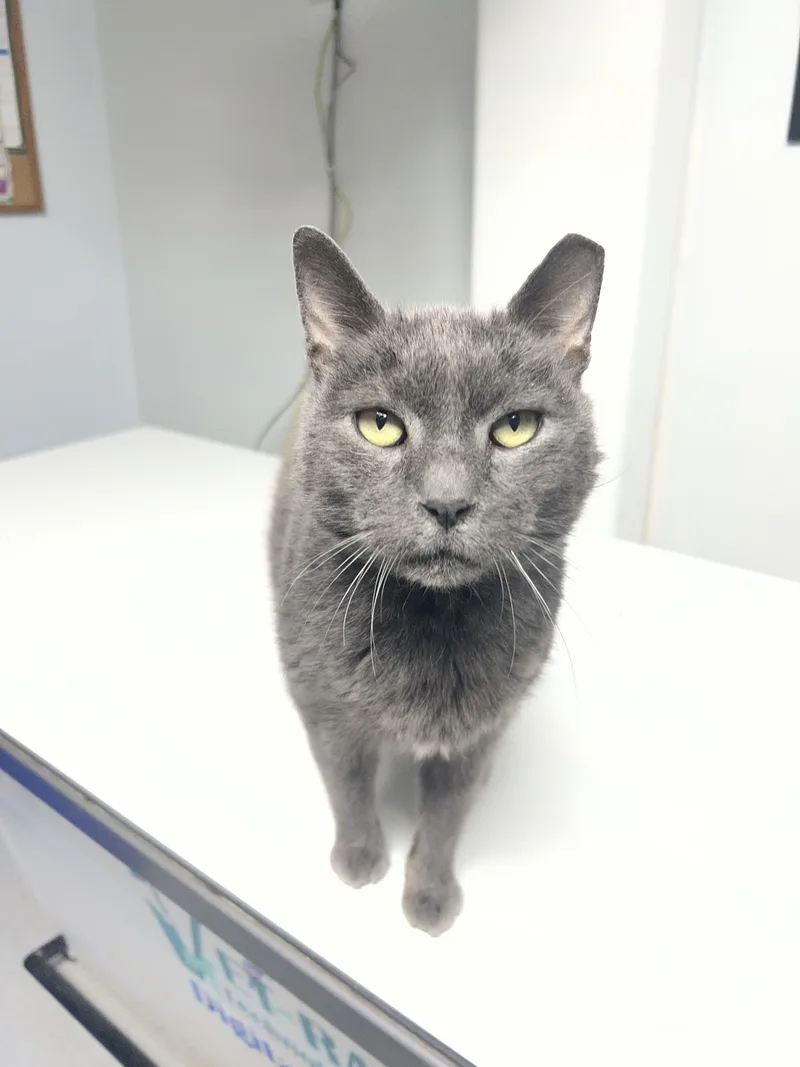
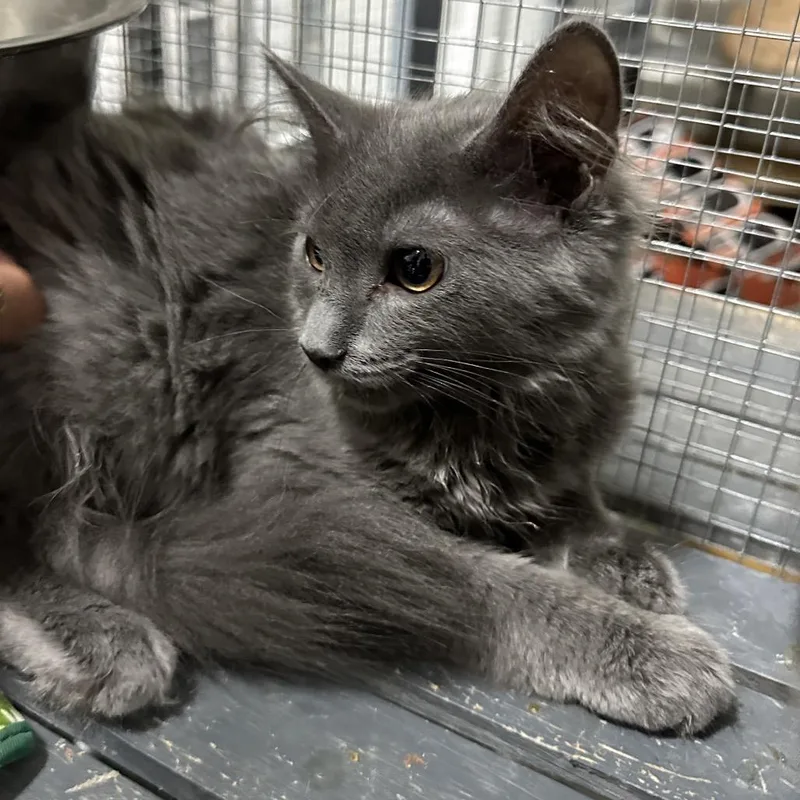
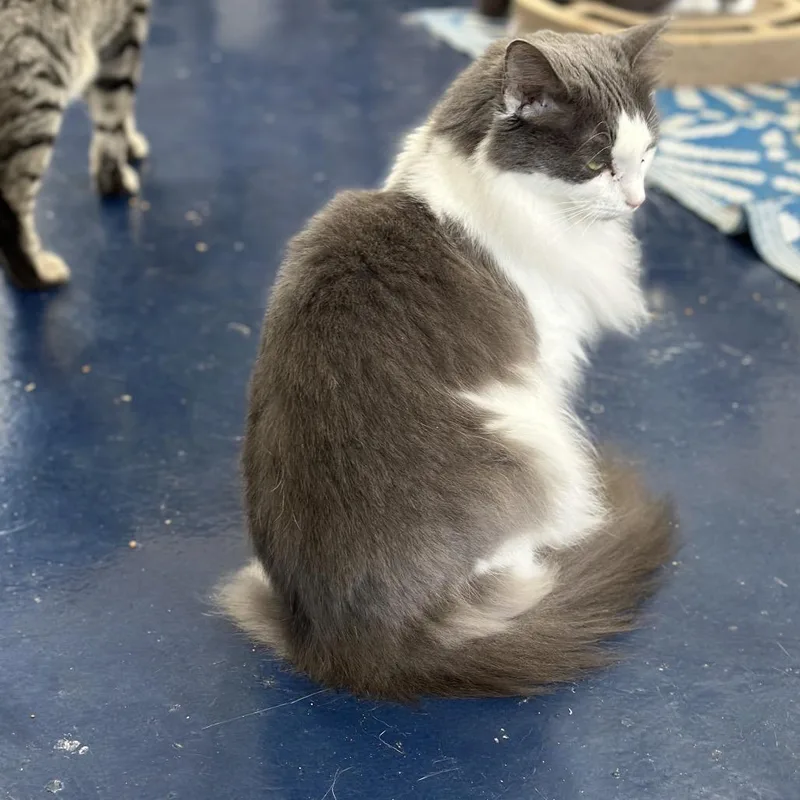
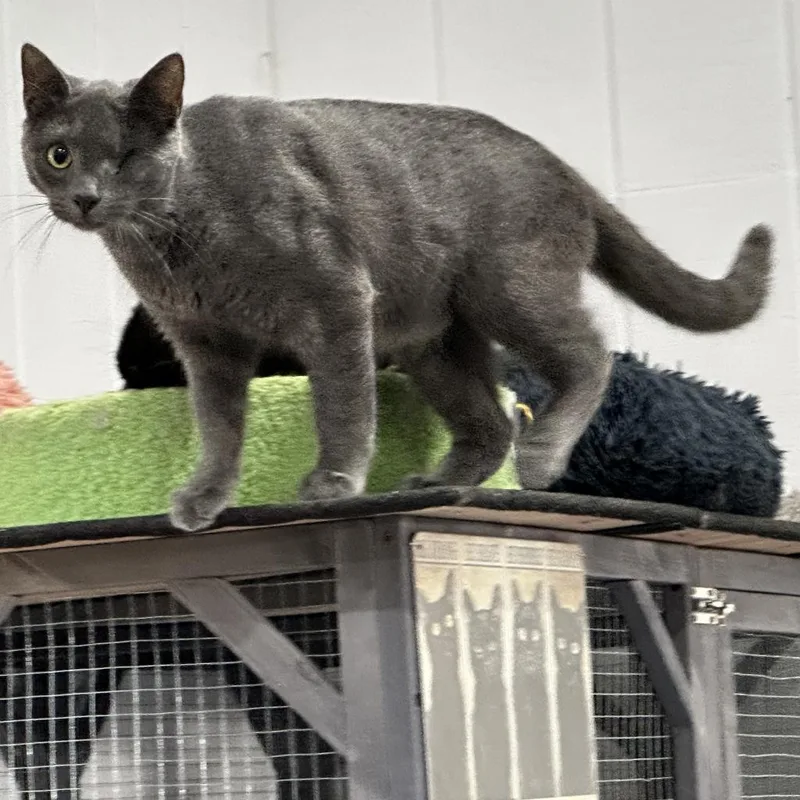
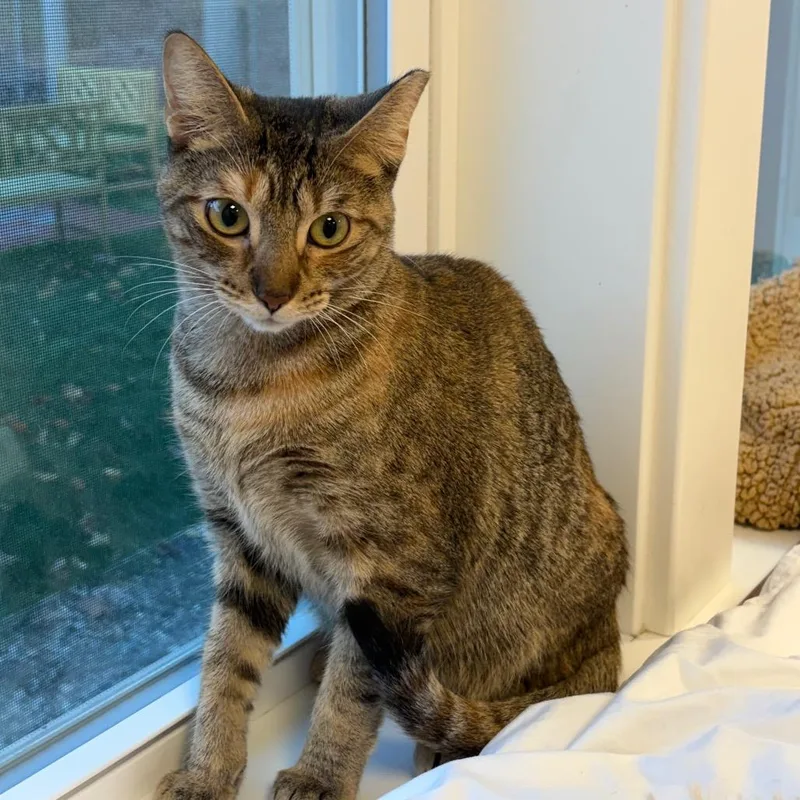
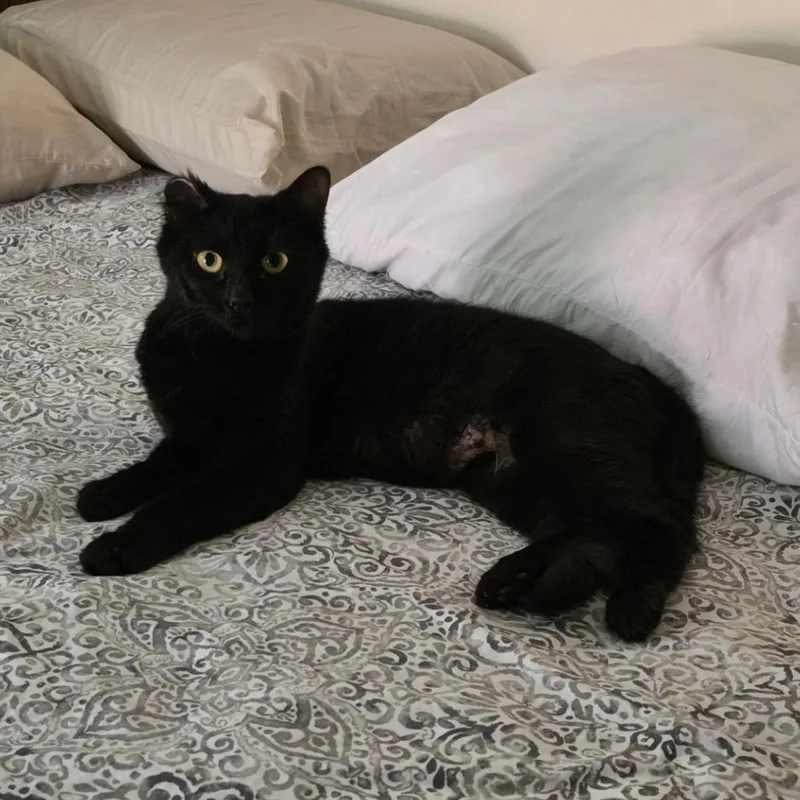
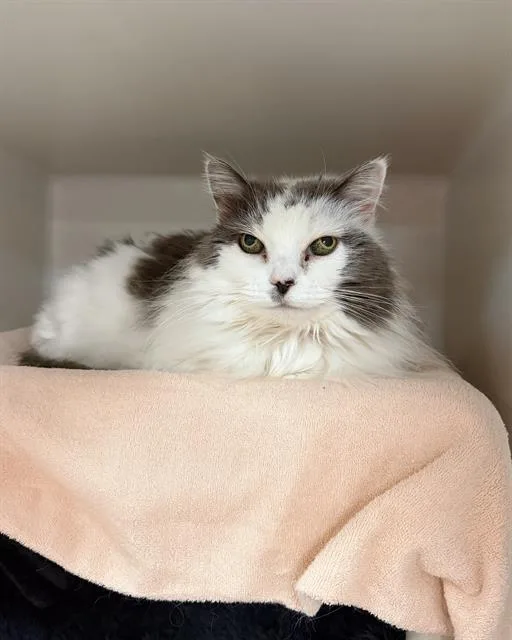
Russian Blue Cats for Adoption in Boston, MA

Your guide to finding and caring for a Russian Blue in Boston

Russian Blues tend to do well in the quiet corners of Boston's triple-deckers, especially in Jamaica Plain and Dorchester. They like routine and a good window to watch from, so a bay window over Centre Street or a perch above a Roslindale side street suits them. They're reserved with strangers, which helps in a building with footsteps on every stair. Most Russian Blues live happily indoors, and they'll want a play session when you get home from the T.

709 Russian Blues available in Boston and nationwide

Find your Russian Blue

While we don't have enough cats near Boston, keep in mind that many rescues may offer transport.

Russian Blues Available for Adoption Near Boston

About the Russian Blue breed

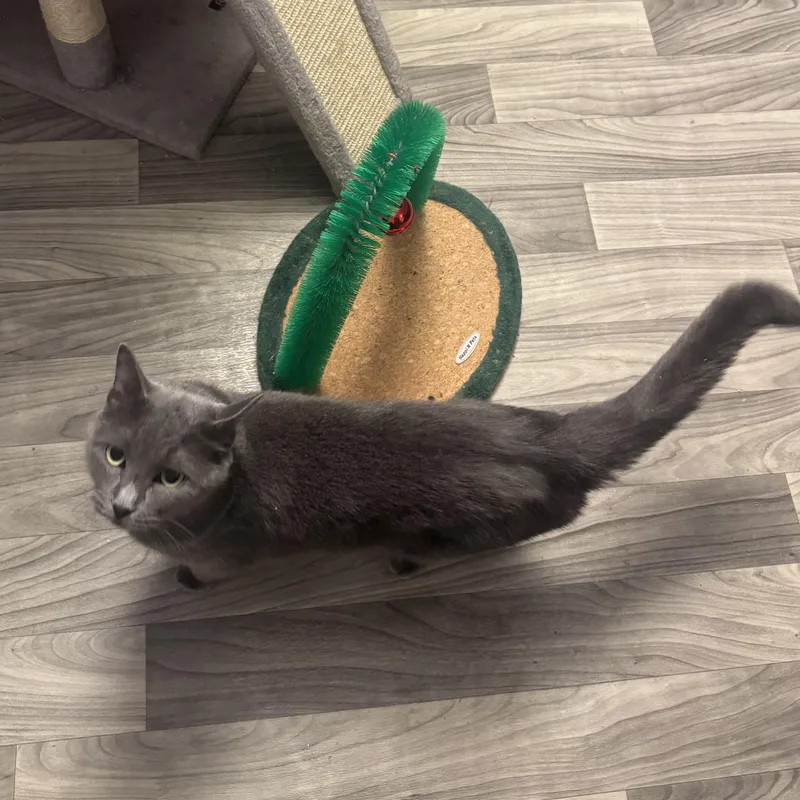
Russian Blues are slender, fine-boned shorthairs with a dense, plush double coat of even blue-grey, silver-tipped guard hairs and vivid green eyes. The breed is believed to come from the Archangel region of northern Russia, and sailors carried cats to Britain in the 1800s. Adult cats usually weigh 6 to 12 pounds and often live 12 to 16 years.

Many Russian Blues are gentle and quiet, devoted to their own people and watchful with newcomers. They like predictable days, notice shifts in mood, and enjoy games that use their quick minds. The short coat is easy to keep, but a hearty appetite means measured meals matter. Not every grey cat is a Russian Blue, and each cat's personality can differ from the breed's reputation.

Weight
6–12 lbs
Height
8–10 in
Lifespan
12–16 yrs
Temperament
Gentle, Quiet, Intelligent
Shedding
Low to Moderate

Owning a Russian Blue in Boston

Having a Russian Blue in Boston

Russian Blues combine a low-fuss coat with a sensitive, observant nature. Routine, noise level and how visitors are introduced often matter more than square footage, so these traits help you picture how a cat might settle into a Boston home.

Temperament

Gentle and loyal with family, Russian Blues often hang back with visitors. In a Boston building with neighbors, deliveries and street noise, many settle best with a predictable schedule, a hiding spot and slow introductions. Some adapt to a busier household than others, and each cat's history shapes how quickly it trusts.

Exercise Needs

Russian Blues are agile and playful, and long Boston winters mean most of their activity happens indoors. Plan two short sessions a day with wand toys, chase games or fetch, and add puzzle feeders. A cat tree beside a window gives them a lookout over the street, and steady play helps keep their weight in check.

Health Considerations

Russian Blues have no widely recognized breed-specific inherited disease, but they can face dental disease, bladder stones, kidney disease and heart conditions like any cat. Their big appetite makes obesity a common, preventable worry. A veterinarian can check weight, teeth and heart. Keep antifreeze and de-icing salt well away from your cat, since both are toxic.

Living Space

Russian Blues often suit Boston apartments, from South End brownstone flats to Seaport high-rises, because they value calm routines and cozy retreats over space. Provide a hiding spot, a window perch and a cat tree. Secure window screens matter in upper-floor units. A home without constant commotion tends to suit them best.

What it costs to own a Russian Blue in Boston

ExpenseTypical costPer year
Food$25 to $50 per month$300 to $600
Pet insurance$25 to $50 per month$300 to $600
Routine vet care$150 to $350 per year$150 to $350
Other*$450 to $1,150 per year$450 to $1,150
Estimated yearly total (after year one)$1,200 to $2,700

Other costs are estimates and vary with size, age and health.

* Litter, flea prevention, a dental cleaning allowance, toys, scratchers and other supplies, and minimal home grooming for the short coat.

Adopt a Russian Blue in Boston.

Now that you know more, let’s find you a new best friend. These rescues and shelters below have cats available in and near Boston.

Rescues and Shelters in or near Boston

The rescues and shelters below list adoptable cats in the Boston area, from city-run facilities to private nonprofits. Here are the rescues & shelters in the Boston area with cats available for adoption, worth asking whether a Russian Blue is coming in.

Frequently Asked Questions

Yes, you can adopt a Russian Blue in Boston, and no city or state rule targets the breed, since Massachusetts bars breed-specific regulation. Cats 6 months or older need a rabies vaccination. Boston also bans pet-shop sales of commercially bred cats, so adoption is the route. Availability changes, so watch the listings on this page or save a search.

Yes, a Russian Blue can live comfortably in a Boston apartment. These cats value calm and cozy retreats over space, and about 64% of Boston households rent, so many cats live in apartments. Provide a window perch, a hiding spot and daily play, and keep screens secure in upper floors. Check your lease for pet terms first.

A Russian Blue can fit Boston well if your household is fairly calm. They bond closely and dislike constant upheaval, so a triple-decker flat in Dorchester or a quiet Roslindale street can suit them. Busy, noisy shared houses may stress a shy cat. Each Russian Blue's temperament varies, so judge the cat in front of you.

Yes, a Russian Blue can ride the MBTA subway in a secure carrier. Small pets are allowed at all times, but keep the carrier on your lap if possible and away from the doors, especially at rush hour. Animals can't be out of the carrier or on seats, and staff may restrict access in crowded conditions.

Yes, Russian Blues handle Boston winters well as indoor cats, thanks to their plush double coat. Snow and freezing nights are mostly a concern for open windows and paw care. The City warns that road salt is toxic and can burn paws, so wipe feet and fur after any outing, and keep antifreeze away.

A Russian Blue needs little grooming in Boston: a weekly brushing, with a bit more during spring and fall shedding. Dry indoor heat in winter can make skin flaky, so keep water out and brush gently. Home grooming costs very little and sits within the Other line of the cost table, with litter and supplies.

Russian Blue cats are often gentle, quiet and deeply attached to their families, while staying reserved with strangers. Many like predictable routines, follow favorite people around and enjoy interactive games that test their intelligence. They tend to be sensitive to household mood and noise. Personality varies, so a foster's description of an individual cat is the best guide.

A Russian Blue is a medium-sized shorthaired cat with a dense, plush blue-grey coat tipped in silver, vivid green eyes and a slender, graceful build. The breed is thought to come from northern Russia. Many Russian Blues are quiet, intelligent and loyal to their people, though often shy around visitors until they feel comfortable.

No, Russian Blue cats are not hypoallergenic. They produce the Fel d 1 allergen like other cats, even though their dense coat may shed less noticeably than some breeds. Claims that they cause fewer allergy symptoms are anecdotal rather than proven. People with allergies should spend extended time with the specific cat before adopting.

Plan on roughly $1,200 to $2,700 a year for a Russian Blue in Boston. That covers food at $25 to $50 a month, insurance at $25 to $50 a month, routine vet care at $150 to $350 a year, and other costs at $450 to $1,150 a year. Adoption fees are listed separately.

Find Russian Blues in Nearby Cities

Expand your search to find Russian Blues available for adoption near Boston.

Explore Other Breeds in Boston

Looking for a different breed? Browse other cats available for adoption in Boston.