Tortoiseshell Cats for Adoption in New Orleans, LA

Your guide to finding and caring for a Tortoiseshell in NOLA

A tortoiseshell cat is an easy match for a New Orleans shotgun double, where a front window and a straight run of rooms give a cat plenty to watch and chase. Torties come in every personality, so a shy one might settle into a Freret rental while a bold one takes over a Bywater cottage. Keep the cat indoors, since coyotes have turned up in neighborhoods from Lakeview to the Irish Channel, and keep a carrier handy for hurricane season.

1058 Tortoiseshells available in New Orleans and nationwide

Your Tortoiseshell is waiting

Tortoiseshells Available for Adoption Near New Orleans

About the Tortoiseshell breed

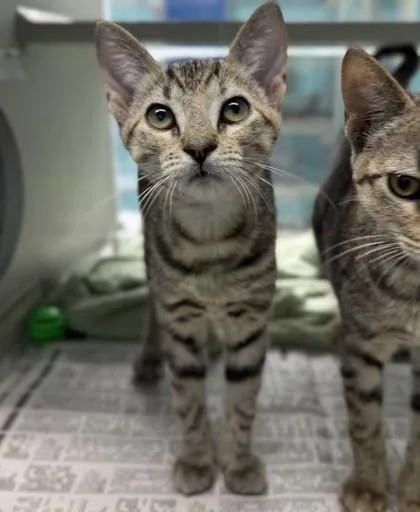
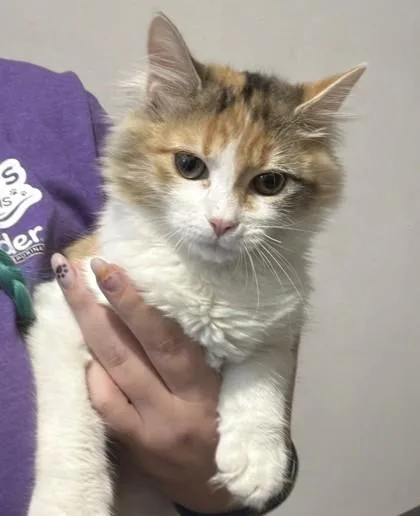
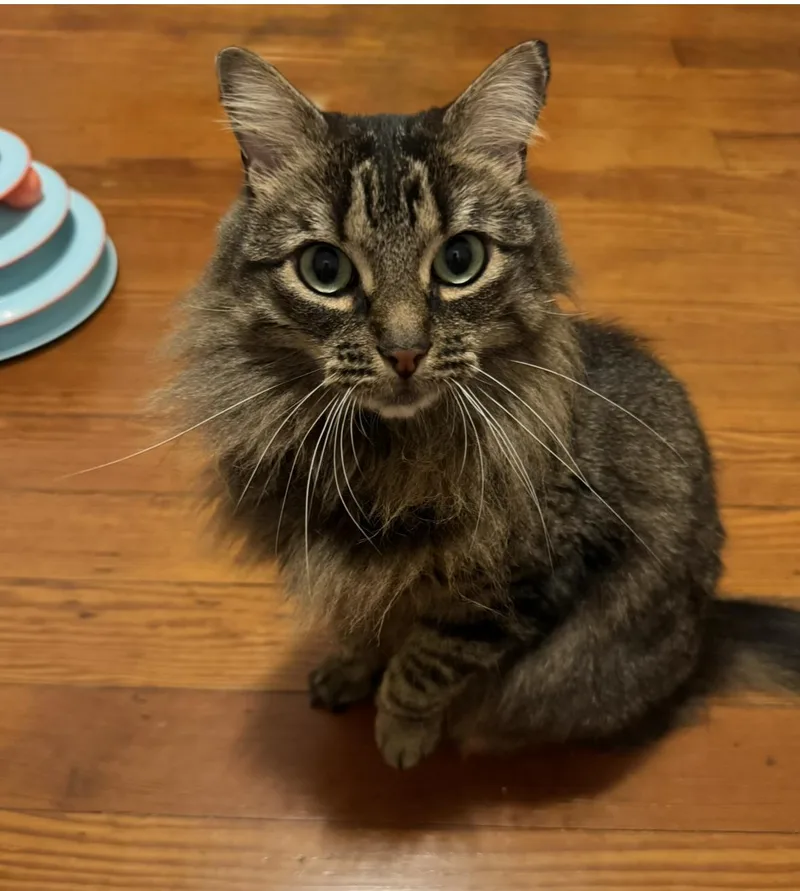
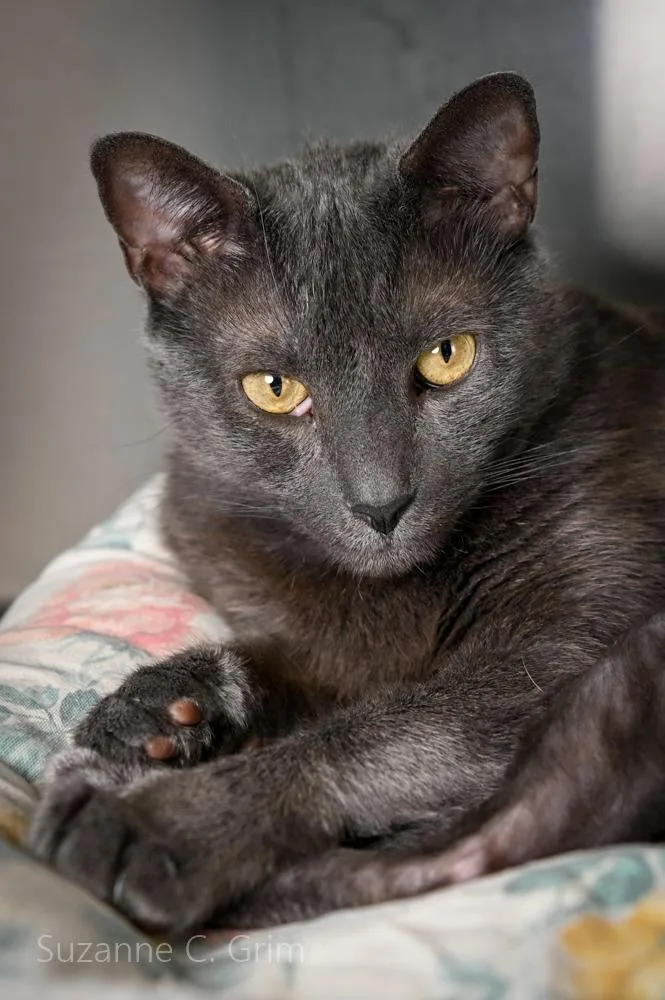
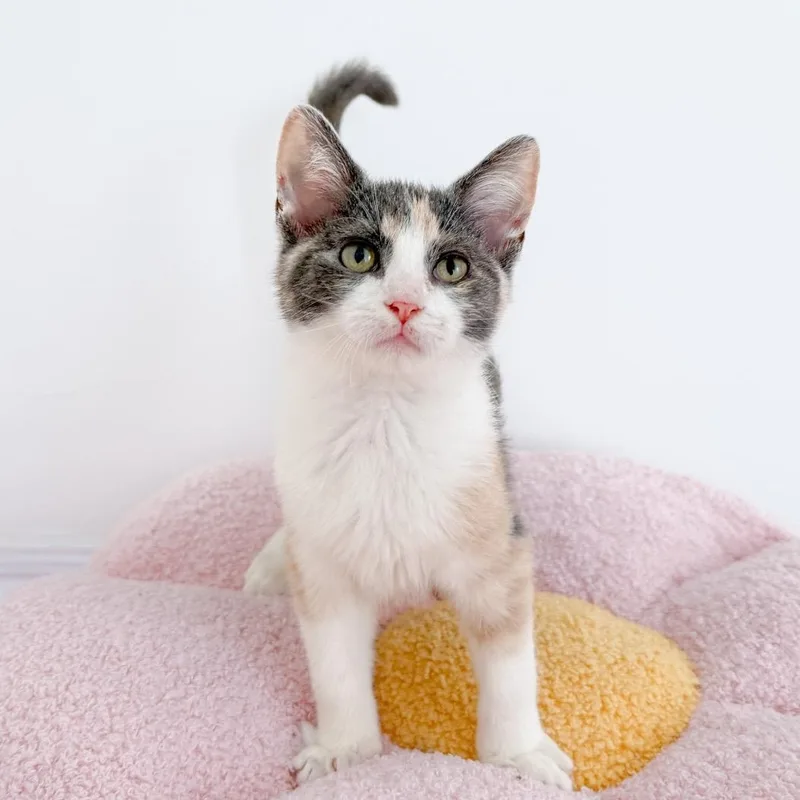
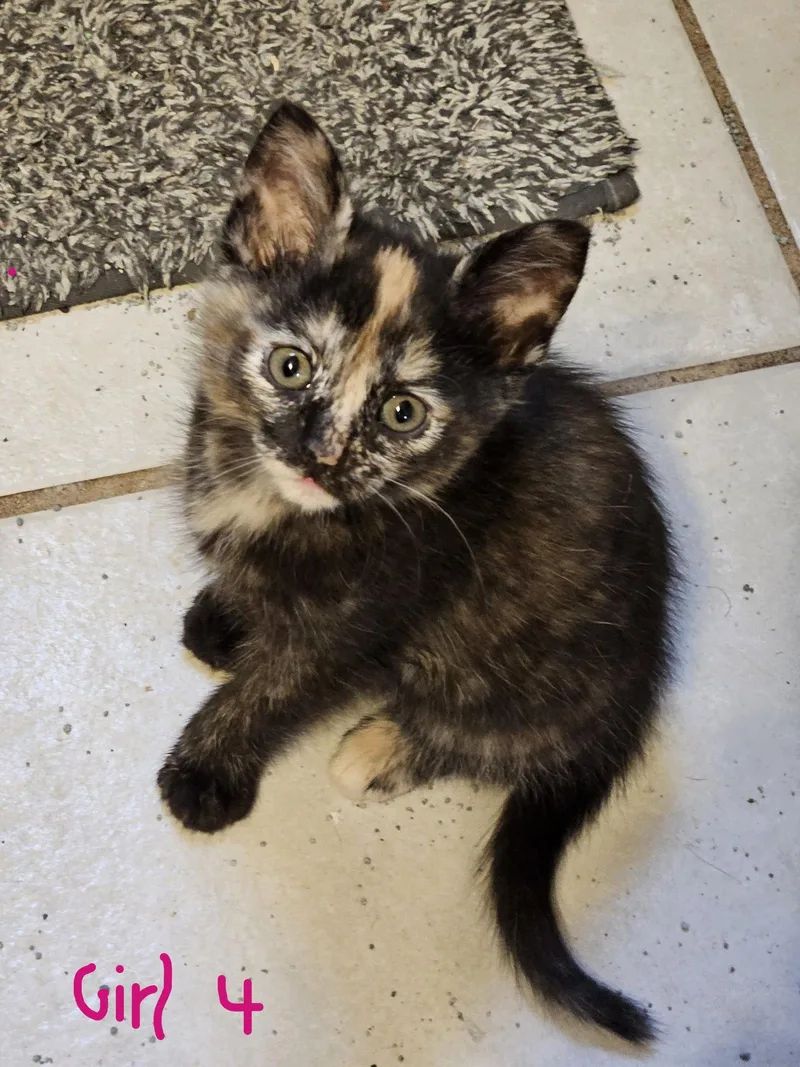
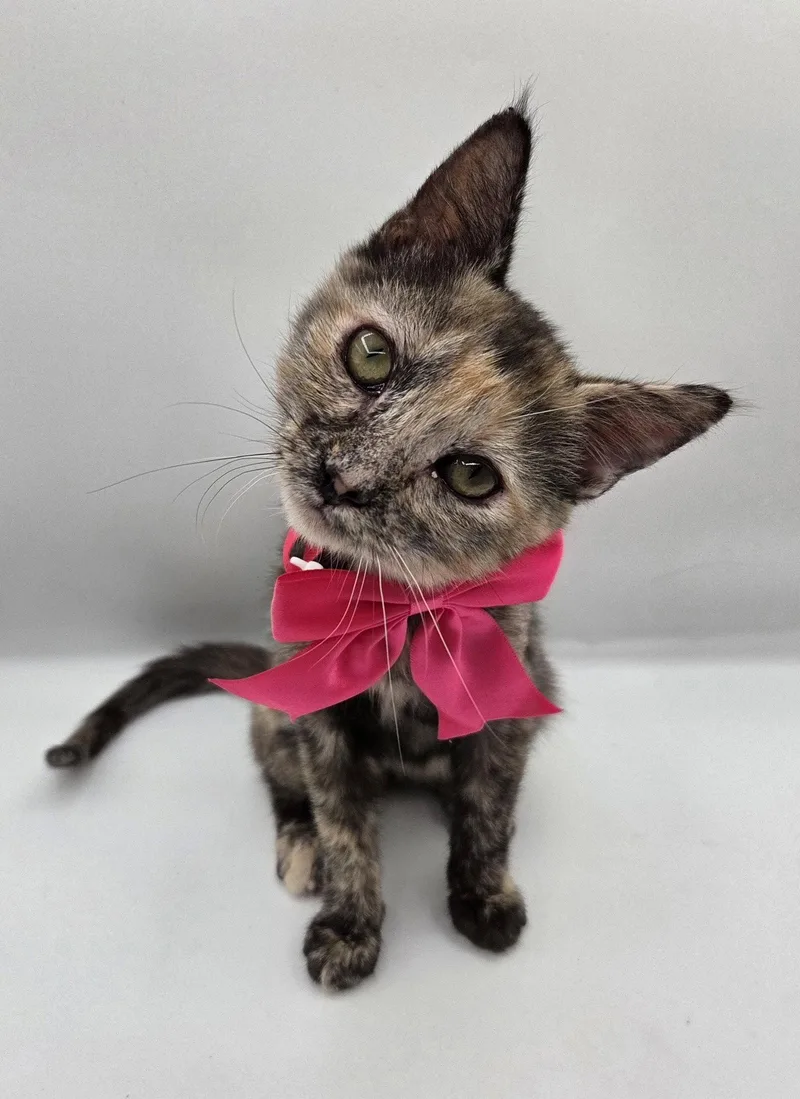
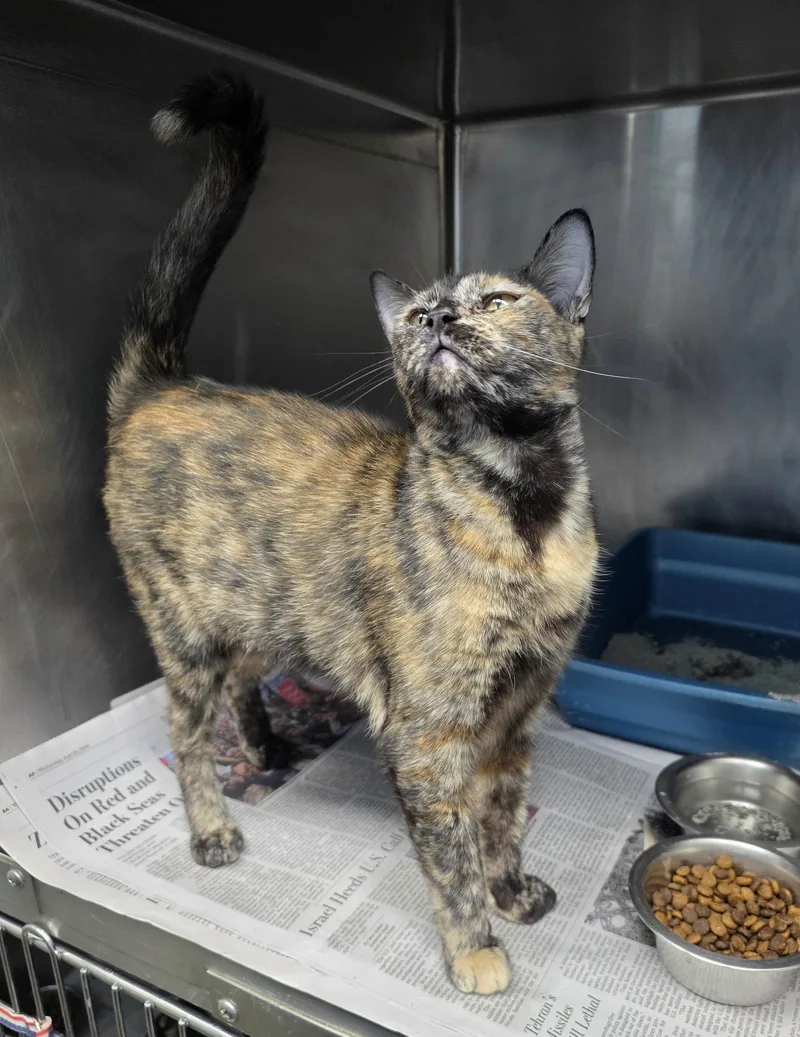
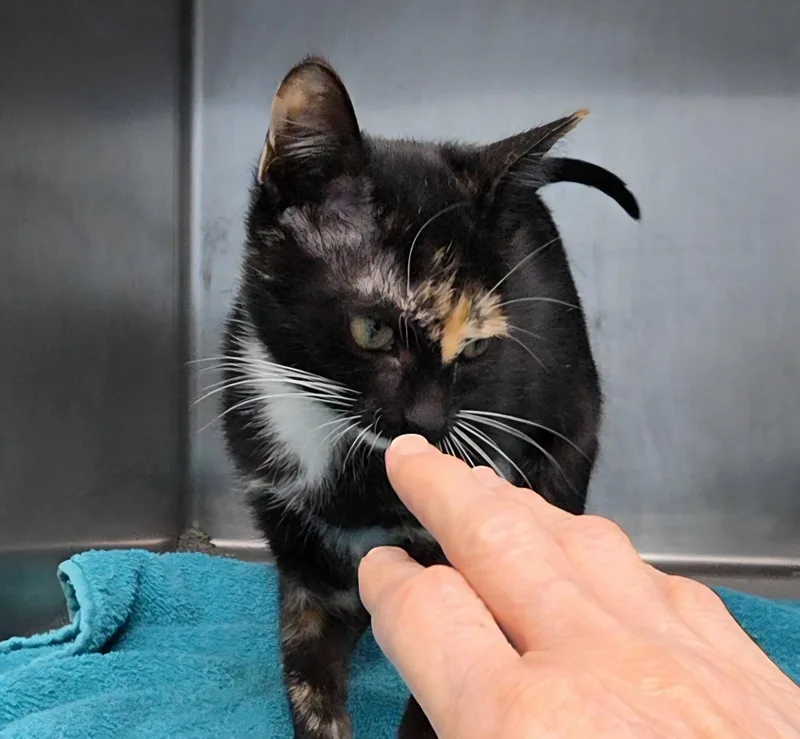
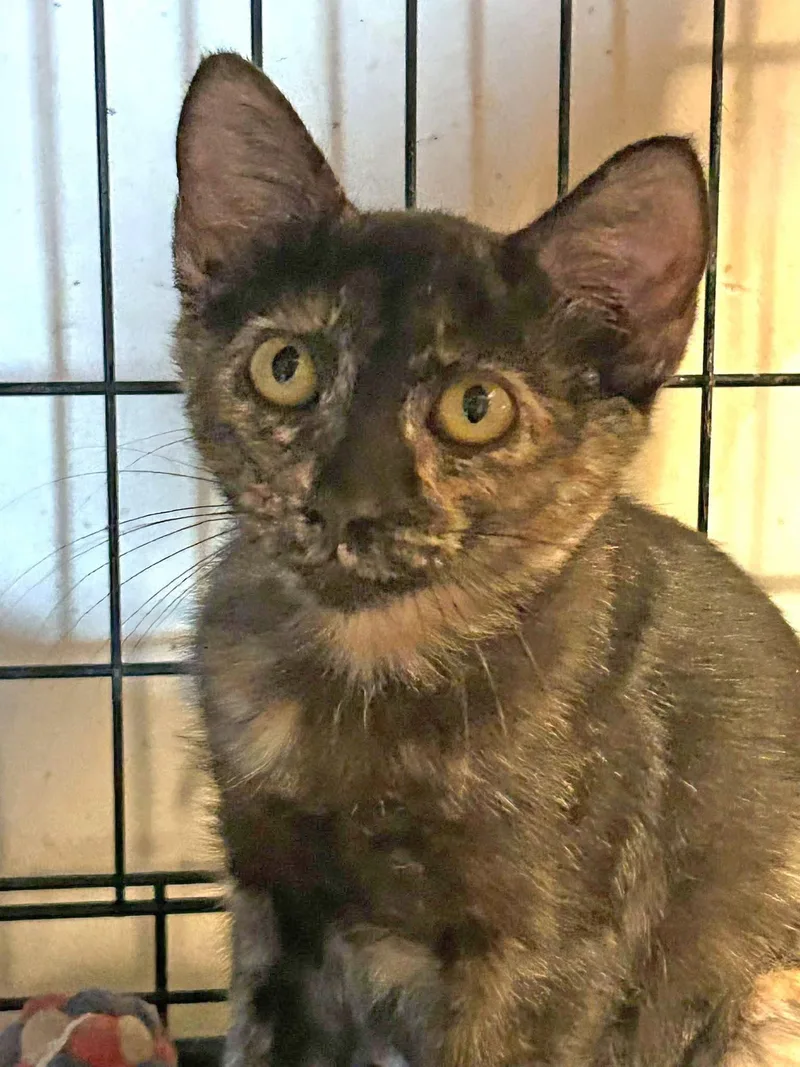
Tortoiseshell is a coat pattern, not a breed. The black-based and orange-based patches show up mostly on domestic shorthairs, though plenty of purebred cats carry the pattern too. Nearly all torties are female, and the coat usually has little or no white, which is what separates a tortie from a calico. Dilute torties look softer, in gray and cream.

Because color says little about personality, a tortie in New Orleans may turn out to be a lap cat or a loner. Most weigh 6 to 14 pounds and live 12 to 18 years, with moderate shedding that a weekly brushing keeps in check. Plan for a long commitment, including a hurricane plan that has a spot for the cat.

Weight
6–14 lbs
Height
8–10 in
Lifespan
12–18 yrs
Temperament
Independent, Affectionate, Playful
Shedding
Moderate

Owning a Tortoiseshell in New Orleans

Having a Tortoiseshell in NOLA

Tortoiseshell describes a coat, so these cards cover what holds for most torties, usually domestic shorthairs. In New Orleans, the bigger questions are heat, hurricane season and keeping a cat safely indoors in a city with coyotes.

Temperament

Torties have a reputation for spirited attitude, but that comes mostly from owner impressions, and the evidence is limited. Some are cuddly, some aloof. In a lively city like New Orleans, with parade crowds and the occasional illegal fireworks, a cat that startles easily may want a quiet room, while a bold one may enjoy the window view.

Exercise Needs

Plan on daily interactive play, with wand toys, chase games and puzzle feeders, since most torties will live indoors in New Orleans. A window perch or cat tree gives a view of the street. Indoor play matters most from May through September, when heat and afternoon storms keep everyone inside. Young cats usually need more, while seniors prefer shorter sessions.

Health Considerations

The tortoiseshell coat carries no particular health risks for females, so a tortie's health depends on age and care. In New Orleans, ask a veterinarian about year-round flea and heartworm prevention, since the climate is warm and mosquitoes are common. Keep up dental care, a healthy weight and a current microchip registration.

Living Space

Torties do fine in a shotgun double, a Garden District apartment or a bungalow in Gentilly, since space needs depend on the cat rather than the coat. Yards in New Orleans are often small or shared, which suits an indoor cat. Add a cat tree, scratching posts and a window perch, and check screens before opening windows.

What it costs to own a Tortoiseshell in New Orleans

ExpenseTypical costPer year
Adoption fee$50, one time$50 in year one
Food$25 to $50 per month$300 to $600
Pet insurance$20 to $45 per month$240 to $540
Routine vet care$150 to $350 per year$150 to $350
Other*$450 to $1,150 per year$450 to $1,150
Estimated yearly total (after year one)$1,140 to $2,640
First-year total (with adoption fee)$1,190 to $2,690

Adoption fee is the fee on Tortoiseshell listings in New Orleans on GetBuddy today. Other costs are estimates and vary with size, age and health.

* Litter, flea and heartworm prevention, a dental cleaning allowance, toys and supplies, and home grooming.

Adopt a Tortoiseshell in New Orleans.

Now that you know more, let’s find you a new best friend. These rescues and shelters below currently have Tortoiseshells available.

Frequently Asked Questions

Yes, a tortoiseshell is just a coat pattern, and New Orleans has no known breed rules that affect cats. Expect to vaccinate for rabies and license the cat each year, then plan for indoor living. Watch the listings on this page, and save a search to hear when new tortoiseshells appear.

Yes, if they live indoors with air conditioning or strong airflow. NOLA summers bring highs near 90 and lows in the upper 70s, and heat matters far more than coat color. Offer several water bowls, shade sunny windows and watch for heavy panting. Plan a cool room and a carrier for power outages.

Only in a carrier. RTA buses and streetcars allow pets that travel in a small container that fits on the rider's lap, and service animals are also allowed. A cat near 14 pounds may be a tight fit, so measure the carrier first. New Orleans has streetcars rather than a subway.

Yes, tortoiseshell cats do well in apartments, since space needs depend on the cat's age and personality rather than coat. NOLA rentals range from shotgun doubles to converted warehouse condos in the CBD. Add vertical space with a cat tree, and offer a quiet room if the street, bar or parade noise bothers the cat.

Not much. Most tortoiseshells are shorthairs, and brushing once or twice a week handles moderate shedding. A longhaired tortie needs brushing more often. Don't shave a cat to cope with the heat; air conditioning, shade and fresh water work better. Home grooming is already counted in the Other costs, so a professional groomer is rarely needed.

Often, if you want an indoor companion and will plan for the climate. A tortie's personality varies, so judge the cat itself rather than the coat. In NOLA, that means keeping the cat inside because of coyotes, cooling the home through long summers and having a carrier, records and microchip ready for hurricane season.

A tortoiseshell cat is a cat with a coat pattern of black-based and orange-based colors blended or patched together, usually with little or no white. It is not a breed; the pattern appears in many breeds and most often in domestic shorthairs. Nearly all tortoiseshells are female because the genes for orange and black are carried on the X chromosome.

Almost all tortoiseshell cats are female, but not all. A female has two X chromosomes and can carry both orange and black color genes, producing the mixed coat. Males normally have only one X. Rare male torties usually have an extra X chromosome or are genetic chimeras, and they are estimated at roughly 1 in 3,000 tortoiseshells.

We have 1 rescue with Tortoiseshells available: Advocate & Rescue-Sue's Mews & Operation Save the Whodatt Fur Babies. You can see every rescue with Tortoiseshells available in the list above these questions, or scroll to the top to see the Tortoiseshells near New Orleans.

Budget roughly $25 to $50 a month for food, $20 to $45 a month for insurance, $150 to $350 a year for routine vet care and $450 to $1,150 a year for other costs such as litter and prevention. That works out to about $1,140 to $2,640 a year, before any emergency or illness.