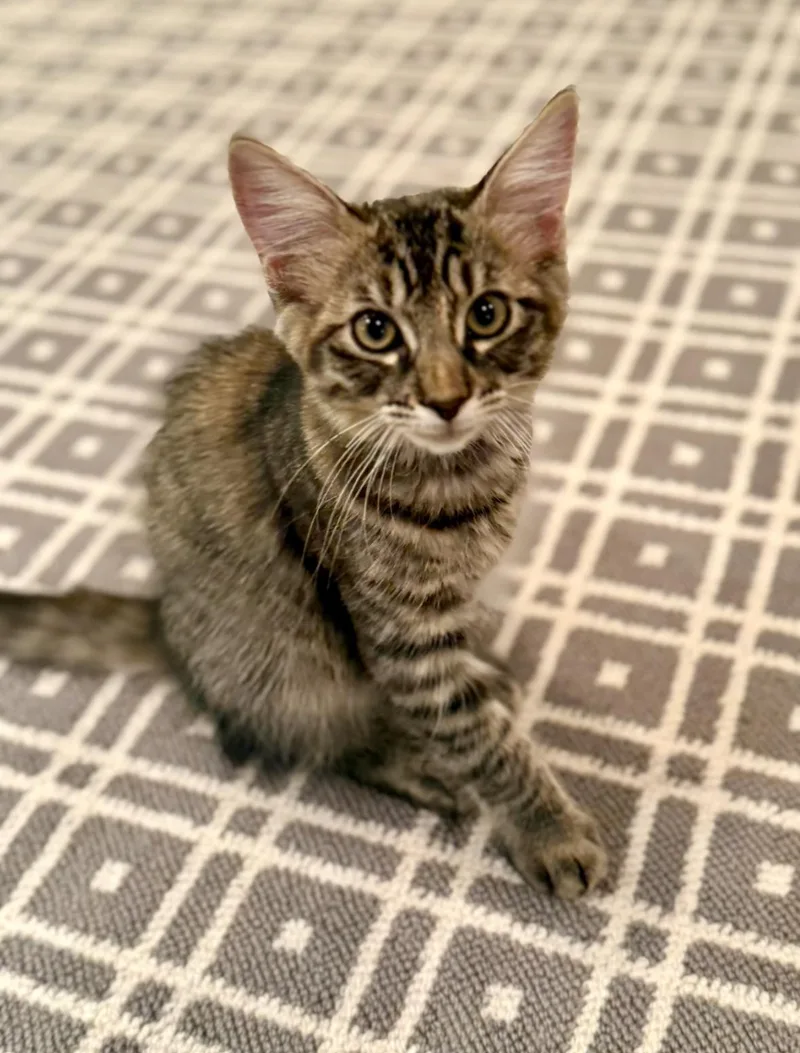
Tabby Cats for Adoption in New Orleans, LA

Your guide to finding and caring for a Tabby in NOLA

A tabby fits easily into a Mid-City or Bywater shotgun double, where a front window makes a good lookout. Tabby is a coat pattern rather than a breed, so these cats range from lap sitters to busy climbers. Most are happy in a rented double with a few perches and a scratching post. Keep a tabby indoors, though. Coyotes have turned up in Gentilly and Lakeview, and a cat out after dark is at risk.

31 Tabbies available for adoption in New Orleans

Find your Tabby

Tabbies Available for Adoption in New Orleans

About the Tabby breed

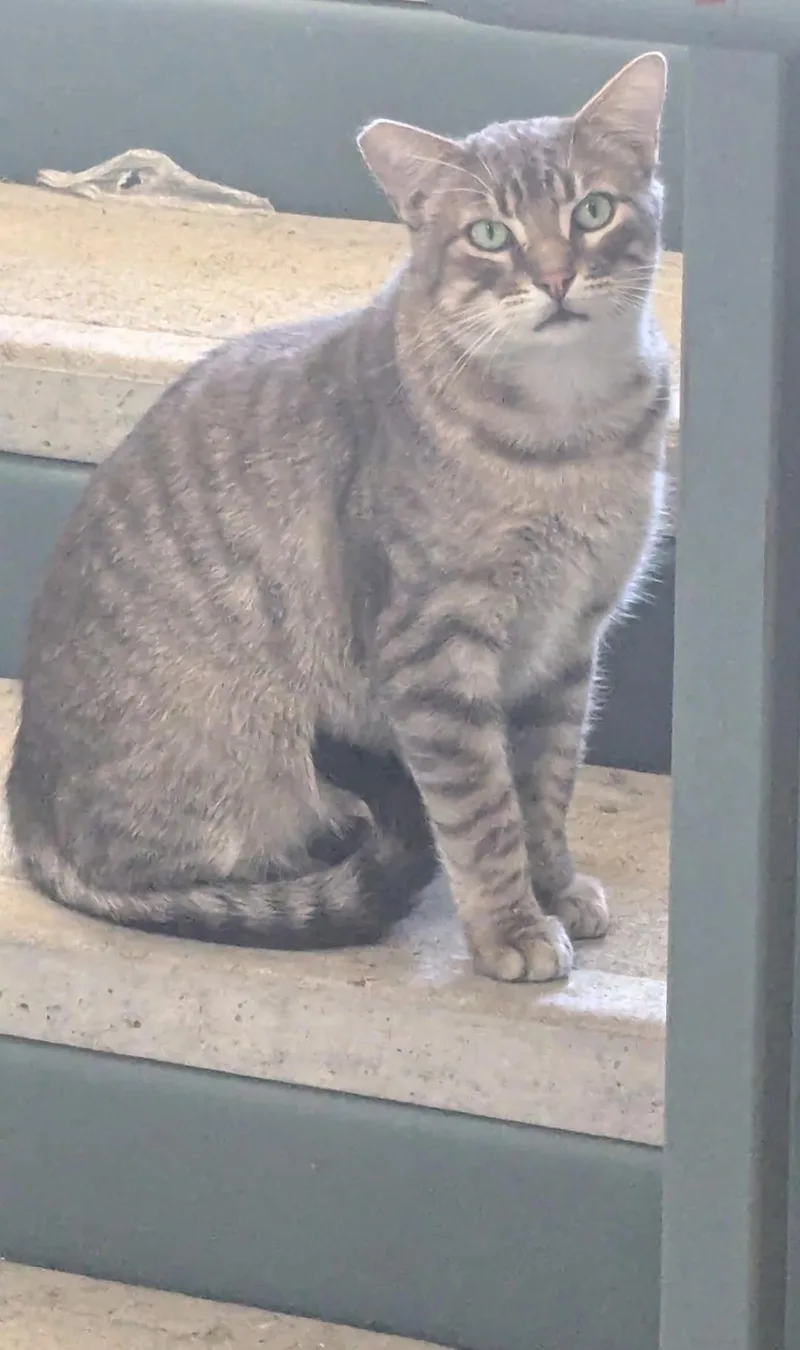
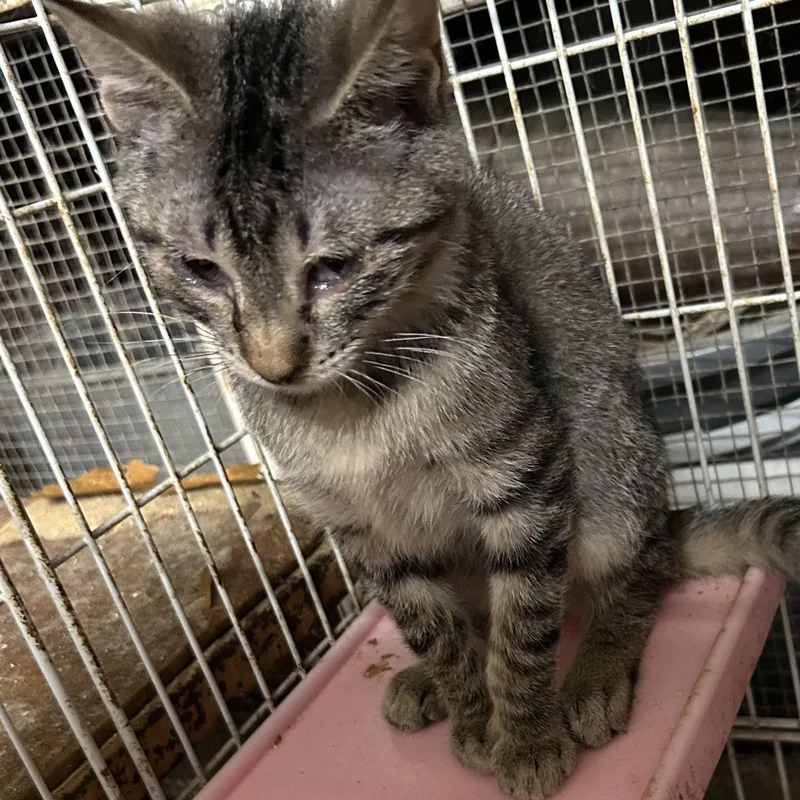
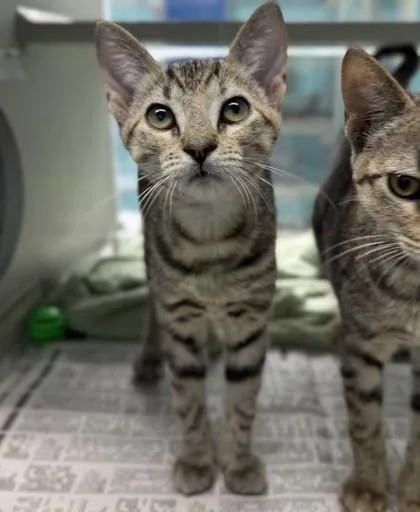
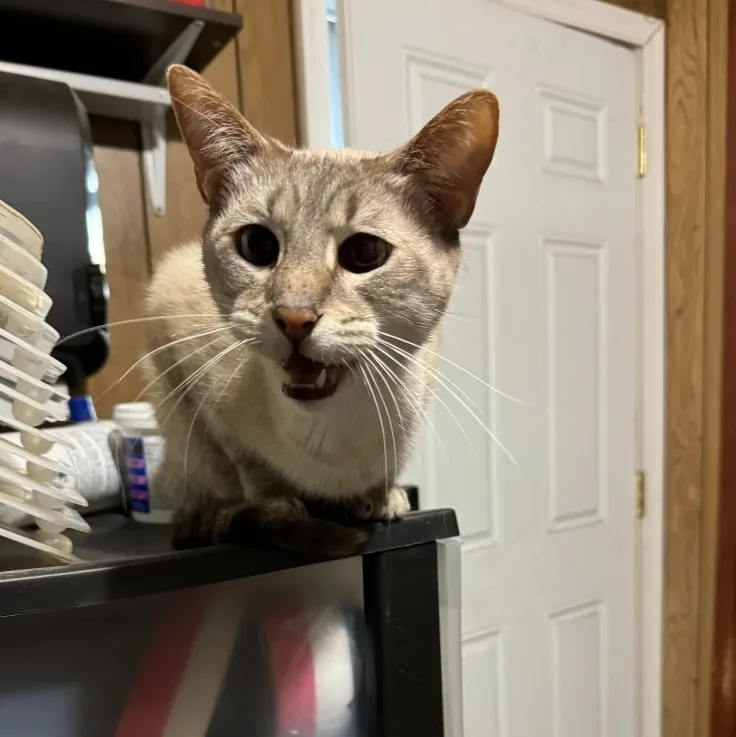
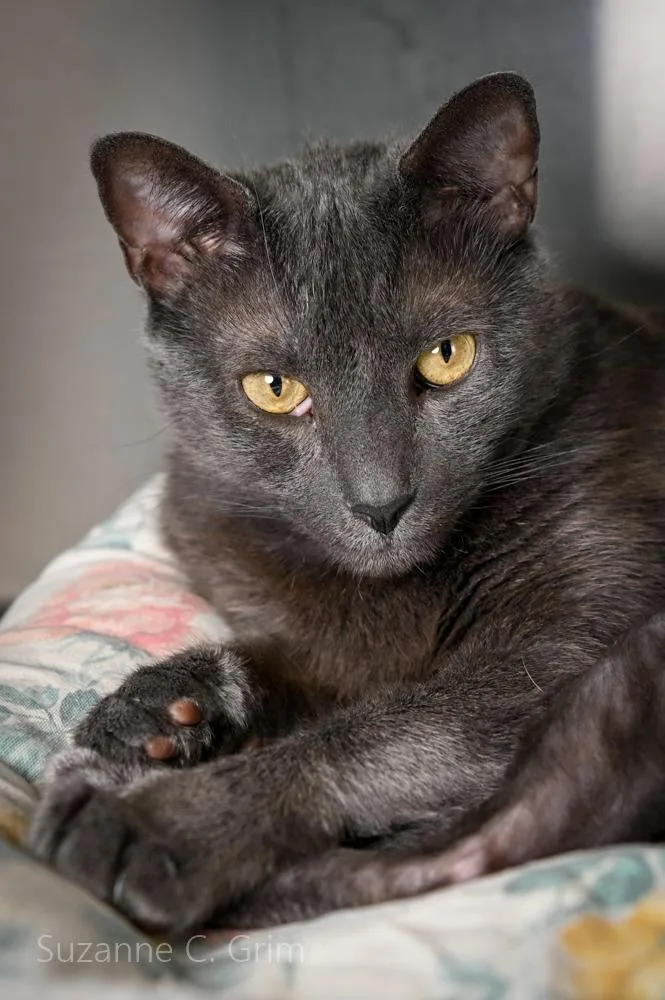
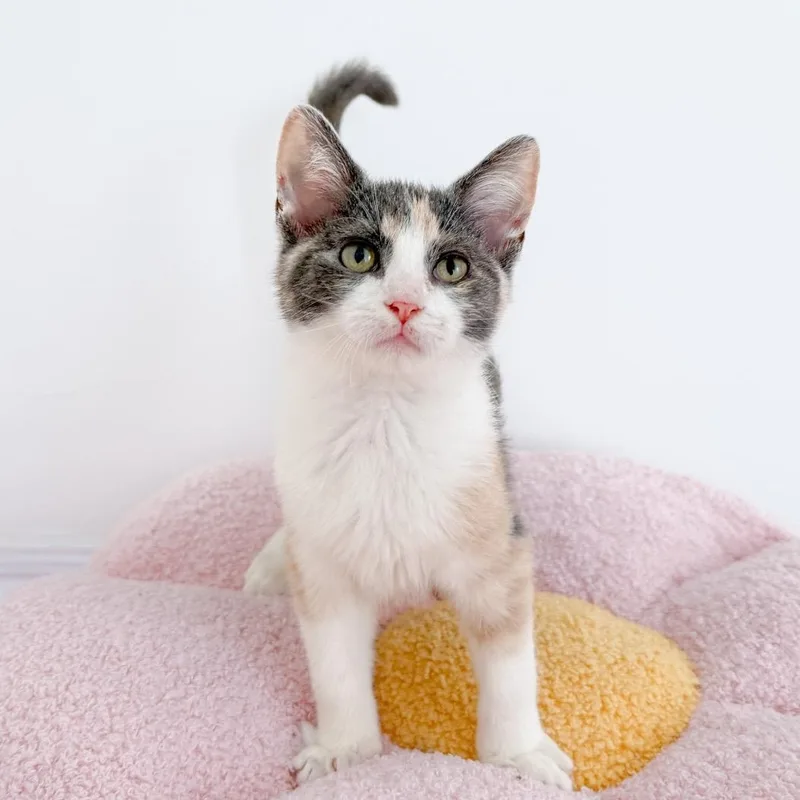
Tabby isn't a breed. It's a coat pattern: an M-shaped mark on the forehead, plus stripes, swirls, spots or ticked hairs. The four main patterns are mackerel, classic, spotted and ticked, and the colors include brown, orange, gray, silver and cream. Most adoptable tabbies are medium-sized domestic shorthairs weighing about 6 to 14 pounds, and many live 12 to 18 years.

Because the pattern shows up in so many cats, there's no single tabby personality. Temperament comes from genetics, upbringing and past experiences, not stripes, so meeting the cat matters more than the coat. In New Orleans, that means noticing how a cat handles thunderstorms, parade-season noise and a warm, humid home. Short coats need little grooming, while long-haired tabbies need more.

Weight
6–14 lbs
Height
8–10 in
Lifespan
12–18 yrs
Temperament
Curious, Adaptable, Affectionate
Shedding
Moderate

Owning a Tabby in New Orleans

Having a Tabby in NOLA

Tabby describes a coat pattern found in many breeds and mixes, so a cat's traits come from its own energy, health history and coat length rather than its stripes. In NOLA, heat, storms and small rentals shape day-to-day care.

Temperament

The tabby pattern doesn't predict personality, so expect everything from outgoing to shy. In New Orleans, how a cat copes with thunderstorms, Carnival noise and fireworks around July 4 and New Year's matters. Watch whether the cat startles easily, and give any cat a quiet room to retreat to.

Exercise Needs

Tabbies need daily play that mimics hunting: wand toys, chasing and pouncing, plus climbing spaces and window perches. With sticky New Orleans summers, indoor play is the easy route, and a cat tree by a window gives a cat something to watch. Kittens want several short sessions a day, while older cats prefer gentler games.

Health Considerations

Coat pattern has no known effect on health, so risks follow a cat's mix, age and lifestyle. Obesity, dental disease and urinary problems are common, and older cats may develop kidney disease or hyperthyroidism. In New Orleans' warm, humid climate, a veterinarian can advise on year-round flea and heartworm prevention for cats.

Living Space

Tabbies adapt to apartments and houses alike when they have places to climb, scratch, hide and look outside. Many New Orleans homes are shotgun doubles and cottages, which suit a cat with a window perch and a cat tree. Add a quiet retreat and more than one litter box in busy households.

What it costs to own a Tabby in New Orleans

ExpenseTypical costPer year
Adoption fee$20 to $50, one time$20 to $50 in year one
Food$25 to $50 per month$300 to $600
Pet insurance$20 to $45 per month$240 to $540
Routine vet care$150 to $350 per year$150 to $350
Other*$460 to $1,160 per year$460 to $1,160
Estimated yearly total (after year one)$1,150 to $2,650
First-year total (with adoption fee)$1,170 to $2,700

Adoption fee is the range of fees on Tabby listings in New Orleans on GetBuddy today. Other costs are estimates and vary with size, age and health.

* Litter, the $10 City license, flea and heartworm prevention, a dental cleaning allowance, toys, scratchers and bedding, and occasional grooming.

Adopt a Tabby in New Orleans.

Now that you know more, let’s find you a new best friend. These rescues and shelters below currently have Tabbies available.

Frequently Asked Questions

Yes. New Orleans has no known breed rules, and tabby is a coat pattern anyway. No household pet limit is known either, so the main questions are your lease and your readiness. Renew the City license tag each year, and keep the cat's microchip registration current so a lost cat can be traced home after a storm.

Yes. Tabbies generally do well in apartments, and a cat needs far less room than a dog. In a busy spot like the French Quarter or a CBD condo, offer a quiet hideaway away from street noise. On upper floors, keep window screens secure so a curious cat can't fall.

Usually, yes, especially an adult with a short coat that's comfortable with noise and visitors. Hurricane season can mean leaving on short notice, so a cat that rides calmly in a carrier is a real asset. Kittens and shy cats can do well too, but they may need more time to settle.

Yes, as indoor cats. Ninety-degree days start in May and last through September, with roughly 85 to over 100 a year depending on the neighborhood. Tabbies need working air conditioning, shade and fresh water. After storms, power can go out, so have a cool room, extra water and a plan for the cat.

Yes, if the cat travels in a carrier. RTA buses and streetcars allow pets only in a small carrier that fits on your lap, so choose one a 14-pound tabby can still fit in comfortably. Service animals are exempt. New Orleans has streetcars rather than a subway.

Most tabbies have short coats and need a brush once or twice a week, more during seasonal shedding. Long-haired tabbies need near-daily brushing to prevent mats in the humid weather. Brush rather than shave a long coat in summer heat. Occasional professional grooming falls within the Other cost line, at most about $50 a year.

A tabby cat is any cat with a tabby coat pattern, meaning stripes, swirls, spots or ticked hairs plus a distinctive M-shaped marking on the forehead. Tabby is not a breed. The pattern appears in domestic shorthairs and longhairs as well as many pedigreed breeds, such as the American Shorthair, Maine Coon and Abyssinian, and it is one of the most common cat patterns.

A tabby cat isn't any one breed, because tabby is a coat pattern. Cats with the pattern include shelter domestic shorthairs and longhairs as well as breeds such as the American Shorthair, Maine Coon, Bengal and Abyssinian. Most tabbies available for adoption are mixed-breed domestic cats, so browse the cats listed here and look at each one's age and personality.

We have 3 rescues with Tabbies available: Advocate & Rescue-Sue's Mews & Operation Save the Whodatt Fur Babies, Tomato Foster Club and Companion Pet Adoption. You can see every rescue with Tabbies available in the list above these questions, or scroll to the top to see the Tabbies in New Orleans.

Expect roughly $1,150 to $2,650 a year for a tabby in NOLA. Food runs $25 to $50 a month, insurance $20 to $45 and routine vet care $150 to $350 a year. Other costs, including litter, flea prevention, dental care, supplies and the City license, add $460 to $1,160 a year. Illness and emergencies are extra.