Russian Blue Cats for Adoption in New Orleans, LA

Your guide to finding and caring for a Russian Blue in NOLA

A Russian Blue fits well in a quiet shotgun double in Mid-City or Bywater, where a front-room window gives a watchful cat plenty to study. They're reserved with strangers and like a steady routine, so a calm household beats a crowded one near Frenchmen Street. Most learn your schedule quickly and wait by the door when you get home. Carnival takes a little planning, since parade noise can rattle a sensitive cat, but a back bedroom with the door closed usually does the trick.

717 Russian Blues available in New Orleans and nationwide

Find your Russian Blue

Russian Blues Available for Adoption Near New Orleans

About the Russian Blue breed

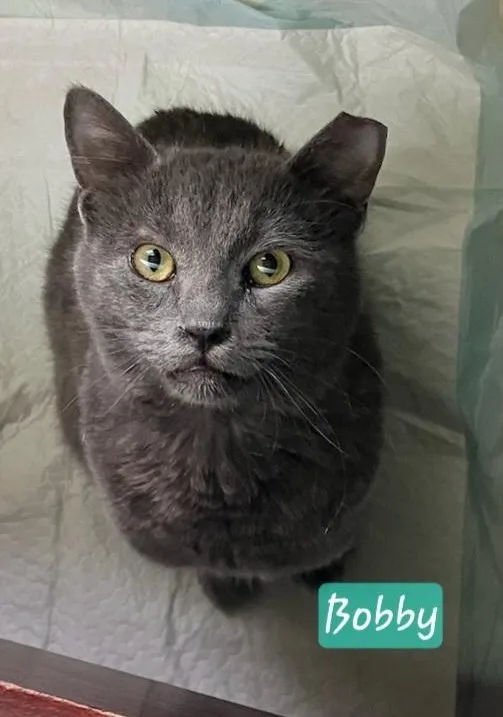
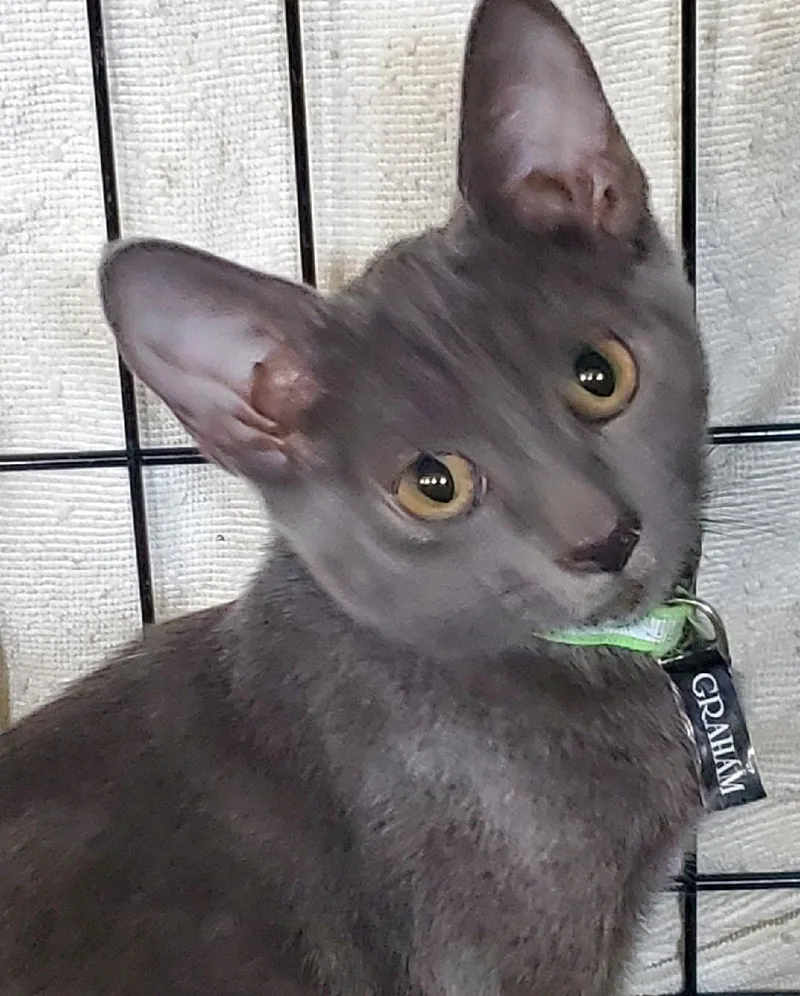
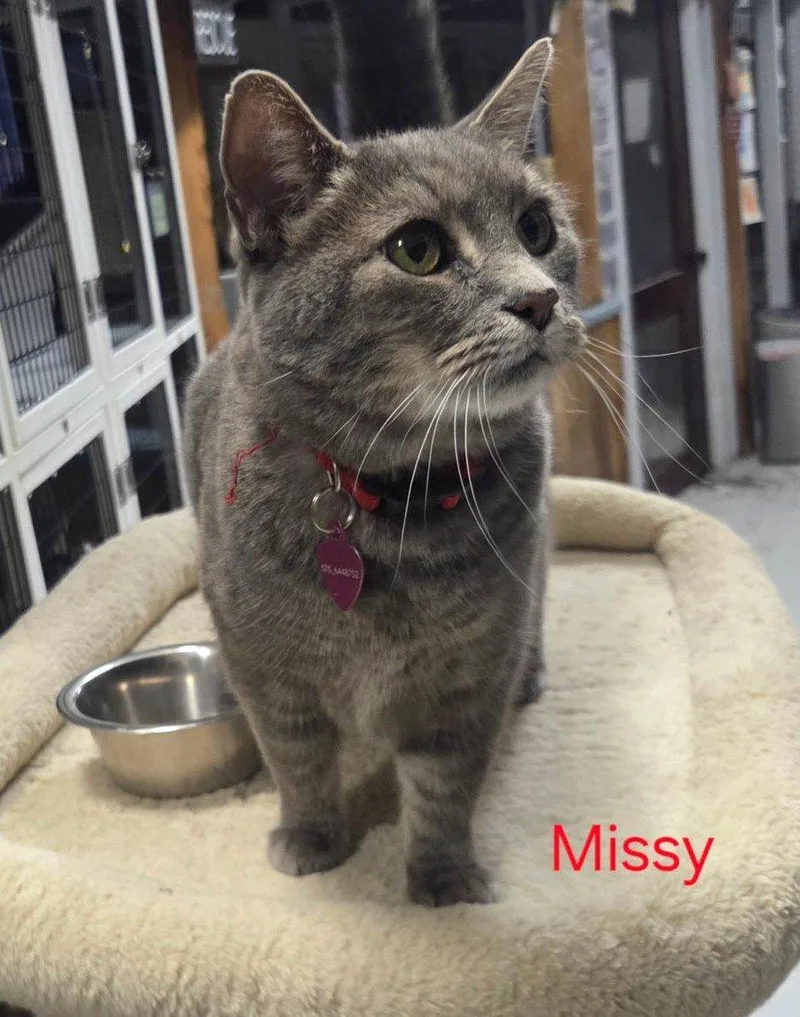
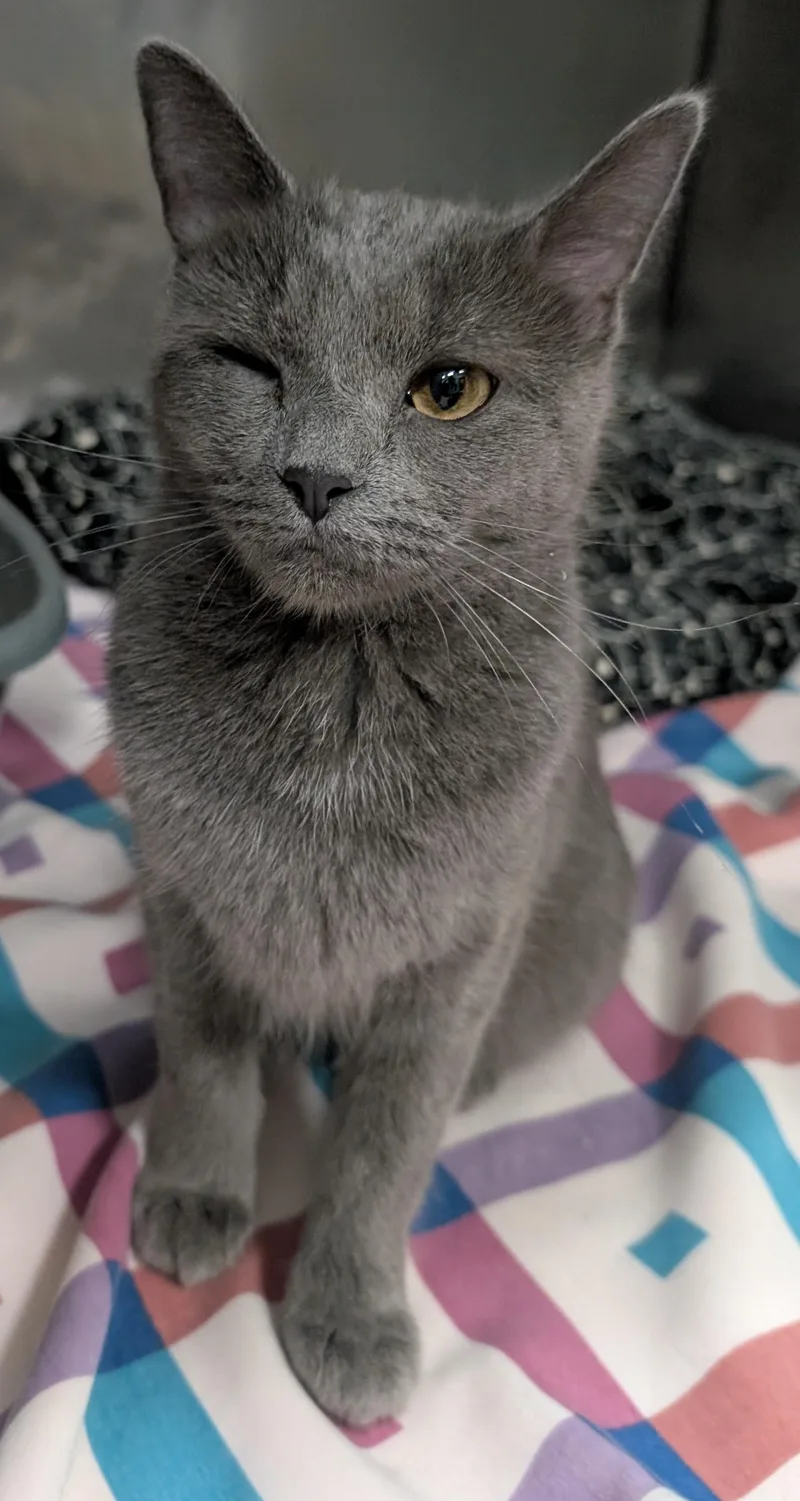
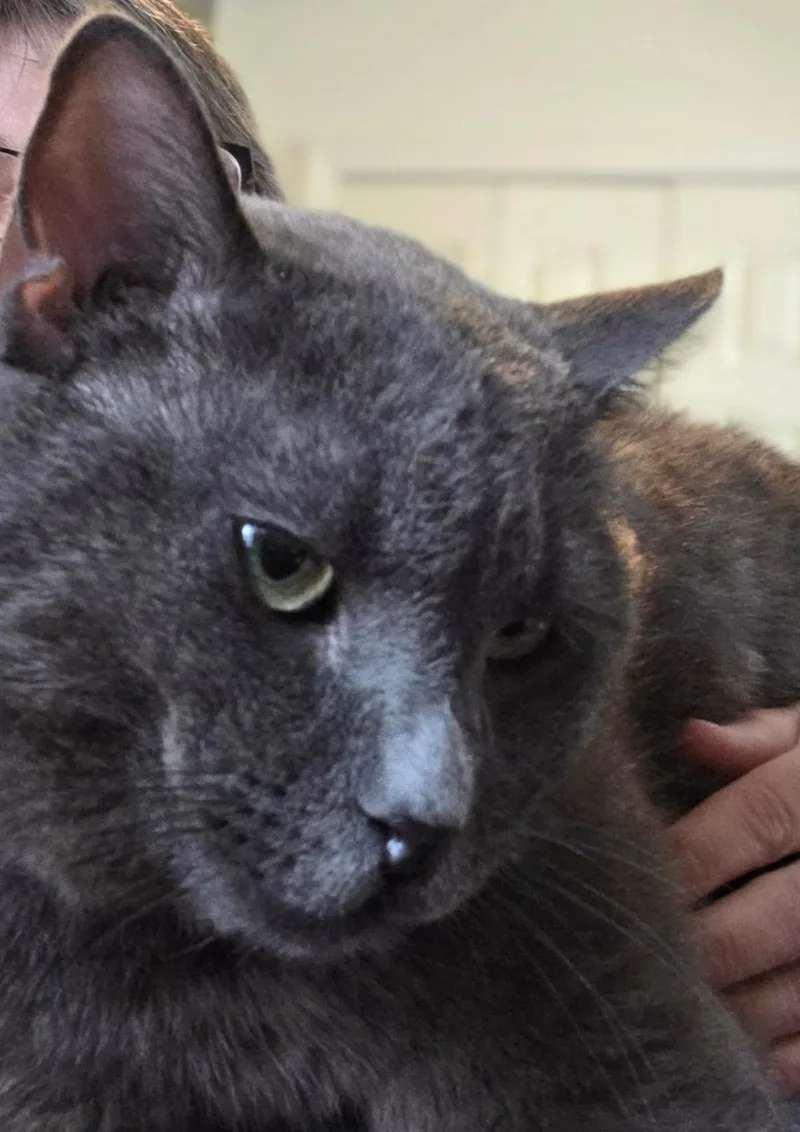
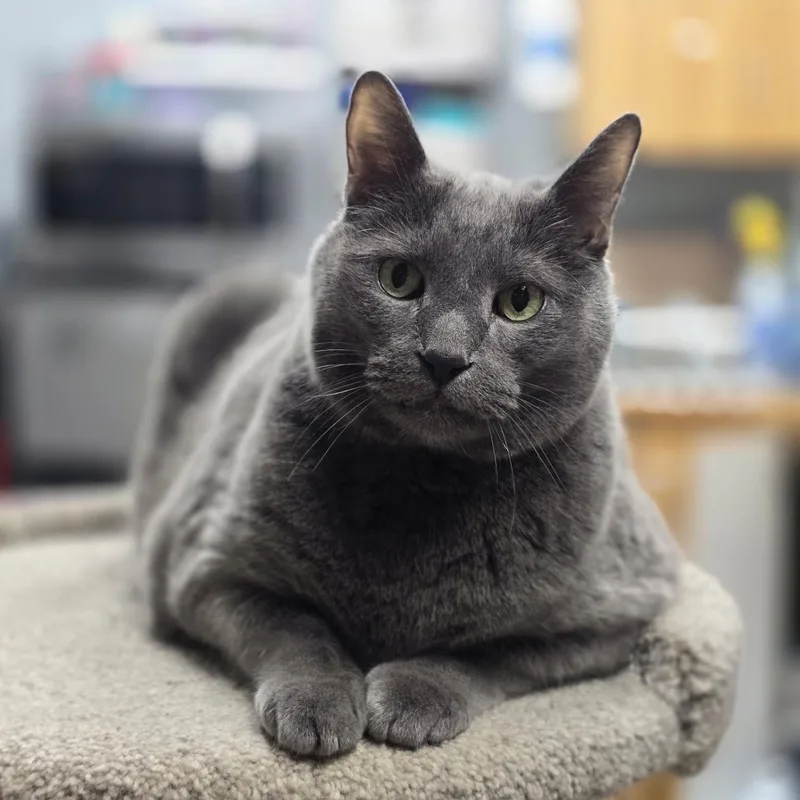
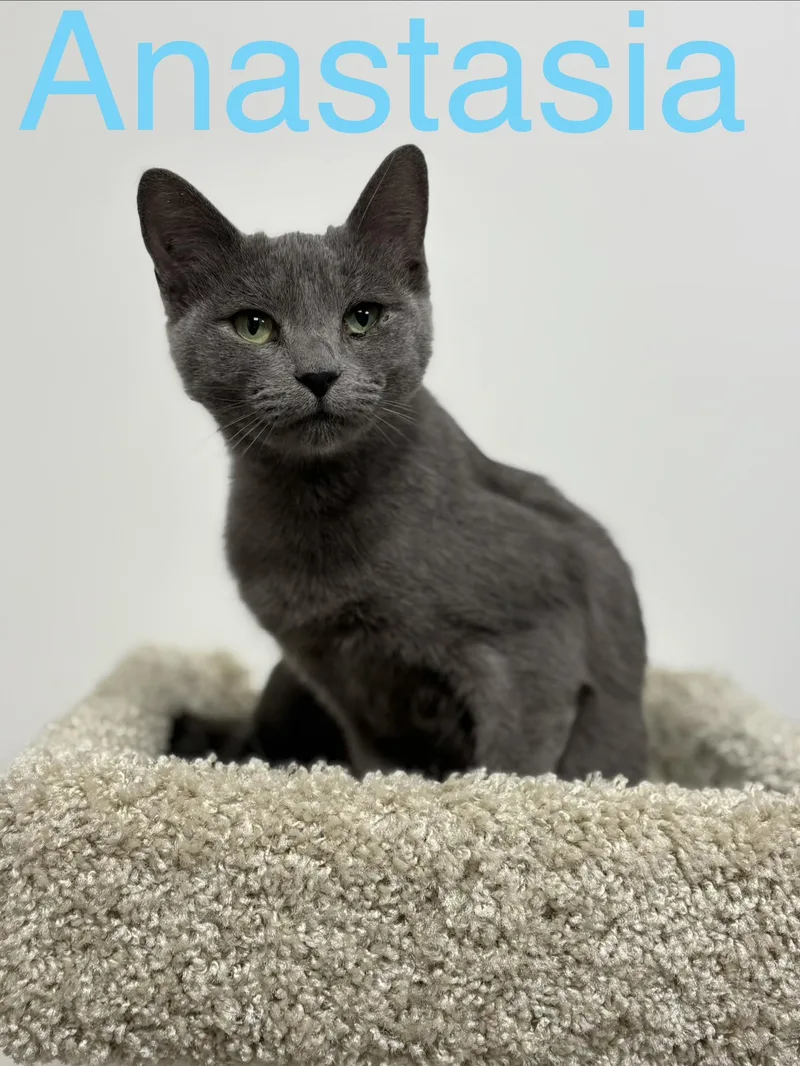
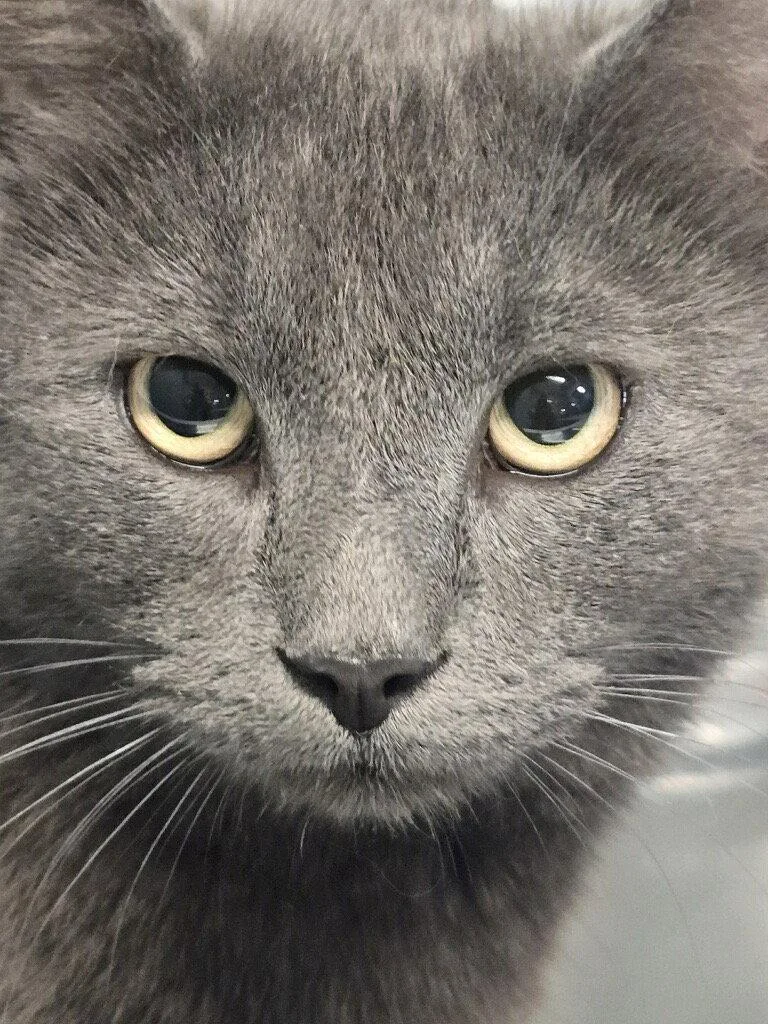
Russian Blues are slender, fine-boned shorthairs with a dense, plush double coat of even blue-grey, tipped with silver so it seems to shimmer, and vivid green eyes. The breed is believed to come from the Archangel region of northern Russia and was refined in Britain, Scandinavia and the United States. Adults usually weigh 6 to 12 pounds.

Many are gentle, quiet and devoted to their own people while staying reserved with strangers. They notice changes in routine and mood, and they enjoy games that challenge a quick mind. In New Orleans, the short coat is easy to manage through the humid months, though a healthy appetite means measured portions. Cats vary, so a shelter cat's own personality matters more than the breed label.

Weight
6–12 lbs
Height
8–10 in
Lifespan
12–16 yrs
Temperament
Gentle, Quiet, Intelligent
Shedding
Low to Moderate

Owning a Russian Blue in New Orleans

Having a Russian Blue in NOLA

Russian Blues combine an easy-care coat with a sensitive, observant nature. In New Orleans, heat, humidity and noisy seasons shape what they need, so these traits are worth weighing before you meet a cat that catches your eye.

Temperament

Russian Blues are often gentle and loyal at home but cautious with visitors, watching from a distance before they approach. A cat like this may find a Carnival evening or a Fourth of July night stressful, so a quiet retreat helps. Each cat's history and personality vary, so let the cat set the pace.

Exercise Needs

Daily play with wand toys, chase games and puzzle feeders keeps a Russian Blue lean and busy, and two short sessions usually do it. Because an indoor life is safest in New Orleans, window perches and cat trees supply the climbing. Staying inside also keeps the cat away from the coyotes and alligators that live in the city.

Health Considerations

Russian Blues have no widely recognized breed-specific inherited disease, but obesity, dental disease, bladder stones and kidney or heart problems can affect any cat. In New Orleans, mosquitoes make heartworm prevention worth discussing with a veterinarian, and a vet can check an adopted cat's weight, teeth and heart at the first visit.

Living Space

A Russian Blue needs calm more than square footage, which suits New Orleans' shotgun doubles, converted warehouse condos and apartments. Provide a high perch, a hiding spot away from street noise, and a cool room for hot afternoons. Thin walls and slamming doors can bother a sound-sensitive cat.

What it costs to own a Russian Blue in New Orleans

ExpenseTypical costPer year
Food$25 to $50 per month$300 to $600
Pet insurance$25 to $50 per month$300 to $600
Routine vet care$150 to $350 per year$150 to $350
Other*$460 to $1,160 per year$460 to $1,160
Estimated yearly total (after year one)$1,210 to $2,710

Other costs are estimates and vary with size, age and health.

* Litter, the City license tag, flea and heartworm prevention, a dental cleaning allowance, toys, scratchers and other supplies, and minimal home grooming.

Adopt a Russian Blue in New Orleans.

Now that you know more, let’s find you a new best friend. These rescues and shelters below currently have Russian Blues available.

Frequently Asked Questions

Yes, for many households, especially calm, steady ones. A Russian Blue's quiet, reserved nature suits indoor life in a shotgun double or apartment. The trade-offs are heat, humidity and storm season: plan on reliable air conditioning and a hurricane kit with a carrier, vaccination records and microchip registration. A Russian Blue is also under the 20-pound limit for riding the City evacuation bus with you.

Yes, a Russian Blue usually adapts well to apartments as long as the home is calm. Choose a quiet room away from street and neighbor noise, add a window perch and a hiding spot, and keep the air conditioning running in summer. Shared walls, fireworks and late-night music can unsettle a sound-sensitive cat, so a retreat helps.

Yes. New Orleans has no known breed rules for cats, so a Russian Blue is treated like any other cat. Plan on the usual steps: rabies vaccination, a City license tag, and your landlord's approval if you rent. Many adopters also add a microchip, which helps a lost cat find its way home after a storm.

Yes, as indoor cats with air conditioning. Highs near 90°F and humid nights in the upper 70s are hard on any cat, and the dense double coat adds to the load. Brush weekly, offer fresh water in several places, close curtains on sunny windows, and call a veterinarian right away for heavy panting or drooling.

Brushing once a week is usually enough, and a couple of times a week during seasonal shedding. The short, plush coat rarely needs baths or professional grooming, so grooming costs stay small and fall within the Other line of the cost table. Don't shave the coat in summer; air conditioning and fresh water protect a cat from heat far better.

Yes, in a carrier. RTA allows pets on its buses and streetcars only in a carrier that fits on your lap, and a Russian Blue at 6 to 12 pounds usually fits a standard one. Service animals are exempt from that rule. There's no subway here; the St. Charles, Canal, Riverfront and Rampart–Loyola lines are streetcars.

Russian Blue cats are often gentle, quiet and deeply attached to their families, while staying reserved with strangers. Many like predictable routines, follow favorite people around and enjoy interactive games that test their intelligence. They tend to be sensitive to household mood and noise. Personality varies, so a foster's description of an individual cat is the best guide.

A Russian Blue is a medium-sized shorthaired cat with a dense, plush blue-grey coat tipped in silver, vivid green eyes and a slender, graceful build. The breed is thought to come from northern Russia. Many Russian Blues are quiet, intelligent and loyal to their people, though often shy around visitors until they feel comfortable.

We have 1 rescue with Russian Blues available: ARNO (Animal Rescue New Orleans). You can see every rescue with Russian Blues available in the list above these questions, or scroll to the top to see the Russian Blues near New Orleans.

Expect roughly $1,200 to $2,700 a year for a Russian Blue in New Orleans, covering food, insurance, routine vet care and other costs such as litter, flea and heartworm prevention, dental care and supplies. The low end assumes a healthy adult cat and a modest insurance plan. Illness and emergencies are extra.

Find Russian Blues in Nearby Cities

Expand your search to find Russian Blues available for adoption near New Orleans.