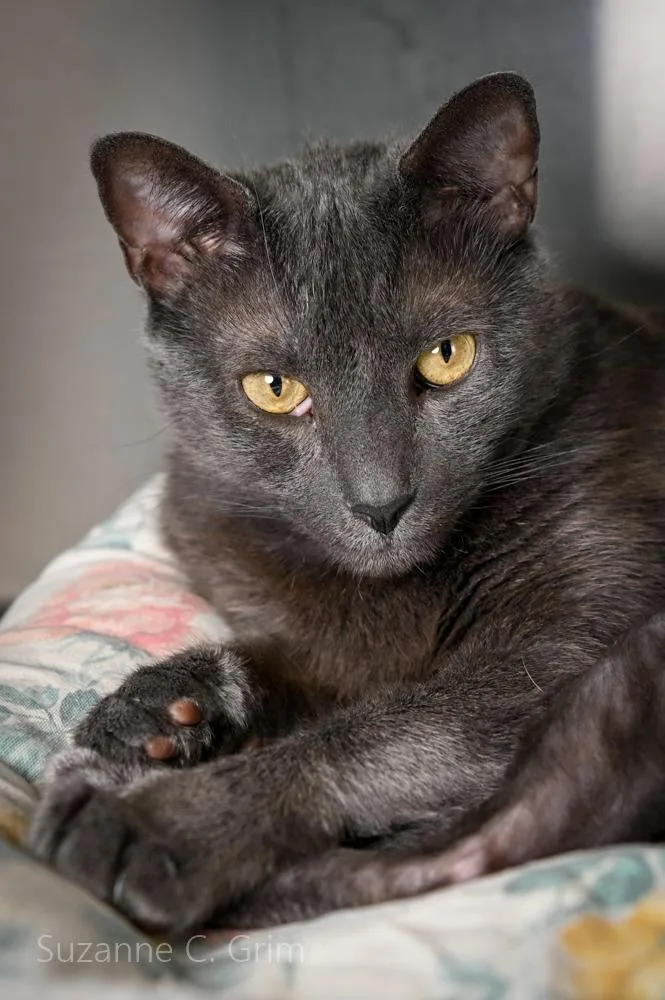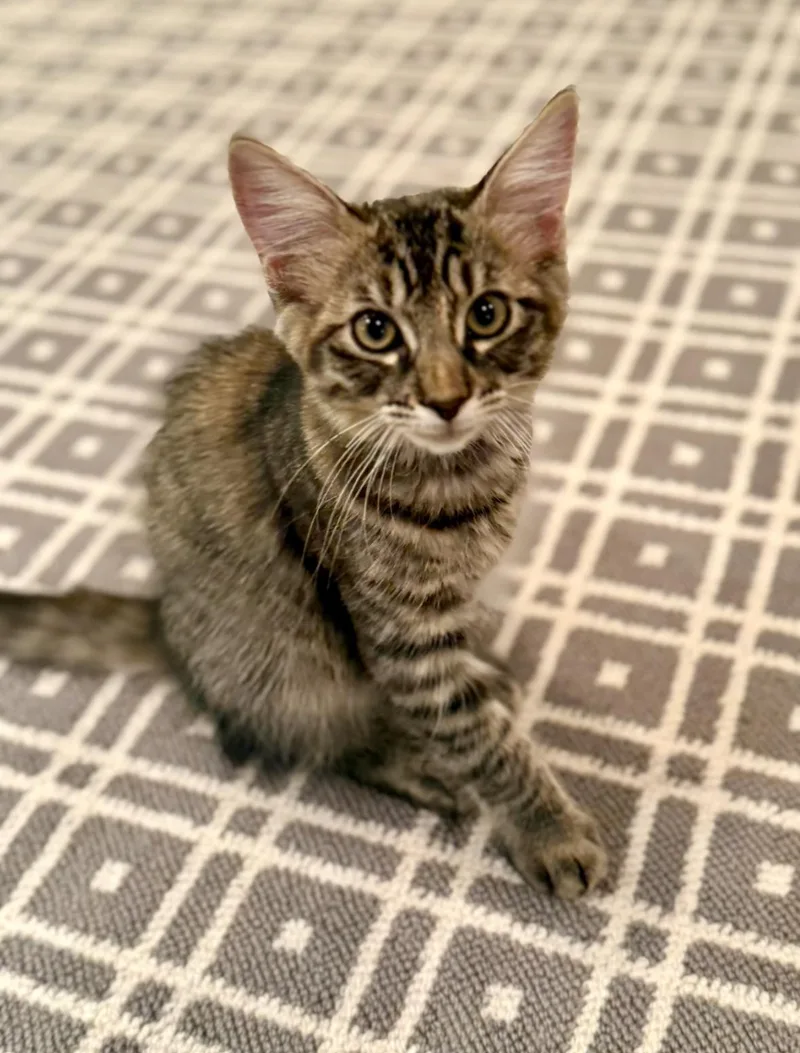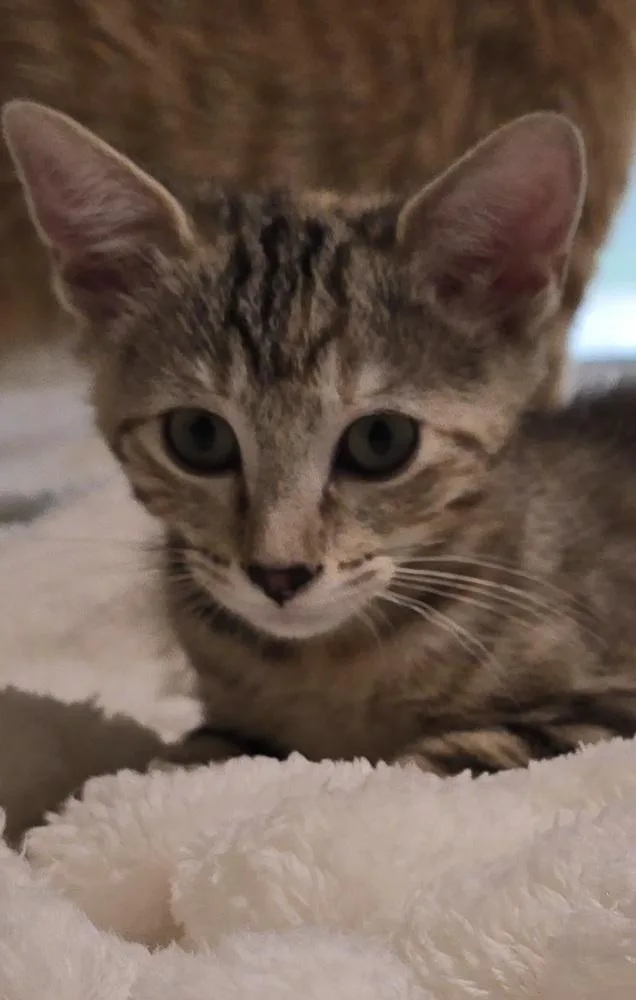
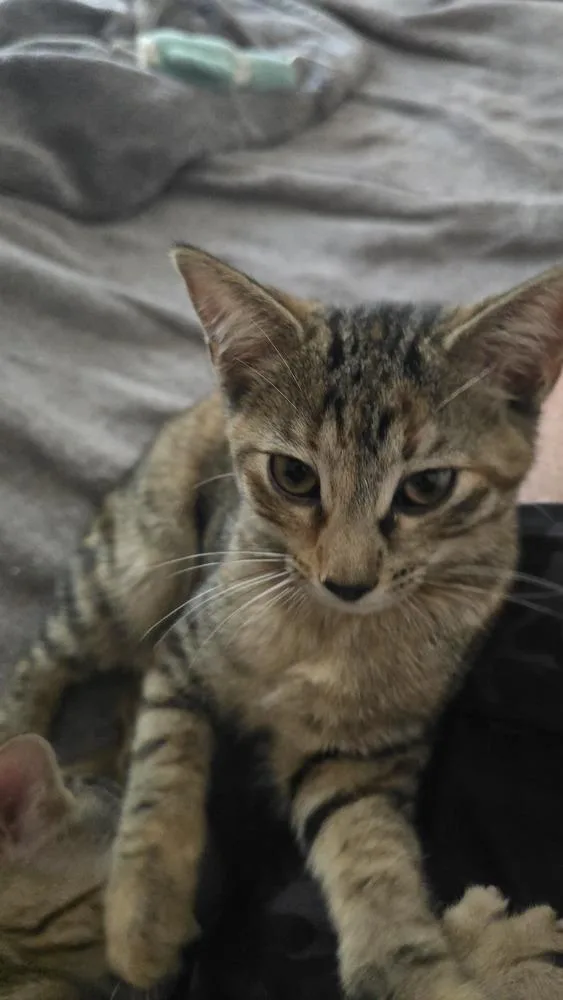
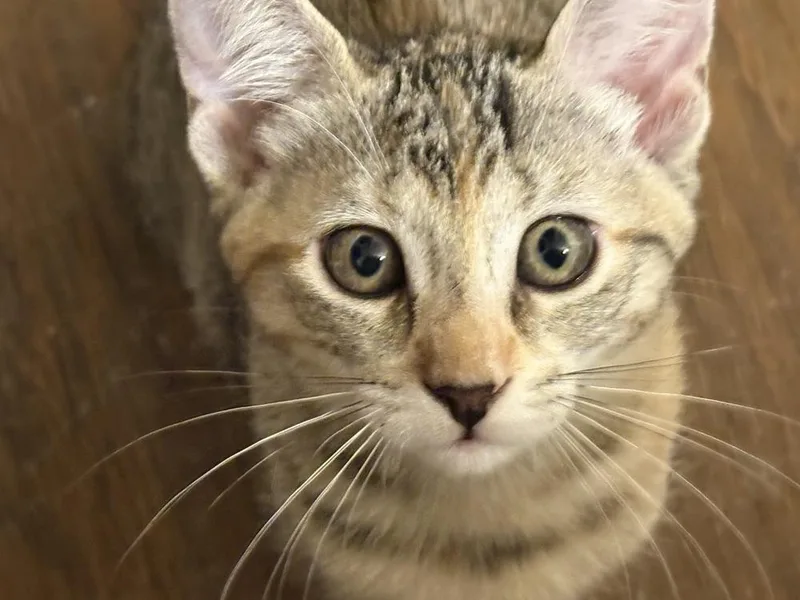
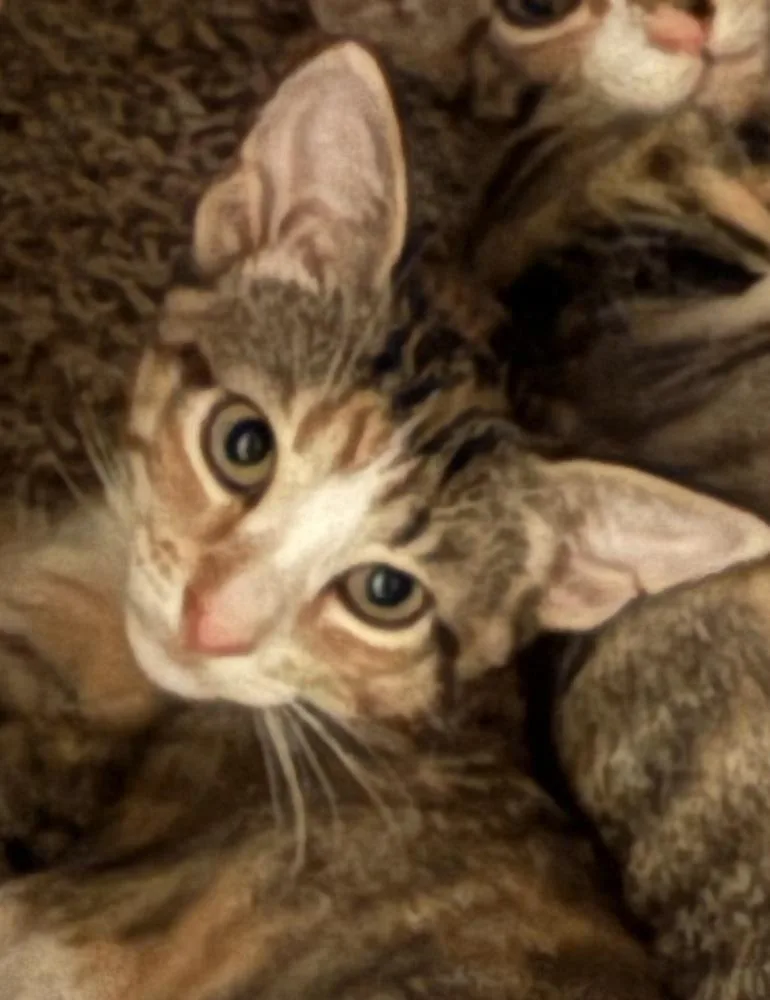
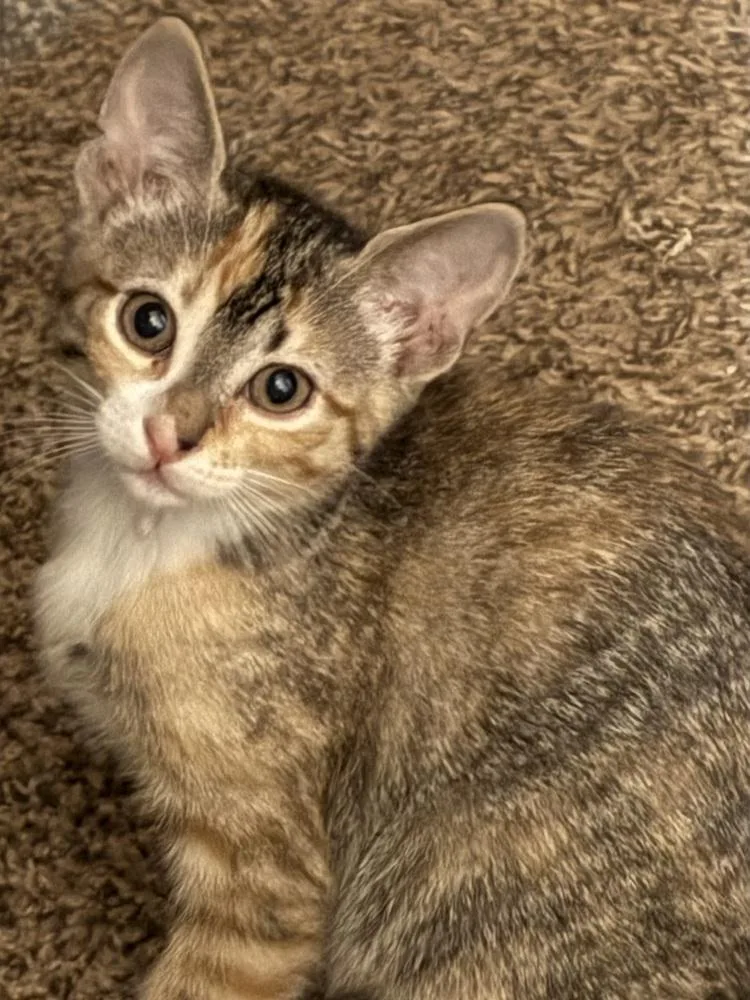
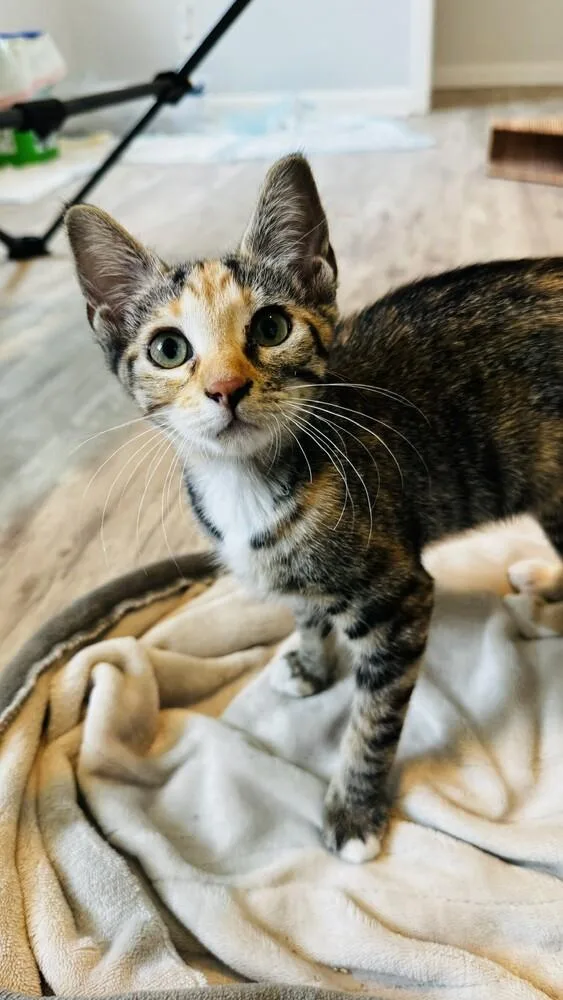
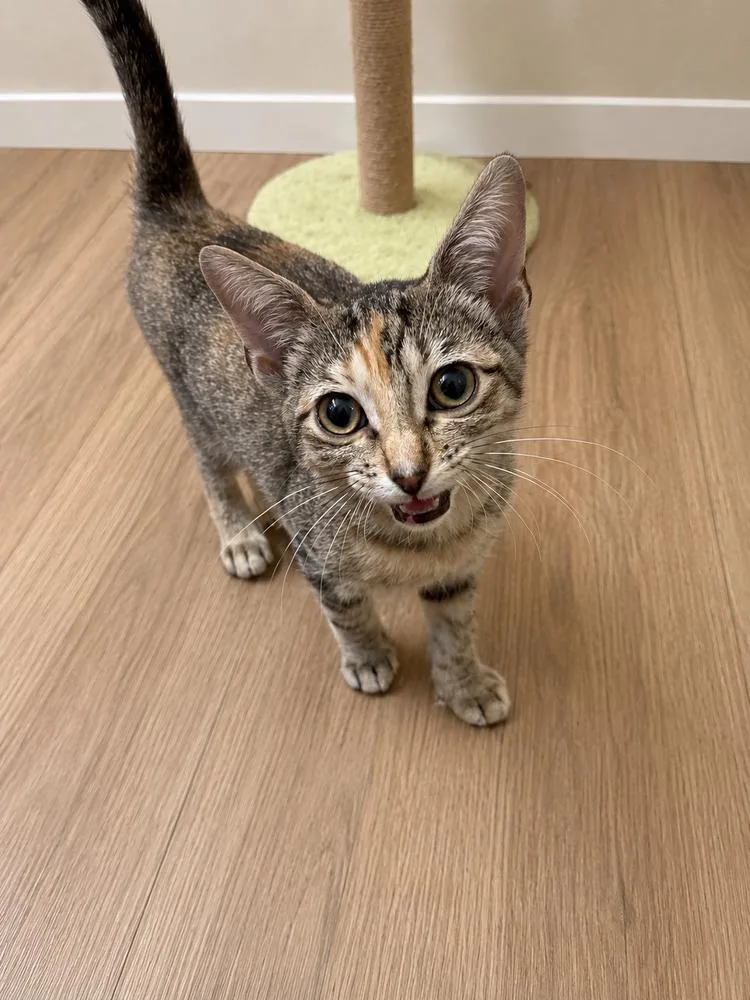

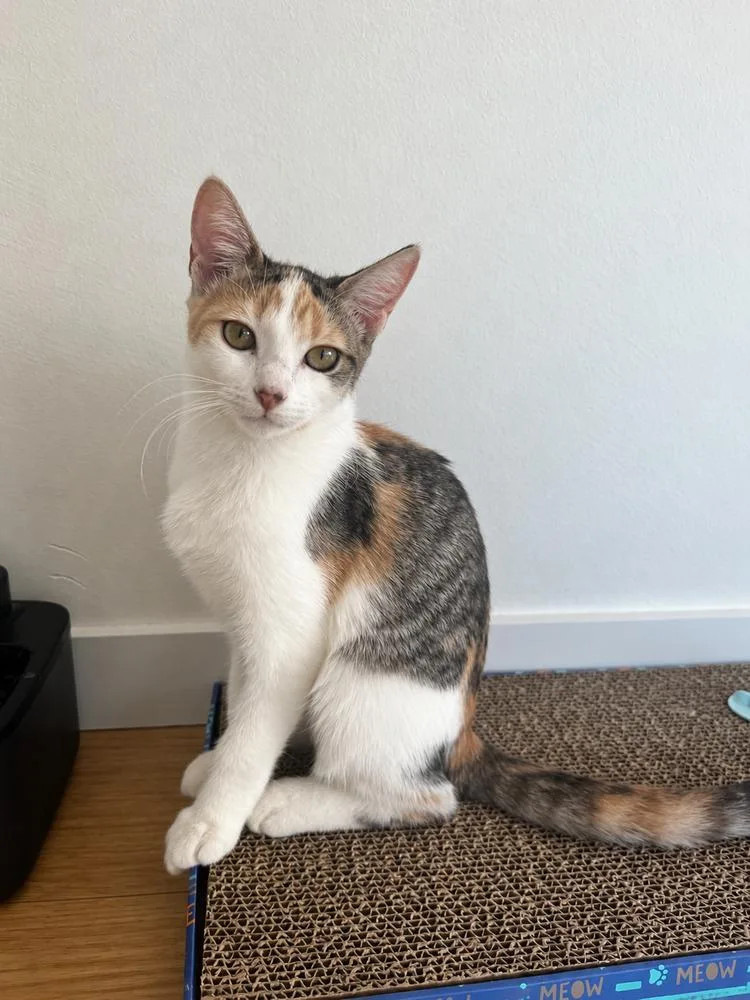
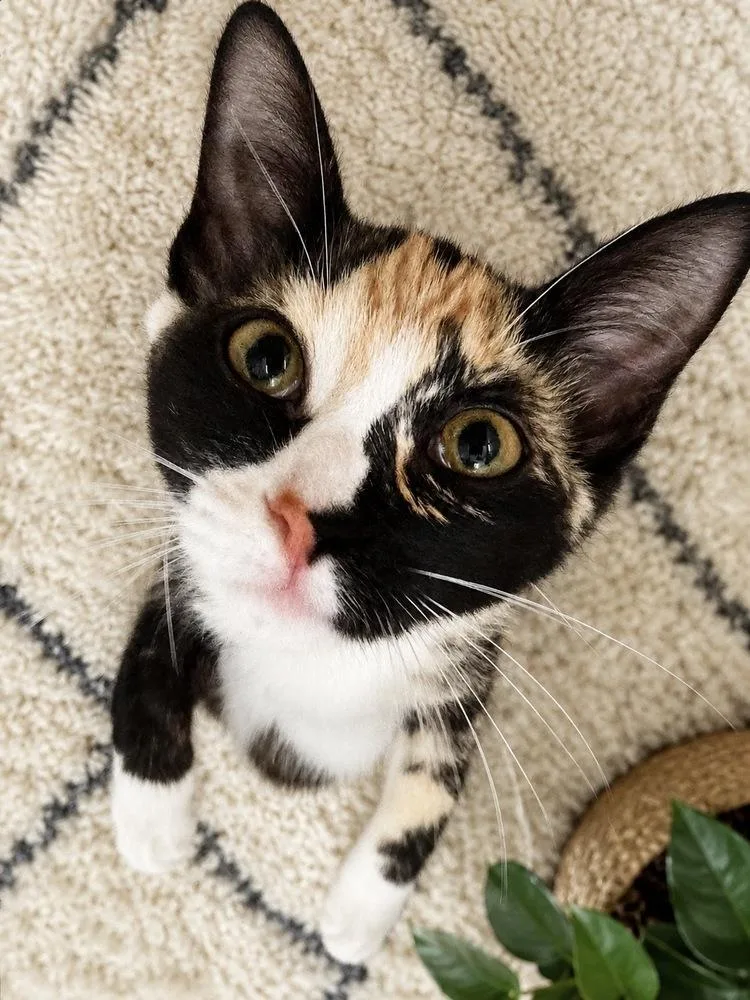
Calico Cats for Adoption in New Orleans, LA

Your guide to finding and caring for a Calico in NOLA

A calico fits easily into a New Orleans shotgun house, where a long hallway and a front window give her plenty to watch and chase. Calico is a coat pattern, so these cats run from lap-sitters to bold explorers. In a Bywater double or a rental near Freret Street, she'll claim the sunniest sill by mid-morning and want a game of chase after dinner. Keep her indoors, since coyotes live in several neighborhoods. Hurricane season also means she'll need a carrier she's learned to like.

1486 Calicos available in New Orleans and nationwide

Bring home a Calico

Calicos Available for Adoption Near New Orleans

About the Calico breed

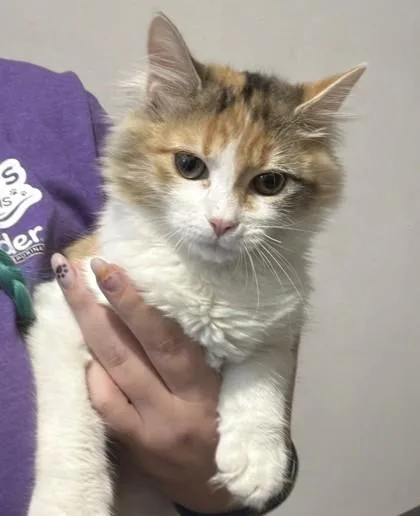
Calico describes a coat, not a breed: white with patches of black and orange, or soft gray and cream in the dilute version. The pattern appears on domestic shorthairs and longhairs and on several pedigreed breeds, and most calicos are domestic shorthairs. They typically weigh 6 to 12 pounds and can live 12 to 18 years with good indoor care.

Because coat color doesn't dictate behavior, a calico's personality comes from her upbringing, age and experiences. Some are shy and gentle, others bold and talkative. Shedding is moderate, so a weekly brushing keeps fur under control, and longhaired mixes need more. An adaptable indoor cat suits the compact shotgun and double homes common around New Orleans.

Weight
6–12 lbs
Height
8–10 in
Lifespan
12–18 yrs
Temperament
Adaptable, Affectionate, Independent
Shedding
Moderate

Owning a Calico in New Orleans

Having a Calico in NOLA

A calico's traits come from her ancestry, upbringing and age rather than her colors. Expect moderate energy, moderate shedding and an adaptable nature, with plenty of variation from cat to cat. New Orleans adds heat, hurricane planning and coyotes to the usual indoor-cat checklist.

Temperament

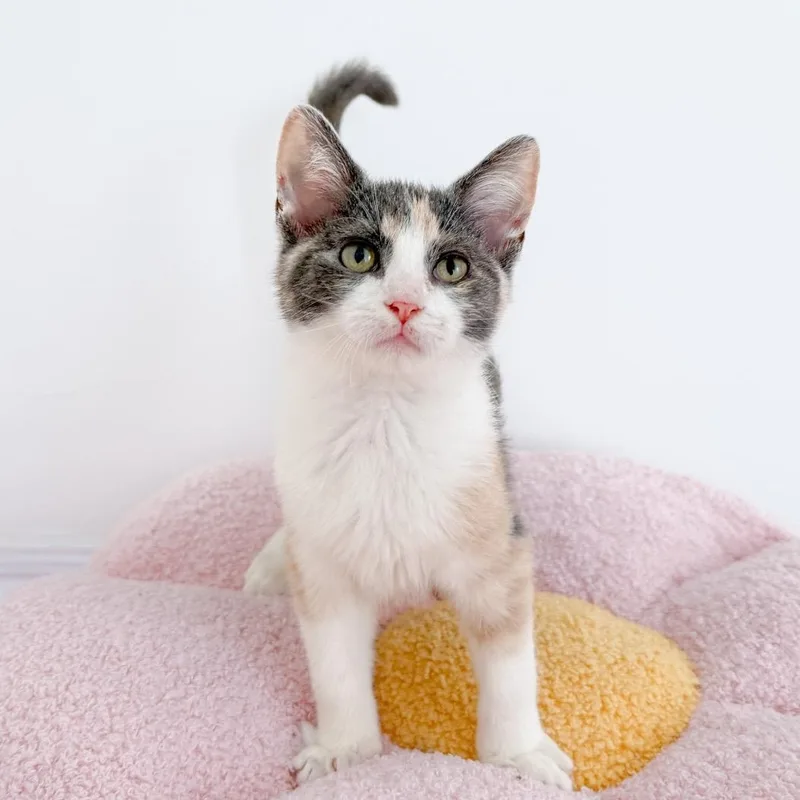
Calicos range from shy and gentle to bold and talkative, since personality follows genes, early socialization and experience rather than coat. Some owners joke about "tortitude," but research hasn't confirmed it. In a lively neighborhood with street noise and visitors, notice how a cat reacts to sound and handling, and give a nervous cat a quiet room.
Exercise Needs

Expect short bursts of chasing and pouncing between long naps. Two or three play sessions a day with wand toys, balls or food puzzles keep a calico fit, and a window perch gives her something to watch. Because heat limits outdoor time in New Orleans, indoor play does most of the work. Kittens need more than seniors.

Health Considerations

Coat color doesn't cause health problems in female calicos, so care means vaccines, dental checks, weight control and yearly exams. Year-round flea and parasite prevention matters in New Orleans' warm, humid climate, and a veterinarian can check a newly adopted cat for both. The rare male calico can face added urinary and metabolic concerns.

Living Space

A calico adapts to a shotgun double, a condo or a house with a yard, as long as she has scratching posts, a high perch, hiding spots and daily play. Shy cats like a quiet room at first. Keeping her indoors protects her from coyotes, traffic and heat, while a catio or harness offers supervised fresh air.

What it costs to own a Calico in New Orleans

ExpenseTypical costPer year
Adoption fee$50, one time$50 in year one
Food$25 to $50 per month$300 to $600
Pet insurance$20 to $45 per month$240 to $540
Routine vet care$150 to $350 per year$150 to $350
Other*$460 to $1,160 per year$460 to $1,160
Estimated yearly total (after year one)$1,150 to $2,650
First-year total (with adoption fee)$1,200 to $2,700

Adoption fee is the fee on Calico listings in New Orleans on GetBuddy today. Other costs are estimates and vary with size, age and health.

* Litter, flea and parasite prevention, a dental cleaning allowance, toys and supplies, home brushing, and the $10 New Orleans cat license for a spayed or neutered cat.

Adopt a Calico in New Orleans.

Now that you know more, let’s find you a new best friend. These rescues and shelters below currently have Calicos available.

Frequently Asked Questions

Often, yes, for people who can keep her indoors and plan ahead. An adaptable calico suits a small shotgun or a quiet Mid-City rental, but New Orleans asks for air conditioning, a hurricane plan and a carrier she tolerates. The City-Assisted Evacuation bus carries pets of 20 pounds or less with their owners, which covers nearly every calico.

Yes. Most calicos adapt well to apartments, shotgun doubles and condos when they have perches, scratching posts and daily play. Screens matter in older buildings with tall windows, and shy cats need a quiet corner away from street noise, music and Carnival crowds. Get pet terms in writing before you sign a lease.

Yes, as indoor cats with air conditioning. Summer highs run near 90 with warm, muggy nights, so a calico should stay inside with fresh water in several spots and a cool place to rest. Have a backup plan for power outages after storms, and brush longhaired calicos instead of shaving them.

Only in a carrier. RTA allows pets on its buses and streetcars if they travel in a small container that fits on your lap, so a calico can ride the St. Charles or Canal line in a carrier. Service animals are the exception. Pets aren't allowed on Mardi Gras parade routes.

Grooming depends on coat length, not color. A shorthaired calico needs a weekly brush, while a longhaired mix needs brushing several times a week, especially in summer when loose fur builds up. Don't shave a long coat in the heat; brush instead. Any professional grooming falls under the Other costs shown above.

Almost all calico cats are female, but not every single one. The genes for orange and black coat color sit on the X chromosome, so a cat normally needs two X chromosomes to show both colors at once. Roughly 1 in 3,000 calicos is male, usually because of an extra X chromosome, a genetic quirk rather than a separate type.

A calico cat is any cat with a three-color coat of white plus distinct patches of black and orange, or gray and cream in dilute calicos. Calico is a coat pattern rather than a breed, so it appears in domestic shorthairs, longhairs and many pedigreed breeds. Nearly all calicos are female because of how coat color genes are inherited.

Yes, calico cats can be male, but it is very rare. A male calico usually has XXY chromosomes instead of the typical XY, a condition similar to Klinefelter syndrome in people, or is a chimera formed from two embryos. These males are almost always sterile and may have extra health needs, so regular veterinary care is especially worthwhile.

We have 2 rescues with Calicos available: Advocate & Rescue-Sue's Mews & Operation Save the Whodatt Fur Babies and ARNO (Animal Rescue New Orleans). You can see every rescue with Calicos available in the list above these questions, or scroll to the top to see the Calicos near New Orleans.

A calico typically costs about $1,150 to $2,650 a year in New Orleans. That covers food at $25 to $50 a month, insurance at $20 to $45 a month, routine vet care of $150 to $350 a year, and $460 to $1,160 in other costs such as litter, parasite prevention and dental care. Costs vary with the cat's size and coat.