Tuxedo Cats for Adoption in Louisville, KY

Your guide to finding and caring for a Tuxedo in Louisville

A tuxedo cat fits Louisville's older housing well, from the converted Victorians of Old Louisville to a Craftsman bungalow in Beechmont. Tuxedo is a coat pattern, not a breed, so one cat may be a lap-sitter and the next a hallway sprinter. Tall windows give either one something to watch, and daily play matters more than the markings. If you're picking a tuxedo here, spend time with the cat and see how it acts.

1797 Tuxedos available in Louisville and nationwide

Say hello to your Tuxedo cat

While we don't have enough cats near Louisville, keep in mind that many rescues may offer transport.

Tuxedos Available for Adoption Near Louisville

About the Tuxedo breed

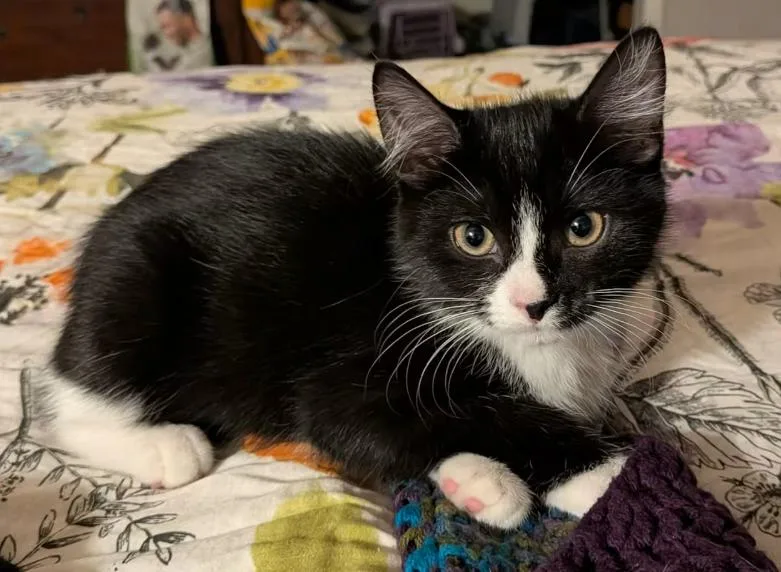
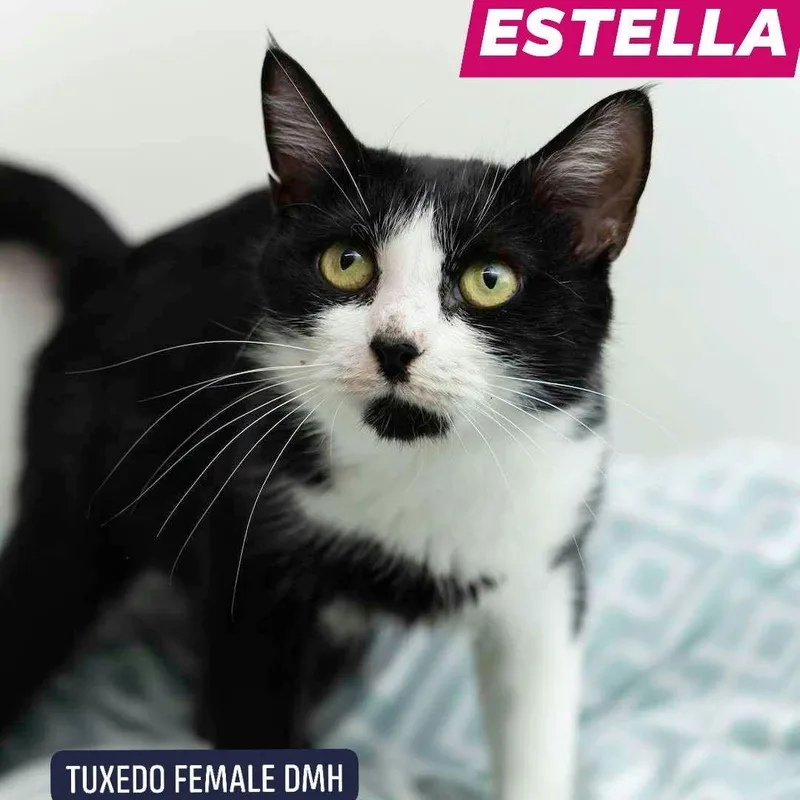
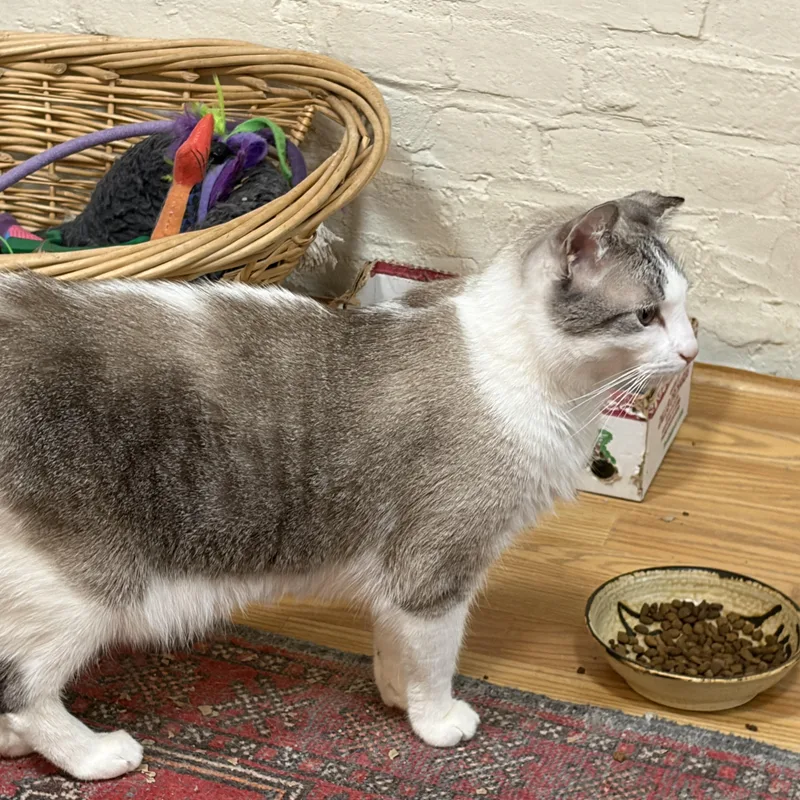
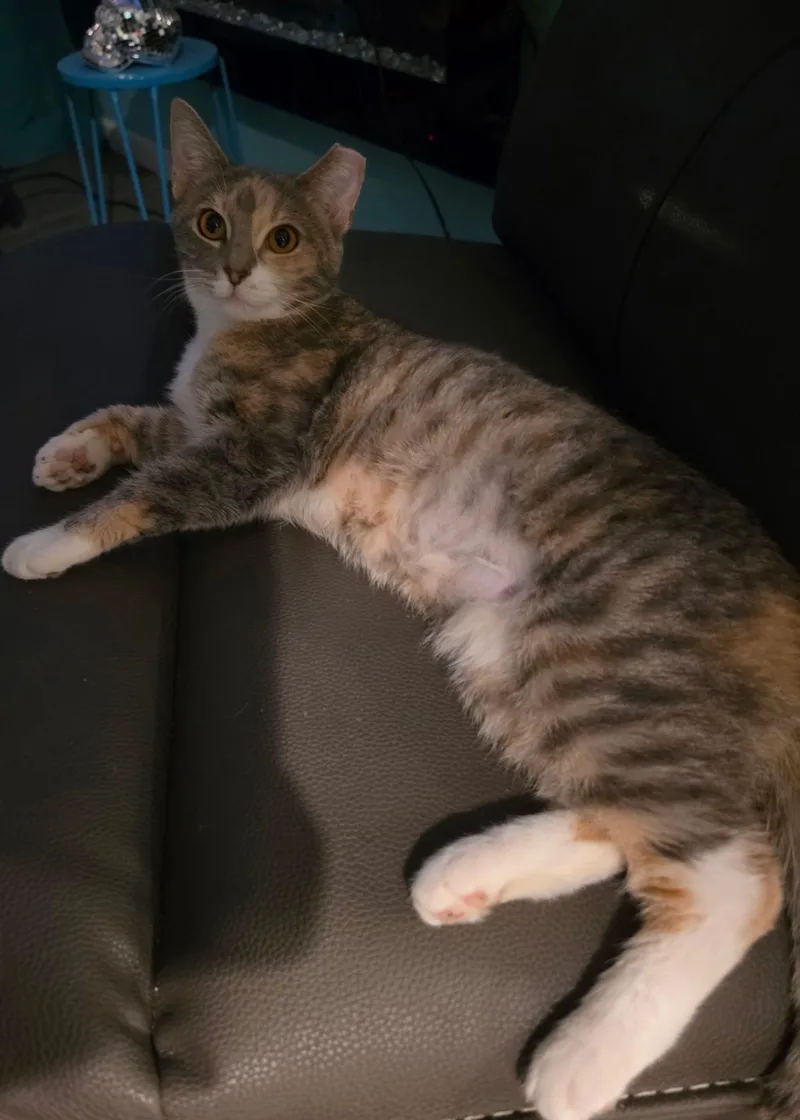
Tuxedo describes a coat pattern rather than a breed: a bicolor cat, usually black and white, with a white chest like a shirtfront and often white paws, chin or a blaze on the face. Grey-and-white tuxedos exist too. The pattern comes from white spotting in the KIT gene, and because it isn't sex-linked, males and females are about equally common.

Most tuxedos are domestic shorthairs, though the pattern also turns up in breeds like the Maine Coon and Scottish Fold. Color doesn't set personality, so stories about bold or clever tuxedos are fun but unproven. In Louisville you'll meet every temperament, from chatty to shy, in cats of every age. Moderate shedding is typical, and a cat's coat length and energy shape daily care more than its markings do.

Weight
6–14 lbs
Height
8–10 in
Lifespan
12–18 yrs
Temperament
Adaptable, Playful, Affectionate
Shedding
Moderate

Owning a Tuxedo in Louisville

Having a Tuxedo in Louisville

Tuxedo markings are cosmetic, so age, coat length, energy level and past experiences matter most. In Louisville, that means planning around indoor living, weekly brushing and daily play, and judging each cat by how it behaves when you meet it.

Temperament

Tuxedo cats range from outgoing talkers to reserved cats who prefer a quiet corner, and no research ties coat color to personality. Many adjust well to children and other pets with slow introductions. In a Louisville apartment, a social cat may enjoy window time while a shy one needs a hiding spot.

Exercise Needs

Most tuxedos do best with daily play: wand toys, chasing games and puzzle feeders that mimic hunting. Kittens and young adults may want several short, lively sessions, while seniors prefer gentle games. Indoor cats in Louisville get most of their exercise at home, so a cat tree and rotating toys help prevent boredom and weight gain.

Health Considerations

The tuxedo pattern carries no known health risk. Tuxedos share common feline concerns such as dental disease, obesity and urinary problems, and kidney disease, diabetes or hyperthyroidism in later years. A tuxedo from a pedigreed breed can inherit that breed's conditions. Yearly exams, rabies vaccination and dental checks let a Louisville veterinarian catch problems early.

Living Space

Tuxedo cats usually do well in apartments, rowhouses and single-family homes when they have vertical space, scratching surfaces, hiding places and clean litter boxes. Louisville has plenty of older buildings with tall windows, which make good perches. Screens on upper-floor windows help prevent falls, and indoor living protects cats from traffic and disease.

What it costs to own a Tuxedo in Louisville

ExpenseTypical costPer year
Food$25 to $50 per month$300 to $600
Pet insurance$20 to $45 per month$240 to $540
Routine vet care$150 to $350 per year$150 to $350
Other*$460 to $1,160 per year$460 to $1,160
Estimated yearly total (after year one)$1,150 to $2,650

Other costs are estimates and vary with size, age and health.

* Litter, the Louisville Metro cat license, flea prevention, a dental cleaning allowance, toys and supplies, and home grooming.

Adopt a Tuxedo in Louisville.

Now that you know more, let’s find you a new best friend. These rescues and shelters below currently have Tuxedos available.

Rescues in Louisville with Tuxedos Available

Louisville's rescue community includes the county shelter and nonprofit groups, with cats of many coats, ages and personalities. Here are the rescues & shelters in the Louisville area where you can find Tuxedos and other cats available for adoption.

Frequently Asked Questions

Service animals are allowed on TARC buses, and Louisville has no subway or rail. TARC's rules for pets that aren't service animals can change, so check TARC's current policy before planning a trip. If you do go, a secure, well-ventilated carrier keeps a tuxedo safer and calmer. Plan short trips and avoid hot or crowded times.

Yes, indoor Tuxedos handle Louisville winters comfortably. The city sees about 74 to 80 freezing nights a year and roughly 13 inches of snow, plus occasional ice storms. Keep cats inside with warm bedding, and keep a carrier, food and litter ready in case of a power outage. Louisville law also requires moving pets into a temperature-controlled space in extreme weather.

Most Tuxedos do best at home, but a harness-trained cat can visit Waterfront Park downtown, where leashed pets are welcome. Pets aren't allowed on the Big Four Bridge. Jefferson Memorial Forest allows pets on trails only on a leash at all times. Choose quiet hours, and skip the dog runs, which are built for dogs.

Yes, you can. Louisville Metro's animal code has no breed ban or coat-pattern rules, so a tuxedo cat is treated like any other cat. You'll need a rabies vaccination and a microchip. Watch the listings on this page for tuxedo cats, and save a search to hear when new ones appear.

Yes, most Tuxedos do well in Louisville apartments. About 39% of households here rent, and older buildings often have tall windows that make good perches. Check the lease for pet terms and get them in writing. A cat tree, scratching post, daily play and a scooped litter box matter more than square footage.

Often, yes, depending on the cat. Tuxedos vary widely, so look at age, energy and temperament rather than the markings. Louisville's mix of apartments and houses suits indoor cats, and its humid summers and cold winters are easy to handle at home. Plan for storm days, July 4 fireworks and daily play.

Most Tuxedos need a weekly brushing, a bit more during spring and fall shedding. Longer-coated cats may need brushing several times a week. Humid Louisville summers don't change the routine much, though they can make shedding more noticeable. Home grooming is covered in the Other cost line, so most owners won't need a professional groomer.

We have 1 rescue with Tuxedos available: Kentucky Pets Alive. You can see every rescue with Tuxedos available in the list above these questions, or scroll to the top to see the Tuxedos near Louisville.

Owning a tuxedo in Louisville typically runs about $1,150 to $2,650 a year. That covers food at $25 to $50 a month, insurance at $20 to $45 a month, routine vet care at $150 to $350 a year, and other costs at $460 to $1,160 a year. Actual totals depend on the cat's age, health and coat.