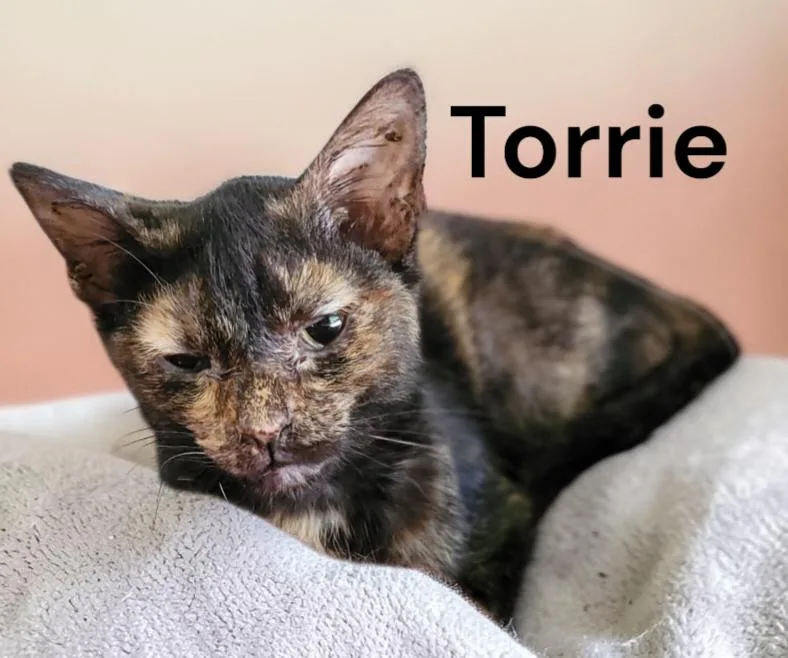
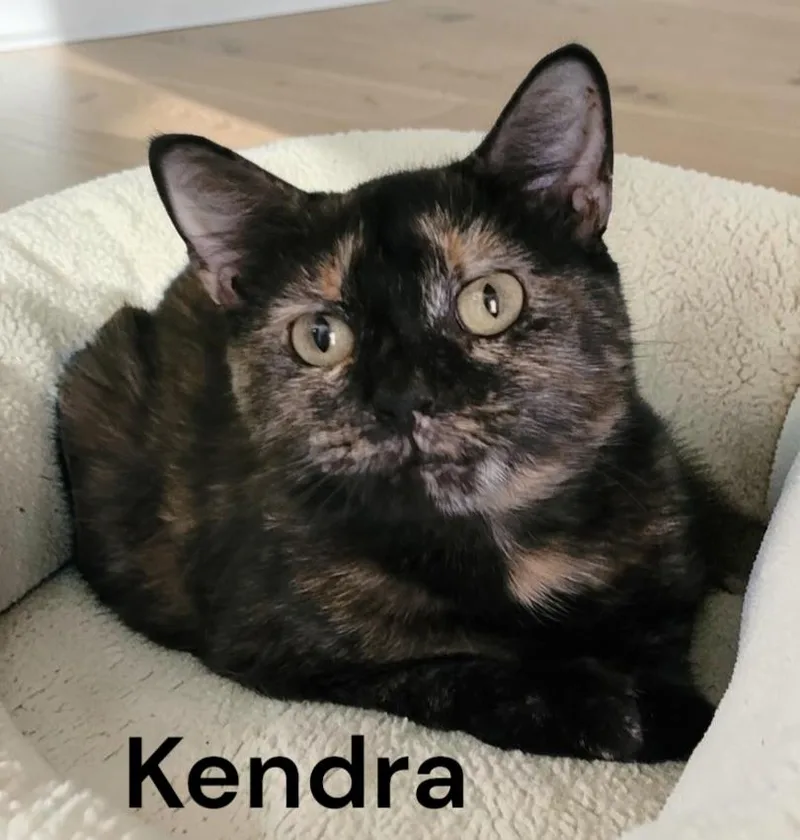
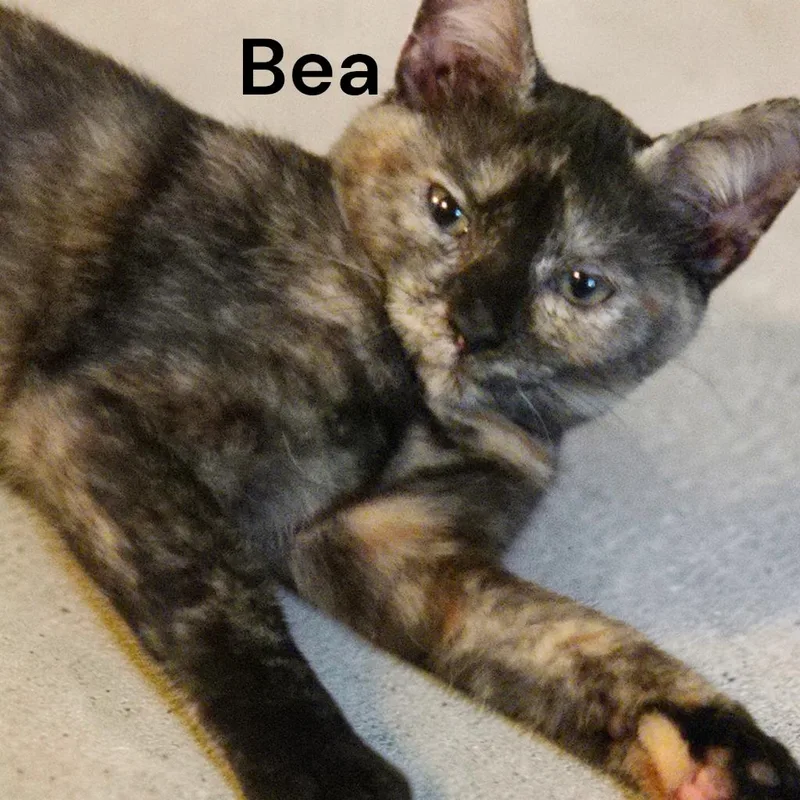
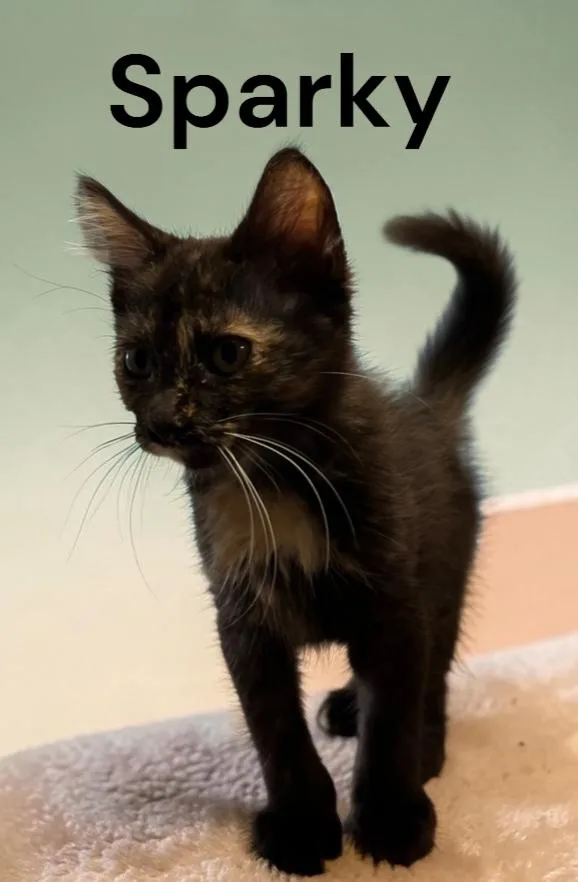
Tortoiseshell Cats for Adoption in Louisville, KY

Your guide to finding and caring for a Tortoiseshell in Louisville

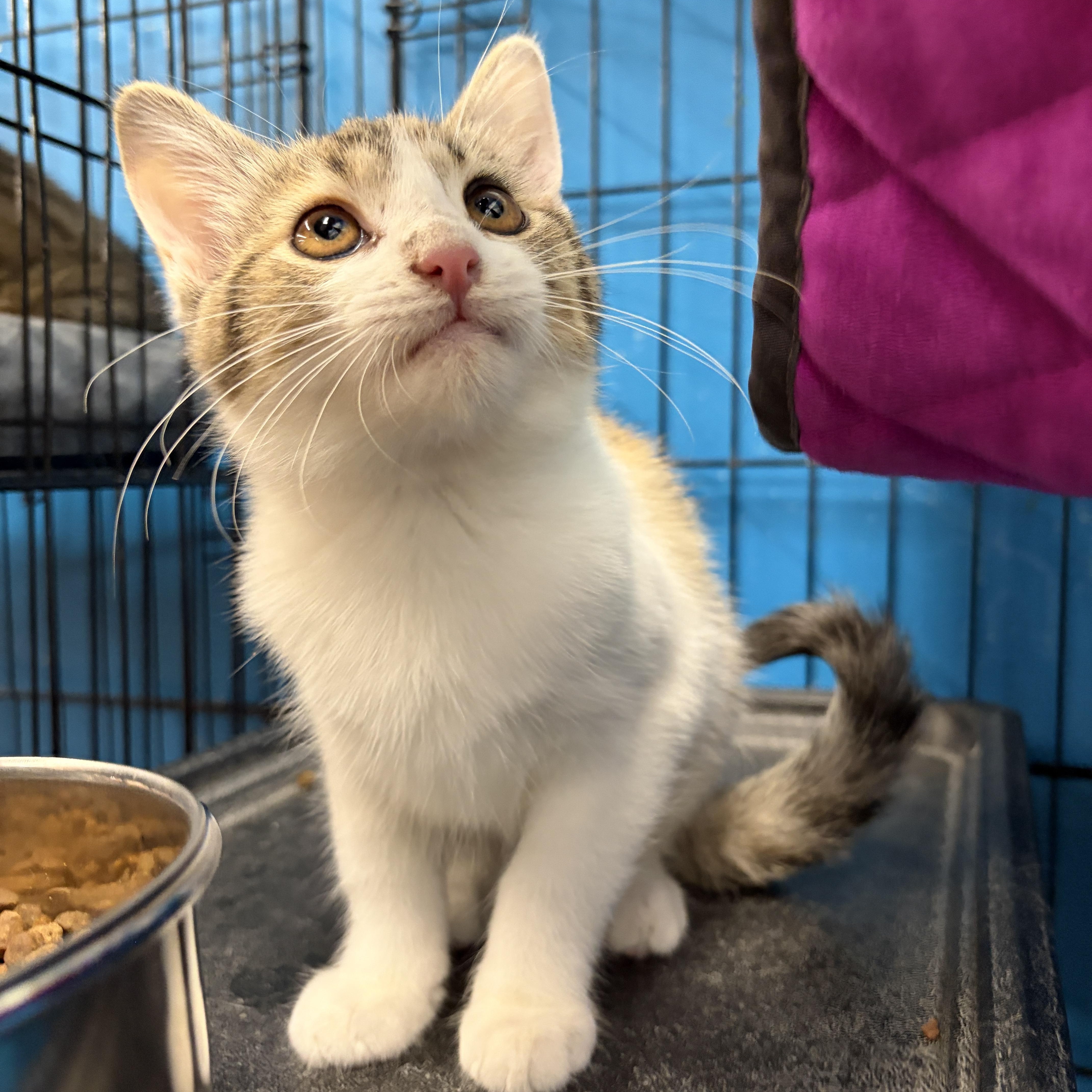
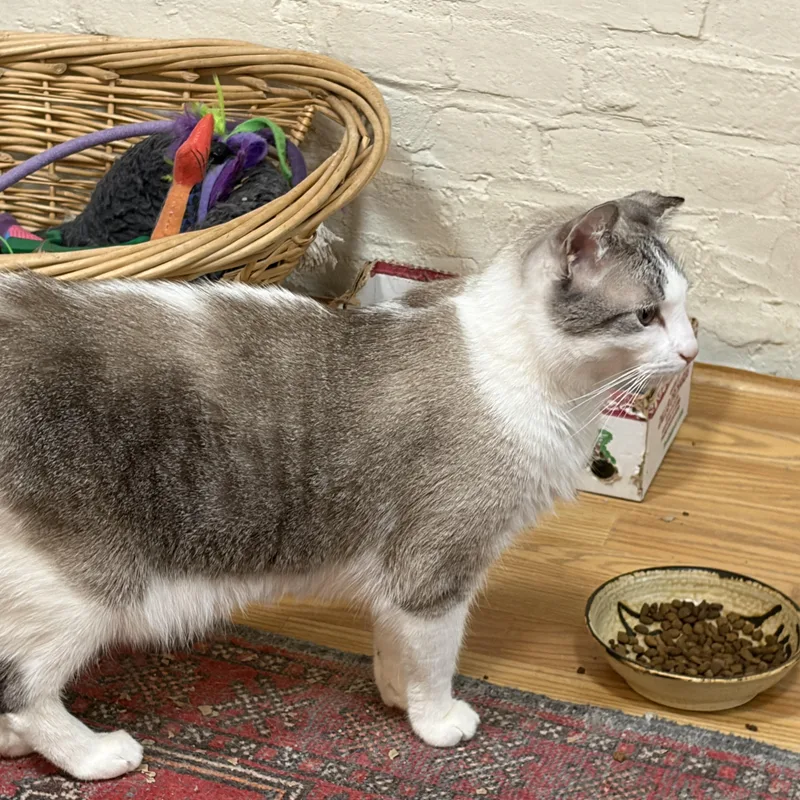
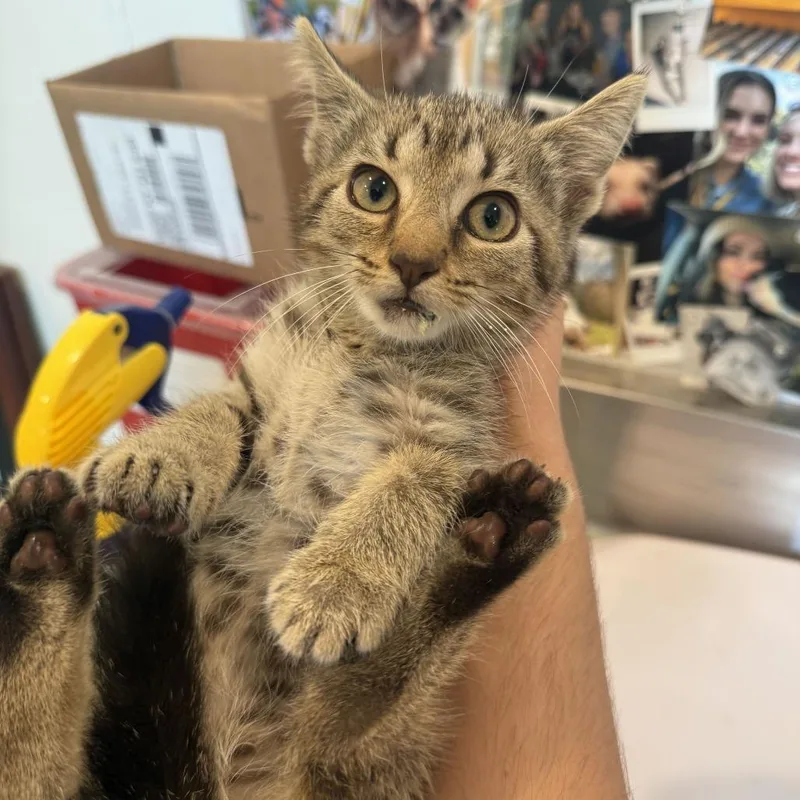
Tortoiseshell cats do well in the shotgun houses of Germantown and Schnitzelburg. A shotgun house's long, narrow rooms are good for chase games, and a front window gives a tortie a view of the street. Tortoiseshell is a coat pattern, not a breed, so the cats in Louisville range from shy to bold, and most are domestic shorthairs. Some are cuddly, some are aloof, and nearly all are female. Plan on a cat tree by the window and a daily play session with a wand toy.

1043 Tortoiseshells available in Louisville and nationwide

Your Tortoiseshell is waiting

While we don't have enough cats near Louisville, keep in mind that many rescues may offer transport.

Tortoiseshells Available for Adoption Near Louisville

About the Tortoiseshell breed

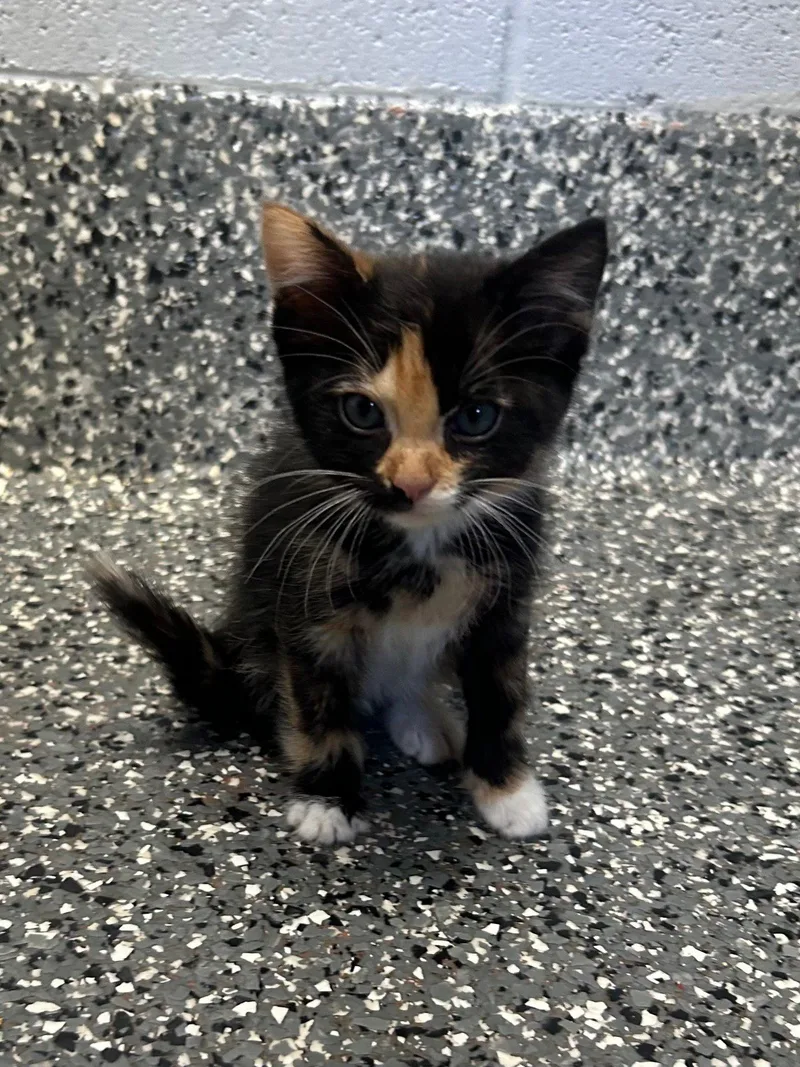
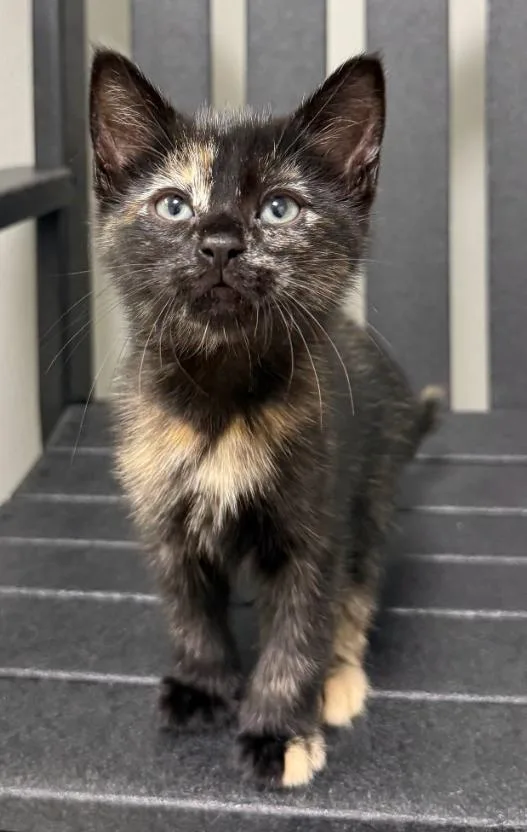
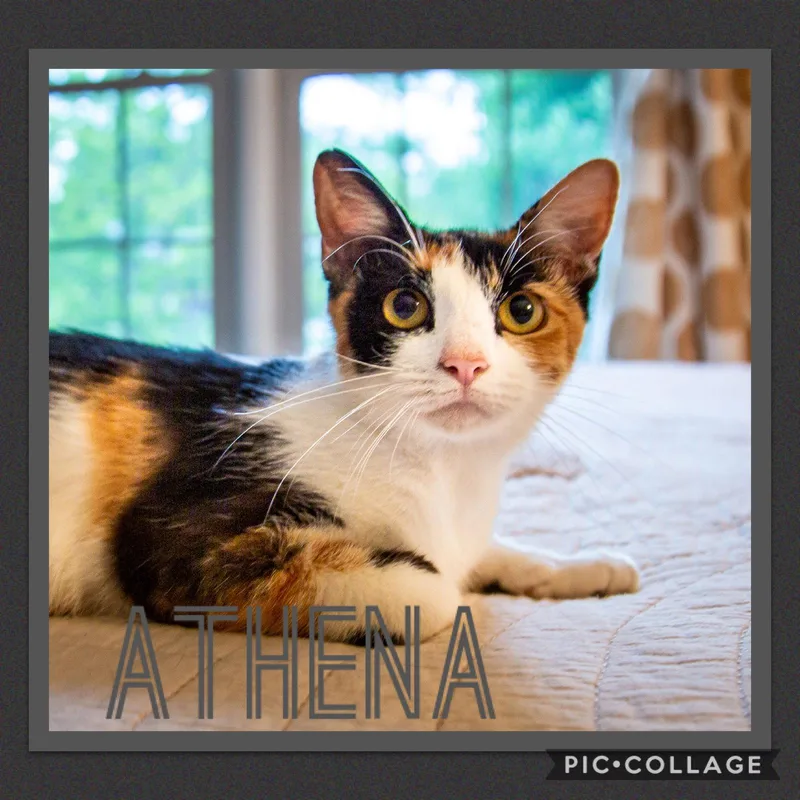
Tortoiseshell isn't a breed. It's a coat pattern where black-based and orange-based colors mix in patches or a fine mottled blend, usually with little or no white. Cats with large white areas are called calicos, dilute torties show soft gray and cream, and torbies add tabby stripes. Because the orange gene sits on the X chromosome, nearly all tortoiseshells are female.

Most torties in Louisville homes are domestic shorthairs, though the pattern shows up in many breeds. They typically weigh 6 to 14 pounds and can live 12 to 18 years, so adopting one is a long commitment. The reputation for tortitude is folklore more than fact. A cat's age, history and socialization say far more about personality than coat color does.


Weight
6–14 lbs
Height
8–10 in
Lifespan
12–18 yrs
Temperament
Independent, Affectionate, Playful
Shedding
Moderate

Owning a Tortoiseshell in Louisville

Having a Tortoiseshell in Louisville

Because tortoiseshell describes a coat rather than a breed, these cards cover what holds for most torties, which are domestic shorthairs of every age and personality. Louisville's older homes, humid summers and cold snaps shape the practical details.

Temperament

Torties have a reputation for spirited, opinionated personalities, but the evidence behind it is limited and comes mostly from owner impressions. In Louisville homes, tortoiseshell cats range from shy to bold and from lap cats to loners. Watch how a cat handles noise and visitors, since thunderstorms and fireworks are part of life here.

Exercise Needs

Most tortoiseshell cats need daily interactive play such as wand toys, chase games and puzzle feeders, with more for young cats and gentler sessions for seniors. Indoors, climbing shelves and window perches add enrichment. Some cats enjoy harness walks in quiet areas, but a catio or screened porch is a safer way to get fresh air.

Health Considerations

The tortoiseshell pattern carries no particular health risks in females, and the rare males usually have an extra X chromosome and may face added issues. Otherwise, health follows age and ancestry. Yearly vet exams, dental care and a healthy weight matter most. Rabies vaccination is required in Kentucky, and fleas are a concern through the warm months.

Living Space

Tortoiseshell cats do well in apartments and houses alike, since space needs depend on the cat. An Old Louisville apartment or a Smoketown shotgun house works fine with a cat tree, scratching posts and a few hideaways. Quiet cats may prefer calmer homes, while confident, social torties often adapt to busy households.

What it costs to own a Tortoiseshell in Louisville

ExpenseTypical costPer year
Food$25 to $50 per month$300 to $600
Pet insurance$20 to $45 per month$240 to $540
Routine vet care$150 to $350 per year$150 to $350
Other*$460 to $1,160 per year$460 to $1,160
Estimated yearly total (after year one)$1,150 to $2,650

Other costs are estimates and vary with size, age and health.

* Litter, flea and tick prevention, a dental cleaning allowance, toys and supplies, home grooming, and the Louisville cat license.

Adopt a Tortoiseshell in Louisville.

Now that you know more, let’s find you a new best friend. These rescues and shelters below currently have Tortoiseshells available.

Frequently Asked Questions

Yes. Louisville Metro has no known breed-specific rules for cats, and a coat pattern like tortoiseshell isn't regulated anyway. You'll need to microchip your cat, vaccinate for rabies and license it once it's four months old. Cats adopted from shelters here are typically already spayed or neutered, which qualifies them for the lower altered license rate.

Yes, a Tortoiseshell can live happily in an apartment in Louisville, since cats need enrichment more than square footage. A window perch, a cat tree, a scratching post and daily play go a long way in a converted Victorian in Old Louisville. Renters should get pet terms in writing, because deposits and pet rent vary by building.

Often, yes, if you can give a cat daily play and a steady indoor routine. Torties usually live 12 to 18 years, so think long-term. Louisville's older apartments and shotgun houses suit them well, and a window perch is a good start. Because tortoiseshell is a coat and not a personality, choose the cat in front of you, not the color.

Yes, as long as your cat lives indoors. About 40 days a year reach 90°F with humid nights, so run air conditioning or fans and keep water in several spots. Winter brings roughly 74 to 80 freezing nights and about 13 inches of snow, and the 2009 ice storm caused long power outages, so keep supplies on hand.

Most Tortoiseshells need little grooming: a weekly brush for shorthairs and a few times a week for longhairs. Shedding is moderate and tends to pick up as seasons change, so brush more often then to cut down on fur and hairballs. Home grooming is covered in the yearly Other costs, so salon visits usually aren't needed.

Louisville's TARC runs buses only, with no subway or rail. TARC's code of conduct welcomes service animals, so check TARC's current rules before planning a trip with a pet cat. Either way, a secure, ventilated carrier is the safest way to move any cat, including on the way to a vet visit.

A tortoiseshell cat is a cat with a coat pattern of black-based and orange-based colors blended or patched together, usually with little or no white. It is not a breed; the pattern appears in many breeds and most often in domestic shorthairs. Nearly all tortoiseshells are female because the genes for orange and black are carried on the X chromosome.

Almost all tortoiseshell cats are female, but not all. A female has two X chromosomes and can carry both orange and black color genes, producing the mixed coat. Males normally have only one X. Rare male torties usually have an extra X chromosome or are genetic chimeras, and they are estimated at roughly 1 in 3,000 tortoiseshells.

We have 2 rescues with Tortoiseshells available: Kentucky Pets Alive and Remy's Reach Animal Rescue, Inc.. You can see every rescue with Tortoiseshells available in the list above these questions, or scroll to the top to see the Tortoiseshells near Louisville.

Expect roughly $1,150 to $2,650 a year for a tortie in Louisville, covering food at $25 to $50 a month, insurance at $20 to $45 a month, routine vet care at $150 to $350 a year, and other costs of $460 to $1,160 a year. Litter and supplies make up much of that last figure.