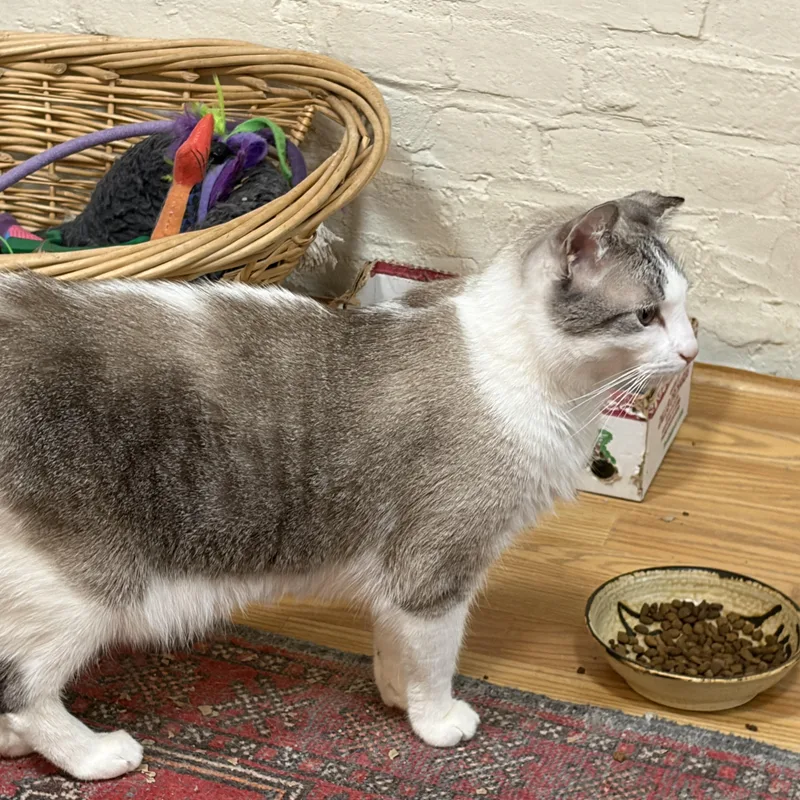
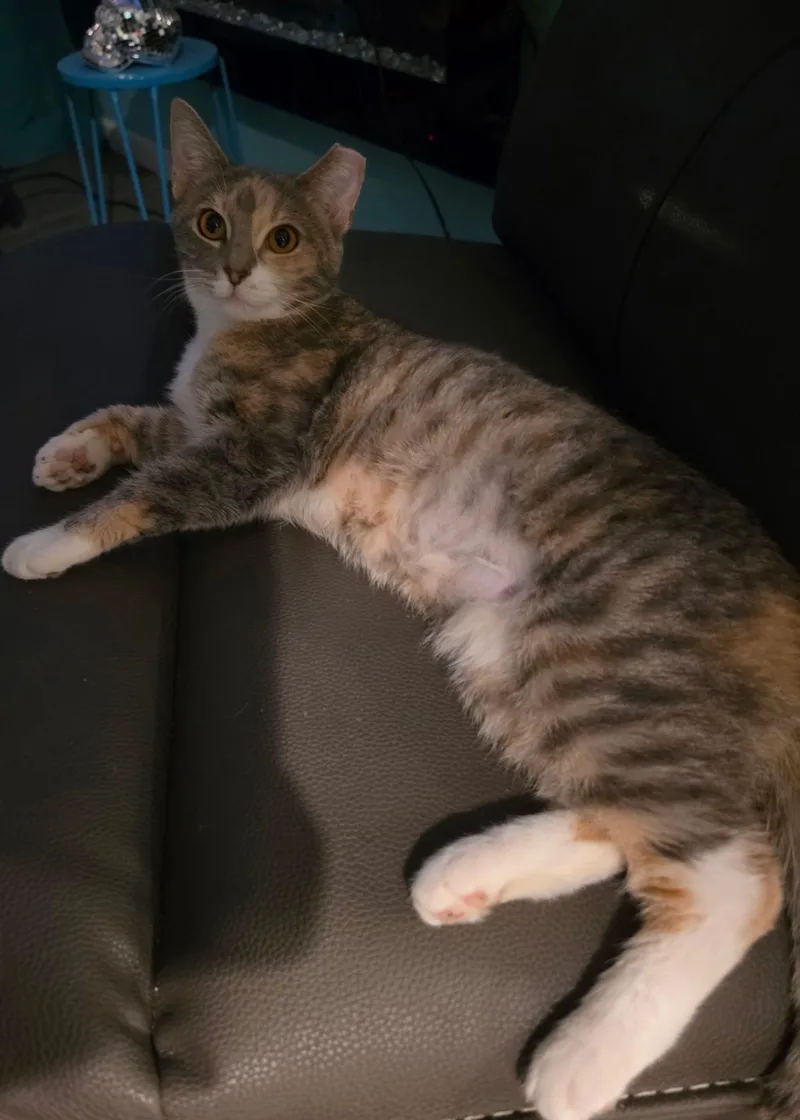
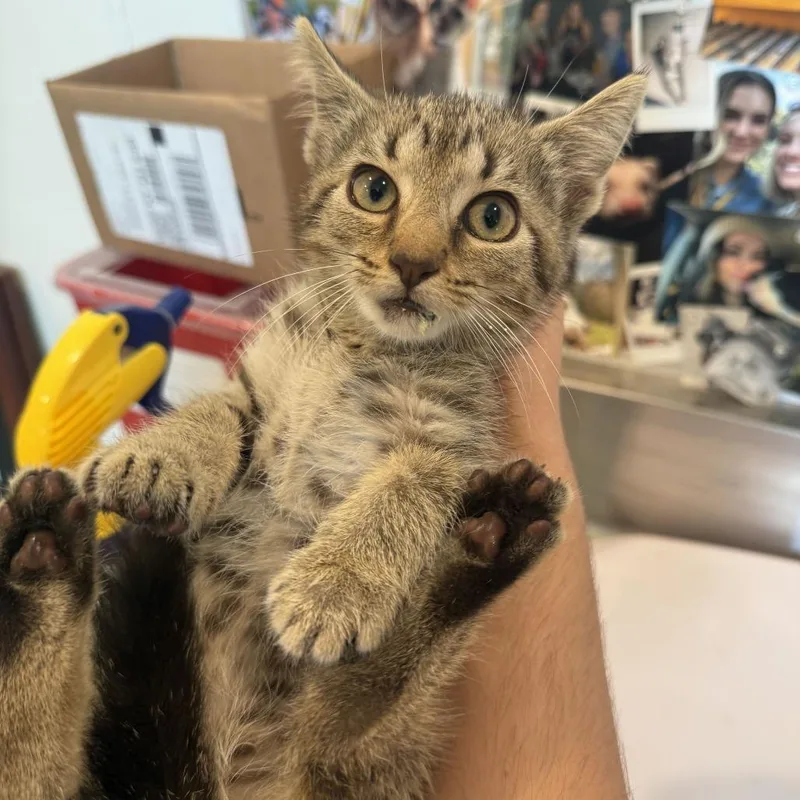
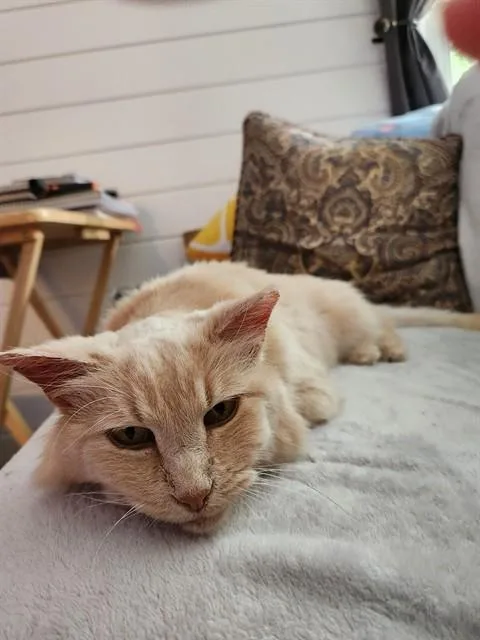
Torbie Cats for Adoption in Louisville, KY

Your guide to finding and caring for a Torbie in Louisville

A torbie fits easily into a Germantown shotgun house or an Old Louisville Victorian apartment. Torbie is a coat pattern, not a breed, so these cats vary a lot, but most do well indoors if they have somewhere high to watch the street. Tall Victorian windows and long shotgun hallways are made for perches and chase games. If you're adopting a torbie in Louisville, plan on a sunny window, a cat tree and a few play sessions a day.

327 Torbies available in Louisville and nationwide

Fall for a Torbie

While we don't have enough cats near Louisville, keep in mind that many rescues may offer transport.

Torbies Available for Adoption Near Louisville

About the Torbie breed

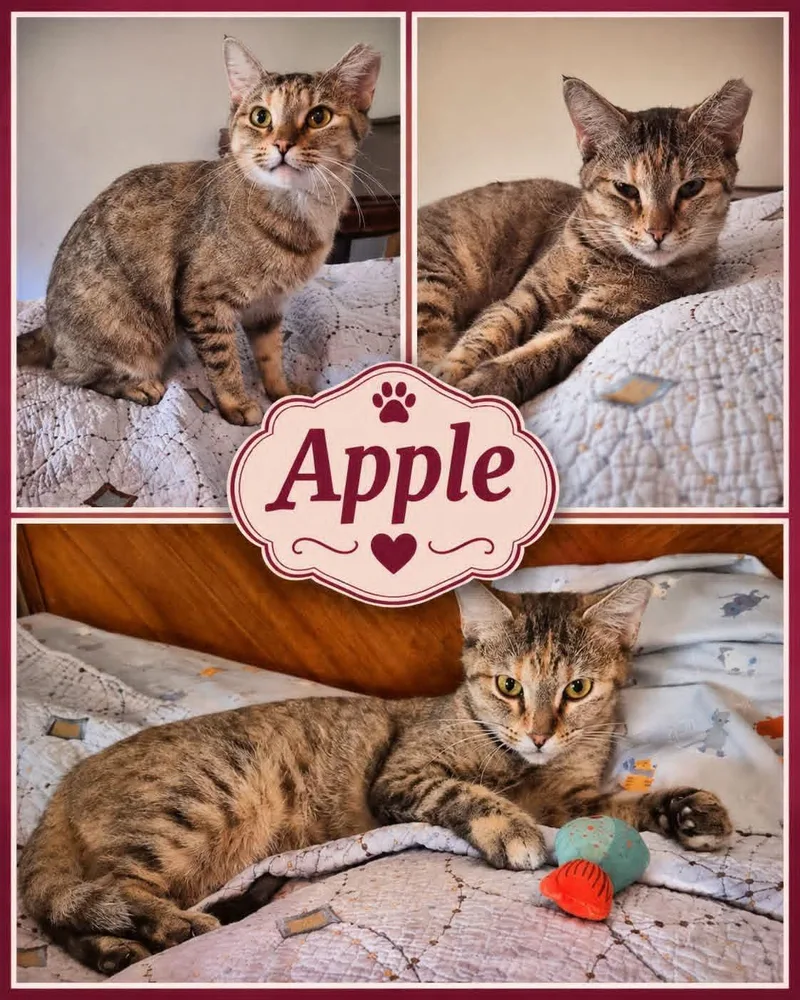
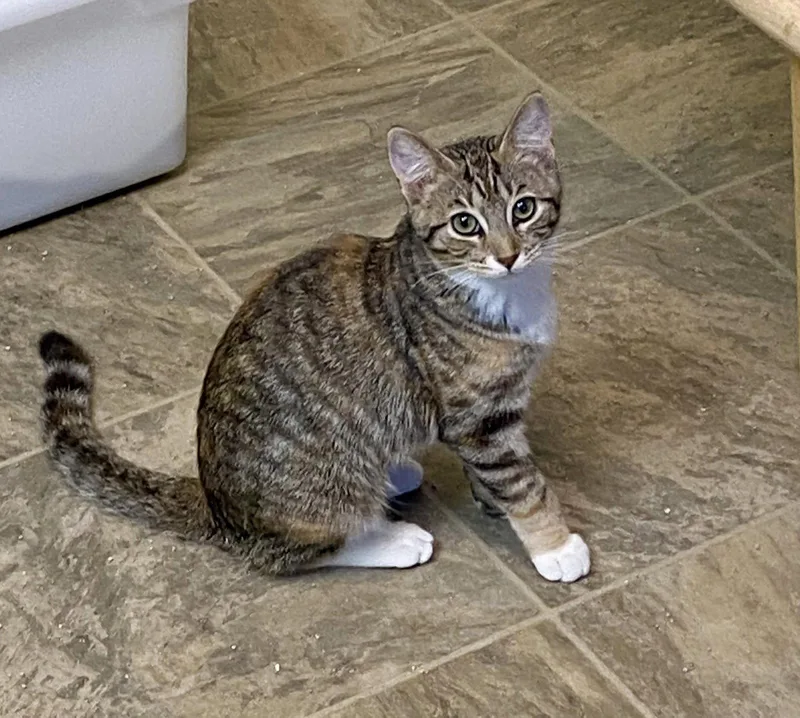
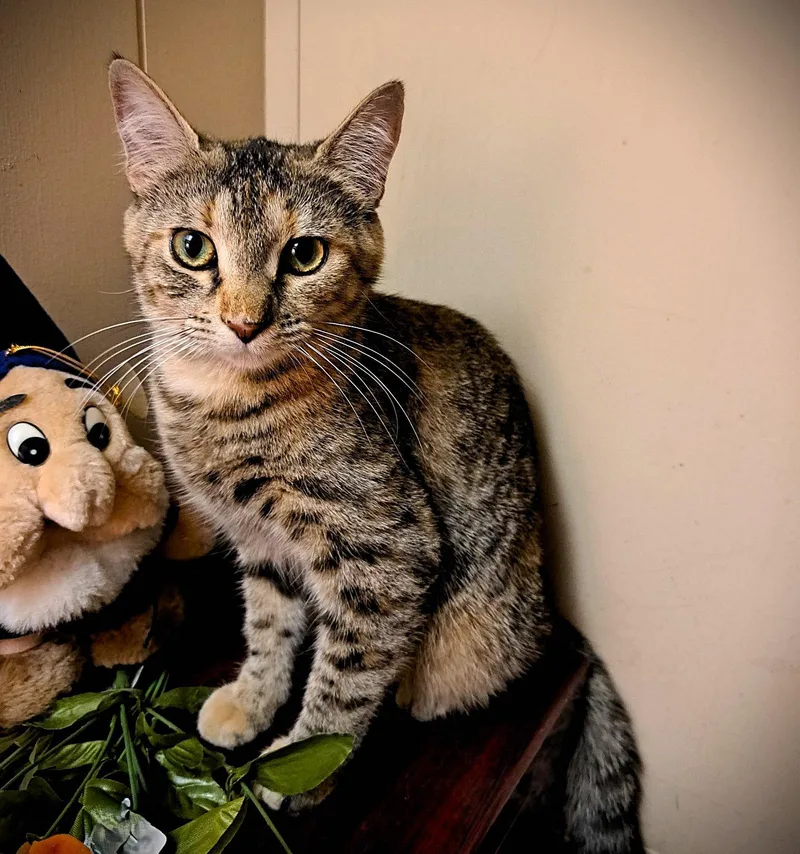
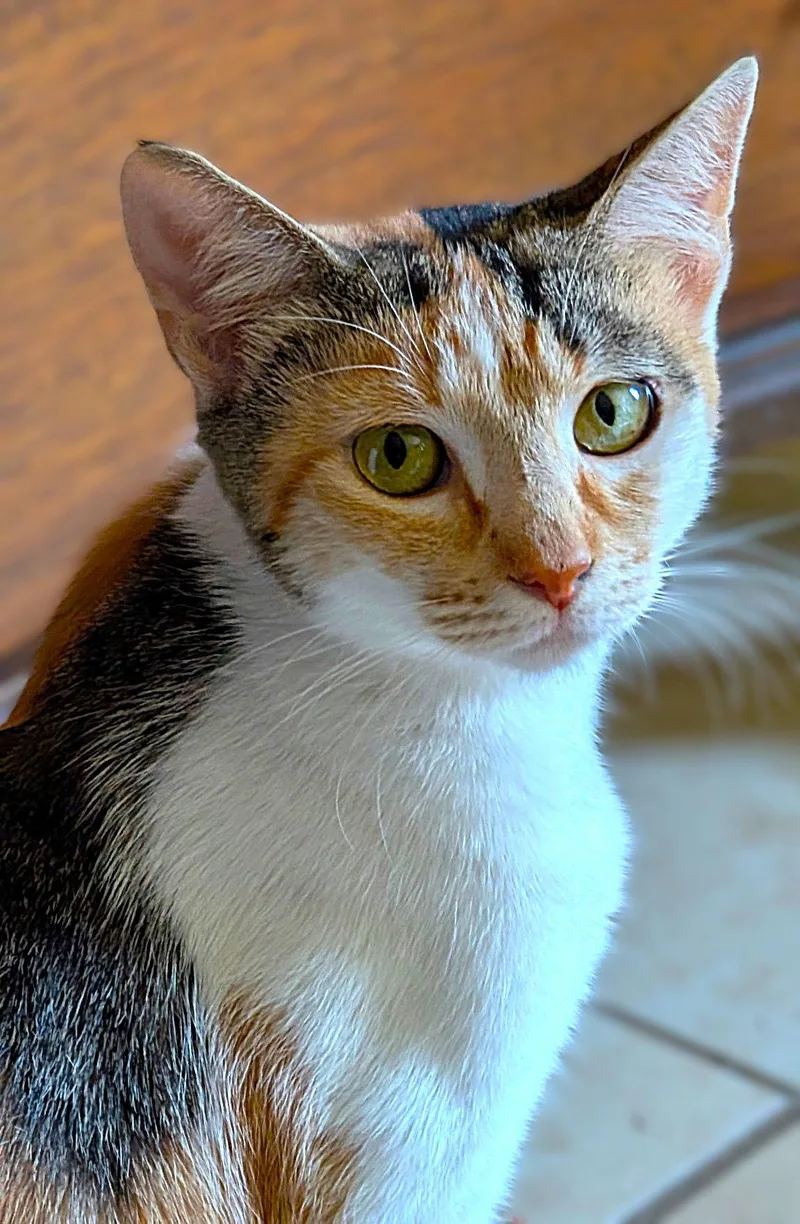
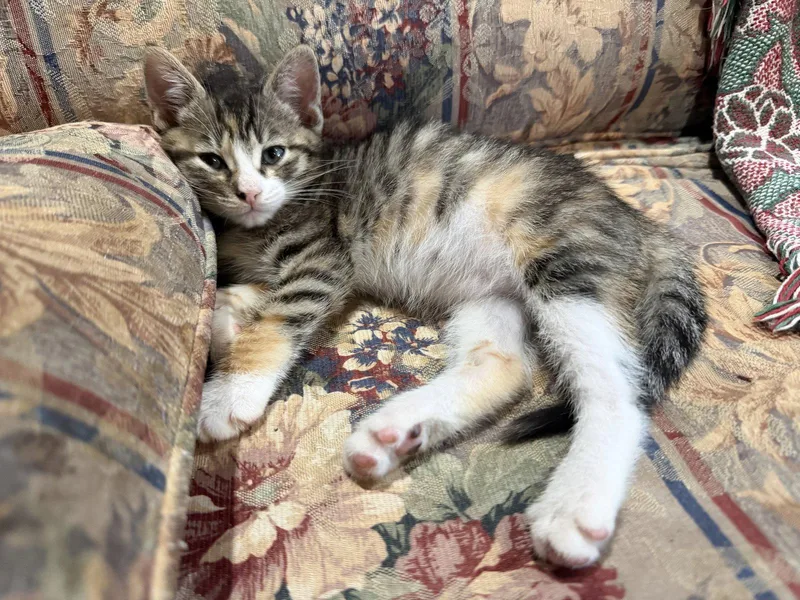
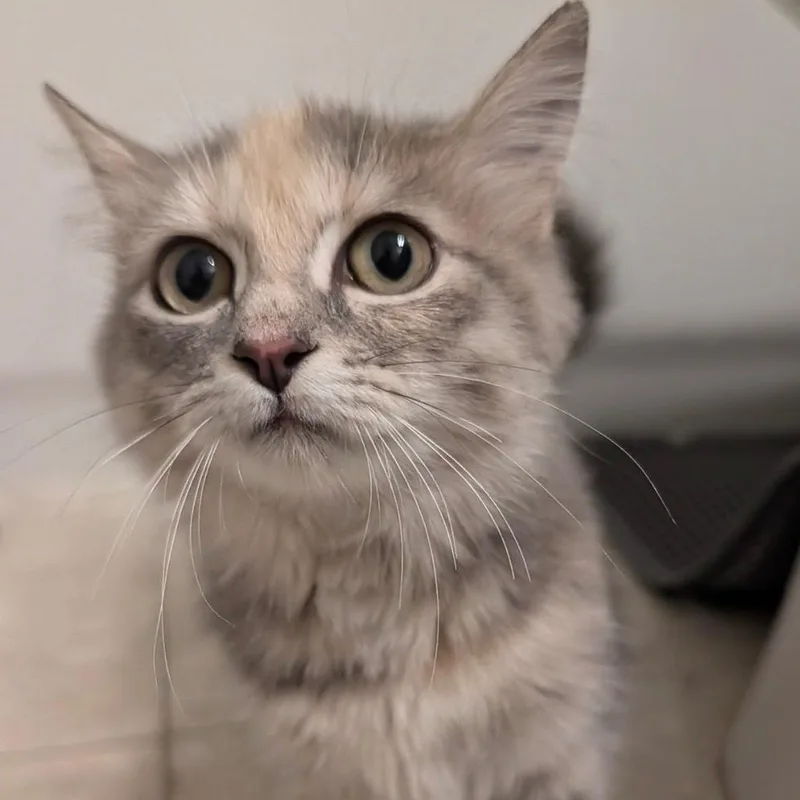
Torbie describes a coat, not a breed. The name blends tortoiseshell and tabby: patches of black-based and orange-based color with tabby stripes or swirls running through them, often with the classic M on the forehead. Nearly all torbies are female, and the pattern comes in brown, blue-and-cream and silver versions.

Most torbies are domestic shorthairs or longhairs, so size, energy and coat follow a cat's ancestry rather than its color. Expect a medium cat of about 6 to 14 pounds, a lifespan of 12 to 18 years and moderate shedding. Adopters meet torbies of every temperament, from reserved to bold. In Louisville, that means weekly brushing, a bit more in spring and fall, and a cat that does well indoors.

Weight
6–14 lbs
Height
8–10 in
Lifespan
12–18 yrs
Temperament
Playful, Affectionate, Curious
Shedding
Moderate

Owning a Torbie in Louisville

Having a Torbie in Louisville

Torbie describes a coat, not a breed, so these cards cover what's generally true of domestic cats with this pattern. A torbie's energy, health and personality depend on age and history, and Louisville's seasons and rental housing shape everyday care.

Temperament

Torbies are often called spirited, chatty or affectionate, but that comes from owner lore, and coat color hasn't been shown to predict behavior. Some are shy, others outgoing. In a Louisville apartment, spend time with a cat and watch how it reacts to noise, since thin walls and street sounds suit some cats better than others.

Exercise Needs

Most torbies need daily interactive play, such as wand toys, chase games and puzzle feeders, plus safe places to climb. Louisville's cold winters and humid summers keep most exercise indoors, so a tall cat tree and a window perch matter. Young cats may want several short sessions a day, while seniors prefer gentler play.

Health Considerations

The torbie pattern carries no known health risks for female cats, and the rare male torbie is usually sterile and may have added health issues. Otherwise, health depends on age and care: regular vet visits, dental care, vaccines, a healthy weight and flea prevention matter most. A veterinarian can check a newly adopted cat from nose to tail.

Living Space

Torbies adapt to apartments and houses alike, since space needs come from each cat's personality, not its coat. In Louisville's older Victorian conversions and shotgun houses, vertical space helps most: cat trees, window perches and hiding spots. Shy cats settle best in calmer homes, while social torbies often handle busy households well.

What it costs to own a Torbie in Louisville

ExpenseTypical costPer year
Food$25 to $50 per month$300 to $600
Pet insurance$20 to $45 per month$240 to $540
Routine vet care$150 to $350 per year$150 to $350
Other*$460 to $1,160 per year$460 to $1,160
Estimated yearly total (after year one)$1,150 to $2,650

Other costs are estimates and vary with size, age and health.

* The $10 Louisville cat license for a spayed or neutered cat, litter, flea prevention, a dental cleaning allowance, toys and supplies, and home grooming.

Adopt a Torbie in Louisville.

Now that you know more, let’s find you a new best friend. These rescues and shelters below currently have Torbies available.

Rescues in Louisville with Torbies Available

Louisville has a county animal shelter and a nonprofit humane society, both caring for cats waiting for homes. Here are the rescues & shelters in the Louisville area where you can find Torbies and other cats available for adoption.

Frequently Asked Questions

Yes, you can get a torbie in Louisville, and no known breed-specific rule applies; torbie is a coat pattern, and Louisville's animal code has no known breed restrictions. Plan on the county cat license, a registered microchip and a current rabies vaccine. Cats must stay under restraint off your property, so use a carrier or harness on outings.

Yes, a torbie can live happily in a Louisville apartment as long as it has vertical space and daily play. Add a cat tree or window perch, a scratching post and a litter box away from the noisiest wall. A lively young cat may need evening play sessions, while a mellow adult may be content with a sunny sill.

Yes, for indoor cats, Louisville's climate works well for torbies. Summers are hot and humid and winters are genuinely cold, with occasional ice, but a cat kept inside copes easily. Run fans or air conditioning in July, offer a warm bed in January, and keep a carrier and supplies ready in case a storm knocks out power.

A torbie needs about a weekly brushing if shorthaired and a few times a week if longhaired, since shedding is moderate. Expect heavier shedding in spring and fall, and watch longhairs for mats in humid summers. Most grooming happens at home, and its small cost sits within the yearly Other range alongside litter and dental care.

Possibly, but TARC's published rules only clearly cover service animals. Louisville's transit is buses only, with no subway or rail, so check TARC's current rules on pets before planning a ride with a cat. For vet visits, a sturdy, well-ventilated carrier that your cat is used to makes any trip calmer.

A torbie cat is a cat whose coat combines tortoiseshell and tabby patterns, with patches of black-based and orange-based color plus tabby stripes, swirls or spots. It is a coat pattern, not a breed, and appears mostly in domestic shorthairs and longhairs. Torbies are also called tortie-tabbies or patched tabbies, and nearly all are female.

No, torbie cats are not especially rare. The pattern appears whenever a tortoiseshell cat also inherits tabby markings, which is common, and shelters regularly have torbies available. Male torbies are a different story: like other male tortoiseshells, they are very rare. Some variations, such as silver or dilute torbies, are seen less often but are still not unusual.

Torbie cats are almost always female, though not quite always. Showing both orange and black-based colors normally requires two X chromosomes, because the orange color gene sits on the X. Females have two X chromosomes, so they can be torbies. Rare male torbies usually have an extra X chromosome, an XXY makeup, and are typically sterile.

We have 1 rescue with Torbies available: Kentucky Pets Alive. You can see every rescue with Torbies available in the list above these questions, or scroll to the top to see the Torbies near Louisville.

Expect roughly $25 to $50 a month for food, $20 to $45 a month for pet insurance, $150 to $350 a year for routine vet care, and $460 to $1,160 a year for other costs such as litter, prevention and dental care. That comes to about $1,150 to $2,650 a year, before any emergency treatment.

Find Torbies in Nearby Cities

Expand your search to find Torbies available for adoption near Louisville.