Havana Cats for Adoption in Louisville, KY

Your guide to finding and caring for a Havana in Louisville

Havanas do well in the converted Victorians of Old Louisville and the shotgun houses of Germantown, where tall windows give a curious cat plenty to watch. They're chatty in a soft voice, follow you from room to room, and like having a job, whether that's batting a toy down a long hallway or inspecting a fresh bag of groceries. The short chocolate coat needs little care. A Havana wants company, so it suits people who are home often or who already have a friendly pet.

2798 cats similar to Havana available in Louisville and nationwide

Give a Havana Brown a home

While we don't have enough cats near Louisville, keep in mind that many rescues may offer transport.

Havanas and Similar Breeds Available for Adoption Near Louisville

About the Havana breed

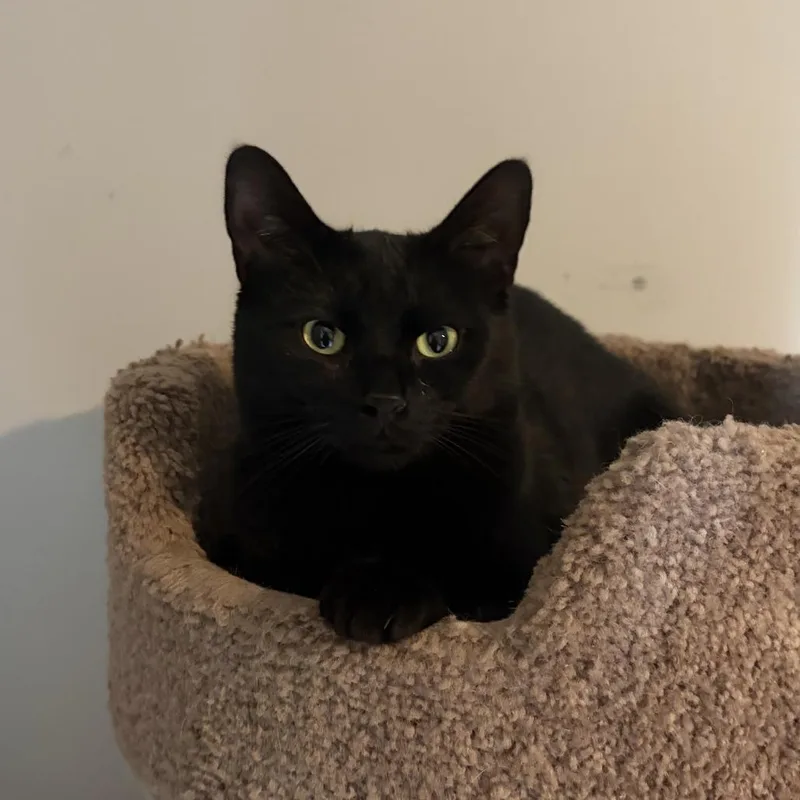
The Havana, called the Havana Brown by some registries, began in 1950s Britain, where chocolate-carrying Siamese were paired with black domestic shorthairs. The look is unmistakable: a glossy chocolate coat, brown whiskers, green eyes, large forward-tilted ears and a squared-off muzzle on a moderate, muscular body that usually weighs 6 to 10 pounds.

Personality matters more than looks for a good match. Havanas tend to be curious and people-focused, and many reach out with a paw to investigate whatever you're doing. Their voice is softer than a Siamese's. The breed is rare, so in Louisville you're more likely to meet brown shorthaired cats or Havana mixes, and each cat can differ from the breed description. Lifespan is commonly 10 to 15 years, a long commitment worth planning for.

Weight
6–10 lbs
Height
9–11 in
Lifespan
10–15 yrs
Temperament
Social, Curious, Affectionate, Playful
Shedding
Low

Owning a Havana in Louisville

Having a Havana in Louisville

Expect a sleek, low-shedding cat that wants to be part of the household. In Louisville, the practical questions are how much time someone is home, how a social cat does in a smaller space, and how to keep it comfortable through hot, humid summers and cold winters.

Temperament

Havanas are often affectionate, curious and talkative in a soft voice. Many greet visitors rather than hide, which suits a lively household or a building where neighbors drop by. They can get lonely on long workdays, so midday play or a second friendly pet helps. Each cat differs, and its own behavior says more than the breed label.

Exercise Needs

Plan two or three short play sessions a day with wand toys, balls and puzzle feeders. A climbing tree beside a window gives a Havana a view of the street, which suits a curious cat. With Louisville's cold snaps and muggy July evenings, keep exercise indoors, and try harness walks only if the cat enjoys them.

Health Considerations

No breed-specific genetic disease is well documented, but gum inflammation may be more common, so tooth brushing and a yearly dental exam are worthwhile. The breed's small gene pool means little health data exists, so a veterinarian can talk through screening after adoption. Keep vaccines current, including rabies, which Kentucky requires by four months of age.

Living Space

A Havana is comfortable in anything from a one-bedroom apartment to a house in Crescent Hill. Space matters less than enrichment: window perches, a cat tree, scratchers and a few hiding spots. Keeping this cat indoors in Louisville also keeps it away from traffic and summer heat, as long as someone gives it regular company.

What it costs to own a Havana in Louisville

ExpenseTypical costPer year
Food$25 to $50 per month$300 to $600
Pet insurance$25 to $50 per month$300 to $600
Routine vet care$150 to $350 per year$150 to $350
Other*$460 to $1,160 per year$460 to $1,160
Estimated yearly total (after year one)$1,210 to $2,710

Other costs are estimates and vary with size, age and health.

* Litter, the Louisville cat license, flea and tick prevention, a dental cleaning allowance, toys, scratchers and other supplies, and minimal home grooming for the short coat.

Adopt a Havana in Louisville.

Now that you know more, let’s find you a new best friend. These rescues and shelters below have cats available in and near Louisville.

Rescues and Shelters in or near Louisville

Louisville's shelters and rescues help many cats find homes, and brown shorthairs and Havana mixes can show up among them. Here are the rescues & shelters in the Louisville area with cats available for adoption, worth asking whether a Havana is coming in.

Frequently Asked Questions

Yes, Louisville Metro has no known breed rules for cats, so a Havana is treated like any other cat. You'll need a county license once the cat is four months old, a registered microchip with current contact details, and a current rabies vaccination. A spayed or neutered cat qualifies for the lower license rate.

Yes, a medium-sized Havana adapts well to apartments. Many are chatty, though in a softer voice than a Siamese. What matters most is company and things to do: a window perch, a cat tree, scratchers and daily play. Use secure screens on open windows or balcony doors. Long days alone are harder on this cat than a small floor plan.

A Havana fits Louisville well if you're home for part of the day or have another friendly pet. Hot summers and cold winters are easy to handle for an indoor cat, and the short coat needs little care. It's a weaker match for someone away long hours, since Havanas are social and can get bored or lonely.

Mostly yes, if your Havana lives indoors. Louisville has hot, humid summers and cold winters, but both are manageable. Run air conditioning in summer heat, keep water fresh, and give the cat warm bedding and a sunny perch in winter. Staying inside also avoids exposure to storms, ice and July 4 fireworks.

A weekly brushing is usually plenty, since the Havana's short coat sheds little. A soft brush or damp cloth adds shine, and you can brush more often during seasonal shedding. Tooth care matters more than coat care for this breed. Home grooming costs little and is counted in the Other costs on this page.

A Havana cat, also called the Havana Brown, is a rare shorthaired breed developed in Britain in the 1950s from Siamese and black domestic cats. It is recognized by its rich chocolate-brown coat, brown whiskers, green eyes and distinctive muzzle. Havanas tend to be social, curious and people-focused, and few are available, so brown shorthaired mixes are more common in shelters.

Plan on roughly $1,200 to $2,700 a year for a Havana in Louisville. That covers food at $25 to $50 a month, insurance at $25 to $50 a month, routine vet care at $150 to $350 a year, and $460 to $1,160 a year for other costs such as litter, parasite prevention, dental care and the license.