Bengal Cats for Adoption in Louisville, KY

Your guide to finding and caring for a Bengal in Louisville

Bengals suit Louisville best in a home with room to climb and someone around to play with them. In an Old Louisville Victorian split into apartments, tall windows and high ceilings give a Bengal plenty to scale, and a long Germantown shotgun house makes a decent racetrack. They're busy, curious cats that want daily play, puzzle feeders and a tall tree by a window. If you like an interactive cat, that's half the fun.

218 Bengals available in Louisville and nationwide

A Bengal is ready for you

While we don't have enough cats near Louisville, keep in mind that many rescues may offer transport.

Bengals Available for Adoption Near Louisville

About the Bengal breed

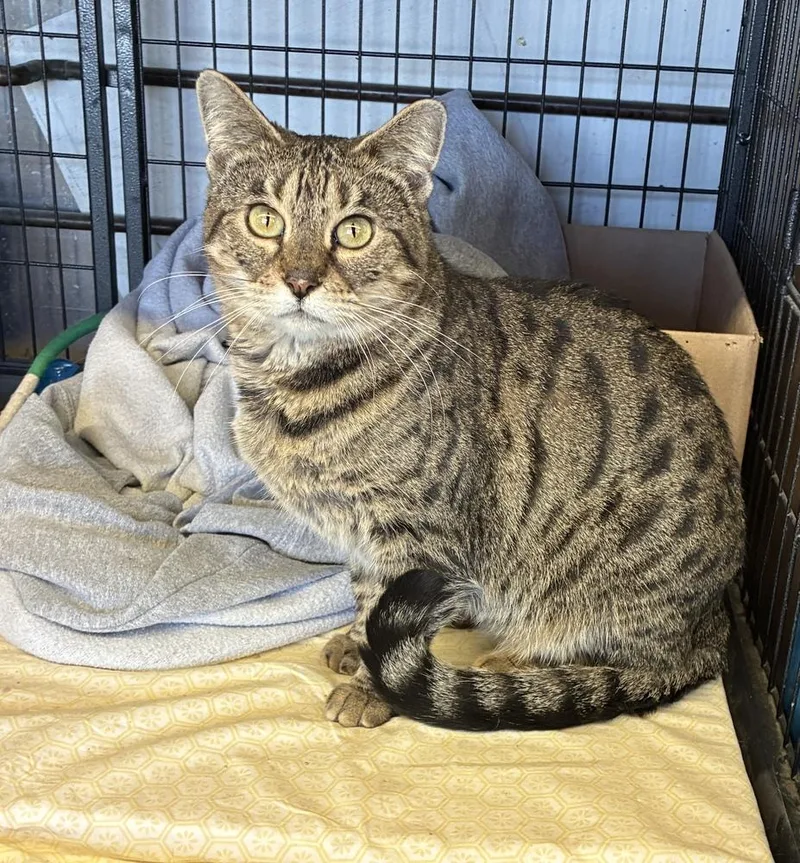
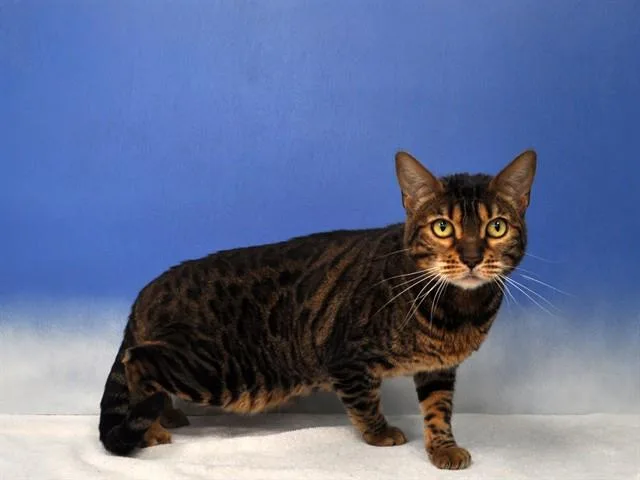
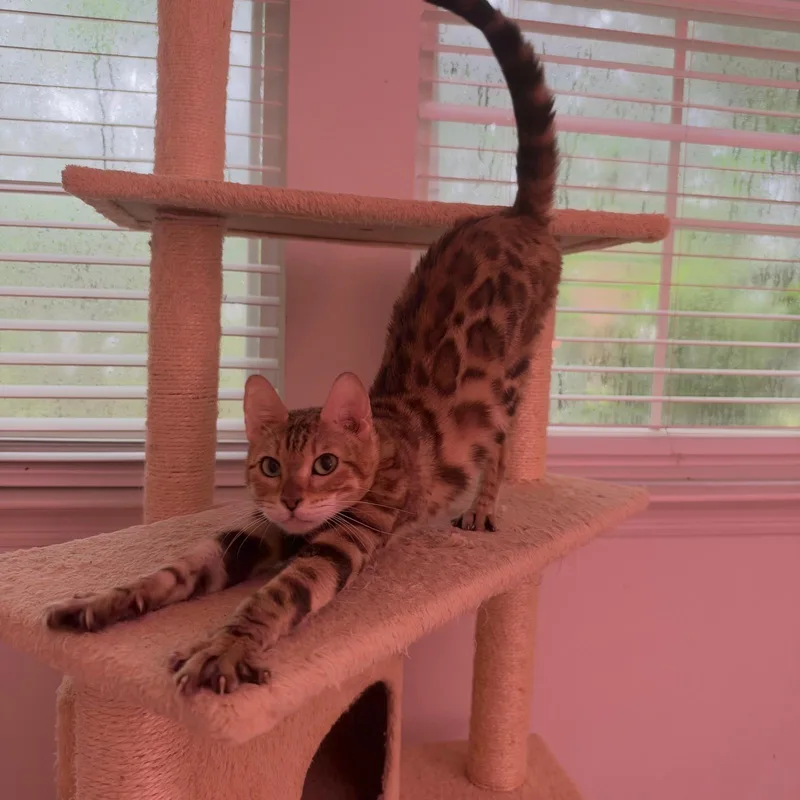
The Bengal started in the United States in the 1960s, when domestic cats were crossed with the Asian leopard cat. Today's pet Bengals are many generations removed from that ancestor and are fully domestic. They're medium-sized, usually 8 to 15 pounds, with a muscular build and a short, soft coat in spotted, rosetted or marbled patterns, often with a glittery sheen.

Personality is where Bengals stand out. They're clever, athletic and curious, and many learn fetch, open cupboards or play in running water. Most stay playful well into adulthood. In Louisville, that suits households where someone is home often and enjoys training, climbing setups and play sessions. Bengals vary, though, and some are more laid-back than the breed's reputation suggests.

Weight
8–15 lbs
Height
9–11 in
Lifespan
10–15 yrs
Temperament
Energetic, Curious, Intelligent
Shedding
Low to Moderate

Owning a Bengal in Louisville

Having a Bengal in Louisville

Bengals pair a striking coat with an athletic body and a problem-solving mind. Daily activity, plenty of interaction and a few inherited health risks are the main things to weigh when deciding whether a Bengal fits your household.

Temperament

Bengals tend to be confident, curious and closely involved with their people, often following them from room to room. Many are talkative and can get pushy when bored. Some enjoy cat-friendly dogs and playful cats, while others are bossy. Each Bengal's personality differs, so spend time with the cat before deciding.

Exercise Needs

Plan on several active play sessions a day, using wand toys, fetch or chase games, plus tall cat trees and wall shelves. Food puzzles and clicker training keep a Bengal's mind busy, and many take to a harness. In Louisville, a window perch with a view of birds and squirrels helps burn energy on indoor days.

Health Considerations

Bengals can develop hypertrophic cardiomyopathy, a heart condition, along with inherited problems such as progressive retinal atrophy and pyruvate kinase deficiency. Genetic tests exist for some of these. Annual vet exams, with heart screening if your veterinarian recommends it, help catch trouble early. In Louisville, rabies vaccination is required by law and a microchip is required too.

Living Space

Bengals do well in apartments or houses as long as they have vertical space and daily attention. Louisville's older homes, with tall windows and high ceilings, offer good climbing room. Stimulation matters more than square footage, since a bored Bengal may open cabinets, knock things over or chew cords. Keep them indoors or in an enclosed catio.

What it costs to own a Bengal in Louisville

ExpenseTypical costPer year
Food$25 to $50 per month$300 to $600
Pet insurance$30 to $60 per month$360 to $720
Routine vet care$150 to $350 per year$150 to $350
Other*$510 to $1,360 per year$510 to $1,360
Estimated yearly total (after year one)$1,320 to $3,030

Other costs are estimates and vary with size, age and health.

* Cat litter, the $10 yearly Louisville license for a spayed or neutered cat, flea prevention, a dental cleaning allowance, toys and bedding, light brushing, and extra climbing and puzzle enrichment.

Adopt a Bengal in Louisville.

Now that you know more, let’s find you a new best friend. These rescues and shelters below currently have Bengals available.

Rescues in Louisville with Bengals Available

Louisville's adoption community includes a county animal shelter and nonprofit rescues, with cats of all ages and types coming through them. Here are the rescues & shelters in the Louisville area where you can find Bengals and other cats available for adoption.

Frequently Asked Questions

A Bengal fits Louisville well if you're home often and enjoy active play. Older apartments and shotgun houses offer plenty of climbing room when you add cat trees and shelves. A Bengal left alone all day may turn destructive, so plan on daily play and puzzle feeders. Hot summers and cold winters are easy to handle indoors.

Yes, a Bengal can live in a Louisville apartment if it has tall climbing space and daily play. About 39% of local households rent, so landlord pet policies are common. Get pet fees in writing and record existing scratches on the move-in damage list. Sturdy cat trees protect curtains, blinds and shelves.

Louisville's climate works for an indoor Bengal. Summers bring about 40 days at 90°F or higher, so keep the home cool and water available. Winters are cold, with freezing nights about 75 times a year, and a short-coated Bengal needs warm perches and extra play. Spring storms and fireworks call for a quiet hiding spot.

Yes, no known Louisville rule bans or restricts Bengals. You'll need a county license for a cat four months or older, rabies vaccination by four months and a microchip for cats over three months old. A spayed or neutered cat's license is $10 a year, or $25 for a lifetime license with a microchip.

A Bengal needs very little grooming: a weekly brushing keeps the short coat sleek and handles light shedding. Louisville's humid summers don't change that, though shedding may rise a bit during seasonal swings. Nail trims and occasional dental care matter more. Grooming costs are a small part of the yearly Other costs in the cost table.

For a Bengal that wears a harness, Waterfront Park downtown welcomes leashed pets, though not on playgrounds, fountains or the Splash Park. Jefferson Memorial Forest also allows pets on a leash at all times. Start with short, quiet outings, keep the harness snug, and stay away from busy paths and off-leash dogs.

A Bengal is a domestic cat breed developed from crosses between house cats and the small Asian leopard cat, then bred for generations with domestic cats. Bengals have short, sleek coats with spots, rosettes or marbling, muscular builds and lively, curious personalities. Pet Bengals are domestic cats, though their energy and intelligence often feel a little wilder.

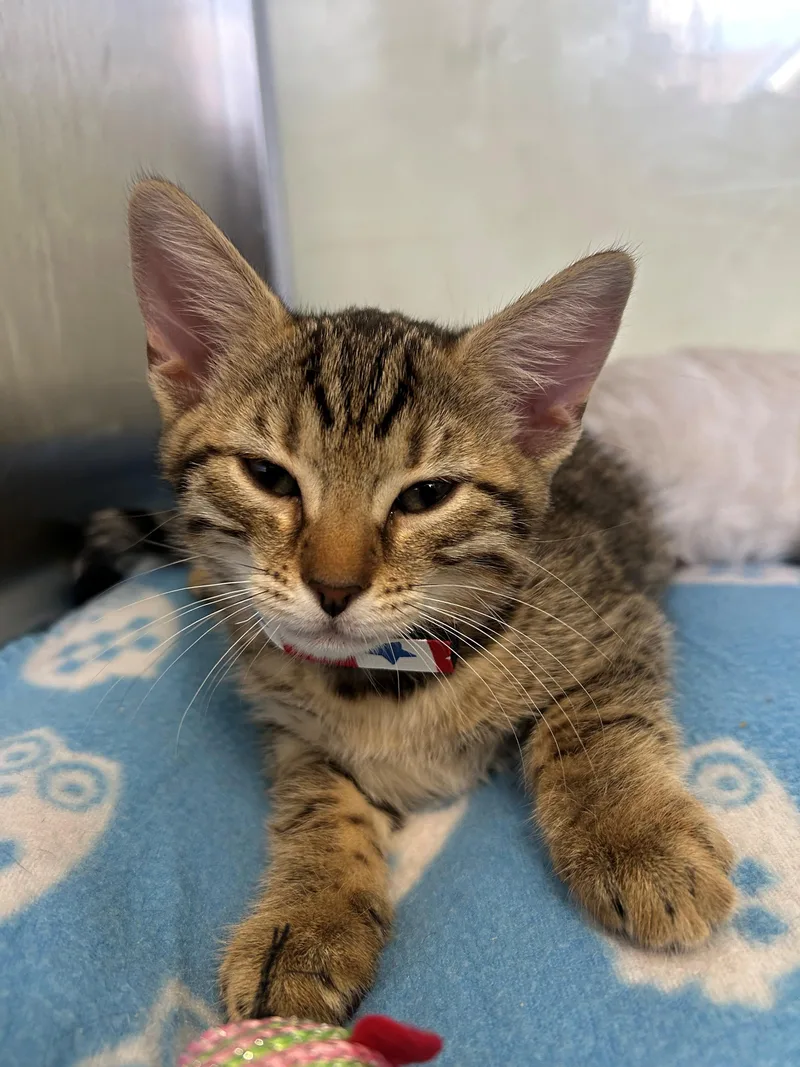
Bengal kittens look like tiny spotted or marbled wild cats, with large eyes, rounded ears and bold markings visible from birth. Many go through a fuzzy stage at a few weeks old, when longer guard hairs make the pattern look muddy or faded. The coat usually clears and sharpens over the first several months as the kitten matures.

We have 1 rescue with Bengals available: Great Lakes Bengal Rescue. You can see every rescue with Bengals available in the list above these questions, or scroll to the top to see the Bengals near Louisville.

Expect roughly $1,300 to $3,000 a year for a Bengal in Louisville. That covers food at $25 to $50 a month, insurance at $30 to $60 a month, routine vet care at $150 to $350 a year, and other costs at $510 to $1,360 a year, including litter, parasite prevention, dental care and enrichment.

Find Bengals in Nearby Cities

Expand your search to find Bengals available for adoption near Louisville.