Snowshoe Cats for Adoption in Wichita, KS

Your guide to finding and caring for a Snowshoe in Wichita

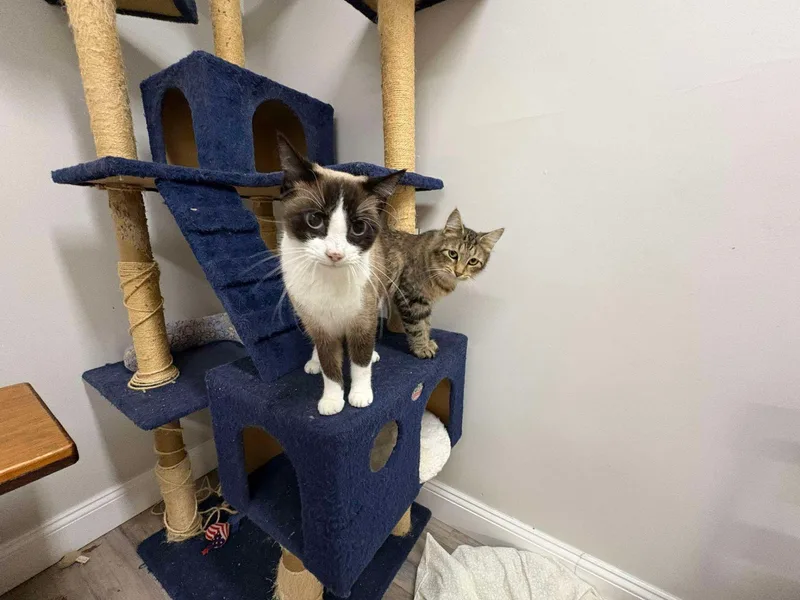
A Snowshoe fits Wichita's older neighborhoods well, because it wants company more than space. A sunny window in a College Hill house or a loft in Old Town gives one plenty to watch, and a tall cat tree handles the climbing. Snowshoes talk in a soft voice and often pick a favorite person, so they're happiest when someone's home a good part of the day. The breed is rare, so many Snowshoe-pattern cats are really pointed domestics with white feet.

188 Snowshoes available in Wichita and nationwide

Adopt a Snowshoe today

While we don't have enough cats near Wichita, keep in mind that many rescues may offer transport.

Snowshoes Available for Adoption Near Wichita

About the Snowshoe breed

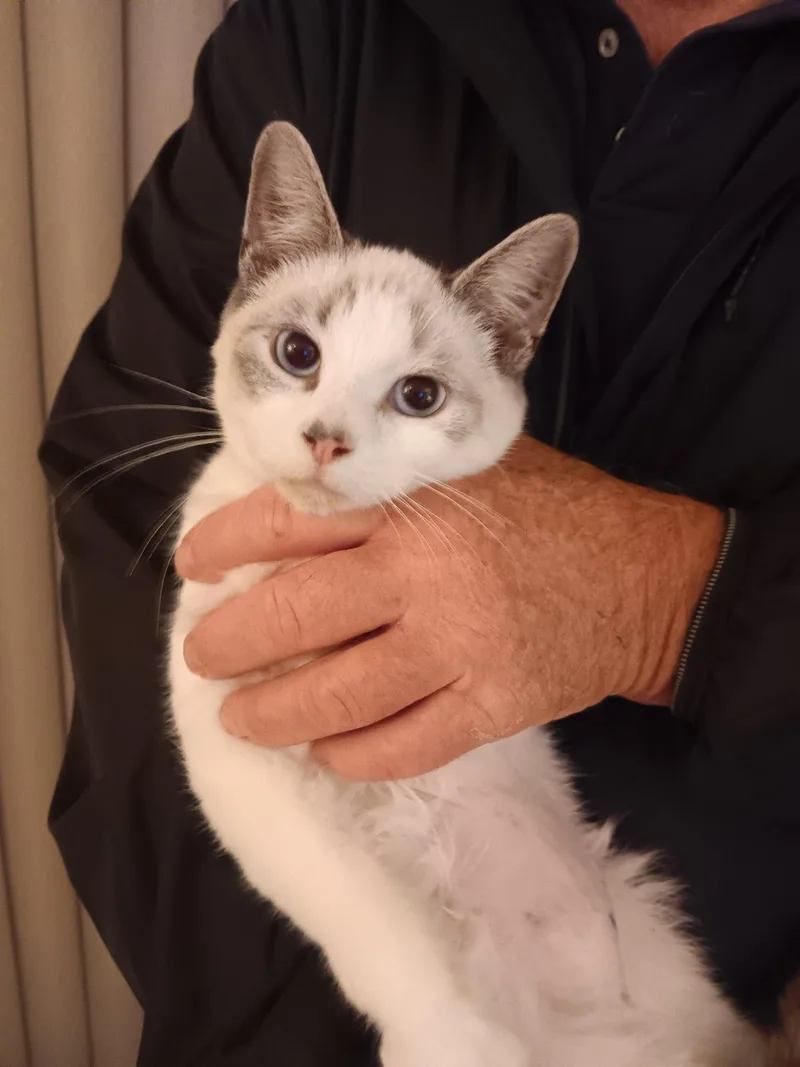
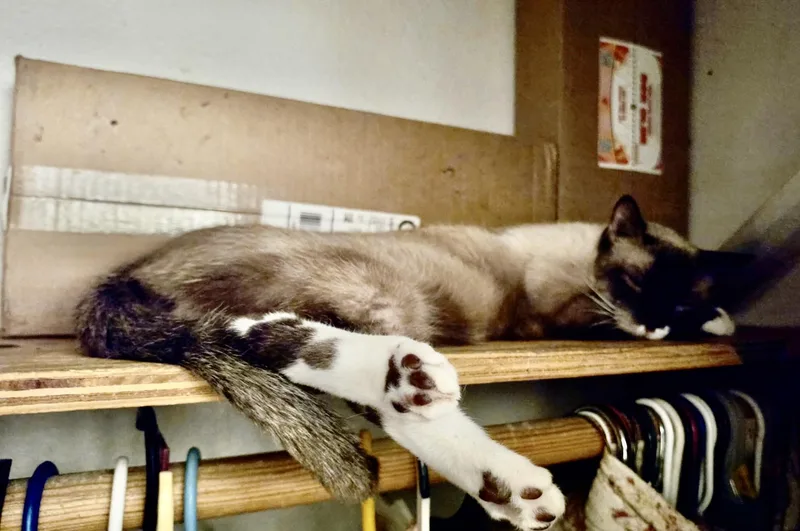
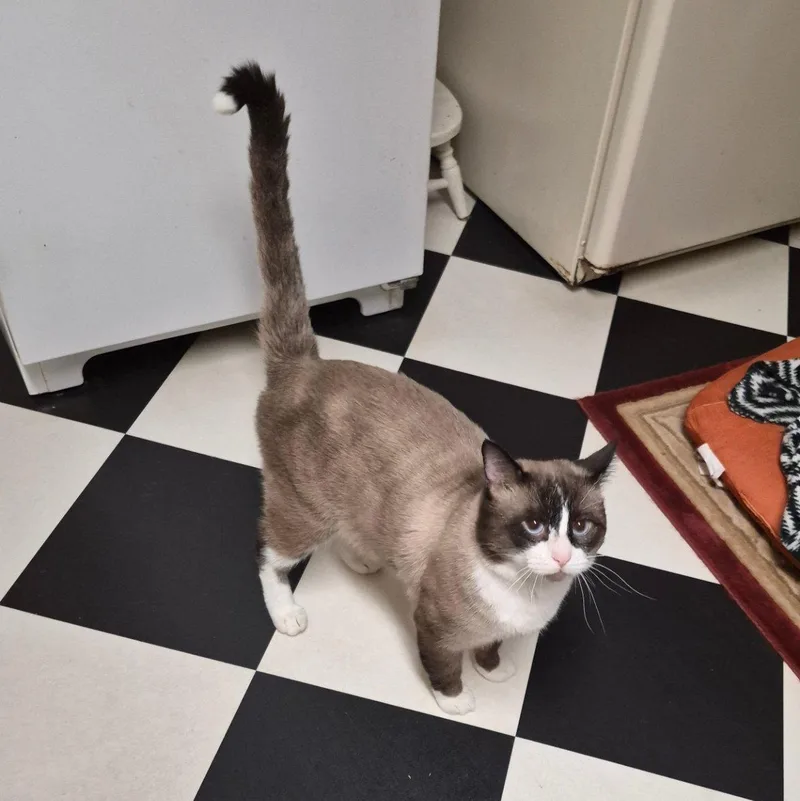
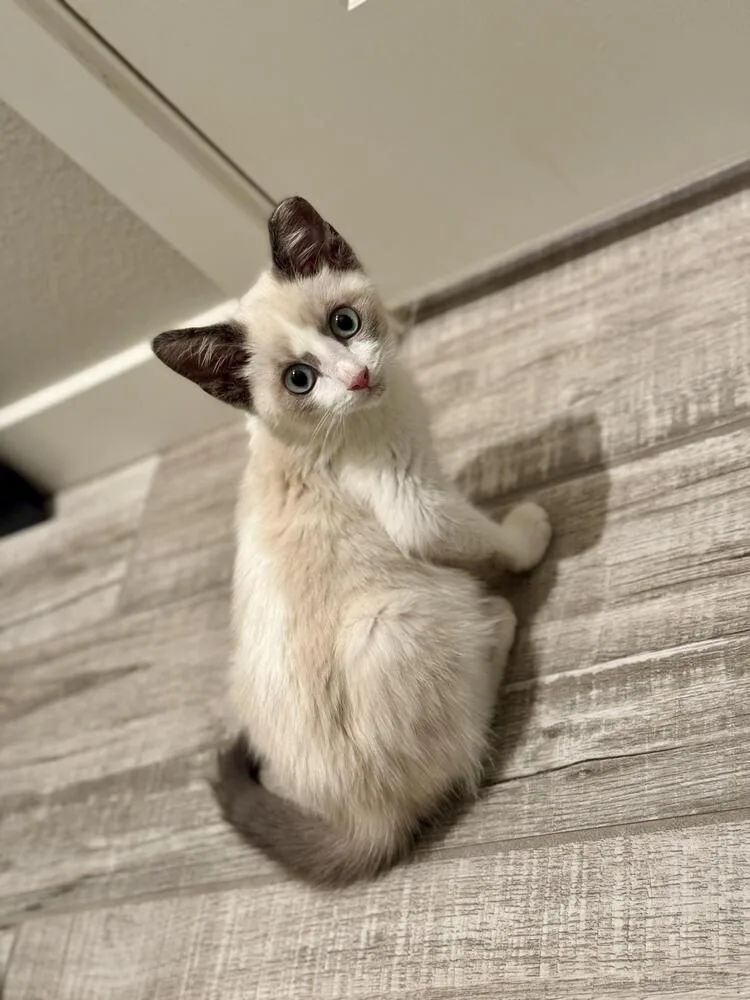
The Snowshoe began in 1960s Philadelphia, when three Siamese kittens were born with white feet. Crosses between Siamese and bicolor American Shorthairs kept the look: a medium-sized, athletic cat of about 7 to 12 pounds with a short, smooth coat, Siamese-style points, blue eyes, white mittens and often a white inverted V on the face. The pattern is hard to reproduce, which is why true Snowshoes are uncommon.

Many Snowshoes are affectionate and gentle, often attaching to one favorite person. They're intelligent and curious, and some learn tricks, open doors or play in water. In a Wichita home, expect a cat who greets you at the door and tests the cabinet latches. Most live 14 to 19 years, so it's a long commitment, and each cat's personality varies.

Weight
7–12 lbs
Height
8–12 in
Lifespan
14–19 yrs
Temperament
Affectionate, Sweet, Intelligent, Social
Shedding
Low to Moderate

Owning a Snowshoe in Wichita

Having a Snowshoe in Wichita

Snowshoes combine Siamese-style smarts with a mellow, people-loving nature. Company, daily play and an easy short coat matter most when deciding whether one fits, and generally sturdy health helps. Pattern mixes vary, so expect differences from cat to cat.

Temperament

Snowshoes tend to be sweet and companionable, often following a favorite person from room to room. Many are a little shy with visitors but devoted at home, and they chat in a soft, melodic voice. In a Wichita apartment or house, that closeness is a plus if someone's home often. Personalities vary, especially in pattern mixes.

Exercise Needs

Most Snowshoes are moderately active and enjoy daily play with wand toys, balls and puzzle feeders. Their intelligence makes trick training and fetch rewarding. Indoors in Wichita, cat trees and window perches give them places to climb and watch the street. Without enough stimulation or company, some get bored or demanding, so schedule regular interactive sessions.

Health Considerations

Snowshoes are generally healthy and often live well into their teens. Urate bladder stones show up more often than average, so steady water intake matters, especially through Wichita's hot summers. Dental disease and heart conditions are worth watching, as in many cats. Yearly checkups and dental care let a veterinarian catch problems early.

Living Space

A Snowshoe adapts well to apartments or houses, since it values company more than square footage. In a Wichita apartment, a cat tree or wall shelves add vertical territory and make a small space feel bigger. Homes where someone's around often, or with a friendly second pet, usually suit them best.

What it costs to own a Snowshoe in Wichita

ExpenseTypical costPer year
Food$25 to $50 per month$300 to $600
Pet insurance$25 to $50 per month$300 to $600
Routine vet care$150 to $350 per year$150 to $350
Other*$450 to $1,150 per year$450 to $1,150
Estimated yearly total (after year one)$1,200 to $2,700

Other costs are estimates and vary with size, age and health.

* Litter, flea prevention, a dental cleaning allowance, toys, scratchers and bedding, and occasional brushing for a short coat.

Adopt a Snowshoe in Wichita.

Now that you know more, let’s find you a new best friend. These rescues and shelters below have cats available in and near Wichita.

Rescues and Shelters in or near Wichita

Wichita's shelters and rescues take in many cats, and pointed, white-footed Snowshoe-type cats may appear among them. Here are the rescues & shelters in the Wichita area with cats available for adoption, worth asking whether a Snowshoe is coming in.

Frequently Asked Questions

Yes. No known Wichita rule restricts owning a Snowshoe or any other cat breed. Adopters need to microchip the cat and stay within three cats per household without a permit. Because true Snowshoes are rare, many white-footed pointed cats are Snowshoe types, so watch the listings on this page and save a search to hear about new cats.

Sometimes. Wichita Transit runs buses only, and a pet that isn't a service animal may ride in an approved carrier that's fully enclosed so it can't get out. A Snowshoe, at roughly 7 to 12 pounds, fits a standard carrier, which makes bus trips to the vet realistic. Ride calmly, and keep the carrier on your lap or floor.

Yes, a Snowshoe does well in an apartment as long as it has company and things to do. Add a tall cat tree, a window perch and puzzle feeders, and schedule daily play. Its soft, melodic voice is unlikely to bother neighbors, though a bored or lonely Snowshoe can get more demanding, so plan for time at home.

Yes, as indoor cats. Wichita summers bring many 90°F days, so keep the home cool with air conditioning or fans, and offer plenty of water, since Snowshoes are prone to urate bladder stones. A fountain can encourage drinking. Skip outdoor time on hot afternoons, and never leave a cat in a parked car.

A Snowshoe fits well if someone is home a good part of the day and enjoys interactive play. Wichita's mix of houses and apartments suits an indoor cat, and the short coat is easy to keep up. It's a weaker match for households away long hours, since many Snowshoes dislike being alone.

Very little. A Snowshoe's short, smooth coat has little undercoat, so a weekly brushing handles shedding, which may pick up a bit as Wichita warms in spring. Add regular nail trims and dental care. Professional grooming is rarely needed, and brushing supplies fit within the yearly other costs on this page.

A Snowshoe cat is a rare American breed developed in the 1960s from Siamese and bicolor American Shorthair cats. It has a short coat, Siamese-style color points, blue eyes and distinctive white paws that look like snowshoes, often with a white inverted V on the face. Many are affectionate, intelligent and soft-voiced companions.

Plan on roughly $1,200 to $2,700 a year for a Snowshoe in Wichita. That covers food at $25 to $50 a month, insurance at $25 to $50 a month, routine vet care at $150 to $350 a year, and other costs of $450 to $1,150 a year, including litter, flea prevention and dental care.

Explore Other Breeds in Wichita

Looking for a different breed? Browse other cats available for adoption in Wichita.