Domestic Short Hair Cats for Adoption in Wichita, KS

Your guide to finding and caring for a Domestic Short Hair in Wichita

Domestic Short Hairs fit Wichita's mix of older houses and newer apartments with little fuss. A historic College Hill house with sunny windows or a one-bedroom near Bradley Fair works equally well, as long as there's a window perch, a scratching post and a daily play session. Because DSH describes a coat type rather than a breed, no two cats are quite alike, so personality matters more than looks. Summer afternoons here often top 90°F, so a cool, shaded nap spot helps.

257 Domestic Short Hairs available for adoption in Wichita

Find your Domestic Short Hair

Domestic Short Hairs Available for Adoption in Wichita

About the Domestic Short Hair breed

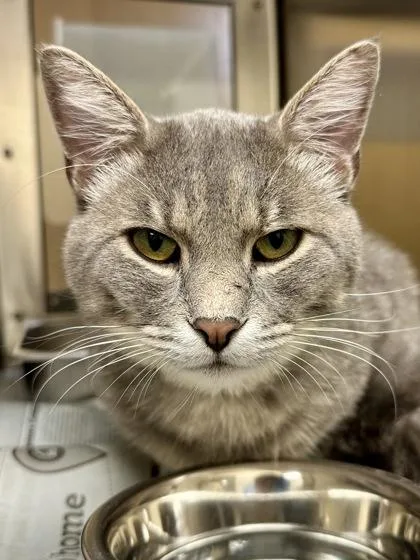
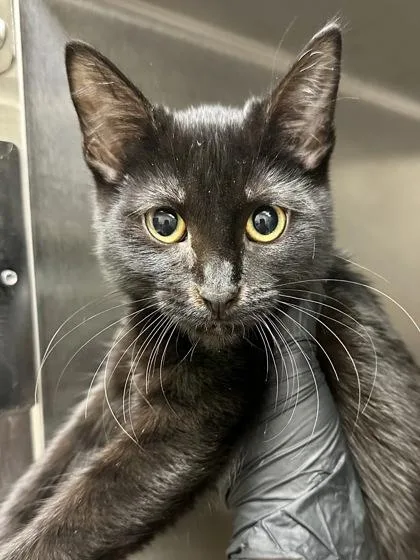
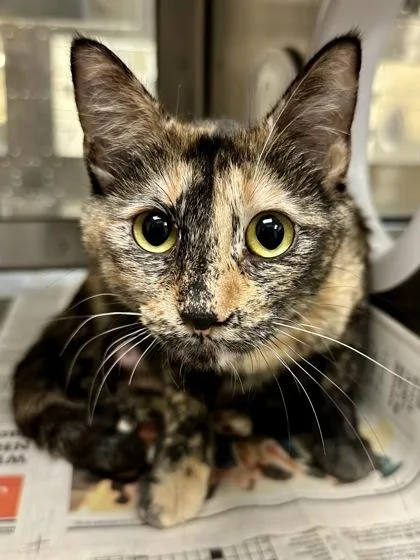
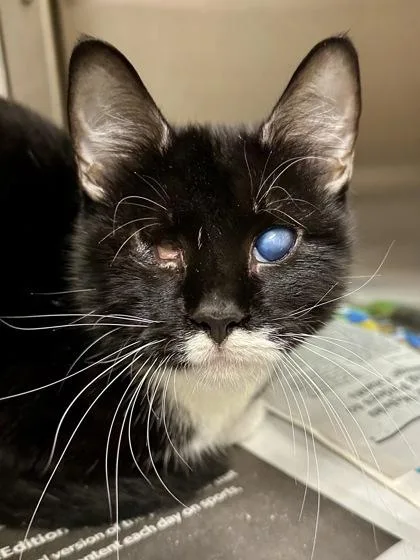
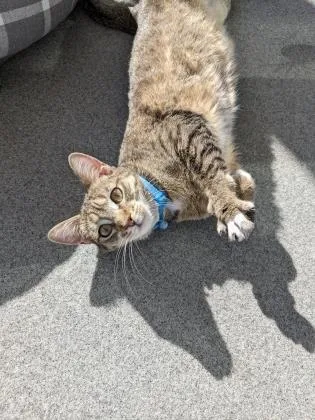
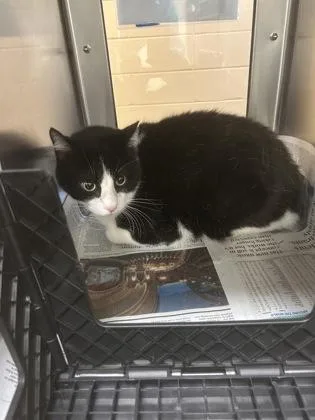
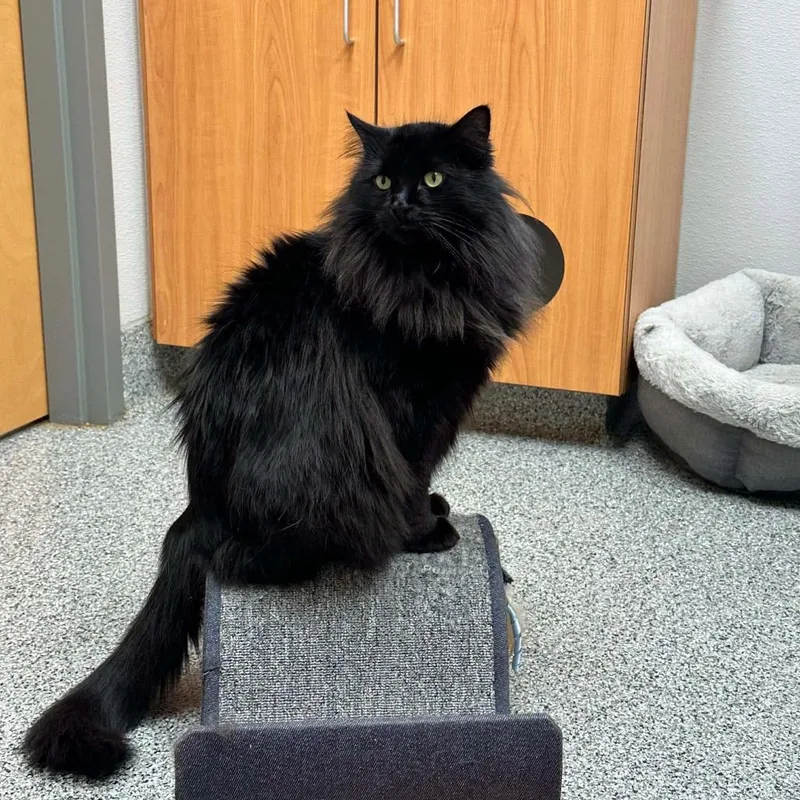
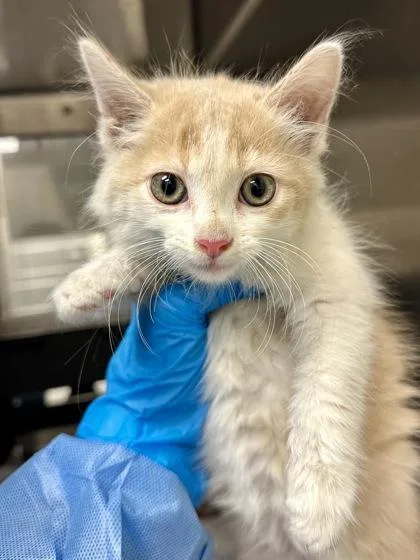
Domestic Short Hair is a label for short-coated cats of mixed or unknown ancestry, not a pedigreed breed. It's the most common kind of cat in American homes and shelters, and adoption records often shorten it to DSH. Tabby, tuxedo, calico and solid black cats all fall under it, and it shouldn't be confused with the American Shorthair.

That variety means a DSH can suit nearly any Wichita household. Most are medium-sized, around 6 to 14 pounds, with a sturdy build and a coat that needs only occasional brushing. Some are lap cats, some are talkative, and others prefer to watch the street from a windowsill. A cat's age and energy level tell you more about the match than coat color does.

Weight
6–14 lbs
Height
8–10 in
Lifespan
12–18 yrs
Temperament
Adaptable, Curious, Affectionate
Shedding
Moderate

Owning a Domestic Short Hair in Wichita

Having a Domestic Short Hair in Wichita

Domestic Short Hairs share a practical short coat, but little else is fixed. In Wichita, the useful questions are how much play and enrichment a cat needs indoors, how it handles hot summers and loud spring storms, and whether your home and lease fit.

Temperament

Temperament runs from outgoing lap cats to shy, independent watchers. Cats that stay calm around neighbors' footsteps suit apartment buildings, while thunderstorms and fireworks can unsettle sensitive ones. Kittens are usually bold and playful, and adults show settled personalities. Early socialization and past experiences shape behavior more than coat type does.
Exercise Needs

Most Domestic Short Hairs need daily interactive play, and in Wichita that mostly happens indoors. Wand toys, chase games and food puzzles burn energy and satisfy hunting instincts, while a window perch overlooking the yard entertains between sessions. Plan extra play on freezing winter days and hot summer afternoons. Young cats want several bursts a day; seniors enjoy gentler sessions.

Health Considerations

Common feline concerns include obesity, dental disease and urinary problems, plus kidney disease, hyperthyroidism and diabetes in older cats. A veterinarian can check weight, teeth and heart soon after adoption. Cats with asthma or other breathing trouble may struggle on smoky spring days, so keep windows closed and watch for coughing.

Living Space

Domestic Short Hairs usually adapt well to apartments or houses when they have enrichment and quiet retreats. Climbing shelves, scratching posts, hiding spots and a clean litter box matter more than square footage. Keeping a cat indoors or in a secure enclosure protects it from traffic, heat and wildlife. Secure screens on windows and balcony doors prevent falls.

What it costs to own a Domestic Short Hair in Wichita

ExpenseTypical costPer year
Adoption fee$25 to $125, one time$25 to $125 in year one
Food$25 to $50 per month$300 to $600
Pet insurance$20 to $45 per month$240 to $540
Routine vet care$150 to $350 per year$150 to $350
Other*$450 to $1,150 per year$450 to $1,150
Estimated yearly total (after year one)$1,140 to $2,640
First-year total (with adoption fee)$1,165 to $2,765

Adoption fee is the range of fees on Domestic Short Hair listings in Wichita on GetBuddy today. Other costs are estimates and vary with size, age and health.

* Litter, flea and tick prevention, a dental cleaning allowance, toys, scratchers and other supplies, and minimal home grooming.

Adopt a Domestic Short Hair in Wichita.

Now that you know more, let’s find you a new best friend. These rescues and shelters below currently have Domestic Short Hairs available.

Rescues in Wichita with Domestic Short Hairs Available

Wichita's shelters and rescues care for many cats, and Domestic Short Hairs are among the most common. Here are the rescues & shelters in the Wichita area where you can find Domestic Short Hairs and other cats available for adoption.

Frequently Asked Questions

Yes, and Wichita doesn't license cats, so there's no city cat license to buy. Since January 2025, cats five months and older must be microchipped unless a veterinarian advises against it, and a household can keep up to three cats without an animal maintenance permit. Have your vet confirm the chip and keep your contact details current.

Yes, most Domestic Short Hairs do well in apartments because vertical space, a window perch and daily play matter more than square footage. Get permission for the cat in writing before signing a lease, add secure screens to windows and balcony doors, and give a nervous cat a quiet hiding spot for storms and fireworks.

Yes, for indoor cats. Heating and air conditioning handle the hot summers and freezing winters, so the main risks are sun spots that overheat, power outages in storms and smoky spring days. Outdoor cats face both extremes, so keeping a Domestic Short Hair indoors is the safest choice here.

Yes, on Wichita Transit buses, since the city has no subway or rail. A cat must ride in an approved pet carrier that fully contains it so it can't get out. Service animals are handled differently and must be declared when boarding. Choose a secure, comfortable carrier and line it with a towel.

Very little. A quick brush once or twice a week keeps the coat healthy, with a bit more in spring and fall when shedding picks up, plus nail trims every few weeks. Dry indoor air in winter can make coats static and skin flaky. Home brushing costs little, and professional grooming is rarely needed.

Domestic shorthair cats typically live about 12 to 18 years, and many indoor cats reach their late teens or early twenties. Large UK veterinary studies have found mixed-breed cats tend to live slightly longer than pedigreed cats on average. Spaying or neutering, indoor living, a healthy weight, dental care and regular checkups all help a cat enjoy a longer life.

No, domestic shorthair cats are not hypoallergenic. The main cat allergen, a protein called Fel d 1, comes from saliva and skin glands, so short fur does not prevent reactions. Allergen levels vary between individual cats, and some people react less to certain cats. Spending time with a specific cat before adopting is the best way to test your response.

A domestic shorthair cat is a short-coated cat of mixed or unknown ancestry rather than a member of a pedigreed breed. It is the most common type of cat in the United States and in shelters. Domestic shorthairs come in every color and pattern, and their size and personality vary widely depending on their varied genetic background.

We have 3 rescues with Domestic Short Hairs available: Kansas Humane Society of Wichita, Wichita Animal Action League and Beauties and Beasts Rescue. You can see every rescue with Domestic Short Hairs available in the list above these questions, or scroll to the top to see the Domestic Short Hairs in Wichita.

Plan on roughly $25 to $50 a month for food, $20 to $45 a month for pet insurance, $150 to $350 a year for routine vet care, and $450 to $1,150 a year for litter, flea prevention, dental care and supplies. Together that comes to about $1,140 to $2,640 a year.

Explore Other Breeds in Wichita

Looking for a different breed? Browse other cats available for adoption in Wichita.