Birman Cats for Adoption in Wichita, KS

Your guide to finding and caring for a Birman in Wichita

A Birman suits Wichita's older neighborhoods well, where a quiet indoor cat can claim a sunny window. In a College Hill bungalow or a Delano rental, a Birman will likely follow you from room to room and settle in for company rather than commotion. They're soft-spoken and moderately playful, happy with a cat tree and a couple of play sessions a day. Since many dislike long stretches alone, they fit best with someone home often, or another friendly pet.

2331 cats similar to Birman available in Wichita and nationwide

Find your forever Birman

While we don't have enough cats near Wichita, keep in mind that many rescues may offer transport.

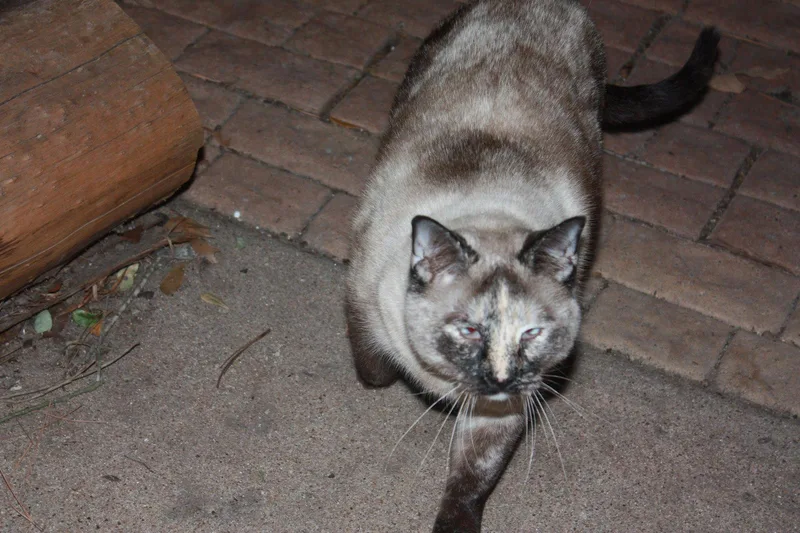
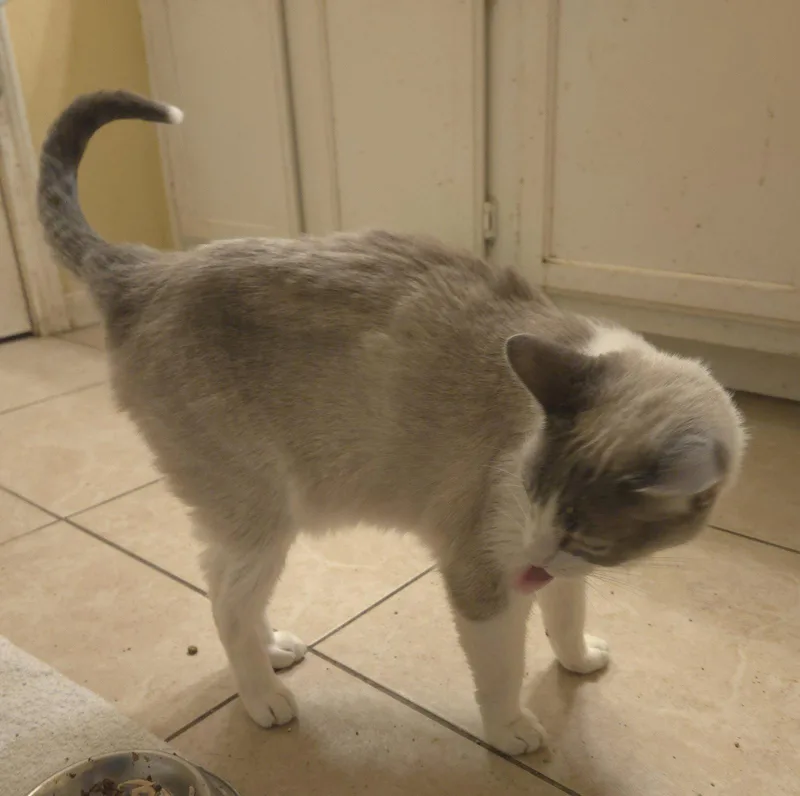
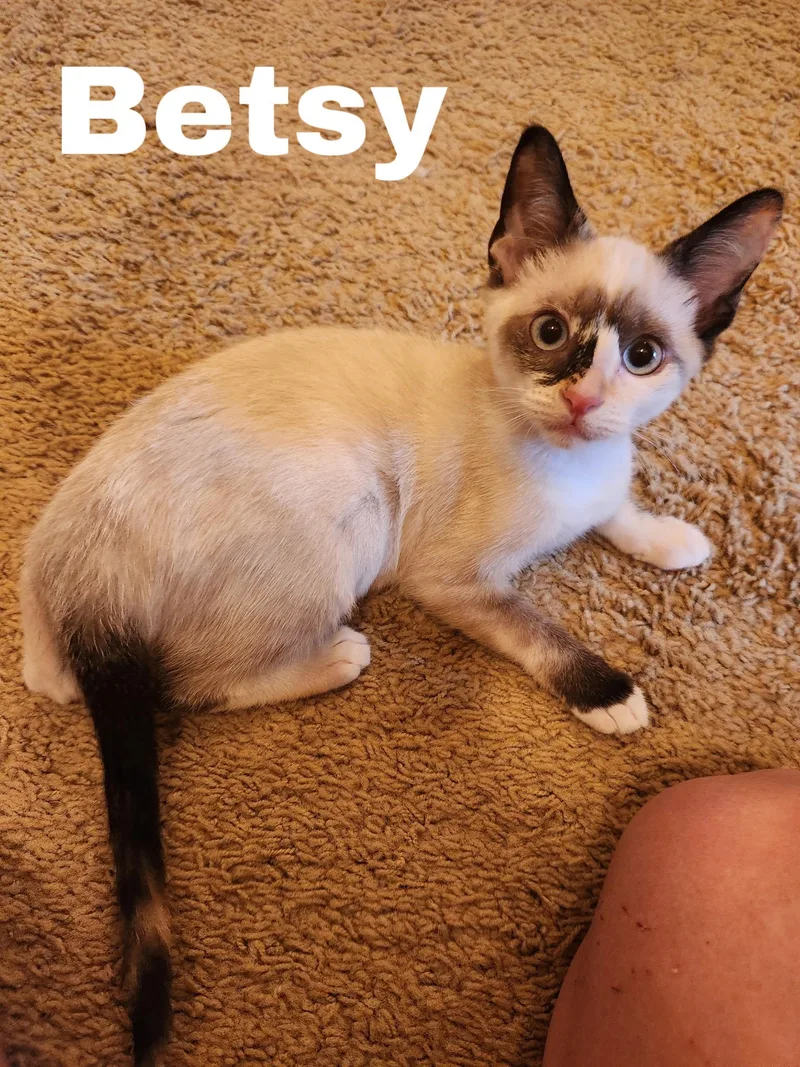
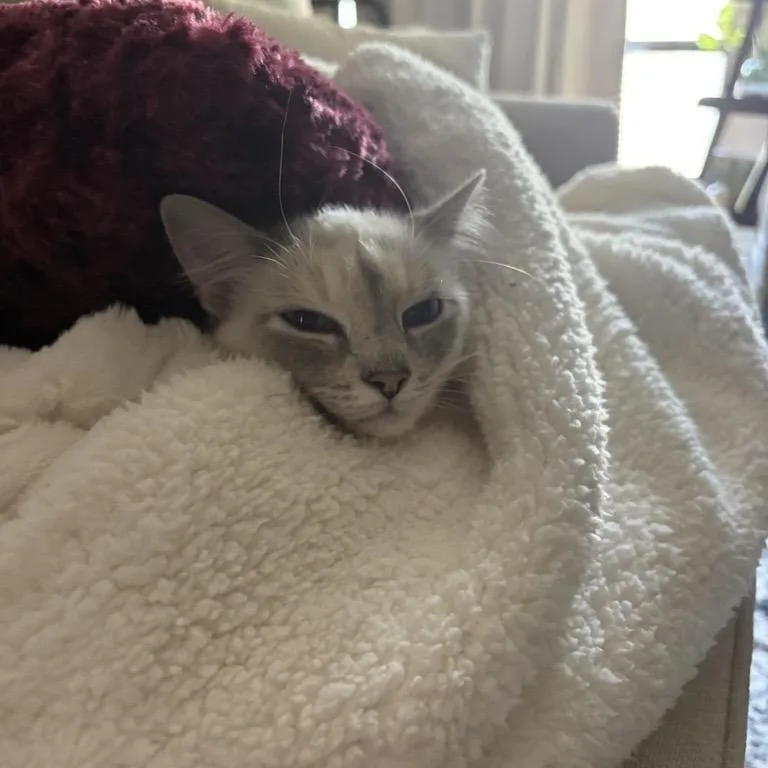
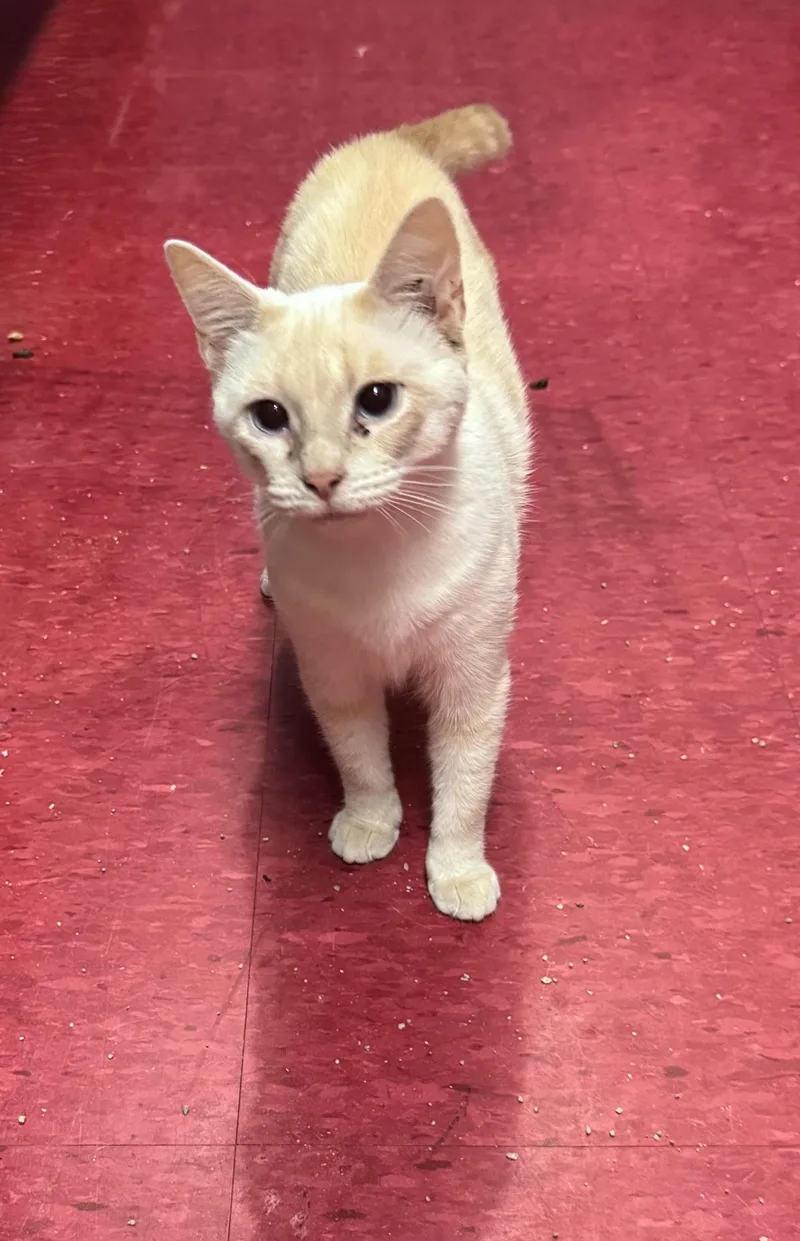
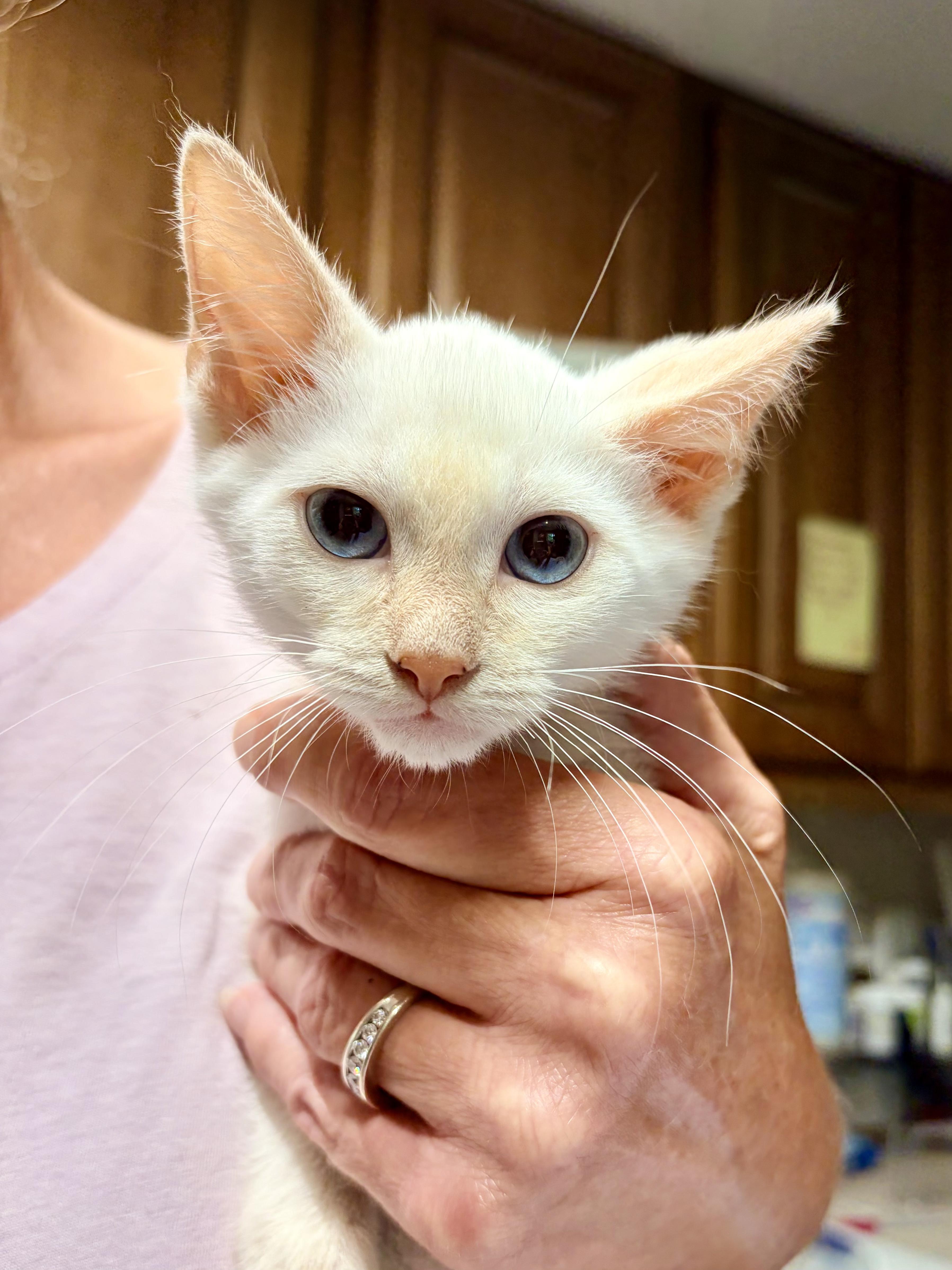
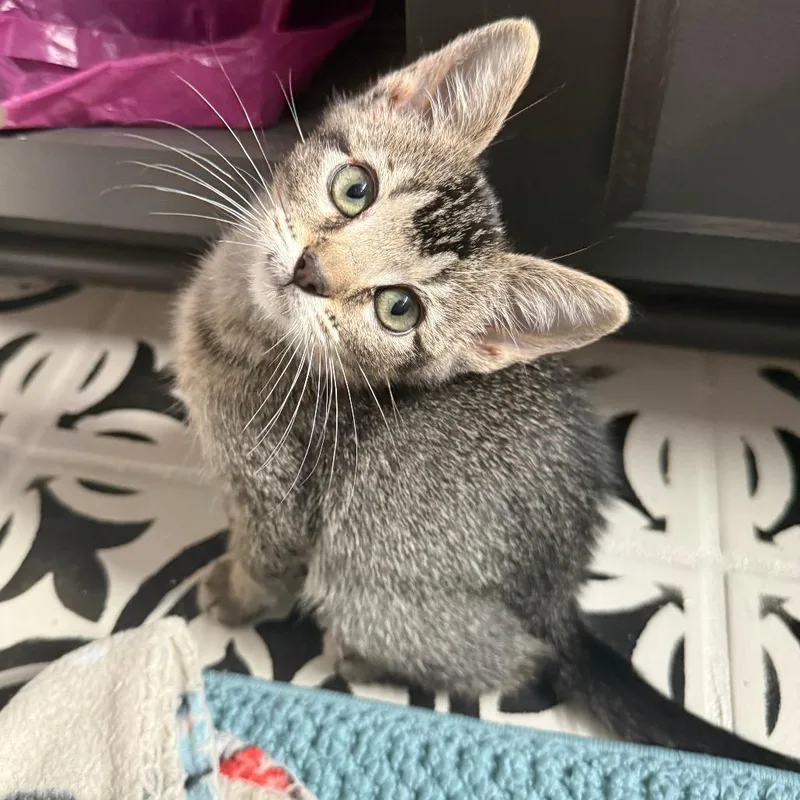
Birmen and Similar Breeds Available for Adoption Near Wichita

About the Birman breed

Birmans are semi-longhaired colorpoint cats with deep blue eyes and white paws, called gloves in front and laces behind. The breed took shape in France after a pair of cats arrived from Burma around 1919; the sacred temple cat story is legend, not documented history. Points come in seal, blue, chocolate, lilac, red, cream, tortie and lynx, and kittens are born pale, with color deepening as they grow.

The silky coat has little undercoat, so it tangles less than many longhaired cats, though weekly combing keeps it smooth and shedding is moderate. Birmans take about three years to mature fully and gain weight easily, so measured meals and daily play matter. In a Wichita home, that means a cat tree, a window perch and steady company.

Weight
7–14 lbs
Height
8–10 in
Lifespan
12–16 yrs
Temperament
Gentle, Affectionate, Social
Shedding
Moderate

Owning a Birman in Wichita

Having a Birman in Wichita

Birmans are easygoing, moderately playful and happiest near their people. Their manageable coat, tendency to gain weight and a few notable heart and kidney risks shape daily life in Wichita, so they're worth weighing before you adopt.

Temperament

Birmans tend to be gentle and sociable, often following family members from room to room. Many are patient with respectful children and get along with other cats or cat-friendly dogs after slow introductions. Some are shy at first, and every cat's personality varies, so watch how a cat behaves in person before choosing.

Exercise Needs

Expect moderate energy: a couple of interactive play sessions a day with wand toys or balls, plus puzzle feeders for mental work. In Wichita, an indoor routine works year-round, through summer heat and winter cold alike, and steady daily play helps keep an adult Birman from gaining weight.

Health Considerations

Hypertrophic cardiomyopathy has been found in a notable share of screened Birmans, and polycystic kidney disease occasionally appears. Weight gain is also common in indoor cats. Routine exams, dental care and measured meals help, and a Wichita veterinarian can advise on heart screening after adoption.

Living Space

Birmans adapt to apartments and houses alike, valuing company and quiet perches over square footage. Wichita's mix of older bungalows and apartment rentals can both work. Cat trees, window seats and scratching posts keep a Birman busy, and a home with someone around often suits them best.

What it costs to own a Birman in Wichita

ExpenseTypical costPer year
Food$25 to $50 per month$300 to $600
Pet insurance$25 to $50 per month$300 to $600
Routine vet care$150 to $350 per year$150 to $350
Other*$500 to $1,250 per year$500 to $1,250
Estimated yearly total (after year one)$1,250 to $2,800

Other costs are estimates and vary with size, age and health.

* Litter, flea and tick prevention, a dental cleaning allowance, toys and supplies, and regular combing for the semi-long coat.

Adopt a Birman in Wichita.

Now that you know more, let’s find you a new best friend. These rescues and shelters below have cats available in and near Wichita.

Rescues and Shelters in or near Wichita

Wichita's shelters and rescues, including the Kansas Humane Society on North Hillside, see steady demand as intake stays high. Here are the rescues & shelters in the Wichita area with cats available for adoption, worth asking whether a Birman is coming in.

Frequently Asked Questions

Yes, Birmans are welcome in Wichita, and the city's breed-specific rule applies only to pit bull-type dogs. Wichita doesn't license cats, but all cats five months and older must be microchipped unless a veterinarian advises against it. A household can keep up to three cats without a permit, and renters should confirm their lease allows cats.

Yes, a Birman usually does well in a Wichita apartment as long as it has vertical space and company. Birmans have soft voices, which helps with shared walls. Provide a tall cat tree, a window perch and daily play, and plan for someone to be home often, since many Birmans dislike long stretches alone.

Yes, as long as a Birman lives indoors in a cool home. Wichita summers run into the low 90s, with July the hottest month, and a long-coated cat shouldn't be outside then. Run air conditioning or fans, keep water available, and watch for heavy panting or lethargy. Weekly combing also helps remove loose fur.

Yes, in a carrier. Wichita Transit runs buses only, and a pet that isn't a service animal may ride in an approved carrier that fully contains it so it can't get out. A Birman at 7 to 14 pounds needs a sturdy one, so practice carrier time at home first and check current rules before your first trip.

Plan on combing a Birman about once a week, and a bit more in spring when loose fur builds up. Heated indoor air in winter can make a long coat staticky, so keep sessions gentle. Home combing costs little, and any professional grooming fits within the $500 to $1,250 yearly Other costs, alongside litter and dental care.

A Birman is a medium-sized, semi-longhaired cat with a colorpoint pattern, deep blue eyes and distinctive white paws. The breed was developed in France from cats said to come from Burma, which is why it is sometimes called the Sacred Cat of Burma. Many Birmans are gentle, sociable and soft-spoken companions who enjoy being near their people.

No, Birman cats are not hypoallergenic. Like all cats, they produce the Fel d 1 allergen in saliva and skin, and grooming spreads it onto their fur and around the home. Their coat sheds less heavily than some longhaired breeds, but that does not remove allergens. Anyone with allergies should spend time with the specific cat before adopting.

Yes, Birman cats shed, usually at a moderate level. Their silky coat has little undercoat, so they drop less hair and form fewer mats than breeds like Persians or Maine Coons, but loose fur still appears on furniture and clothing. Combing once or twice a week, and more during spring and fall, keeps shedding manageable and the coat tangle-free.

Birman cats commonly live about 12 to 16 years, and some reach their late teens. A large UK veterinary study found Birmans among the longest-lived breeds, with an average life expectancy of about 14.4 years at birth. Indoor living, a healthy weight, dental care and regular checkups all help an individual cat reach the upper end of that range.

A Birman typically costs roughly $1,250 to $2,800 a year in Wichita. That covers food at $25 to $50 a month, insurance at $25 to $50 a month, routine vet care at $150 to $350 a year, and other costs such as litter, dental care and combing at $500 to $1,250. Emergencies and illness are extra.

Explore Other Breeds in Wichita

Looking for a different breed? Browse other cats available for adoption in Wichita.