Dilute Tortoiseshell Cats for Adoption in Manhattan, KS

Your guide to finding and caring for a Dilute Tortoiseshell in Manhattan

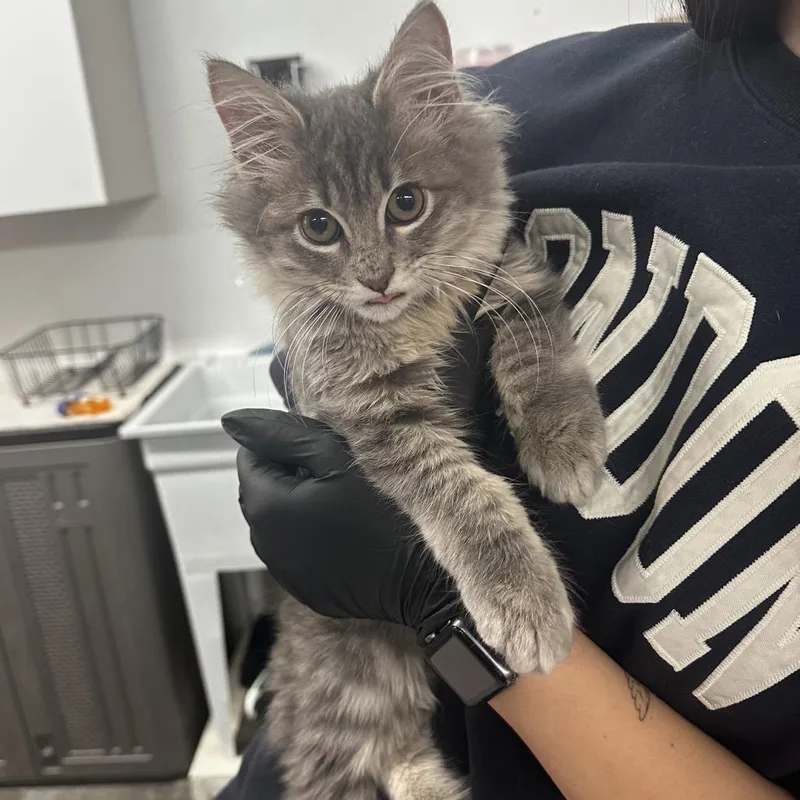
Dilute torties suit Manhattan's mix of apartments and houses, from the north side near Northview to the quiet streets south of downtown. The blue-gray and cream coat is a color, not a breed, so these cats run from lap-sitters to window-watchers. What many share is a taste for routine: a predictable feeding time, a perch in a sunny window and a play session when you get home from work or class. You'll find out quickly which kind of tortie you've got.

301 Dilute Tortoiseshells available in Manhattan and nationwide

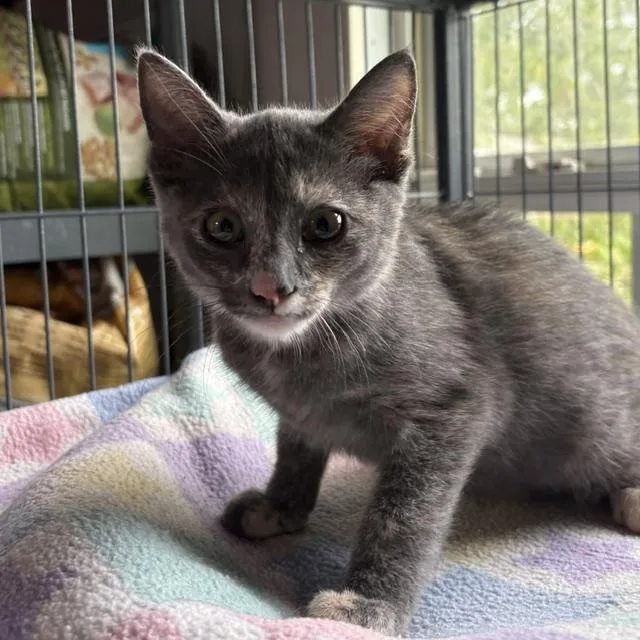
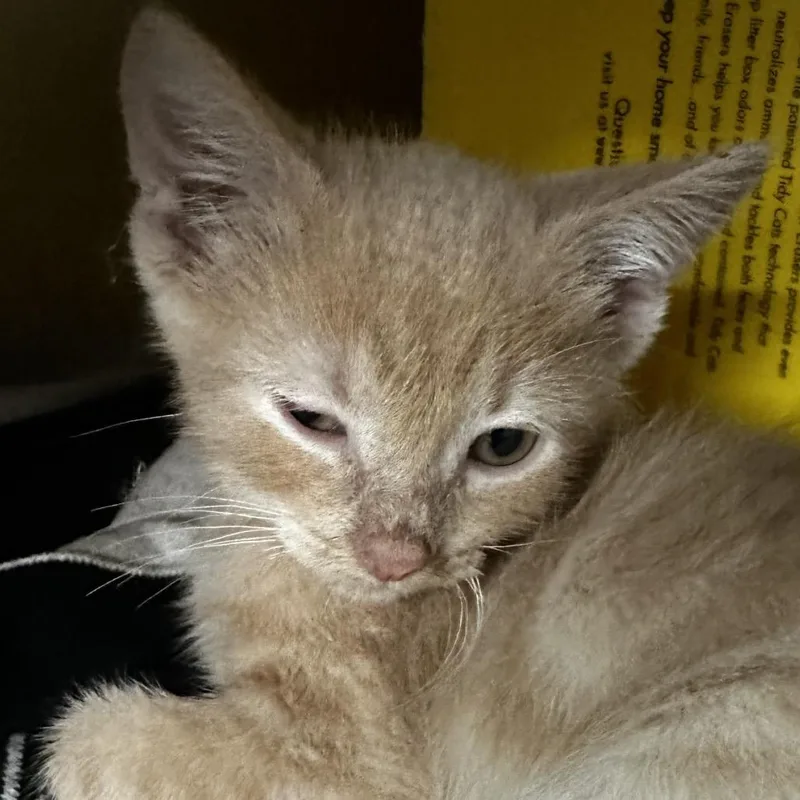
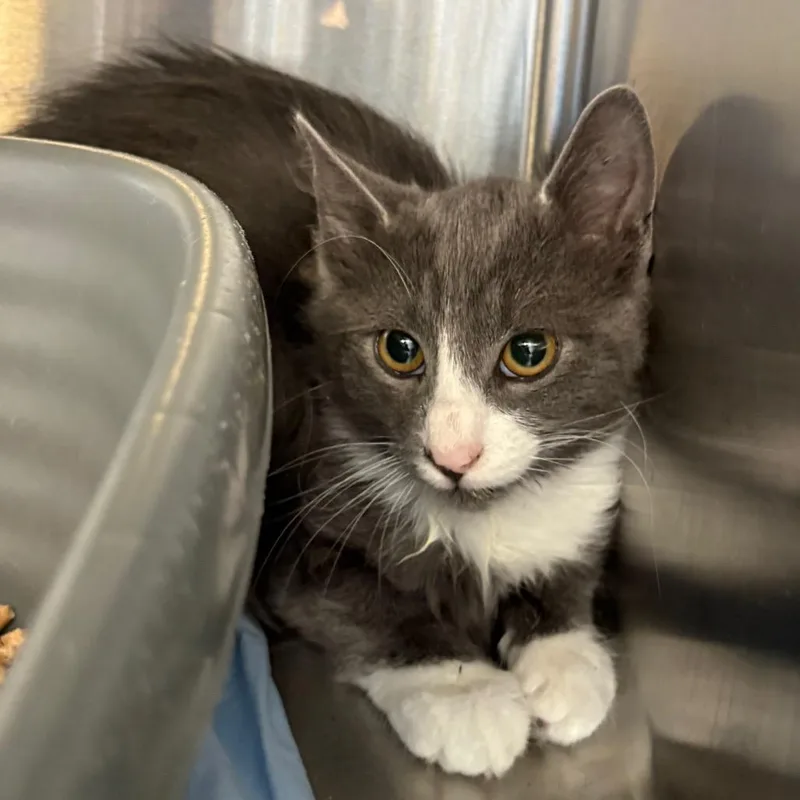
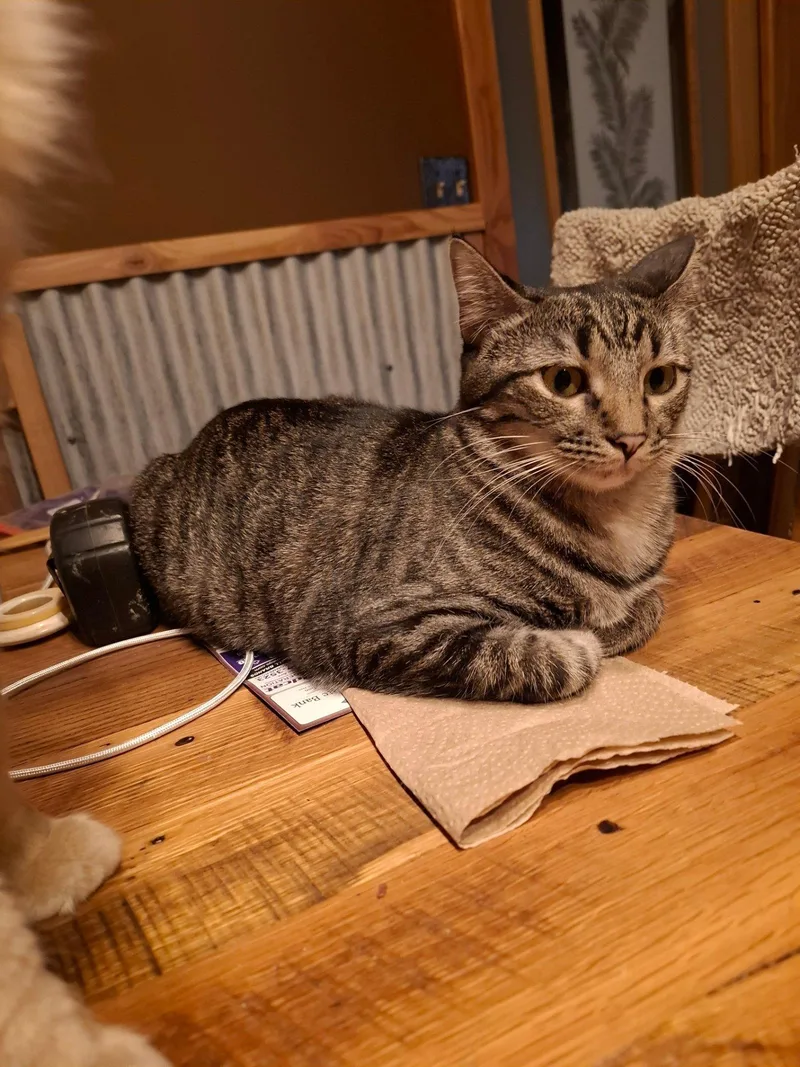
Meet your next Dilute Tortie

While we don't have enough cats near Manhattan, keep in mind that many rescues may offer transport.

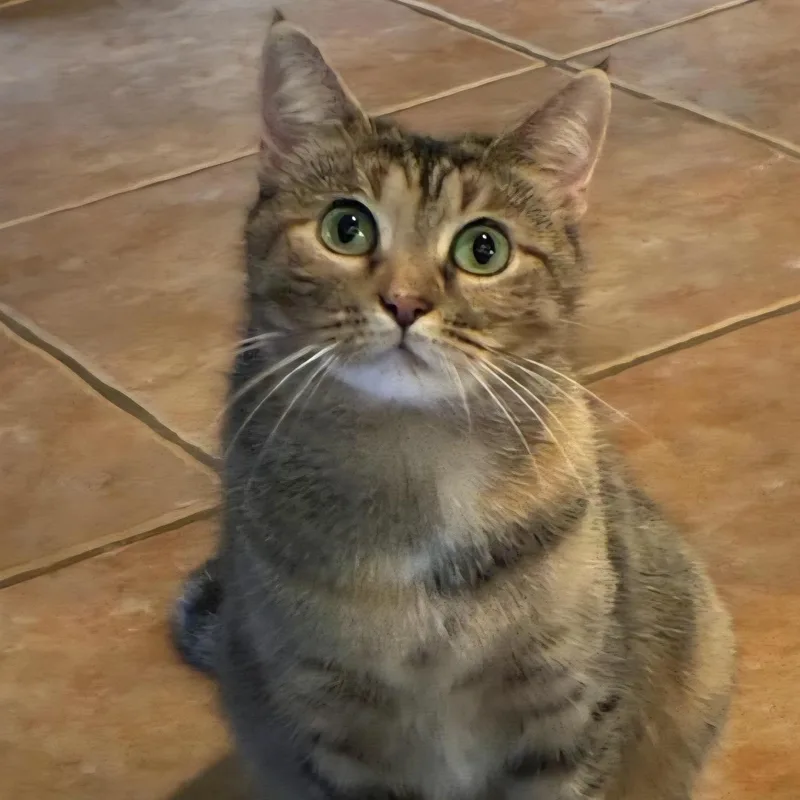
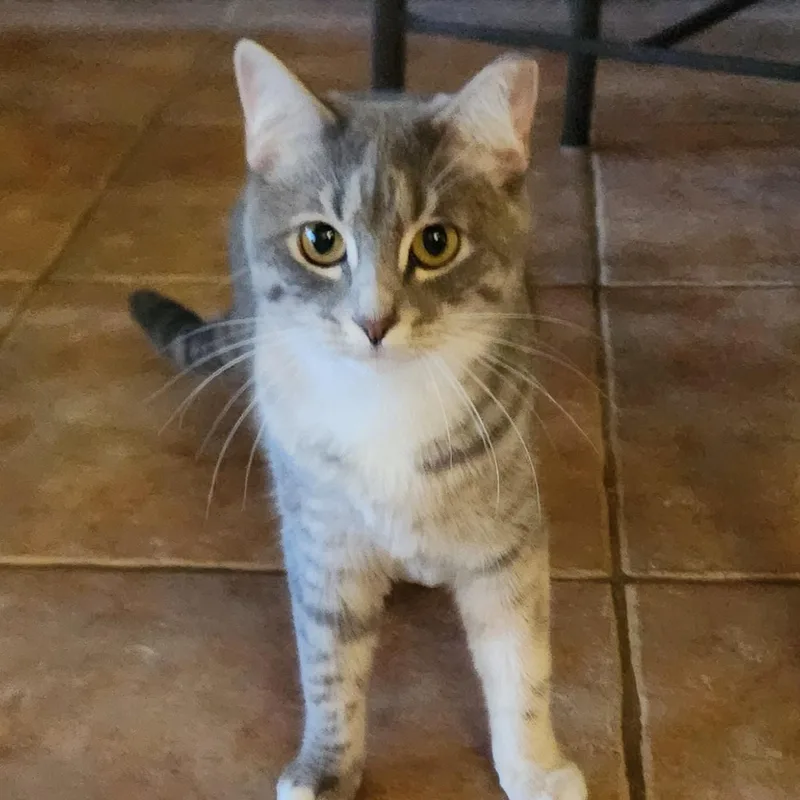
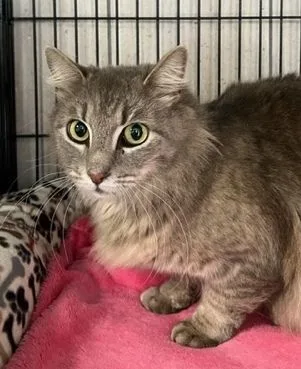
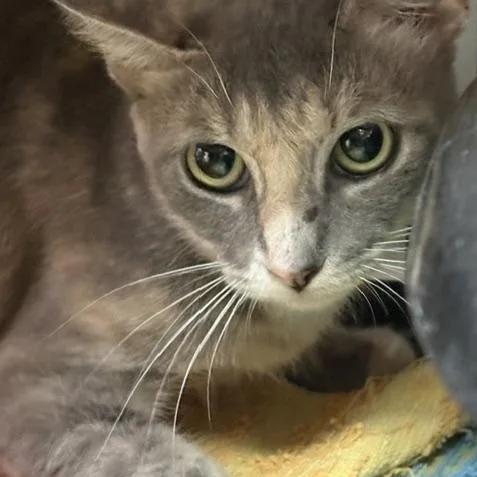
Dilute Tortoiseshells Available for Adoption Near Manhattan

About the Dilute Tortoiseshell breed

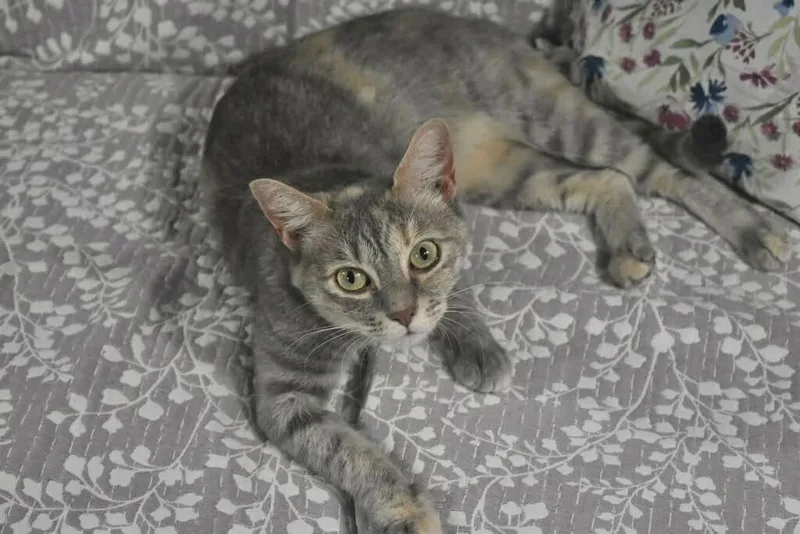
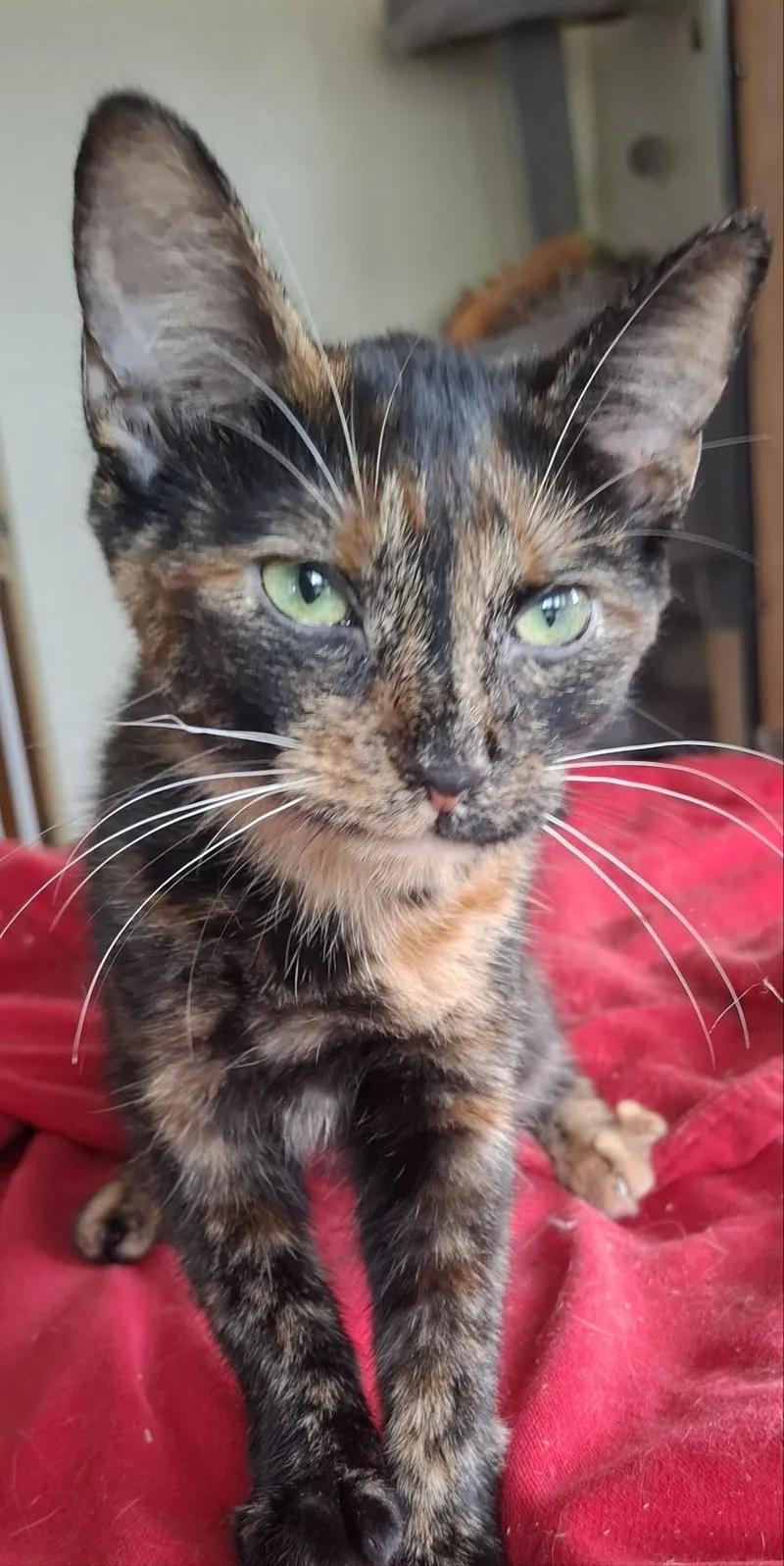
Dilute tortoiseshell describes a coat, not a breed. Blue-gray and cream patches, sometimes blended into a fine marbling, come from a recessive dilution gene, and most cats with the pattern are domestic shorthairs or longhairs. Size and build vary, though most weigh 6 to 14 pounds and live 12 to 18 years, so adopting one is a long commitment.

Because color doesn't predict personality, watch how a cat handles a meeting: curious or cautious, playful or happy to observe. Shedding is moderate, so a weekly brush keeps fur off the couch, and longhaired cats need it more often. Most cats in Manhattan live indoors, where a tortie can climb, scratch and watch the weather from a window perch.

Weight
6–14 lbs
Height
8–10 in
Lifespan
12–18 yrs
Temperament
Affectionate, Independent, Curious
Shedding
Moderate

Owning a Dilute Tortoiseshell in Manhattan

Having a Dilute Tortoiseshell in Manhattan

Coat color tells you little about a cat, so these cards cover what's typical of domestic cats with this pattern. In Manhattan, that mostly means indoor routines, a window perch, regular play and attention to the city's hot summers and cold winters.

Temperament

Dilute torties are often affectionate, curious and a little independent, but the range is wide: some are shy at first, others greet visitors at the door. Watching how a cat handles new sounds and people says more than color. Confident cats can handle busy, student-filled neighborhoods, while quieter cats usually prefer calm homes.

Exercise Needs

Plan on a couple of play sessions a day with wand toys, balls or puzzle feeders, plus a tall cat tree by a window. Manhattan's cold winters keep cats inside anyway, so indoor enrichment matters. Kittens and young adults need the most; seniors enjoy shorter, gentler games. A harness and leash can add supervised patio time for confident cats.

Health Considerations

The pattern carries no known health risk in female cats; the rare males are usually sterile and may have added concerns. Health depends mostly on age, ancestry and care: yearly checkups, dental attention, a healthy weight and a current rabies vaccination, which Manhattan requires for licensing. Keeping a cat indoors also avoids traffic, wildlife and storms.

Living Space

Dilute torties do well in apartments and houses alike if there are scratching posts, window perches and somewhere to hide. Shy cats settle best in quiet homes, while confident ones handle roommates and visitors. Longhaired torties need a grooming routine, and every cat needs a litter box kept away from noisy appliances.

What it costs to own a Dilute Tortoiseshell in Manhattan

ExpenseTypical costPer year
Adoption fee$120, one time$120 in year one
Food$25 to $50 per month$300 to $600
Pet insurance$20 to $45 per month$240 to $540
Routine vet care$150 to $350 per year$150 to $350
Other*$460 to $1,160 per year$460 to $1,160
Estimated yearly total (after year one)$1,150 to $2,650
First-year total (with adoption fee)$1,270 to $2,770

Adoption fee is the fee on Dilute Tortoiseshell listings in Manhattan on GetBuddy today. Other costs are estimates and vary with size, age and health.

* Litter, the $10 Manhattan cat license for a spayed or neutered cat, flea and tick prevention, a dental cleaning allowance, toys and supplies, and home grooming.

Adopt a Dilute Tortoiseshell in Manhattan.

Now that you know more, let’s find you a new best friend. These rescues and shelters below currently have Dilute Tortoiseshells available.

Rescues in Manhattan with Dilute Tortoiseshells Available

Manhattan's cats find homes through a city shelter and volunteer foster-based rescues. Here are the rescues & shelters in the Manhattan area where you can find Dilute Tortoiseshells and other cats available for adoption.

Frequently Asked Questions

Yes. A Dilute Tortoiseshell is a coat color, not a restricted breed, and Manhattan has no known rules targeting cats by color or type. The main requirements are a city license and rabies vaccination. Under Kansas law, adopted cats are spayed or neutered before release or covered by a sterilization agreement. Check your lease for pet terms too.

Yes, most Dilute Tortoiseshells do well in apartments, and Manhattan has plenty of rentals. Provide a window perch, a tall scratching post and daily play, and keep the litter box away from noisy appliances. Kansas lets landlords add a pet deposit of up to half a month's rent, so confirm pet terms before moving in.

Often, yes. Manhattan's mix of apartments and houses suits an indoor cat, and many torties are content alone during a class or work day if they have play and perches. A very social or anxious cat may want more time with you, so match her energy to your schedule and meet her before deciding.

Yes, as indoor cats. Summer highs average about 89°F, and roughly 59 days a year reach 90°F or higher, so keep the home cool, close blinds in the afternoon and leave fresh water in several spots. Never leave a cat in a parked car. Longhaired torties benefit from extra brushing in hot months.

Shorthaired Dilute Tortoiseshells need a weekly brushing, while longhaired ones need it several times a week to prevent mats. Shedding is moderate and often rises in spring and fall as coats change. Most owners groom at home, so grooming adds little to yearly costs, at most about $50 if you pay for occasional professional help.

Yes, with limits. Manhattan's ATA Bus allows pets only if they're secured in an enclosed container, so use a sturdy carrier. Pets have the lowest boarding priority, and there's no rail service. Service animals ride without restriction. Check current fares with ATA Bus before planning a trip to the vet.

A tortoiseshell cat is a cat with a coat pattern, not a breed, that mixes black-based and orange-based colors in patches or a mottled blend with little or no white. The dilute version shows blue-gray and cream instead. The pattern appears in domestic shorthairs and many purebreds, and because of its genetics nearly all tortoiseshells are female.

Almost all tortoiseshell cats are female, but not every single one. The orange and black color genes sit on the X chromosome, and a cat needs two X chromosomes to show both colors together. Females have two, so they can be torties. A tortoiseshell male is possible only through rare genetic exceptions, such as carrying an extra X chromosome.

We have 1 rescue with Dilute Tortoiseshells available: Purple Power Animal Welfare Society. You can see every rescue with Dilute Tortoiseshells available in the list above these questions, or scroll to the top to see the Dilute Tortoiseshells near Manhattan.

Most owners spend roughly $1,150 to $2,650 a year. That covers food at $25 to $50 a month, pet insurance at $20 to $45 a month, routine vet care at $150 to $350 a year, and other costs of $460 to $1,160 a year, including litter, the city license and dental care. Emergencies and illness cost extra.

Explore Other Breeds in Manhattan

Looking for a different breed? Browse other cats available for adoption in Manhattan.