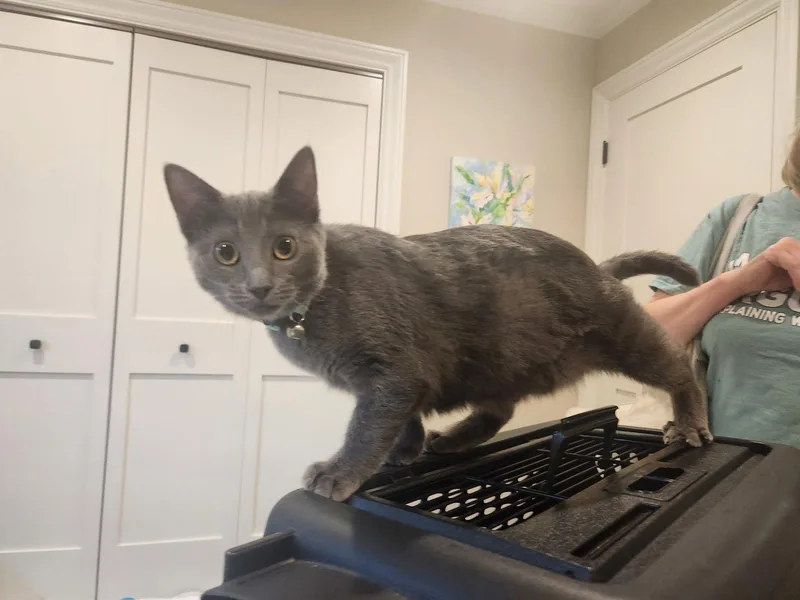
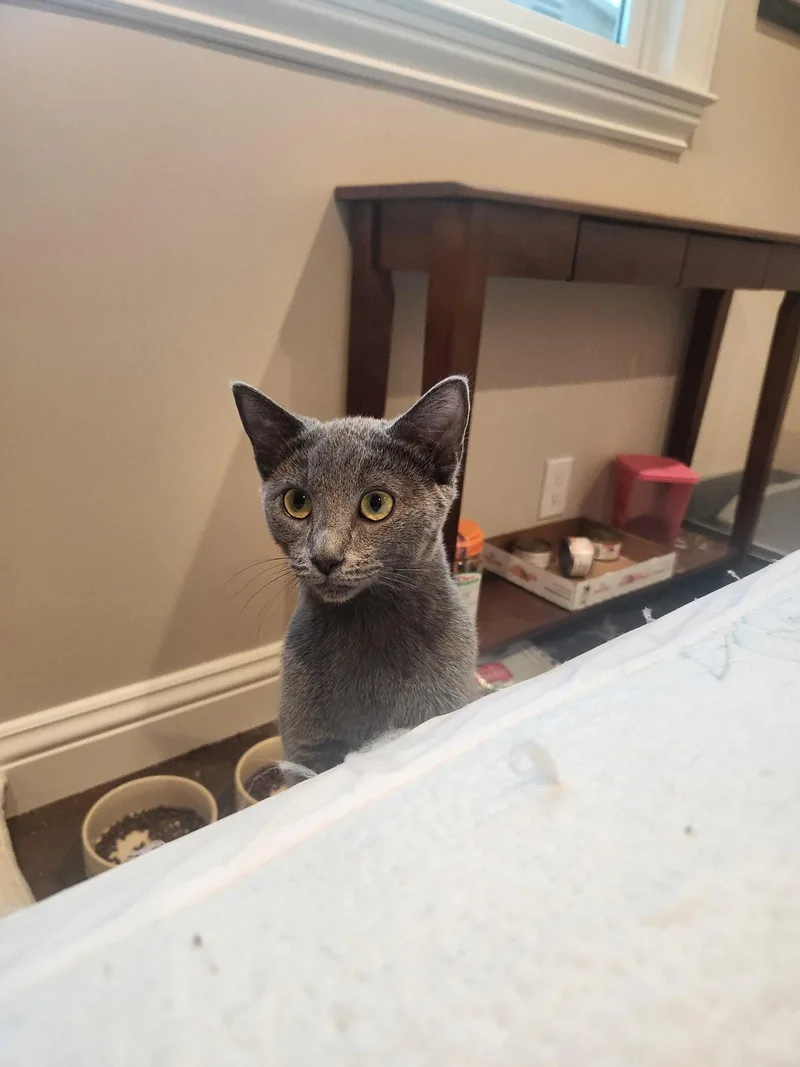
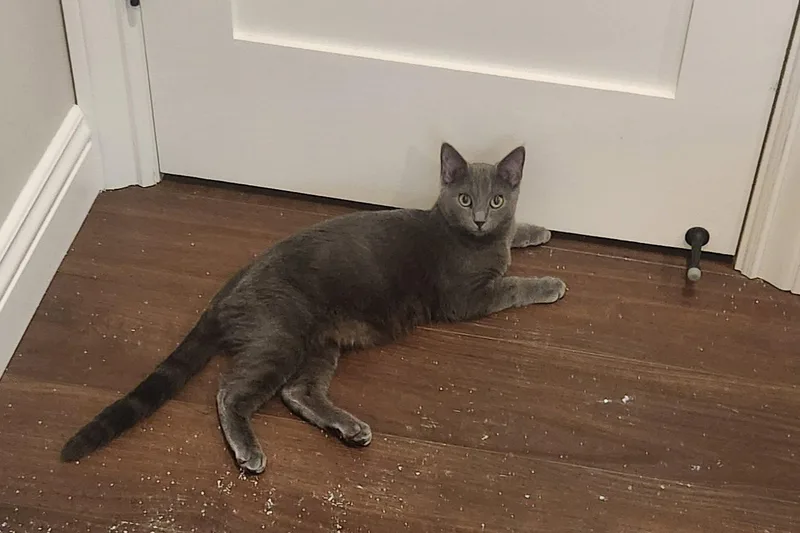
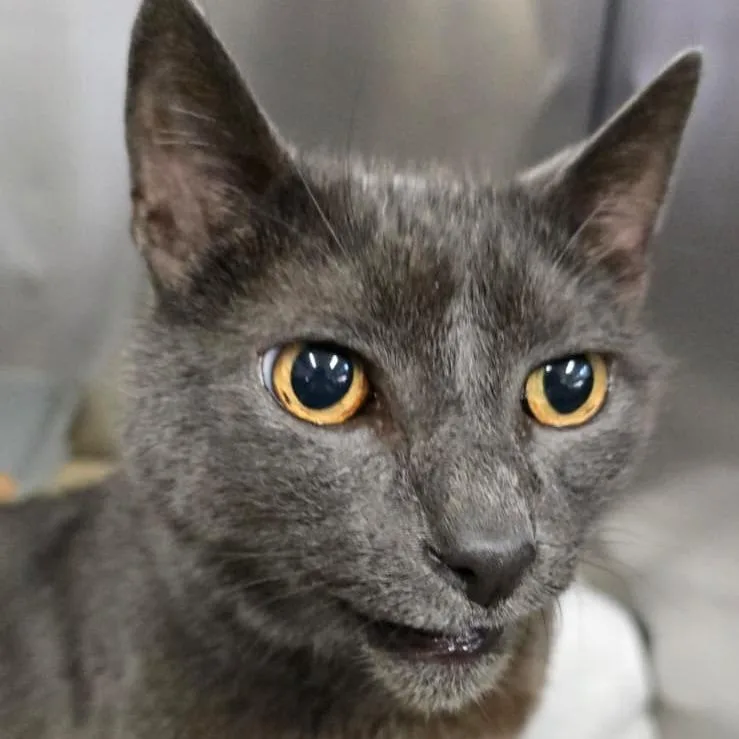
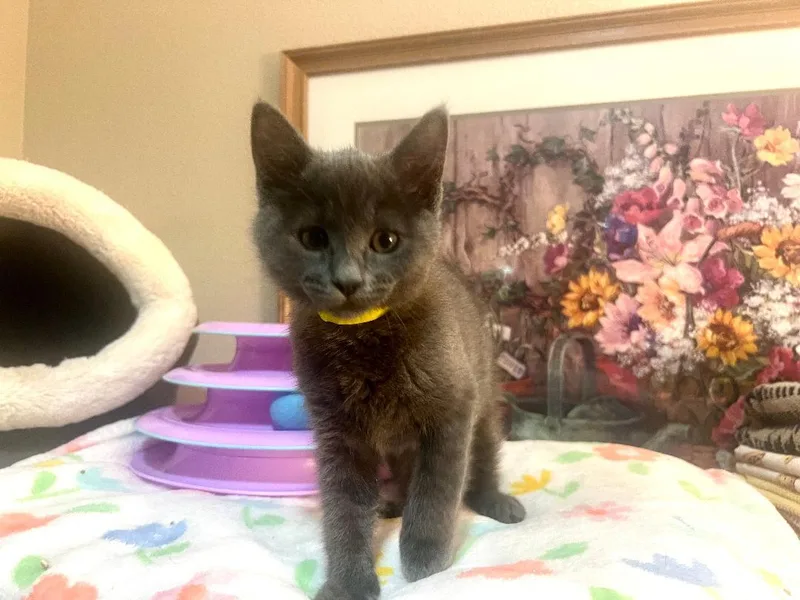
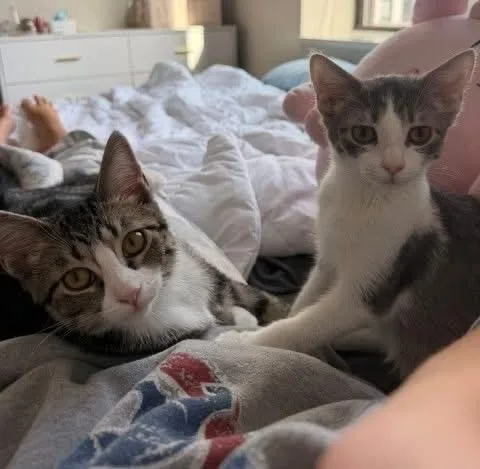
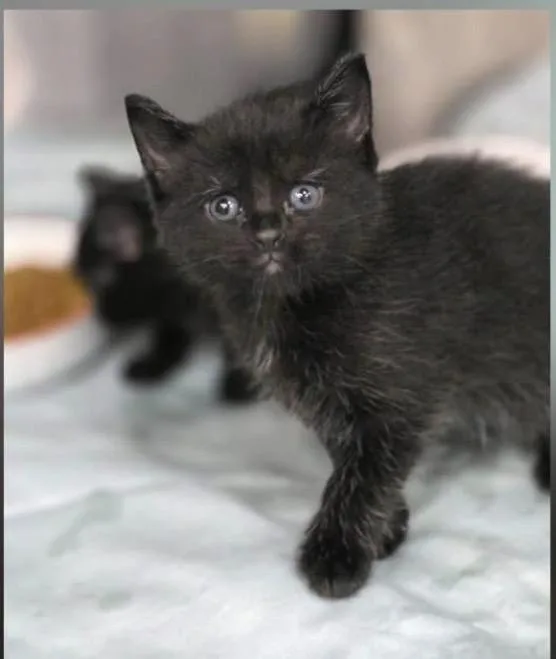
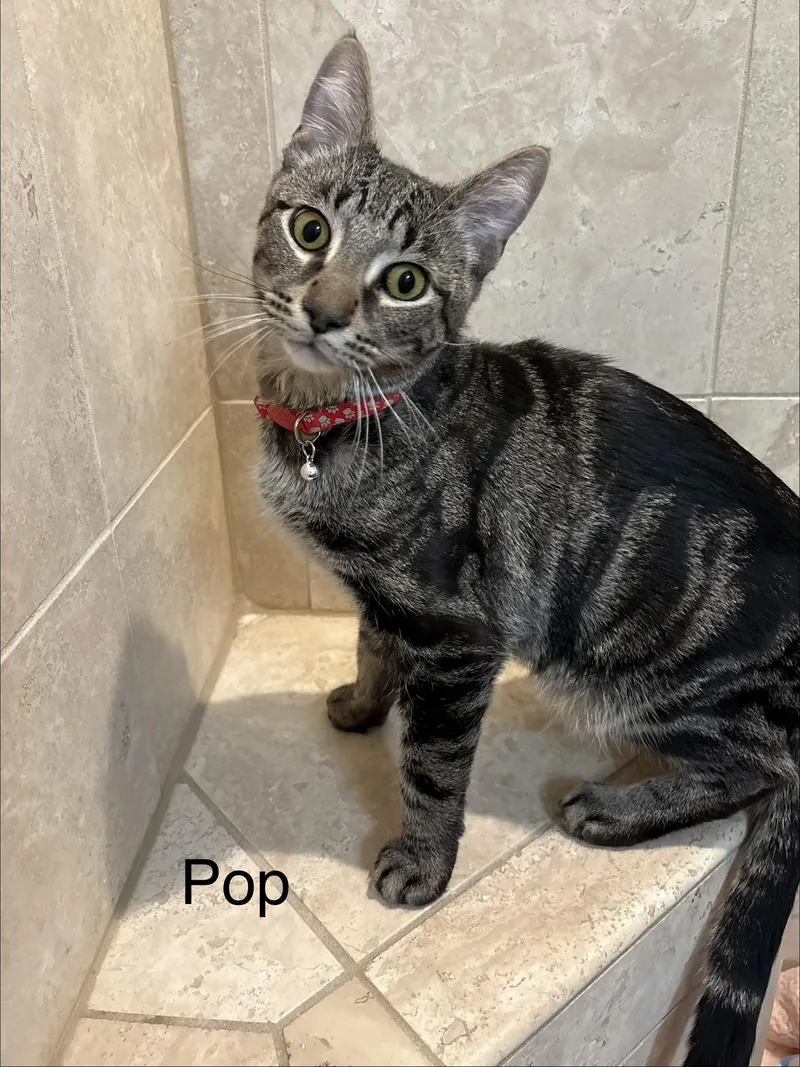
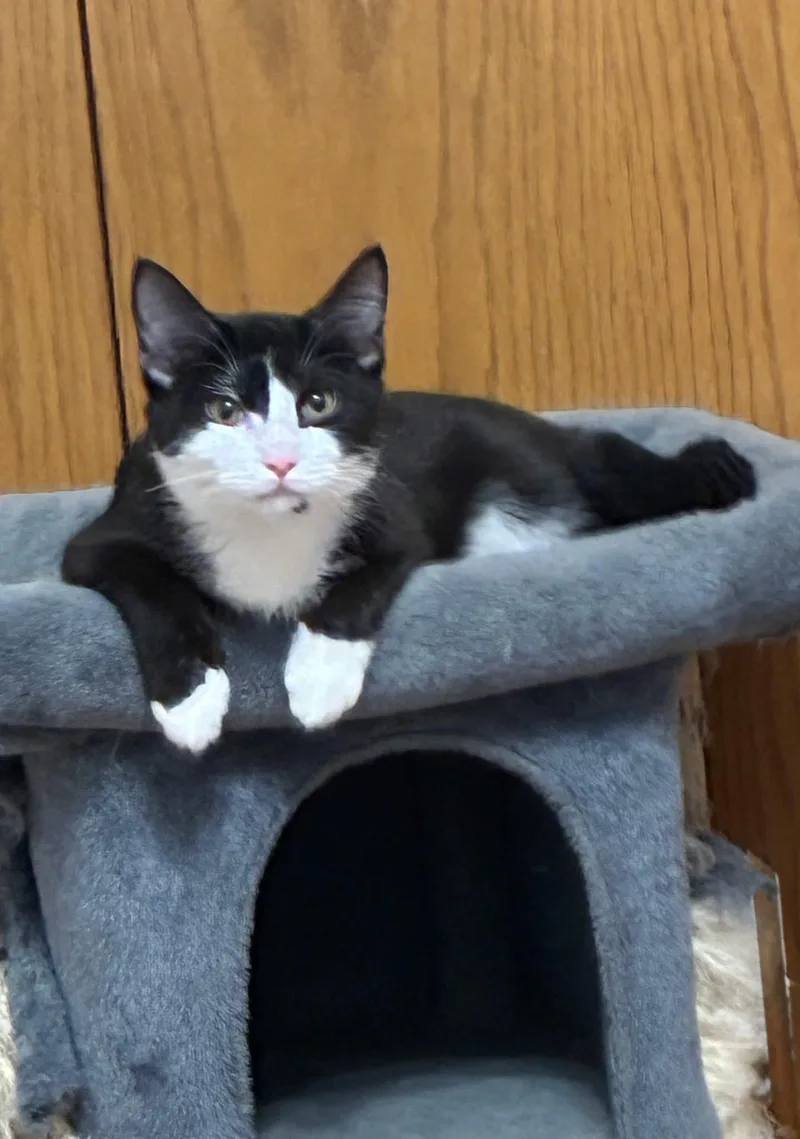
Russian Blue Cats for Adoption in Orland Park, IL

Your guide to finding and caring for a Russian Blue in Orland Park

Russian Blues suit the quieter corners of Orland Park. They like routine and a calm house, so a townhome near Old Orland or an apartment by the 143rd Street Metra station can work well. These cats are reserved with visitors and often watch new people from a perch before deciding. Give one a window tree facing the yard and it will happily supervise the neighborhood. Most are happiest as indoor cats, which also keeps them away from the coyotes that live around the forest preserves.

824 Russian Blues available in Orland Park and nationwide

Find your Russian Blue

Russian Blues Available for Adoption Near Orland Park

About the Russian Blue breed

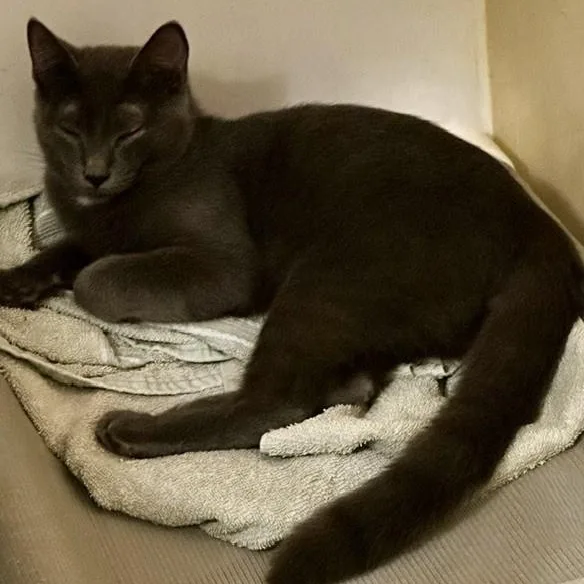
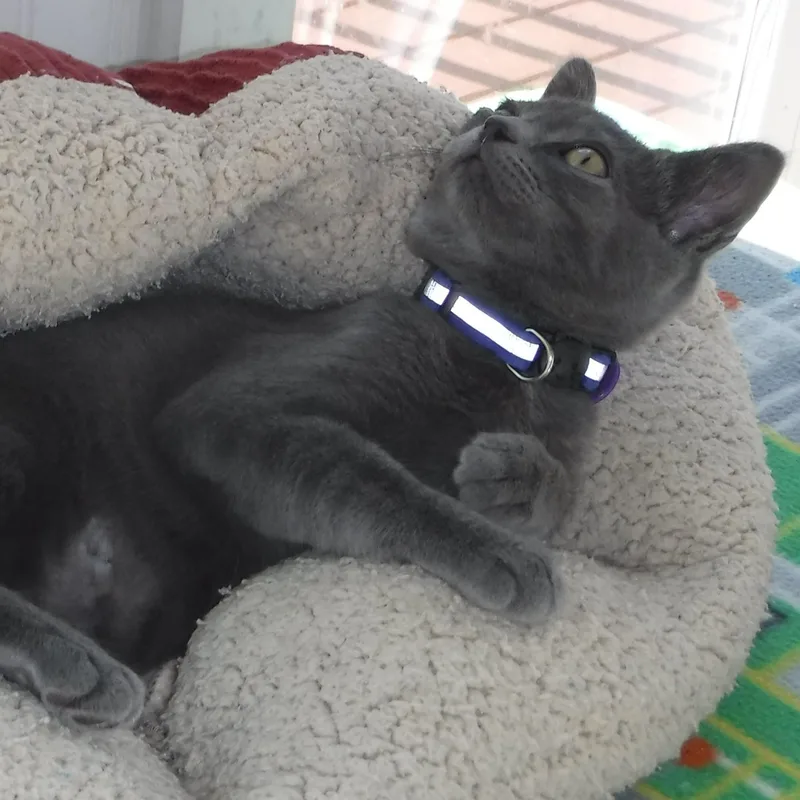
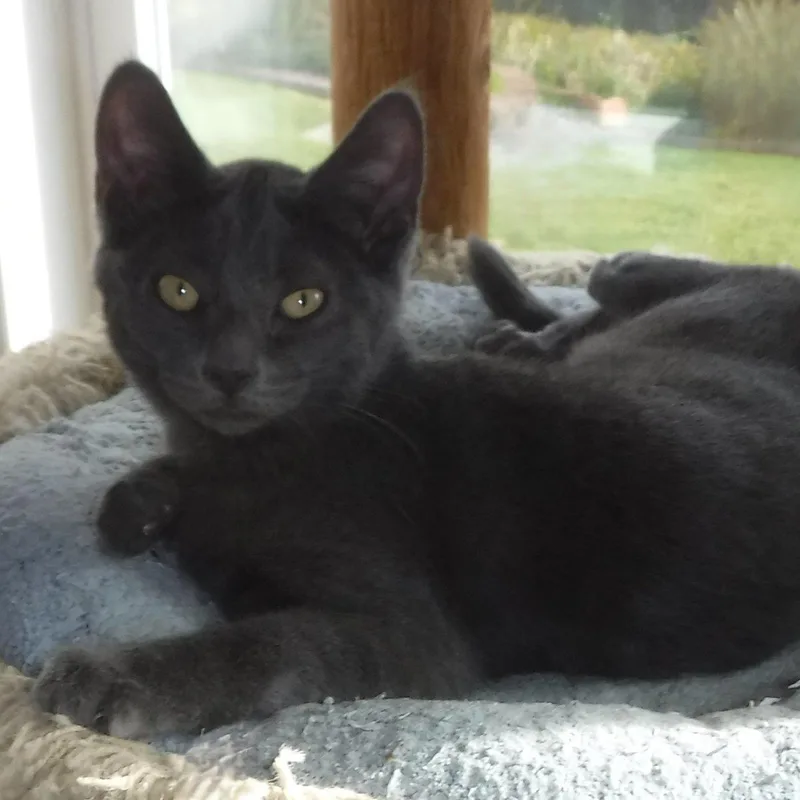
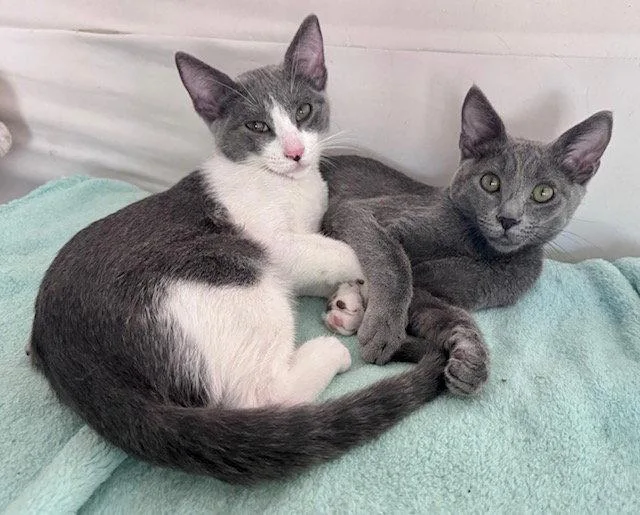
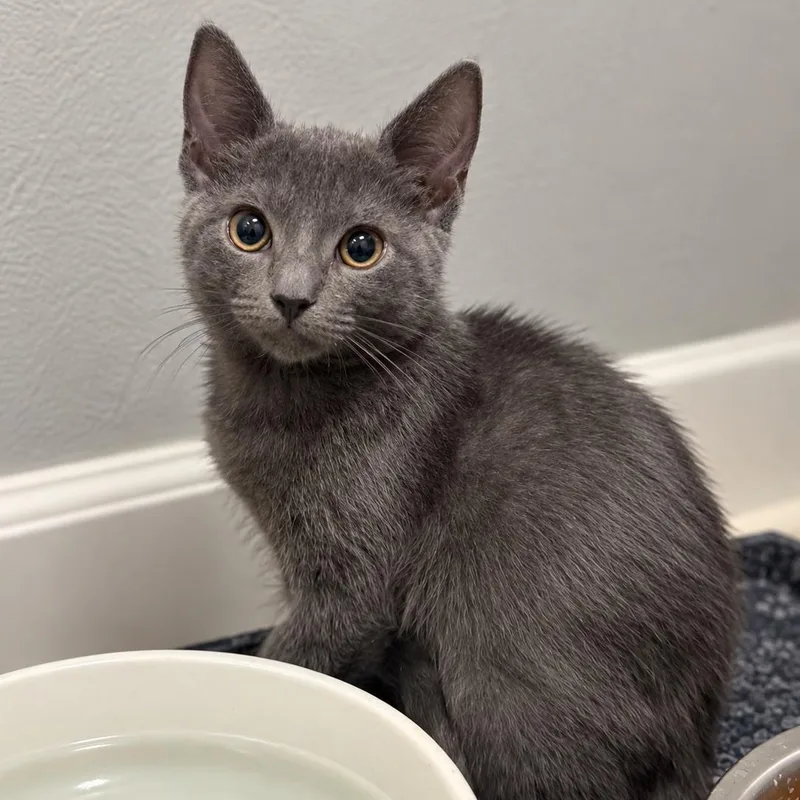
Russian Blues are slender, fine-boned shorthairs with a dense, plush double coat of even blue-grey, tipped with silver so it seems to shimmer, and vivid green eyes. The breed is believed to come from the Archangel region of northern Russia and reached Britain by ship in the nineteenth century.

Many are gentle, quiet and devoted to their own people while staying reserved with strangers. They like routine, notice changes in the household and enjoy puzzle games. The coat is easy to keep, but a healthy appetite means portion control matters, especially for indoor cats through a long winter. Not every Russian Blue fits this description, and a grey cat in a listing may be a mixed breed, so judge each cat by its own personality.

Weight
6–12 lbs
Height
8–10 in
Lifespan
12–16 yrs
Temperament
Gentle, Quiet, Intelligent
Shedding
Low to Moderate

Owning a Russian Blue in Orland Park

Having a Russian Blue in Orland Park

Russian Blues combine an easy-care coat with a sensitive streak. How a cat handles routine, visitors and noise matters more than its looks, so these traits help you picture it in a quiet Orland Park home before you meet one.

Temperament

Russian Blues tend to be gentle and loyal with family but cautious with newcomers, often watching from a distance first. Many prefer predictable households and can be unsettled by loud noise or frequent change. With patient introductions, many accept other cats and calm dogs. Each cat's history shapes how quickly it builds trust.

Exercise Needs

Most Russian Blues are playful and agile, enjoying wand toys, chase games and puzzle feeders. A tall cat tree by a window gives an indoor cat a lookout over the yard. Because they love food and gain weight easily, two or three short play sessions a day help keep them lean through long winters indoors.

Health Considerations

Russian Blues have no widely recognized breed-specific inherited disease, but like other cats they can develop dental disease, bladder stones, kidney disease and heart conditions. Their big appetite makes obesity a common, preventable concern. Regular checkups, measured meals and dental care help, and a veterinarian can screen any newly adopted cat.

Living Space

Russian Blues often do well in apartments or quieter houses, since they value calm routines and cozy retreats over square footage. Most Orland Park homes are detached houses or townhomes, and any of these works when you add hiding spots, window perches and a cat tree.

What it costs to own a Russian Blue in Orland Park

ExpenseTypical costPer year
Adoption fee$300, one time$300 in year one
Food$25 to $50 per month$300 to $600
Pet insurance$25 to $50 per month$300 to $600
Routine vet care$150 to $350 per year$150 to $350
Other*$450 to $1,150 per year$450 to $1,150
Estimated yearly total (after year one)$1,200 to $2,700
First-year total (with adoption fee)$1,500 to $3,000

Adoption fee is the fee on Russian Blue listings in Orland Park on GetBuddy today. Other costs are estimates and vary with size, age and health.

* Litter, flea and tick prevention, a dental cleaning allowance, toys, scratchers and other supplies, and minimal home grooming for the short coat.

Adopt a Russian Blue in Orland Park.

Now that you know more, let’s find you a new best friend. These rescues and shelters below currently have Russian Blues available.

Rescues in Orland Park with Russian Blues Available

Orland Park sits among several south suburban shelters and rescues that regularly list cats, from kittens to seniors, for adoption. Here are the rescues & shelters in the Orland Park area where you can find Russian Blues and other cats available for adoption.

Frequently Asked Questions

Yes. Orland Park has no known breed-specific cat rules, so a Russian Blue is treated like any other cat. The practical requirements are a rabies vaccination from four months old, with a Cook County tag handed out by your veterinarian, and staying within the Village's household limit. Many grey cats in listings are shorthair mixes, so look at each cat's personality rather than its label.

Yes. Russian Blues value calm routines over space, so apartments suit many of them. Orland Park has fewer apartments than houses, with larger buildings near the 143rd Street Metra station, so read each lease for pet fees and limits. Add a window perch, a tall cat tree, a hiding spot and daily play, and a quiet apartment can suit a Russian Blue well.

Often, yes, for a calm household where someone is home a fair amount. Quiet streets and houses with room for perches suit a cat that dislikes commotion. Plan a quiet interior room for the Village fireworks on Memorial Day, July 4 and at the Taste of Orland Park. Russian Blues vary, so how a cat reacts to noise matters.

Yes, as indoor cats. Orland Park has roughly 105 to 130 freezing nights a year, with snow and ice, but a Russian Blue's dense double coat copes well with a warm house. Provide a draft-free perch, keep play sessions going so winter doesn't add weight, and limit any time outdoors on the coldest days.

Sometimes, in a carrier. Metra's SouthWest Service stops at the 143rd, 153rd and 179th Street stations but runs weekdays only, and small pets in enclosed carriers are allowed on off-peak weekday trains, space permitting. Pace buses generally allow caged pets that don't block aisles or seats. Policies can change, so a secure, lap-size carrier is the safest plan.

Very little. The short, plush coat needs a weekly brushing, a bit more in spring and fall when shedding rises, and it rarely needs a professional groomer. Add monthly nail trims and regular tooth care. Because home grooming is minimal, it adds little to the yearly Other budget line, which mostly covers litter, prevention and dental care.

Russian Blue cats are often gentle, quiet and deeply attached to their families, while staying reserved with strangers. Many like predictable routines, follow favorite people around and enjoy interactive games that test their intelligence. They tend to be sensitive to household mood and noise. Personality varies, so a foster's description of an individual cat is the best guide.

A Russian Blue is a medium-sized shorthaired cat with a dense, plush blue-grey coat tipped in silver, vivid green eyes and a slender, graceful build. The breed is thought to come from northern Russia. Many Russian Blues are quiet, intelligent and loyal to their people, though often shy around visitors until they feel comfortable.

We have 1 rescue with Russian Blues available: Half-Way Home Animal Rescue. You can see every rescue with Russian Blues available in the list above these questions, or scroll to the top to see the Russian Blues near Orland Park.

A Russian Blue typically costs about $1,200 to $2,700 a year to keep. That covers food at $25 to $50 a month, insurance at $25 to $50 a month, routine vet care of $150 to $350 a year, and $450 to $1,150 a year for litter, prevention, dental care and supplies.

Explore Other Breeds in Orland Park

Looking for a different breed? Browse other cats available for adoption in Orland Park.