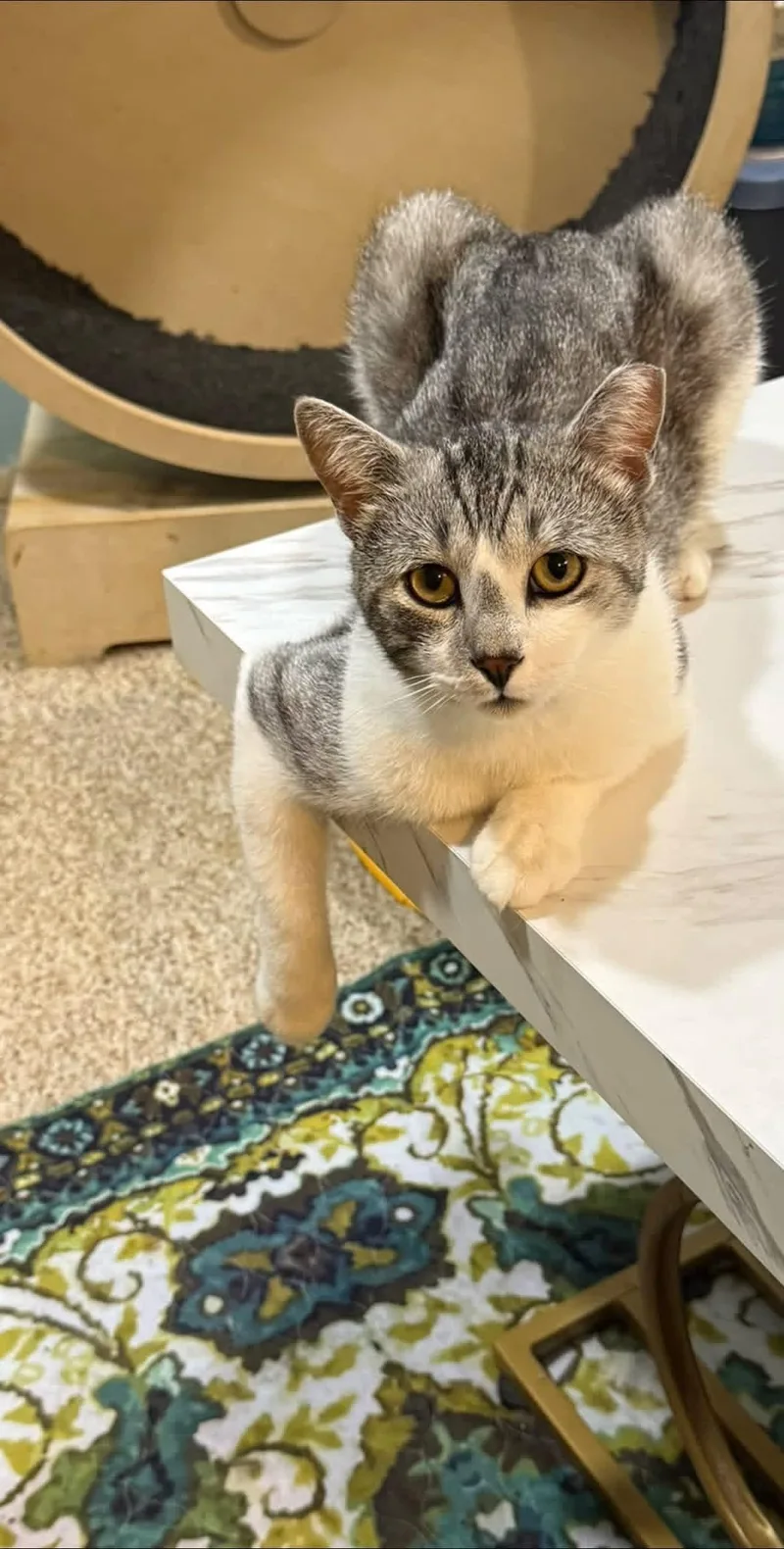
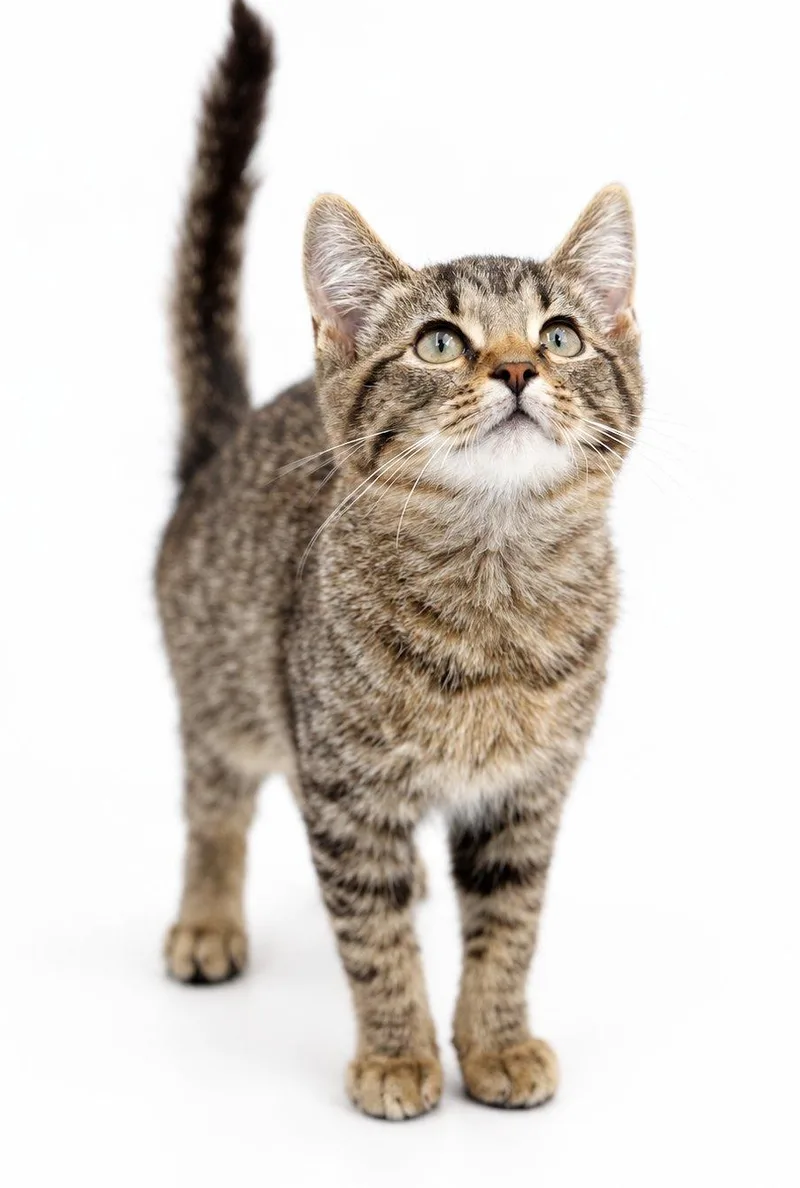
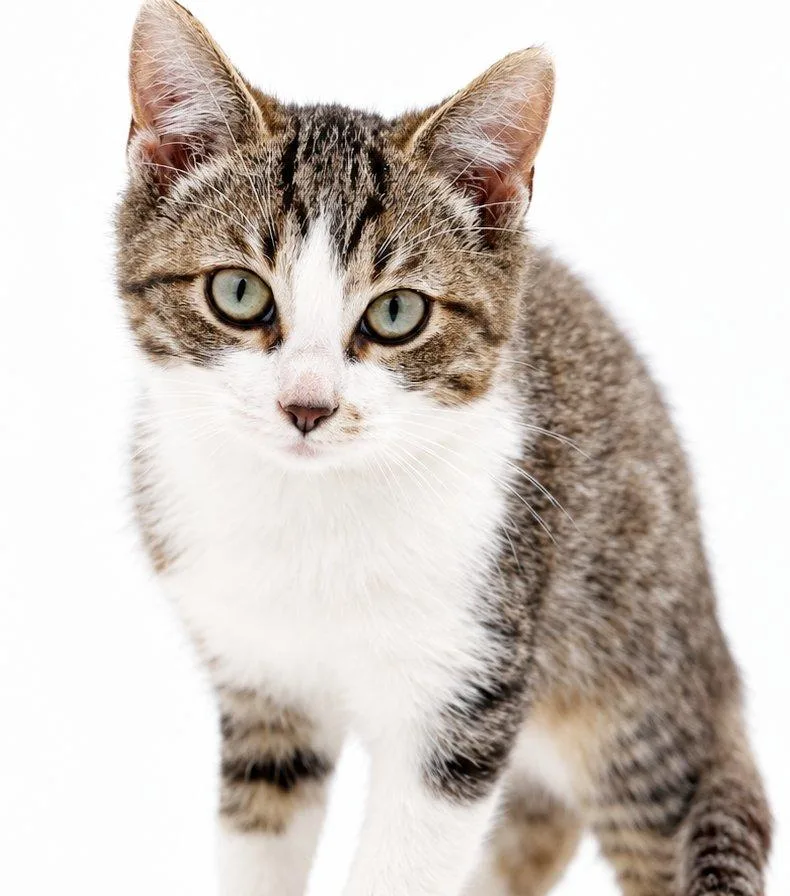
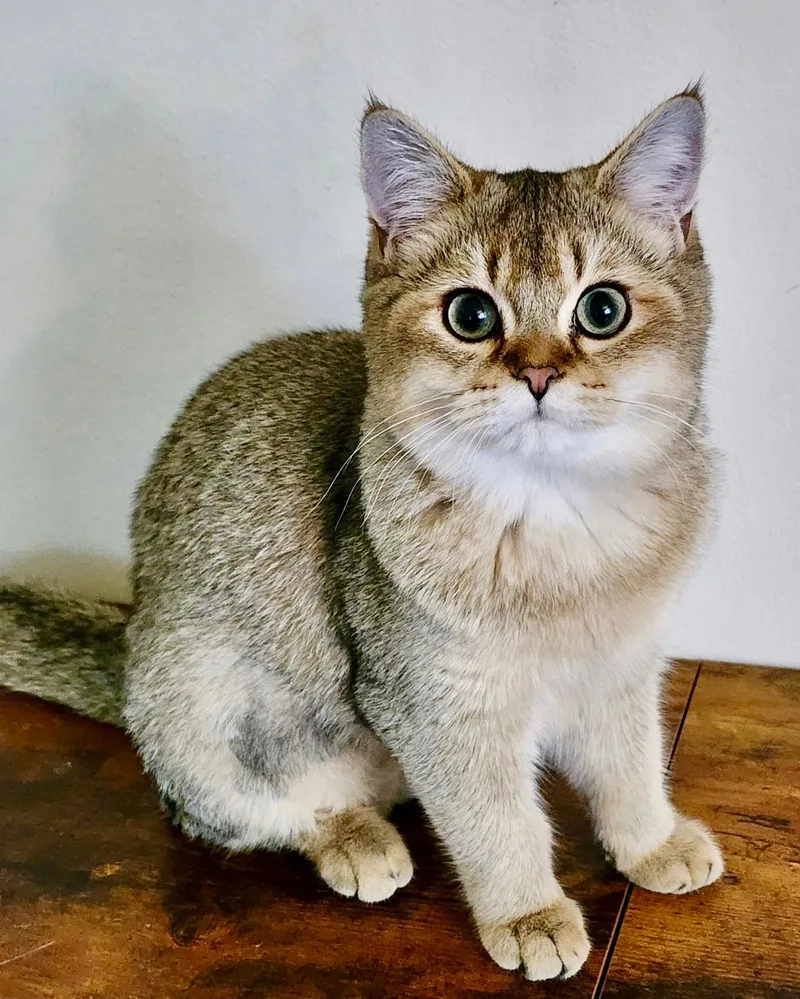
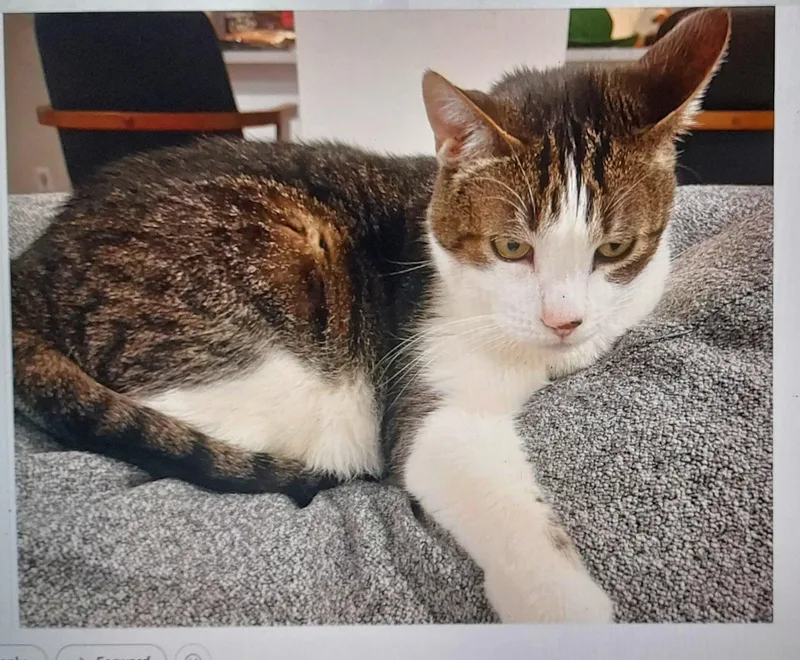
British Longhair Cats for Adoption in Huntley, IL

Your guide to finding and caring for a British Longhair in Huntley

103 cats similar to British Longhair available in Huntley and nationwide

Find your British Longhair

British Longhairs and Similar Breeds Available for Adoption Near Huntley

About the British Longhair breed

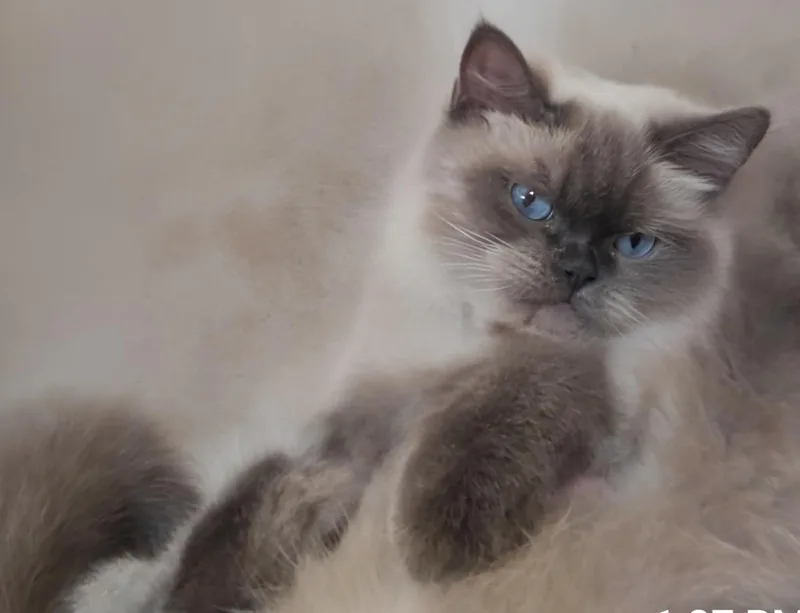
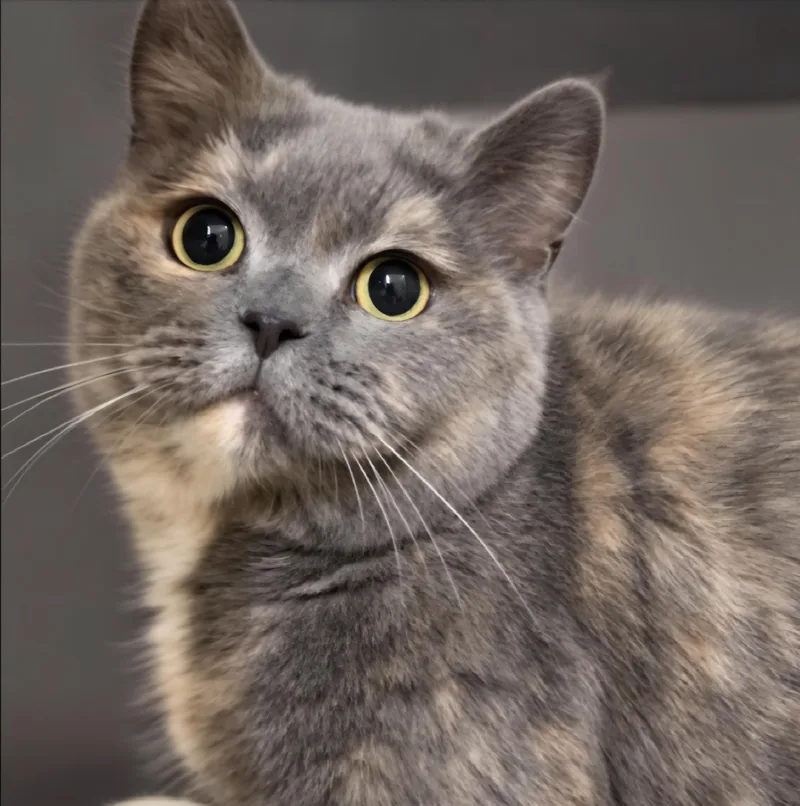
The British Longhair is the semi-longhaired form of the British Shorthair. The longhair gene entered British lines through Persian crosses used to rebuild the breed in the early twentieth century, and longhaired kittens kept appearing. Registries such as TICA and Britain's Governing Council of the Cat Fancy now recognize them, though the CFA does not. The cat has the same round head, full cheeks, copper or gold eyes and heavy, cobby body as its shorthaired relative, wrapped in a dense, plush, medium-long coat.

Most British Longhairs are calm, quiet and affectionate without being clingy, preferring to sit beside their people rather than be carried. Adopters should plan for daily or near-daily brushing to prevent mats, careful portions for a cat that gains weight easily, and veterinary attention to heart and kidney health in a slow-maturing breed.

Weight
7–17 lbs
Height
12–14 in
Lifespan
12–17 yrs
Temperament
Calm, Easygoing, Affectionate
Shedding
Moderate to High

Owning a British Longhair in Huntley

Having a British Longhair in Huntley

A British Longhair pairs a steady, undemanding personality with a sturdy build and a thick coat that needs real upkeep. Its temperament, low exercise drive, grooming load and inherited heart and kidney risks all deserve attention before adoption.

Temperament

British Longhairs tend to be placid, patient and quietly affectionate, following their people from room to room and settling nearby. Many tolerate respectful children and calm pets well, though most dislike being picked up or held for long. Some are reserved with strangers. Each cat's background shapes its comfort level more than breed reputation does.

Exercise Needs

Most British Longhairs have low to moderate energy and are happy with a few short play sessions a day, such as chasing a wand toy or batting a toy mouse. They are not big climbers, so floor-level games and puzzle feeders work well. Regular activity matters because these heavy cats gain weight easily.

Health Considerations

British Longhairs share the British Shorthair's risks, including hypertrophic cardiomyopathy, a heart muscle disease more common in males, and polycystic kidney disease in some lines. Obesity and dental disease are frequent and preventable. Many have blood type B, which matters for transfusions. Keep up with regular veterinary exams, and ask a veterinarian about heart screening.

Living Space

A British Longhair usually adapts well to apartments or houses because it is quiet and not acrobatic. A low, sturdy cat tree, a scratching post, a soft bed near the family and a cool spot in warm weather suit its thick coat. Indoor living keeps this calm, slow-moving cat safe from traffic and predators.

What it costs to own a British Longhair

ExpenseTypical costPer year
Adoption fee$600, one time$600 in year one
Food$30 to $60 per month$360 to $720
Pet insurance$30 to $65 per month$360 to $780
Routine vet care$150 to $350 per year$150 to $350
Other*$500 to $1,250 per year$500 to $1,250
Estimated yearly total (after year one)$1,370 to $3,100
First-year total (with adoption fee)$1,970 to $3,700

Adoption fee is the fee on British Longhair listings in Huntley on GetBuddy today. Other costs are national averages for British Longhairs; we don't have costs specific to Huntley yet.

* Litter, flea prevention, a dental cleaning allowance, toys and other supplies, and brushing tools or occasional grooming help for the dense semi-long coat.

Adopt a British Longhair in Huntley.

Now that you know more, let’s find you a new best friend. These rescues and shelters below currently have British Longhairs available.

Rescues in Huntley with British Longhairs Available

Here are the rescues & shelters in the Huntley area where you can find British Longhairs and other cats available for adoption.

Frequently Asked Questions

A British Longhair is the semi-longhaired form of the British Shorthair. It has the same round face, full cheeks, copper or gold eyes and sturdy, cobby body, but with a dense, plush, medium-long coat. TICA and Britain's main registry recognize it as a breed, while the CFA does not. Most are calm, quiet and gently affectionate.

Look for a British Shorthair's shape with a longer coat: a big, round head with full cheeks, a short, broad muzzle, round copper or gold eyes and a heavy body on thick legs. The dense, semi-long coat forms a ruff around the neck and a plumed tail. It isn't as long as a Persian's coat, and the face isn't flat.

British Longhairs are medium to large, heavily built cats, usually weighing 7 to 17 pounds. Males are much bigger, often 9 to 17 pounds, while females tend to weigh 7 to 12. They typically stand about 12 to 14 inches tall at the shoulder, and their thick coat and broad frame make them look even larger than they are.

British Longhairs usually live about 12 to 17 years, and some live longer. Reported figures vary widely, and a UK study of British cats found a lower average, so plan for a range rather than a promise. Keeping the cat lean, keeping up dental care and screening for heart and kidney disease with a veterinarian all support a longer life.

Yes, most British Longhairs are friendly in a calm, low-key way. They're usually patient and easygoing with family members and settle into routines well. Many are a bit reserved with strangers at first and prefer to watch new people before approaching. They aren't pushy or demanding, which makes them restful companions, though each cat's past shapes how quickly it warms up.

British Longhairs are affectionate, but many aren't classic cuddlers. They usually prefer sitting beside you on the sofa or following you from room to room over curling up in your arms. Some do enjoy laps, especially as they get older. A cat that shows affection on its own terms tends to be the norm for this breed.

Yes, British Longhairs shed quite a lot. Their dense, semi-long double coat drops hair year-round and sheds heavily during seasonal molts in spring and fall. Regular brushing catches much of that loose hair before it lands on furniture and clothes and also prevents mats. Expect more vacuuming than with a shorthaired cat.

No. British Longhairs aren't hypoallergenic. Cat allergies come mainly from a protein in saliva and skin that all cats produce, and this breed's thick coat spreads dander around the home. People with cat allergies are likely to react to a British Longhair, so spend time with the cat before adopting if anyone in the household has allergies.

The British Longhair comes from Britain. Persian and other longhaired cats were crossed into British Shorthair lines in the early twentieth century to rebuild the breed, which introduced a longhair gene. Longhaired kittens kept appearing in British litters, and those cats eventually became recognized as their own breed, with full championship status in Britain coming in 2021.

We have 1 rescue with British Longhairs available: Furever Loved Rescue NFP. You can see every rescue with British Longhairs available in the list above these questions.

Explore Other Breeds in Huntley

Looking for a different breed? Browse other cats available for adoption in Huntley.

British Longhair Cat Kittens for Sale and Adoption in Huntley, IL - GetBuddy