Tabby Cats for Adoption in Elgin, IL

Your guide to finding and caring for a Tabby in Elgin

Tabbies fit Elgin's mix of old and new housing well, as long as they have a good window. Tabby is a coat pattern, not a breed, so personalities run from shy to bold. A cat might watch squirrels from a window in a Gifford Park historic home or claim a sunny perch in a newer house near Bowes Road. Either way, a scratching post and a few minutes of wand-toy play a day go a long way. Long winters keep most Elgin cats happily indoors.

7639 Tabbies available in Elgin and nationwide

Find your Tabby

Tabbies Available for Adoption Near Elgin

About the Tabby breed

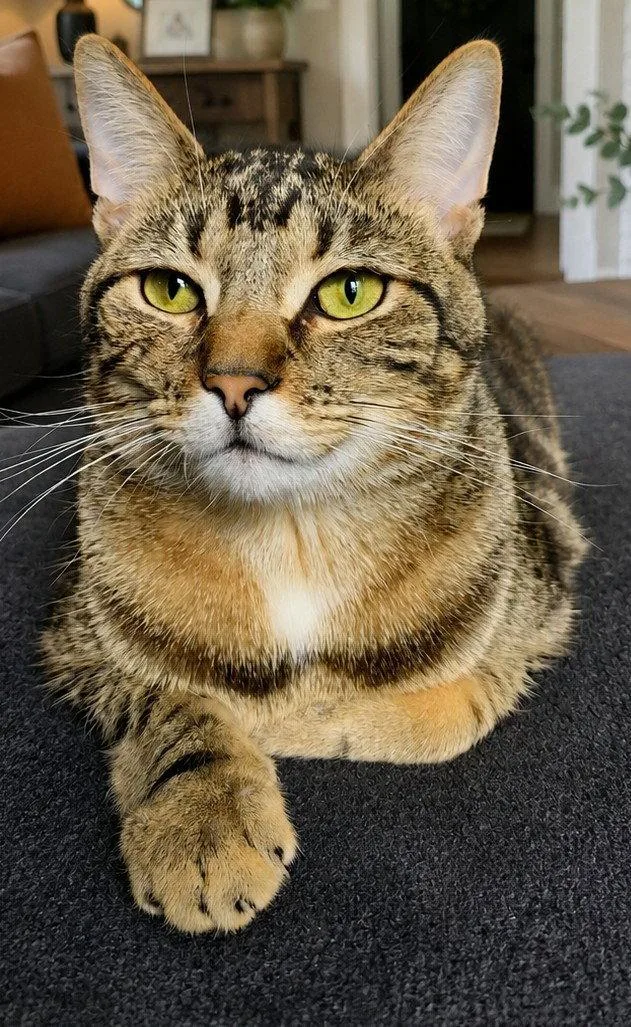
Tabby describes a coat pattern rather than a breed. The M-shaped mark on the forehead, stripes around the eyes and cheeks, and bands, swirls or spots along the body show up in domestic shorthairs and longhairs as well as in breeds like the Maine Coon and American Shorthair. Most adoptable tabbies are medium-sized domestic cats, around 6 to 14 pounds, with moderate shedding year-round.

That variety is worth keeping in mind in Elgin. A tabby's coat length, age and background matter more than its stripes, so a cat that suits a quiet apartment near Wing Park may be different from one that thrives in a busy family house. Plan on daily play, a scratching post, regular brushing in heavier shedding seasons and yearly wellness exams, and spend time with the cat before you decide.

Weight
6–14 lbs
Height
8–10 in
Lifespan
12–18 yrs
Temperament
Curious, Adaptable, Affectionate
Shedding
Moderate

Owning a Tabby in Elgin

Having a Tabby in Elgin

Because tabby is a pattern shared across many cats, traits depend on each cat's age, coat length and history. In Elgin, the practical points are indoor enrichment through long winters, a coat that sheds moderately, and routine veterinary care.

Temperament

Expect the full range of feline personalities, from curious and affectionate cats to shy or independent ones. Stripes don't set temperament, and orange tabby stereotypes partly reflect how many orange cats are male. In an Elgin home, a cat's comfort with visitors and everyday noise matters more than its color, so spend time with the cat and watch how it reacts.

Exercise Needs

Plan on short play sessions every day with wand toys, chasing and pouncing, plus climbing and window perches. Elgin's winters keep cats inside for long stretches, so a cat tree by a window and puzzle feeders help burn energy. Young cats need several sessions a day, while seniors do well with gentler games.

Health Considerations

Coat pattern has no known effect on health; risks follow a cat's age and background. Common issues include obesity, dental disease and urinary problems, plus kidney disease or hyperthyroidism in older cats. Indoor winters can mean less activity, so watch weight, and a veterinarian can check teeth, kidneys and thyroid at annual exams.

Living Space

Tabbies usually do well in houses, townhomes or apartments if they have places to climb, scratch, hide and watch outside. Put litter boxes in quiet spots, add vertical space in smaller homes, and leave room to brush a long-haired tabby. Keeping cats indoors also protects them from traffic and wildlife.

What it costs to own a Tabby in Elgin

ExpenseTypical costPer year
Food$25 to $50 per month$300 to $600
Pet insurance$20 to $45 per month$240 to $540
Routine vet care$150 to $350 per year$150 to $350
Other*$450 to $1,150 per year$450 to $1,150
Estimated yearly total (after year one)$1,140 to $2,640

Other costs are estimates and vary with size, age and health.

* Litter, flea prevention, a dental cleaning allowance, toys, scratchers and bedding, and occasional grooming.

Adopt a Tabby in Elgin.

Now that you know more, let’s find you a new best friend. These rescues and shelters below currently have Tabbies available.

Rescues in Elgin with Tabbies Available

Elgin-area shelters and rescues, some just outside the city limits, list cats of every coat and age here. Here are the rescues & shelters in the Elgin area where you can find Tabbies and other cats available for adoption.

Frequently Asked Questions

Yes, in a carrier. Metra's Milwaukee District West Line, with stops at National Street, Elgin and Big Timber Road, allows small pets in enclosed carriers on non-peak weekday trains and all weekend trains, free of charge. Pace buses let caged pets ride free, kept out of aisles and doorways. Crews can refuse pets on crowded trains, so a secure, lap-sized carrier is best.

Yes, as indoor cats. Elgin sees snow from December through February and about 11 nights a year at 0°F or colder, so a tabby should stay inside with a warm, draft-free bed, a window perch and daily play. Keep the litter box in a heated part of the home, and don't let a cat out on icy nights.

Yes. Tabby is a coat pattern, not a breed, so no breed rules apply, and Illinois law bars breed-specific local regulations anyway. Elgin's three-dog household limit covers dogs only. Your cat needs a rabies vaccine from 4 months of age, with a Kane County or Cook County tag depending on your address. If you rent, your lease sets the pet rules.

Yes. Most tabbies adapt well to apartment life with a cat tree, window perch, scratching post and daily play. Choose a quiet spot for the litter box and add vertical space if floor space is tight. Pet policies vary by building, so get pet terms, deposits and any monthly pet rent in writing before you sign a lease.

Often, yes, if you can offer indoor enrichment. Elgin's long winters mean most cat time happens inside, so daily play, a cat tree by a window and a warm bed matter. Because tabbies vary widely, choose by the cat's age, energy and coat length, and see how the cat responds to you before deciding.

Most tabbies are shorthairs and need a weekly brushing, more often in spring and fall when shedding rises. Long-haired tabbies need brushing several times a week to prevent mats. Heated indoor air in winter can dry skin and coat, so brush gently and keep water available. Professional grooming is occasional and falls under the Other line in the cost table.

A tabby cat is any cat with a tabby coat pattern, meaning stripes, swirls, spots or ticked hairs plus a distinctive M-shaped marking on the forehead. Tabby is not a breed. The pattern appears in domestic shorthairs and longhairs as well as many pedigreed breeds, such as the American Shorthair, Maine Coon and Abyssinian, and it is one of the most common cat patterns.

A tabby cat isn't any one breed, because tabby is a coat pattern. Cats with the pattern include shelter domestic shorthairs and longhairs as well as breeds such as the American Shorthair, Maine Coon, Bengal and Abyssinian. Most tabbies available for adoption are mixed-breed domestic cats, so browse the cats listed here and look at each one's age and personality.

We have 1 rescue with Tabbies available: Hoof Woof Meow Animal Rescue. You can see every rescue with Tabbies available in the list above these questions, or scroll to the top to see the Tabbies near Elgin.

Expect roughly $1,140 to $2,640 a year for a tabby, covering food, insurance, routine vet care and other expenses such as litter, flea prevention and dental care. Food and litter are the steady monthly costs, while dental work and illness can push the total higher. Costs vary with the cat's size, age and coat length.

Explore Other Breeds in Elgin

Looking for a different breed? Browse other cats available for adoption in Elgin.