Havana Cats for Adoption in Boise, ID

Your guide to finding and caring for a Havana in Boise

A Havana is a good match for a Central Bench apartment or a North End bungalow, as long as someone's home a fair amount. These cats follow their people from room to room and chatter softly at the birds outside the window. They're medium-sized, low-shedding and don't need much space, but they do want company and daily play. Havanas are rare, so you may meet brown shorthairs or Havana mixes first, and those cats can be just as sociable.

2815 cats similar to Havana available in Boise and nationwide

Give a Havana Brown a home

While we don't have enough cats near Boise, keep in mind that many rescues may offer transport.

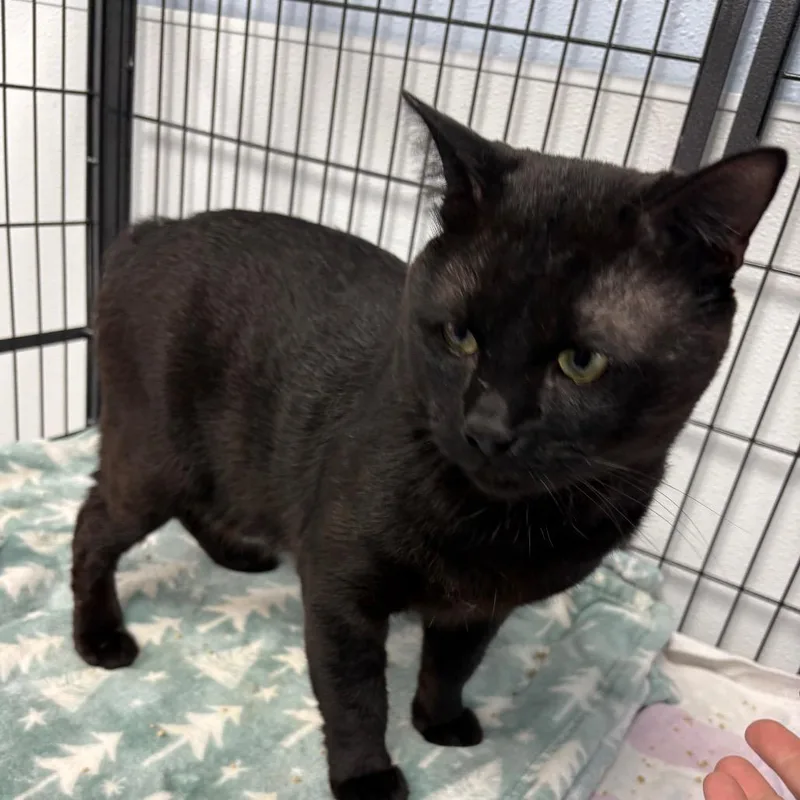
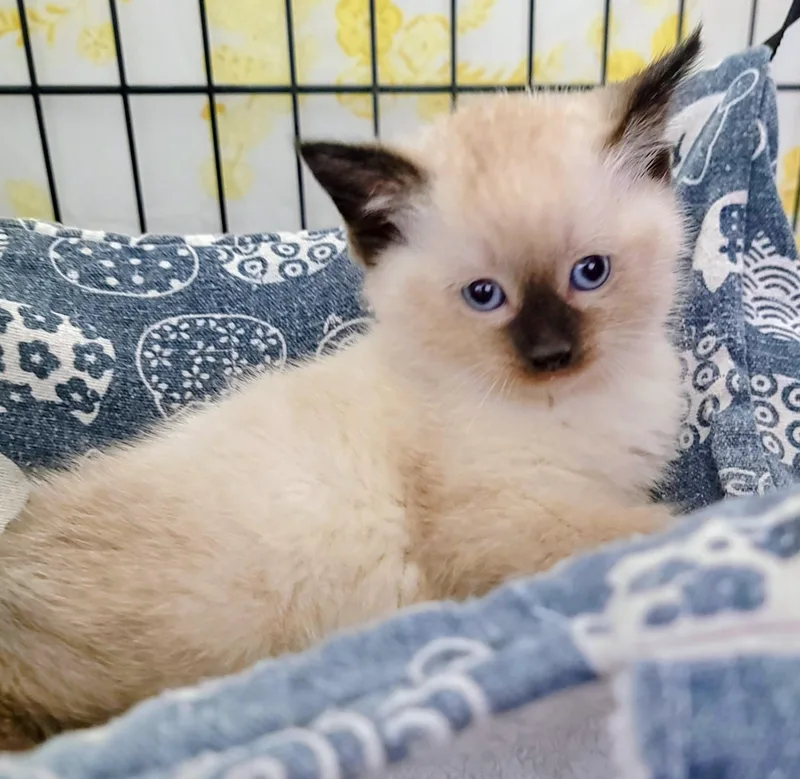
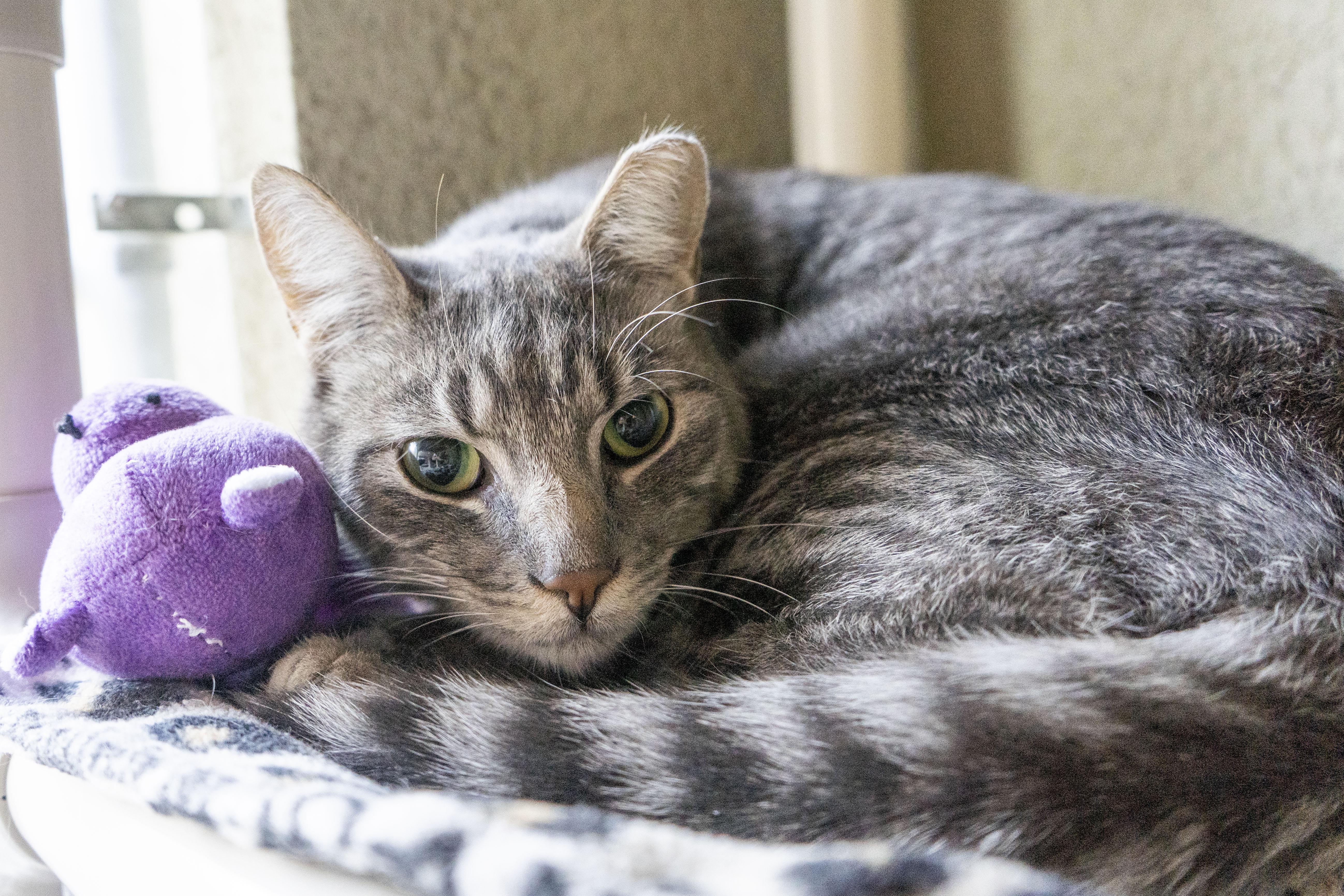
Havanas and Similar Breeds Available for Adoption Near Boise

About the Havana breed

The Havana, called the Havana Brown by some registries, was developed in Britain in the 1950s by pairing chocolate-carrying Siamese cats with black domestic shorthairs. The result is a glossy, warm chocolate coat, brown whiskers to match, green eyes, large forward-tilted ears and a squared-off muzzle on a moderate, muscular body that typically weighs 6 to 10 pounds.

Havanas are often curious, people-focused cats that like to be part of whatever the household is doing, sometimes reaching out with a paw to investigate. Many are talkative, in a softer voice than a Siamese. In Boise, that sociable streak fits homes where someone is around part of the day. The breed is genuinely rare, so most adopters will meet brown shorthaired cats or Havana mixes, and each cat's personality can differ from the breed description.

Weight
6–10 lbs
Height
9–11 in
Lifespan
10–15 yrs
Temperament
Social, Curious, Affectionate, Playful
Shedding
Low

Owning a Havana in Boise

Having a Havana in Boise

Havanas pair a sleek, low-maintenance coat with a strong wish to be involved. For Boise adopters, the questions that matter are how much company the cat gets, how playtime fits the day, and whether an indoor home gives it enough to watch and climb.

Temperament

Havanas are often affectionate and interactive, following people from room to room and greeting visitors with interest rather than hiding. Many get along with considerate children and calm dogs. Because they're so people-oriented, some get lonely during long days alone, so a household with someone home part of the day often suits them best.

Exercise Needs

Most Havanas are moderately active and enjoy daily play with wand toys, balls and anything they can bat with a paw. Two or three short sessions a day tend to work better than one long one. Puzzle feeders, climbing perches and a window that looks out on birds give a curious Boise cat plenty to do indoors.

Health Considerations

The Havana has no well-documented breed-specific genetic disease, though gum inflammation may be somewhat more common. The breed's very small gene pool means records are limited, so regular dental care and yearly checkups matter. A veterinarian can check the teeth, weight and overall health soon after adoption and talk through any screening worth doing.

Living Space

A Havana can do well in an apartment or a house, because company and enrichment matter more than square footage. That makes the breed practical for Boise's multi-unit buildings, from downtown to the Central Bench. Window perches, a cat tree and a few hiding spots help, especially if the cat is alone for part of the day.

What it costs to own a Havana in Boise

ExpenseTypical costPer year
Food$25 to $50 per month$300 to $600
Pet insurance$25 to $50 per month$300 to $600
Routine vet care$150 to $350 per year$150 to $350
Other*$450 to $1,150 per year$450 to $1,150
Estimated yearly total (after year one)$1,200 to $2,700

Other costs are estimates and vary with size, age and health.

* Litter, flea prevention, a dental cleaning allowance, toys, scratchers and other supplies, and minimal home grooming for the short coat.

Adopt a Havana in Boise.

Now that you know more, let’s find you a new best friend. These rescues and shelters below have cats available in and near Boise.

Rescues and Shelters in or near Boise

Boise's shelters and rescues list cats of all ages here, and brown shorthairs or Havana mixes may appear. Here are the rescues & shelters in the Boise area with cats available for adoption, worth asking whether a Havana is coming in.

Frequently Asked Questions

Yes. Boise has no breed ban or breed-specific rule, and cats don't need a city license. Havanas are rare, so most adopters meet brown shorthairs or Havana mixes instead. Watch the listings on this page, and save a search to hear when new cats are listed. Whatever the cat looks like, personality matters more than the breed label.

Often, yes, for people who are home part of the day. A Havana wants company and play, which suits a remote worker or a household with a friendly second pet better than someone gone ten hours. Boise's dry, four-season climate is easy on an indoor cat. Each cat's personality varies, so the cat's own behavior tells you more than the breed.

Yes. A medium-sized Havana needs companionship and enrichment more than space, so a one-bedroom downtown or on the Central Bench can work well. Add window perches, a cat tree and daily wand play. Havanas can be talkative, though in a soft voice, so get landlord approval in writing before moving in.

Yes, in a carrier. Valley Regional Transit's buses allow pets only in a kennel or carrier small enough to rest on your lap or fit under the seat, and a 6-to-10-pound Havana fits a well-sized one. Boise has buses only, no rail. Practice with the carrier at home first so the ride feels familiar.

Yes, as indoor cats. Boise averages about 55 days a year at 90°F or higher, mostly in July and August, and a handful reach 100°F. Keep the home cool, close blinds on sunny windows, and offer fresh water in several spots. Summer nights cool off, so opening windows around dawn gives the house a break.

Very little. The short coat needs a quick weekly brush, a bit more during a seasonal shed. Trim nails every few weeks and brush teeth when the cat allows, since Havanas may be prone to gum inflammation. Most owners groom at home, so grooming adds little to the yearly Other costs shown for Boise.

A Havana cat, also called the Havana Brown, is a rare shorthaired breed developed in Britain in the 1950s from Siamese and black domestic cats. It is recognized by its rich chocolate-brown coat, brown whiskers, green eyes and distinctive muzzle. Havanas tend to be social, curious and people-focused, and few are available, so brown shorthaired mixes are more common in shelters.

Plan on about $25 to $50 a month for food, $25 to $50 a month for insurance, $150 to $350 a year for routine vet care, and $450 to $1,150 a year for everything else, including litter and dental care. Together that's roughly $1,200 to $2,700 a year for a Havana in Boise, before unexpected illness.

Explore Other Breeds in Boise

Looking for a different breed? Browse other cats available for adoption in Boise.