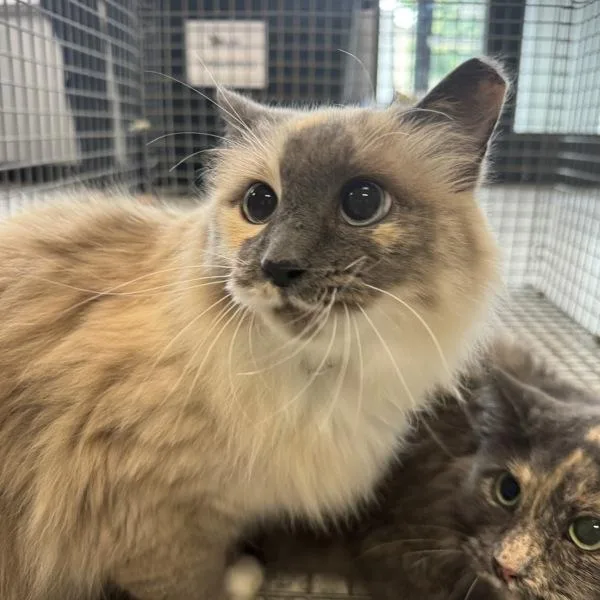
Calico Cats for Adoption in Des Moines, IA

Your guide to finding and caring for a Calico in Des Moines

A calico in Des Moines is usually a domestic shorthair with a tricolor coat, and she fits an apartment as easily as a house. In a Sherman Hill Victorian split into apartments or a brick bungalow in Beaverdale, she'll claim the sunniest window and watch the street from it. Calico is a coat pattern, so personality varies from cat to cat. Keeping her indoors suits Iowa's long winters, and a tall perch by the window goes a long way.

1486 Calicos available in Des Moines and nationwide

Bring home a Calico

While we don't have enough cats near Des Moines, keep in mind that many rescues may offer transport.

Calicos Available for Adoption Near Des Moines

About the Calico breed

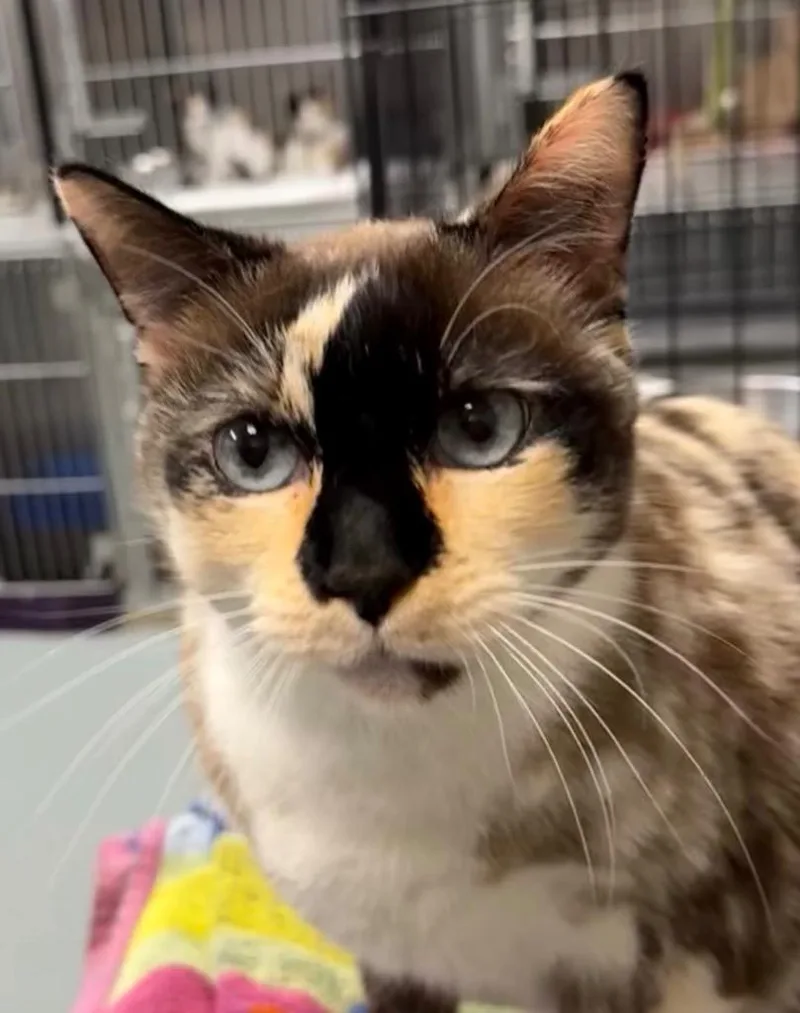
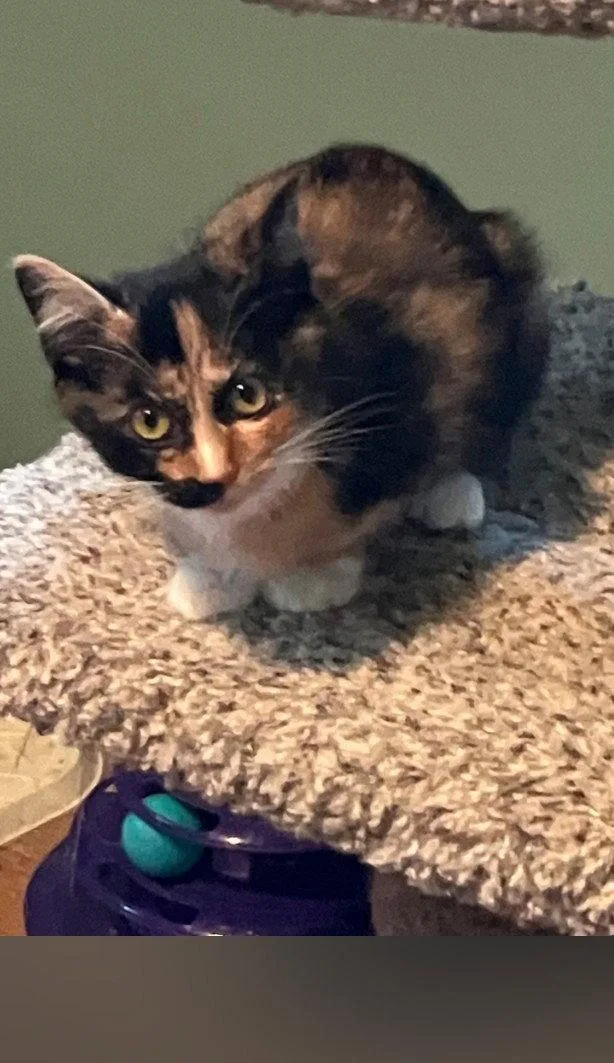
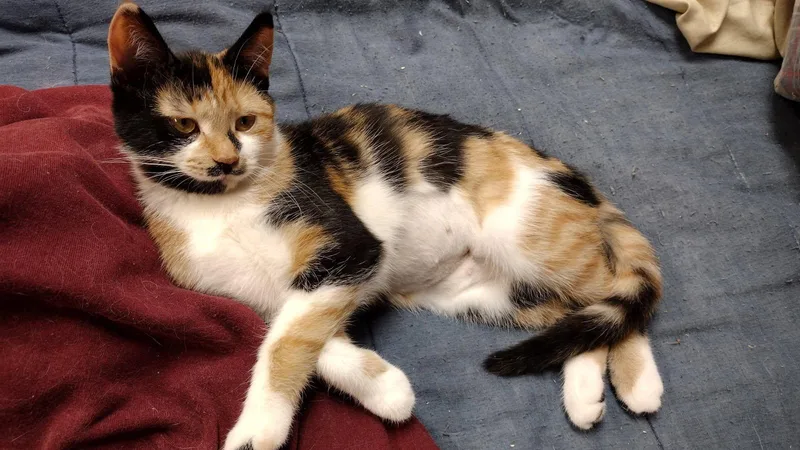
Calico isn't a breed. It's a tricolor coat of white with patches of black and orange, or soft gray and cream in the dilute version. The pattern shows up in domestic shorthairs and longhairs as well as many pedigreed breeds. Because the color gene sits on the X chromosome, nearly every calico is female, and the rare males are usually sterile.

Most calicos you'll meet are domestic shorthairs, so size and care look like those of any house cat: about 6 to 12 pounds, a lifespan of 12 to 18 years, and moderate shedding. Weekly brushing is plenty for short coats, and longhaired mixes need more. The "tortitude" reputation hasn't been confirmed by research, so age, upbringing and how a cat acts around people tell you far more than her patches.

Weight
6–12 lbs
Height
8–10 in
Lifespan
12–18 yrs
Temperament
Adaptable, Affectionate, Independent
Shedding
Moderate

Owning a Calico in Des Moines

Having a Calico in Des Moines

A calico's traits come from her ancestry, age and upbringing, not her coat. In Des Moines, most live as indoor companions with moderate energy, so winter play, window views and a cozy home base matter more than outdoor space.

Temperament

Calicos range from shy and gentle to bold and chatty, because personality follows each cat's genes and early experiences, not her patches. The "tortitude" reputation isn't backed by solid evidence. In an apartment building with neighbors close by, a cat's comfort with noise and visitors matters, so notice how she reacts to new people and sounds.

Exercise Needs

Plan two or three short play sessions a day with wand toys, balls or food puzzles. During Des Moines cold snaps, when outdoor time is off the table, indoor play carries the whole load, so rotate toys and add climbing spots. Kittens and young cats need more play than seniors do.

Health Considerations

A calico's health follows her underlying ancestry, so expect ordinary cat care: vaccines, dental care, weight control and yearly checkups. A cozy, sedentary winter can add pounds, so measure meals. Rare male calicos can face added concerns, and a veterinarian can check any new cat's teeth, weight and heart.

Living Space

Calicos adapt to Des Moines' mix of historic apartments and older single-family homes when they have vertical space, scratching posts, hiding spots and a window to watch from. Shy cats do best with a quiet room at first. Keep her indoors or in a catio, since coyotes live in city neighborhoods.

What it costs to own a Calico in Des Moines

ExpenseTypical costPer year
Food$25 to $50 per month$300 to $600
Pet insurance$20 to $45 per month$240 to $540
Routine vet care$150 to $350 per year$150 to $350
Other*$465 to $1,165 per year$465 to $1,165
Estimated yearly total (after year one)$1,155 to $2,655

Other costs are estimates and vary with size, age and health.

* Litter, flea prevention, a dental cleaning allowance, toys and supplies, home brushing, and the $15 Des Moines license for a spayed or neutered cat.

Adopt a Calico in Des Moines.

Now that you know more, let’s find you a new best friend. These rescues and shelters below have cats available in and near Des Moines.

Rescues and Shelters in or near Des Moines

The Animal Rescue League of Iowa runs Des Moines' animal control and adoptions, alongside other rescues serving the area. Here are the rescues & shelters in the Des Moines area with cats available for adoption, worth asking whether a Calico is coming in.

Frequently Asked Questions

Yes, a calico is usually a good fit for Des Moines, especially as an indoor cat. She can be happy in a Beaverdale bungalow or a downtown apartment as long as she has windows, climbing spots and daily play. Because calico is a coat pattern, not a breed, meeting the cat matters more than her patches.

Yes, calicos handle Des Moines winters well as indoor cats. Snow is normal from November through March and freezing nights are common, so keep her inside with a warm bed away from drafts. If she walks on a harness, wipe her paws after salt or ice melt, and use short play sessions on the coldest days.

Yes, a calico can live happily in a Des Moines apartment. Give her a window perch, a tall scratching post and two or three play sessions a day. Secure window screens, and since neighbors are close, pick a cat who seems relaxed around hallway and street noise rather than going by coat.

No, DART buses don't allow pets other than service animals, and no carrier exception is known. Plan trips with your calico by car, including vet visits. If you don't drive, arrange a ride ahead of time and use a sturdy, secure carrier so she stays calm and safe.

A shorthaired calico needs a quick brush about once a week, while a longhaired mix needs brushing several times a week to prevent mats. Heated winter homes and fall coat changes can mean extra shedding. Home brushing costs little, and any professional grooming falls within the Other costs listed on this page.

Almost all calico cats are female, but not every single one. The genes for orange and black coat color sit on the X chromosome, so a cat normally needs two X chromosomes to show both colors at once. Roughly 1 in 3,000 calicos is male, usually because of an extra X chromosome, a genetic quirk rather than a separate type.

A calico cat is any cat with a three-color coat of white plus distinct patches of black and orange, or gray and cream in dilute calicos. Calico is a coat pattern rather than a breed, so it appears in domestic shorthairs, longhairs and many pedigreed breeds. Nearly all calicos are female because of how coat color genes are inherited.

Yes, calico cats can be male, but it is very rare. A male calico usually has XXY chromosomes instead of the typical XY, a condition similar to Klinefelter syndrome in people, or is a chimera formed from two embryos. These males are almost always sterile and may have extra health needs, so regular veterinary care is especially worthwhile.

Calico cats are not rare in general; they are a common sight in shelters and homes because the pattern appears in ordinary domestic cats. What is rare is a male calico, with only about 1 in 3,000 calicos being male. Calicos of uncommon breeds or with long coats may simply take longer to find in adoption listings.

Expect roughly $1,155 to $2,655 a year for a calico in Des Moines. That covers food at $25 to $50 a month, insurance at $20 to $45 a month, routine vet care at $150 to $350 a year, and other costs of $465 to $1,165 a year, including litter. Emergencies aren't included.

Find Calicos in Nearby Cities

Expand your search to find Calicos available for adoption near Des Moines.

Explore Other Breeds in Des Moines

Looking for a different breed? Browse other cats available for adoption in Des Moines.