Tortoiseshell Cats for Adoption in Honolulu, HI

Your guide to finding and caring for a Tortoiseshell in Honolulu

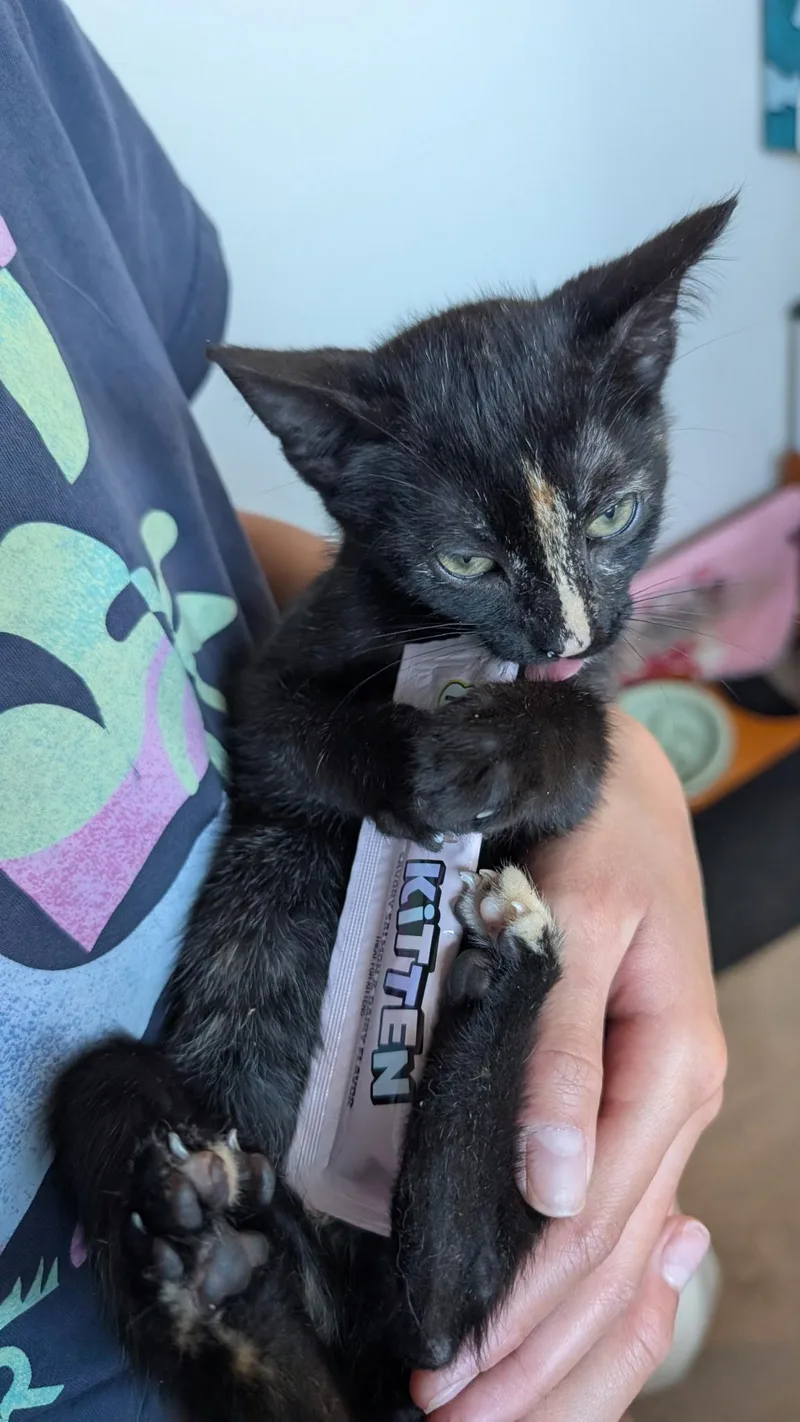
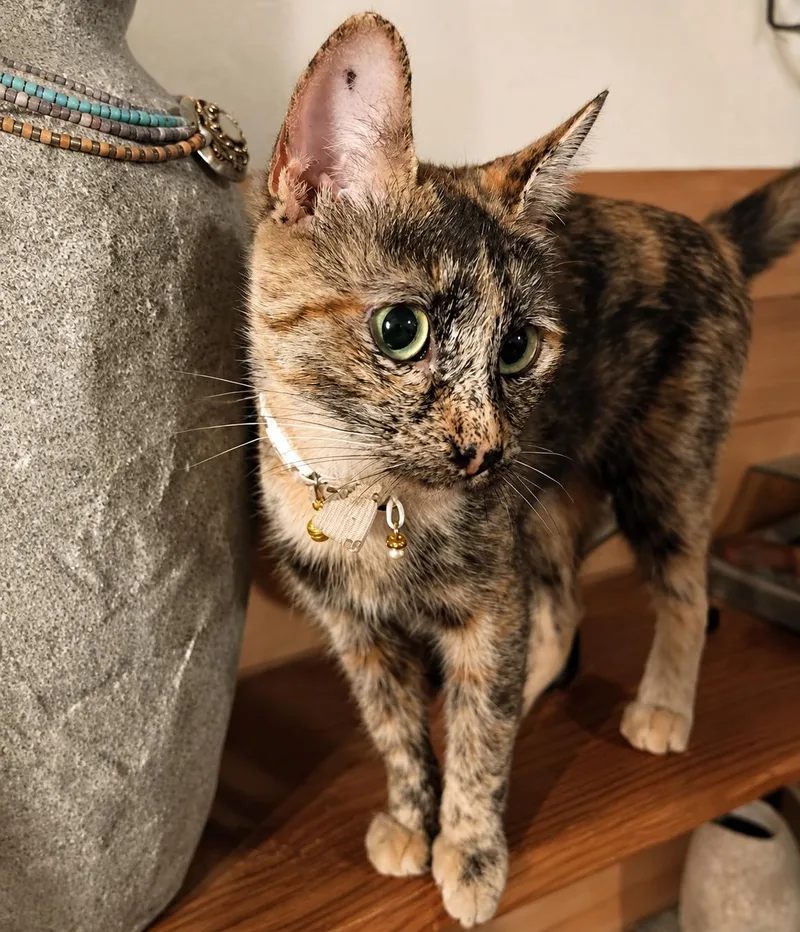
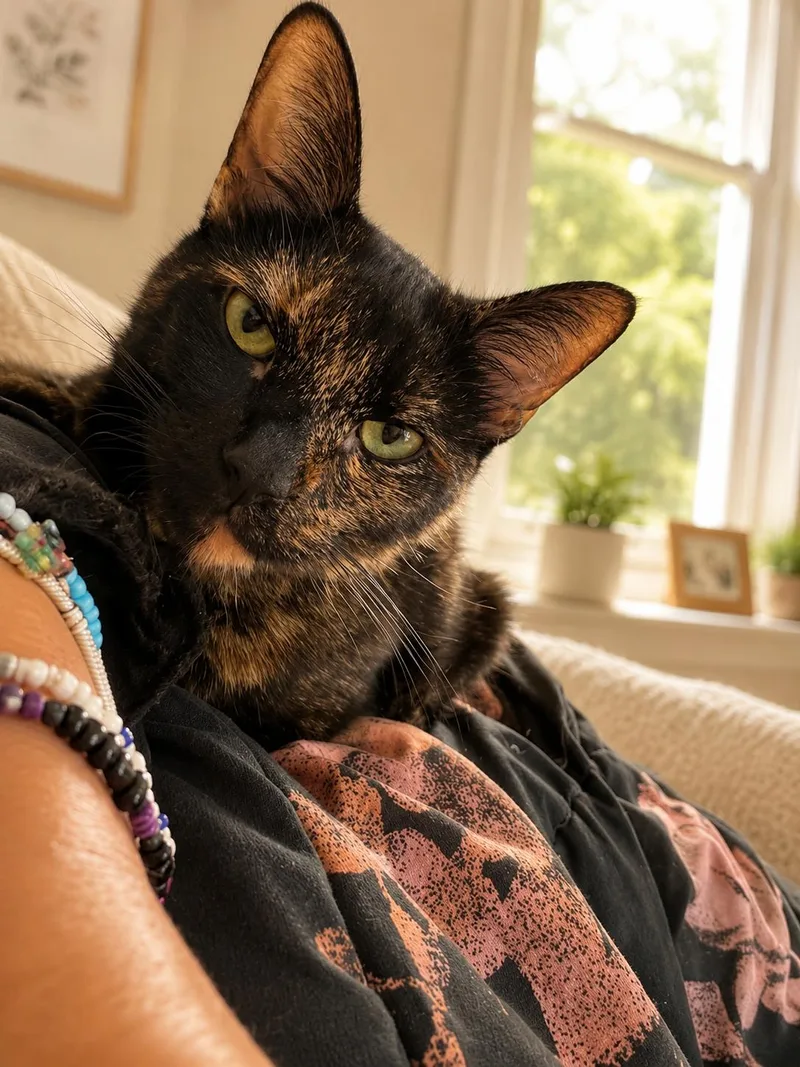
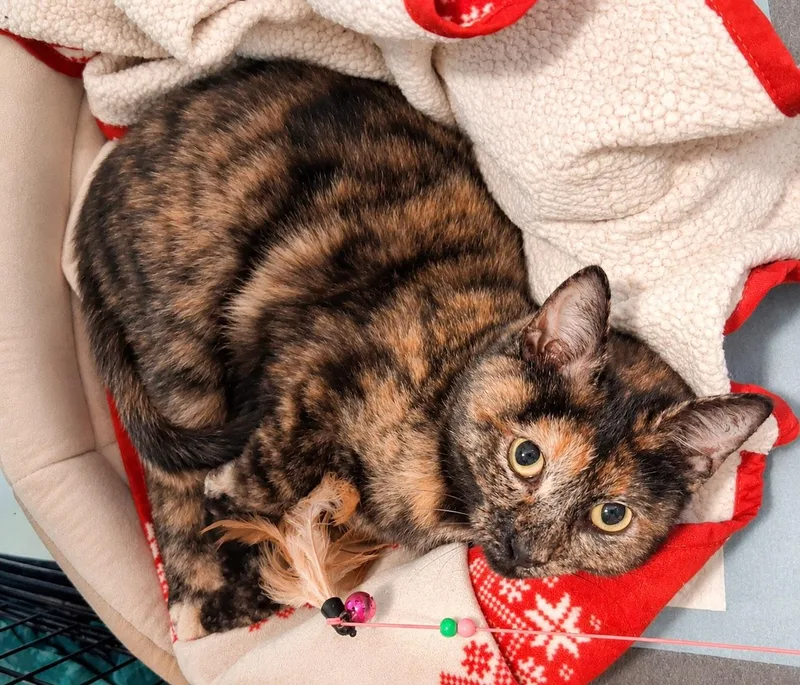
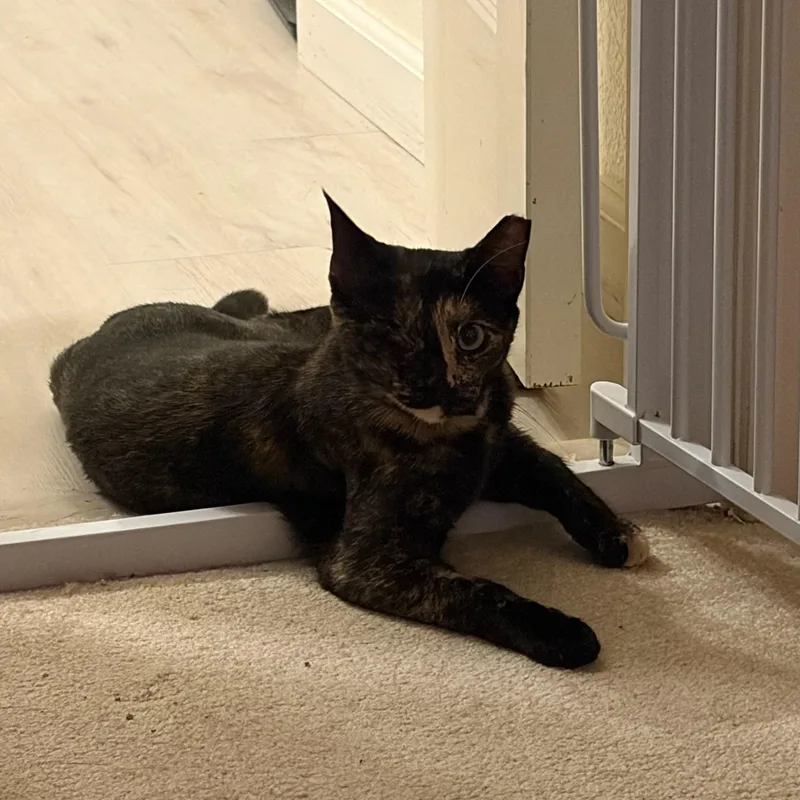
A Tortoiseshell in Honolulu is a cat with a patchy black-and-orange coat, and the pattern says nothing about breed. Most torties are short-haired domestic cats, which suits a Makiki walk-up or a Salt Lake condo as comfortably as a house in Mililani. Many are happiest with a sunny window perch and a daily play session. Warm afternoons make an indoor home with shade and airflow the easy choice, and a screened lanai gives a tortie plenty to watch.

960 Tortoiseshells available in Honolulu and nationwide

Your Tortoiseshell is waiting

While we don't have enough cats near Honolulu, keep in mind that many rescues may offer transport.

Tortoiseshells Available for Adoption Near Honolulu

About the Tortoiseshell breed

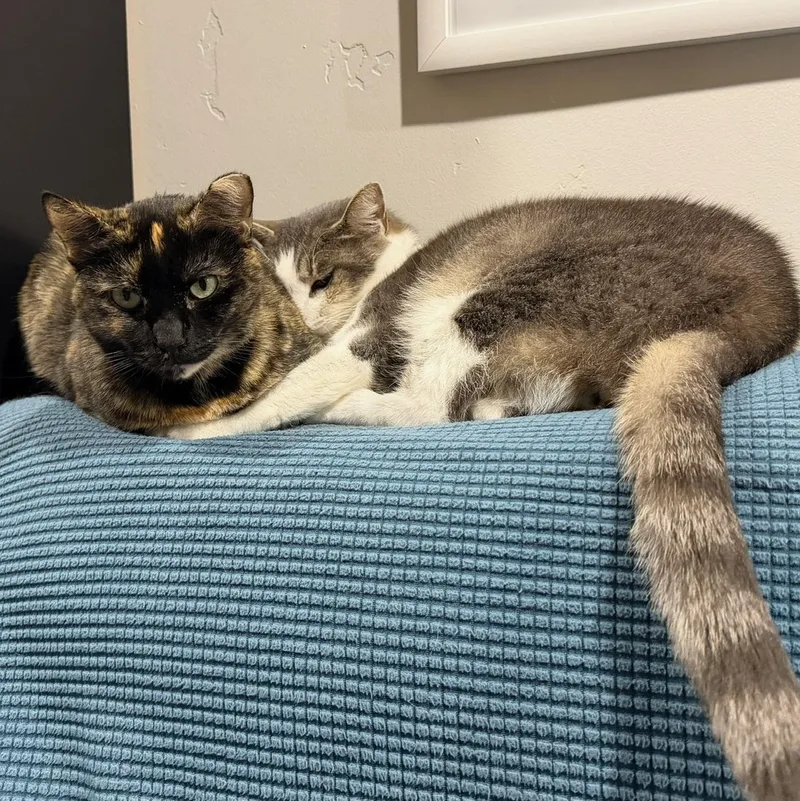
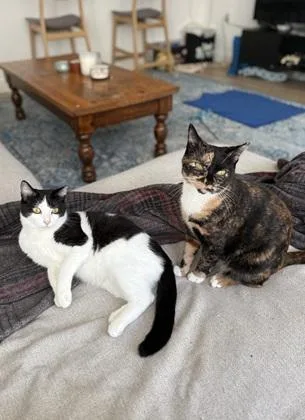
Tortoiseshell describes a coat, not a breed. Black-based and orange-based colors blend or break into patches, usually with little white. A cat with large white areas is a calico, and dilute torties show soft gray and cream. Because the orange gene sits on the X chromosome, nearly all torties are female. Most are domestic shorthairs, though the pattern turns up in many breeds.

A tortie in a Honolulu apartment or house can be anything from a shy lap cat to a bold explorer. Coat color doesn't set personality, and the "tortitude" reputation rests mostly on owner impressions. Expect moderate shedding, a weight of about 6 to 14 pounds and a lifespan of 12 to 18 years. Age, upbringing and daily routine will tell you more than the colors do.

Weight
6–14 lbs
Height
8–10 in
Lifespan
12–18 yrs
Temperament
Independent, Affectionate, Playful
Shedding
Moderate

Owning a Tortoiseshell in Honolulu

Having a Tortoiseshell in Honolulu

A tortie's traits come from ancestry, age and upbringing rather than coat color. These cards describe what holds for most tortoiseshell cats, usually domestic shorthairs, and what matters when one lives in a Honolulu apartment or house.

Temperament

Torties are often called spirited or opinionated, but that reputation, nicknamed tortitude, comes mostly from owner impressions rather than solid evidence. Tortoiseshell cats range from shy to bold and from cuddly to independent. Spend time with the cat in person, since how a cat reacts to noise and handling matters in a busy building.

Exercise Needs

Most tortoiseshell cats enjoy daily play with wand toys, chase games and puzzle feeders, and kittens and young adults need the most. In Honolulu's warm weather, schedule active sessions for morning or evening. Climbing shelves and a window perch add enrichment, and a harness-trained cat can enjoy a secure lanai or yard.

Health Considerations

The tortoiseshell pattern carries no health risks for females, while the rare males usually have an extra X chromosome and may face added issues. Health depends on ancestry, age and care, so plan on yearly exams, dental care and a healthy weight. Keep microchip registration current, since a registered chip is how a lost cat gets home.

Living Space

Tortoiseshell cats do well in apartments and houses alike, because space needs depend on the cat rather than the coat. In Honolulu's condos and walk-ups, vertical space goes a long way: a cat tree, scratching posts and a window perch. Keep lanai and window screens secure, since cats can slip out or fall from high floors.

What it costs to own a Tortoiseshell in Honolulu

ExpenseTypical costPer year
Food$25 to $50 per month$300 to $600
Pet insurance$20 to $45 per month$240 to $540
Routine vet care$150 to $350 per year$150 to $350
Other*$450 to $1,150 per year$450 to $1,150
Estimated yearly total (after year one)$1,140 to $2,640

Other costs are estimates and vary with size, age and health.

* Litter, flea prevention, a dental cleaning allowance, toys and supplies, and home grooming.

Adopt a Tortoiseshell in Honolulu.

Now that you know more, let’s find you a new best friend. These rescues and shelters below have cats available in and near Honolulu.

Rescues and Shelters in or near Honolulu

Honolulu's shelters and rescue groups care for cats of every coat and temperament, and the listings change often. Here are the rescues & shelters in the Honolulu area with cats available for adoption, worth asking whether a Tortoiseshell is coming in.

Frequently Asked Questions

Yes, tortoiseshell cats do well in apartments, since coat color doesn't change space needs. What matters is vertical space, daily play and a quiet place to retreat. In Honolulu's high-rises and walk-ups, keep lanai and window screens secure so a curious cat can't slip out, and set up shade and airflow for warm afternoons.

Often yes, as long as the cat's age and temperament match your home. Indoor torties handle small spaces and warm weather well, though a shy cat may prefer a calmer building. Plan for New Year's, when illegal aerial fireworks are widespread across Oʻahu: set up a quiet room, play white noise and keep the microchip registration current.

Yes. No known Honolulu rule limits cats by coat color or pattern. If you're moving to the island with a cat instead, remember Hawaiʻi is rabies-free: arriving cats need two rabies vaccinations and a passing antibody test with a 30-day wait, or face up to 120 days of quarantine. Adopting locally avoids that process entirely.

Yes, with sensible care. Honolulu reaches 90°F on about 32 days a year, mostly July through September, and has never hit 100°F. Many tortoiseshell cats have short coats and cope well indoors with shade, airflow and fresh water. Humidity and hot sun through windows matter more than the thermometer, so close blinds on sunny afternoons.

It depends on coat length, not color. A short-haired tortie needs a quick brush about once a week, while a long-haired one benefits from brushing several times a week. Most torties groom themselves, so home brushing is usually enough, and that small cost is already included in the yearly Other budget on this page.

Yes, in a carrier. TheBus allows animals only in a small enclosed container on your lap or under the seat, and Skyline asks that small animals ride in a cage or carrier that fits under the seat. Choose a sturdy, well-ventilated carrier that fits a cat comfortably, and get the cat used to it before the first ride.

No, plan on leaving the cat at home. Hawaiʻi's August 2025 food code change lets restaurants opt in to allowing pet dogs on outdoor patios, and it applies to dogs rather than cats. Indoor dining rooms remain off-limits to pets, and most cats find a crowded patio stressful anyway.

A tortoiseshell cat is a cat with a coat pattern of black-based and orange-based colors blended or patched together, usually with little or no white. It is not a breed; the pattern appears in many breeds and most often in domestic shorthairs. Nearly all tortoiseshells are female because the genes for orange and black are carried on the X chromosome.

Almost all tortoiseshell cats are female, but not all. A female has two X chromosomes and can carry both orange and black color genes, producing the mixed coat. Males normally have only one X. Rare male torties usually have an extra X chromosome or are genetic chimeras, and they are estimated at roughly 1 in 3,000 tortoiseshells.

Expect roughly $1,140 to $2,640 a year for a tortie in Honolulu. That covers food at $25 to $50 a month, pet insurance at $20 to $45 a month, routine vet care at $150 to $350 a year, and $450 to $1,150 a year for litter, parasite prevention, dental care and supplies. Adoption fees vary by listing.

Explore Other Breeds in Honolulu

Looking for a different breed? Browse other cats available for adoption in Honolulu.