Russian Blue Cats for Adoption in Honolulu, HI

Your guide to finding and caring for a Russian Blue in Honolulu

Russian Blues fit well in a quiet Makiki apartment, where a window perch and a daily play session cover most of what they need. They tend to be reserved and fond of routine, so older low-rise buildings with little hallway commotion suit many of them. In Honolulu's warm, humid air, a cat with a plush double coat does best with a fan and a shaded spot to nap. Expect a cat that watches new visitors from across the room before it decides to say hello.

709 Russian Blues available in Honolulu and nationwide

Find your Russian Blue

While we don't have enough cats near Honolulu, keep in mind that many rescues may offer transport.

Russian Blues Available for Adoption Near Honolulu

About the Russian Blue breed

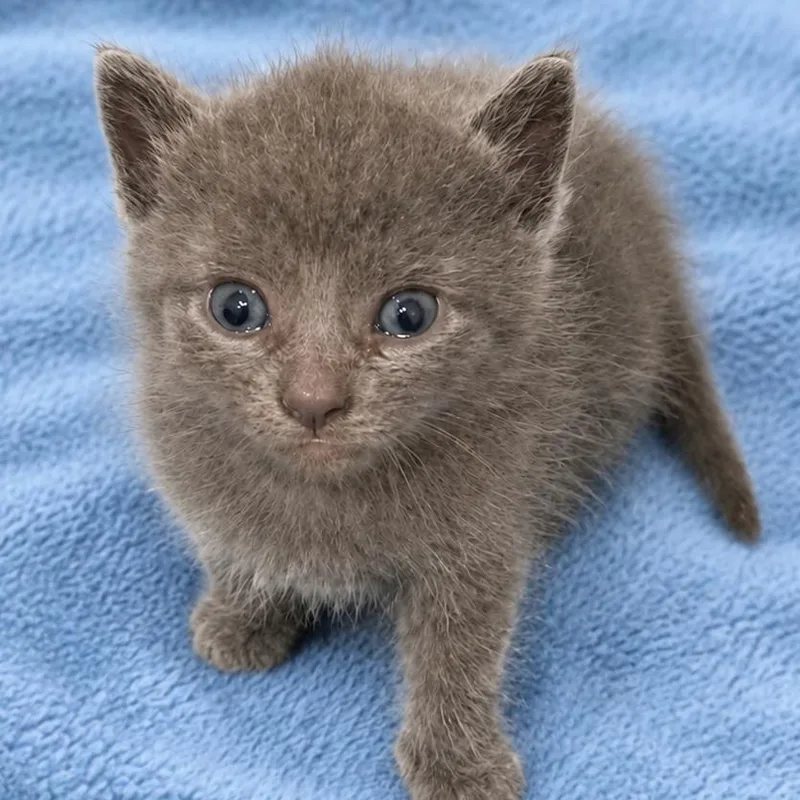
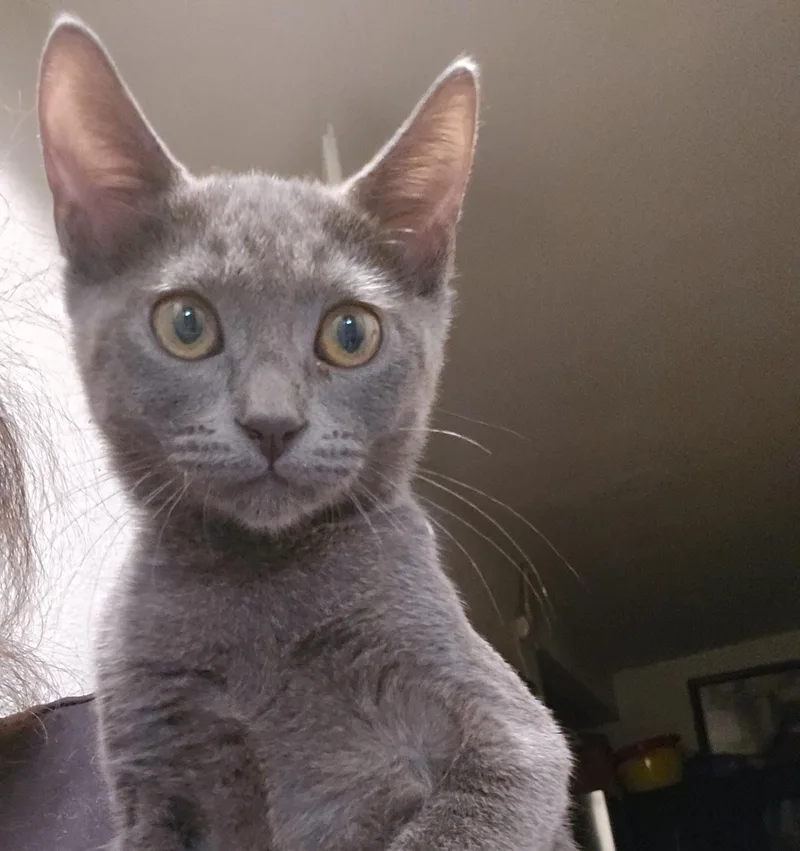
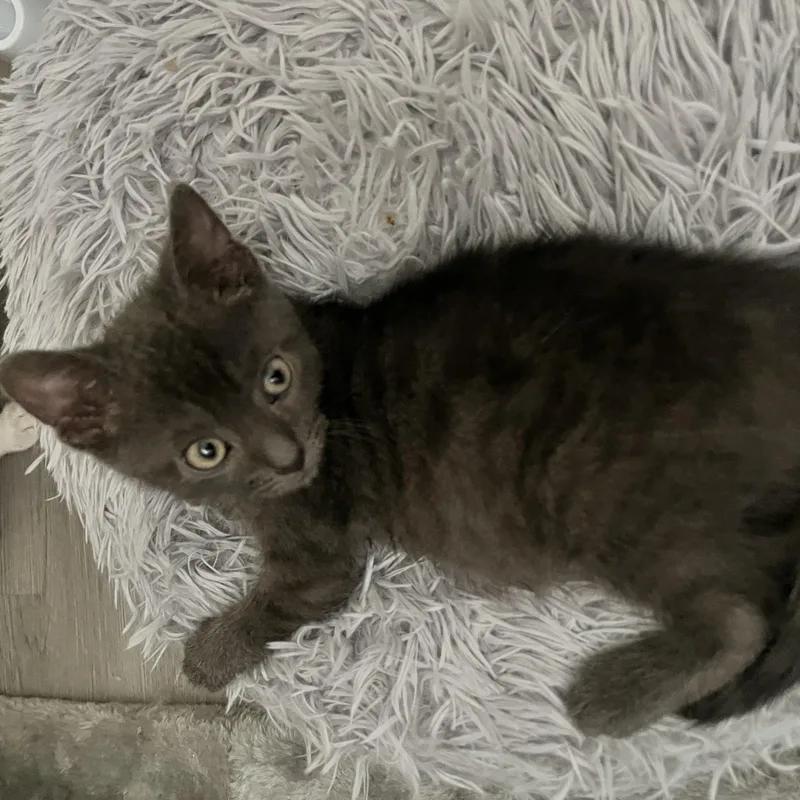
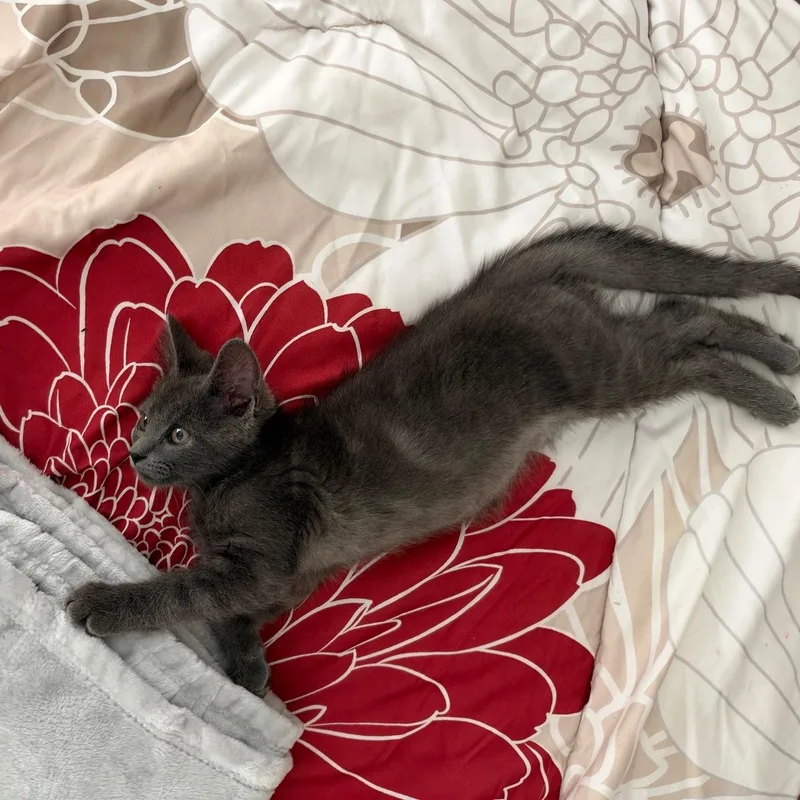
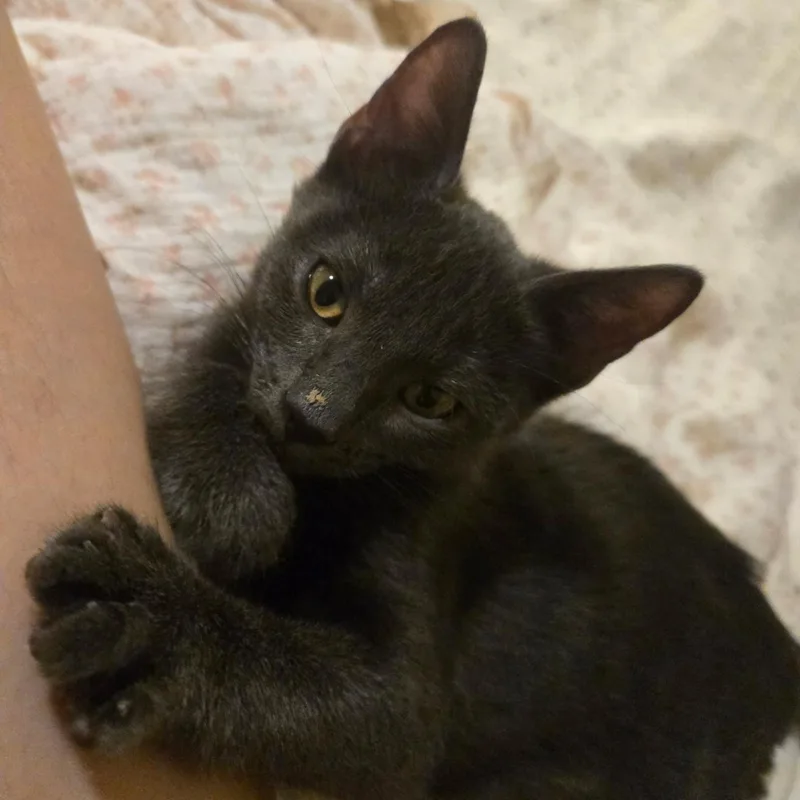
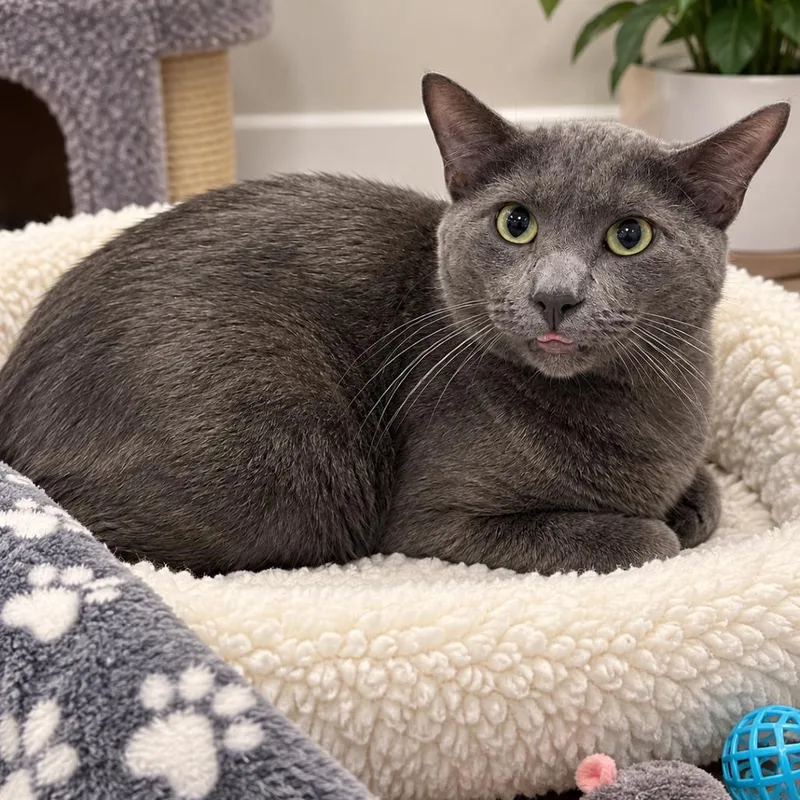
Russian Blues are slender, fine-boned shorthairs with a dense, plush double coat of even blue-grey, tipped with silver so it seems to shimmer, and vivid green eyes. The breed is believed to come from the Archangel region of northern Russia, and cats reached Britain by ship in the nineteenth century. Most weigh 6 to 12 pounds and live 12 to 16 years.

Many are gentle, quiet and devoted to their own people while staying reserved with strangers. They like routine, notice shifts in household mood, and enjoy puzzle games. In Honolulu, where so many people live in condos and apartments, that calm indoor nature is a real plus. A healthy appetite means measured meals matter, and the short coat needs only a weekly brush. Cats vary, so spend time with a cat before deciding.

Weight
6–12 lbs
Height
8–10 in
Lifespan
12–16 yrs
Temperament
Gentle, Quiet, Intelligent
Shedding
Low to Moderate

Owning a Russian Blue in Honolulu

Having a Russian Blue in Honolulu

Russian Blues pair an easy-care coat with a thoughtful, routine-loving nature. In Honolulu's condos and apartments, how a cat handles noise, visitors and change matters as much as its looks, so these traits are worth a read before you meet a cat.

Temperament

Russian Blues often bond closely with their household and take a while to warm up to newcomers. Many prefer predictable days and can be rattled by loud noise, which is worth planning for around New Year's, when illegal aerial fireworks are common across Honolulu. A quiet room with hiding spots helps. Each cat's history and personality differ.

Exercise Needs

Plan on a play session or two every day with wand toys, chase games and puzzle feeders, since this breed's quick mind and hearty appetite both reward activity. A cat tree by a window gives a lookout over the street. If you open windows for the breeze, make sure the screens are secure so the cat stays safely inside.

Health Considerations

Russian Blues have no widely recognized breed-specific inherited disease, but like any cat they can develop dental disease, bladder stones, kidney disease or heart conditions. Their appetite makes weight gain a common, preventable problem, so measure meals. Regular veterinary checkups, including dental checks, are the best safeguard, and keeping the cat indoors avoids many outdoor hazards.

Living Space

A Russian Blue generally does well in a Honolulu condo or apartment, since it values calm routines and cozy retreats over square footage. Hiding spots, a window perch and a cat tree make a smaller space feel secure. A unit away from busy hallways or elevators may be easier for a noise-sensitive cat.

What it costs to own a Russian Blue in Honolulu

ExpenseTypical costPer year
Food$25 to $50 per month$300 to $600
Pet insurance$25 to $50 per month$300 to $600
Routine vet care$150 to $350 per year$150 to $350
Other*$450 to $1,150 per year$450 to $1,150
Estimated yearly total (after year one)$1,200 to $2,700

Other costs are estimates and vary with size, age and health.

* Litter, flea prevention, a yearly dental cleaning allowance, toys, scratchers and other supplies, and minimal home grooming for the short coat.

Adopt a Russian Blue in Honolulu.

Now that you know more, let’s find you a new best friend. These rescues and shelters below have cats available in and near Honolulu.

Rescues and Shelters in or near Honolulu

Honolulu's shelters and rescues care for cats of every age and coat, including grey shorthairs that resemble Russian Blues. Here are the rescues & shelters in the Honolulu area with cats available for adoption, worth asking whether a Russian Blue is coming in.

Frequently Asked Questions

Yes, you can own a Russian Blue in Honolulu, and no known city rules limit the breed. Cats 4 months and older must be microchipped and registered, and cats allowed outdoors must be sterilized and wear ID. Adopting a cat already living on Oʻahu also avoids Hawaiʻi's import quarantine process. Browse the listings on this page or save a search for new arrivals.

Yes, a Russian Blue usually does well in a Honolulu apartment because it prefers calm routines to large spaces. Give the cat a window perch, a cat tree and a hiding spot, and choose a unit away from loud hallways if you can. Secure screens on any open windows, and read the building's pet policy before you sign a lease.

Yes, most Russian Blues handle Honolulu summers well indoors, though the plush double coat holds heat. Highs reach about 88°F, nights stay near 75°F and humidity is high. Use a fan or air conditioning, keep fresh water in several spots, and offer a cool floor to rest on. Never leave a cat in a parked car.

A Russian Blue needs very little grooming in Honolulu, usually a weekly brushing to lift loose hair. Shedding can rise a bit as the seasons shift, but the short coat stays easy to keep. Nail trims and tooth care matter more. Home grooming is minimal, so it fits within the Other budget alongside litter, supplies and dental care.

Yes, but only in a small, enclosed carrier. TheBus allows pets only in a small closed container on your lap or under the seat, and Skyline requires a cage or carrier that fits under the seat. A Russian Blue at 6 to 12 pounds usually fits a standard carrier. Service animals follow separate rules.

Russian Blue cats are often gentle, quiet and deeply attached to their families, while staying reserved with strangers. Many like predictable routines, follow favorite people around and enjoy interactive games that test their intelligence. They tend to be sensitive to household mood and noise. Personality varies, so a foster's description of an individual cat is the best guide.

A Russian Blue is a medium-sized shorthaired cat with a dense, plush blue-grey coat tipped in silver, vivid green eyes and a slender, graceful build. The breed is thought to come from northern Russia. Many Russian Blues are quiet, intelligent and loyal to their people, though often shy around visitors until they feel comfortable.

No, Russian Blue cats are not hypoallergenic. They produce the Fel d 1 allergen like other cats, even though their dense coat may shed less noticeably than some breeds. Claims that they cause fewer allergy symptoms are anecdotal rather than proven. People with allergies should spend extended time with the specific cat before adopting.

Yes, Russian Blues are usually affectionate with the people they trust, often greeting them at the door, following them around and curling up nearby. They may take time to warm up and are often wary of strangers. Their affection tends to be steady rather than demanding. An adopted Russian Blue may need weeks of patience before fully bonding.

Plan on roughly $1,200 to $2,700 a year for a Russian Blue in Honolulu. That covers food at $25 to $50 a month, pet insurance at $25 to $50 a month, routine vet care at $150 to $350 a year, and other costs such as litter, flea prevention and dental care at $450 to $1,150 a year.

Explore Other Breeds in Honolulu

Looking for a different breed? Browse other cats available for adoption in Honolulu.