Havana Cats for Adoption in Honolulu, HI

Your guide to finding and caring for a Havana in Honolulu

A Havana suits a Honolulu condo well, since it wants company far more than space. In a Mōʻiliʻili one-bedroom or a Salt Lake townhouse, this curious, softly chatty cat will follow you from room to room and supervise dinner. A perch by a window that catches the trade-wind breeze keeps it content between play sessions. The breed is rare, so many brown shorthairs you meet here are Havana-type mixes. Plan on being home a fair amount, because Havanas don't love long, quiet days alone.

2798 cats similar to Havana available in Honolulu and nationwide

Give a Havana Brown a home

While we don't have enough cats near Honolulu, keep in mind that many rescues may offer transport.

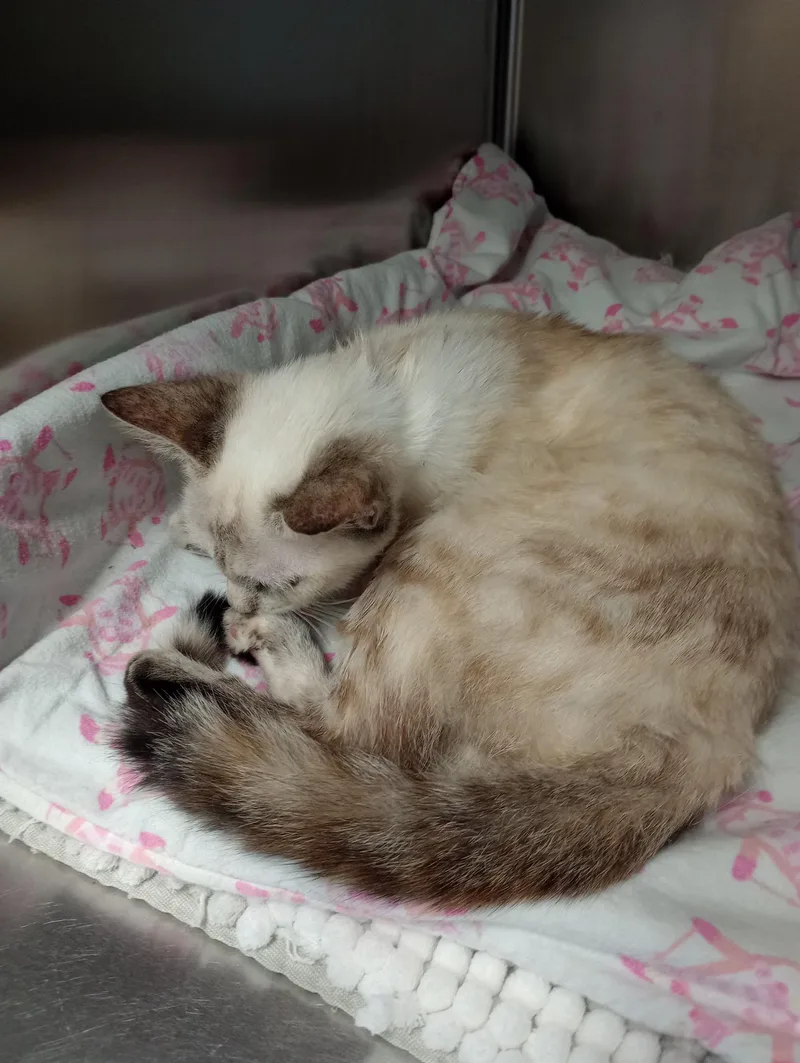
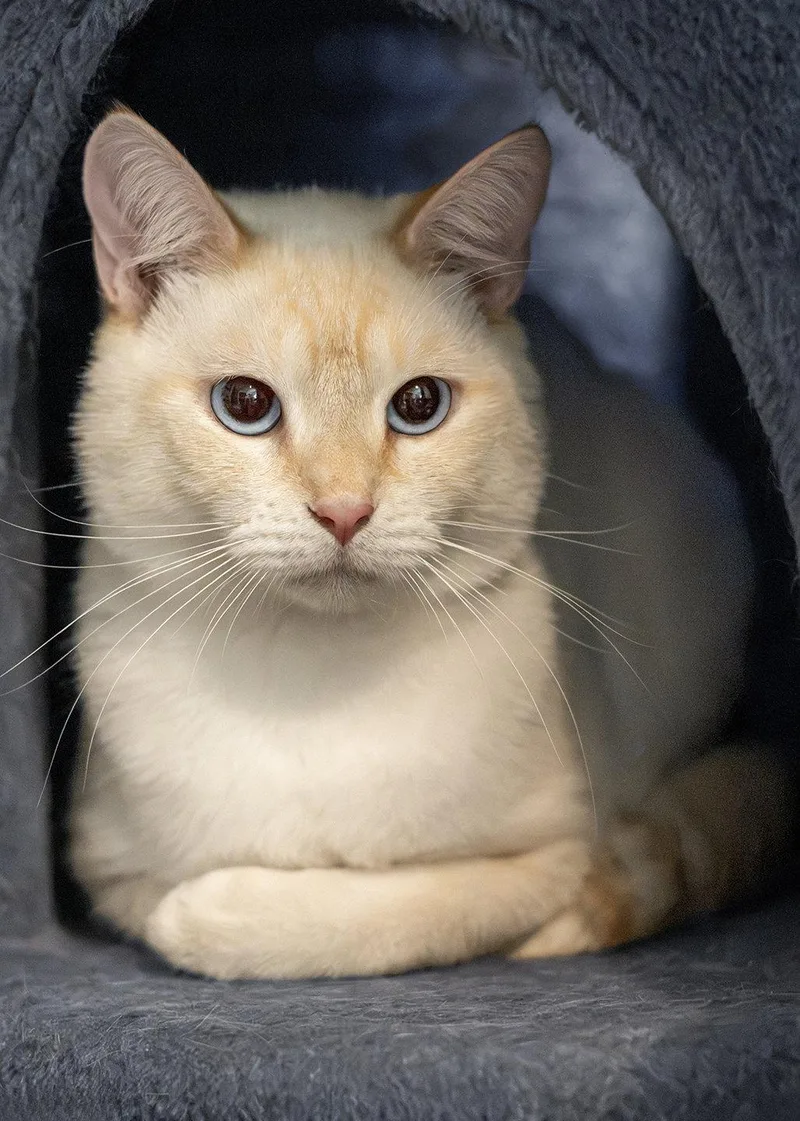
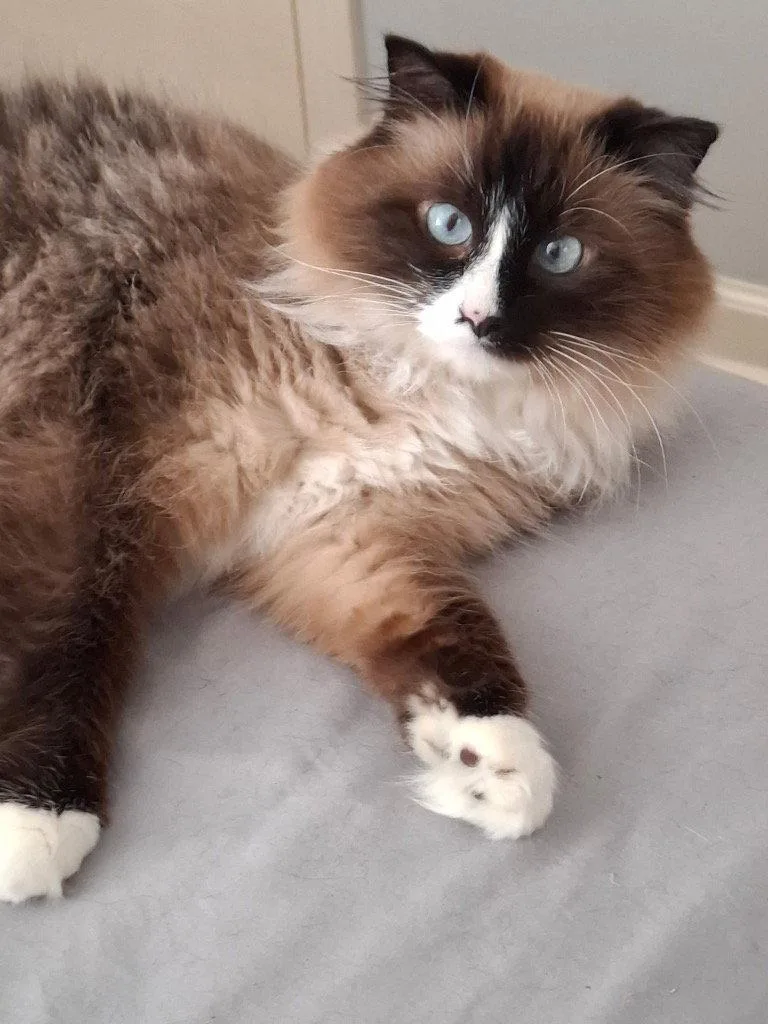
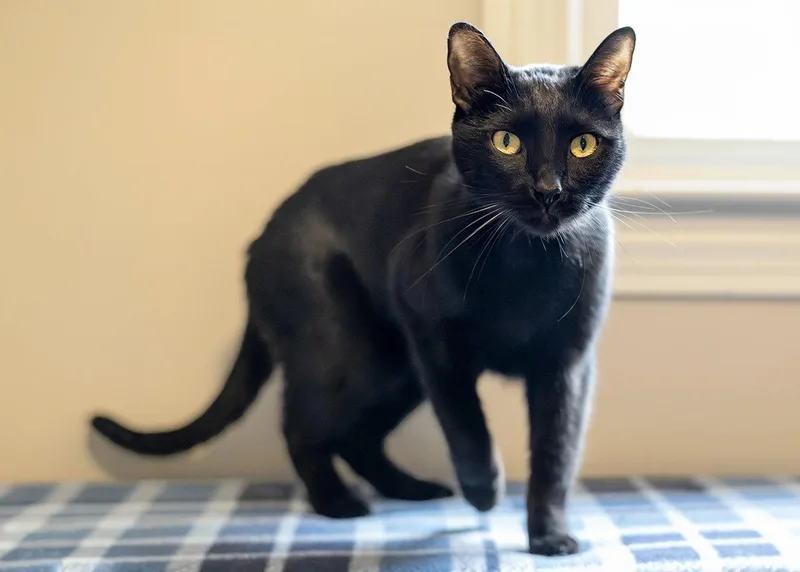
Havanas and Similar Breeds Available for Adoption Near Honolulu

About the Havana breed

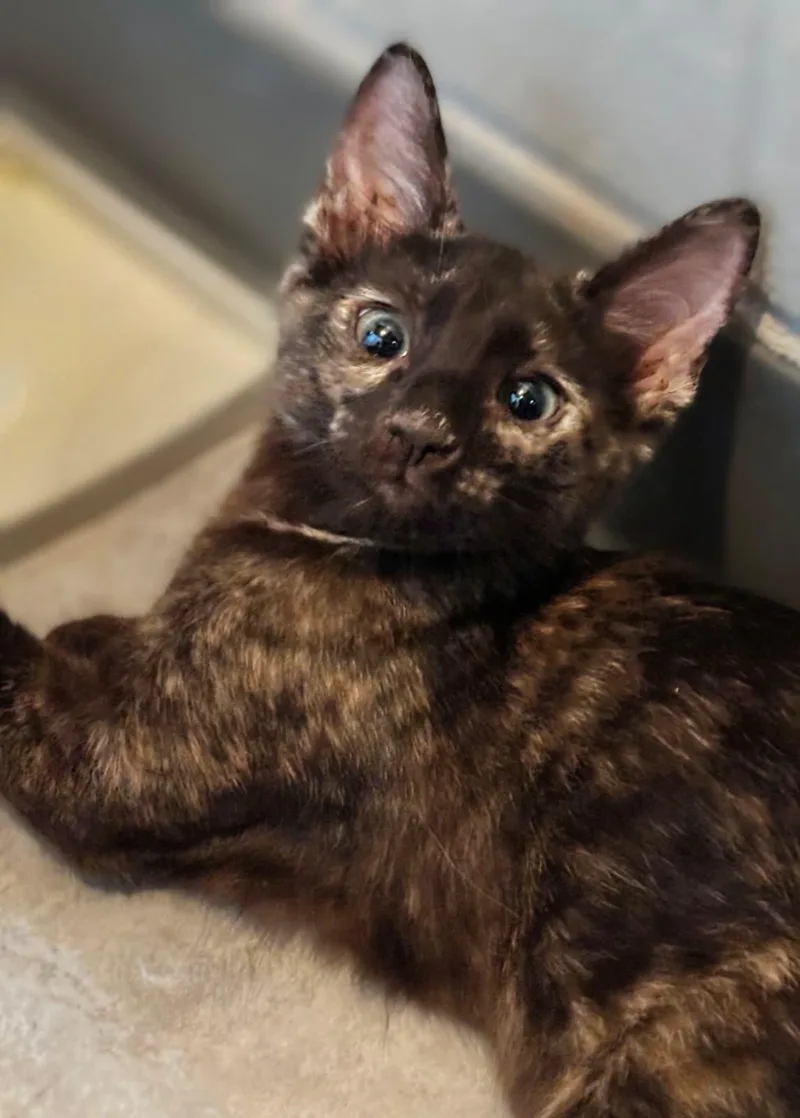
The Havana was developed in Britain in the 1950s by pairing chocolate-carrying Siamese cats with black domestic shorthairs. The result is a medium, muscular cat of about 6 to 10 pounds with a glossy chocolate coat, brown whiskers, green eyes, large forward-tilted ears and a squared-off muzzle. The short coat sheds little and needs only light care, which keeps cleanup manageable in a small Honolulu home.

Havanas are social and inquisitive, often patting at objects and people to investigate, and many chat in a voice softer than a Siamese's. Registered Havanas are uncommon, so adopters more often meet brown shorthairs or Havana mixes. Judge a cat by its personality rather than its coat color, since cats of the same type can differ a lot in energy and confidence.

Weight
6–10 lbs
Height
9–11 in
Lifespan
10–15 yrs
Temperament
Social, Curious, Affectionate, Playful
Shedding
Low

Owning a Havana in Honolulu

Having a Havana in Honolulu

A Havana usually pairs an easy-care coat with a strong wish to be involved in family life. For Honolulu adopters, the practical questions are how much company the cat needs, how to keep it entertained indoors, and how to look after its teeth.

Temperament

Havanas are often affectionate, curious and a little talkative, following people around and greeting visitors with interest. Many get along with considerate children and calm dogs. Some get lonely when left alone all day, so a work-from-home schedule or a friendly companion pet can help. Each cat differs, and mixes may not share these traits.

Exercise Needs

Most Havanas are moderately active. Two or three short sessions a day with wand toys, balls or fetch usually beat one long one. Puzzle feeders and climbing perches give a curious mind work to do. In Honolulu, play is easiest indoors, and the cooler morning and evening hours suit livelier games.

Health Considerations

Havanas have no well-documented breed-specific genetic disease, though gum inflammation may be somewhat more common, and the small gene pool means health records are limited. Watch for bad breath, red gums or drooling, and ask your veterinarian about dental care. Honolulu's warm weather keeps fleas active all year, so prevention matters.

Living Space

A Havana does fine in a Honolulu condo, apartment or house, because companionship and enrichment count for more than square footage. Window perches, a cat tree and a few hiding spots help. In high-rises, keep windows and balcony doors securely screened or closed, since a curious cat may try to investigate anything that moves outside.

What it costs to own a Havana in Honolulu

ExpenseTypical costPer year
Food$25 to $50 per month$300 to $600
Pet insurance$25 to $50 per month$300 to $600
Routine vet care$150 to $350 per year$150 to $350
Other*$450 to $1,150 per year$450 to $1,150
Estimated yearly total (after year one)$1,200 to $2,700

Other costs are estimates and vary with size, age and health.

* Litter, year-round flea prevention, a dental cleaning allowance, toys, scratchers and other supplies, and minimal grooming for the short coat.

Adopt a Havana in Honolulu.

Now that you know more, let’s find you a new best friend. These rescues and shelters below have cats available in and near Honolulu.

Rescues and Shelters in or near Honolulu

Oʻahu's rescue community includes an open-admission humane society, a no-kill shelter and foster-based rescues, all working to find pets homes. Here are the rescues & shelters in the Honolulu area with cats available for adoption, worth asking whether a Havana is coming in.

Frequently Asked Questions

Yes. No known Honolulu rule restricts cat breeds, and the basics are a registered microchip and, for cats that go outdoors, a collar and ID tag. Havanas are rare, so the listings here often show brown shorthairs or Havana-type mixes. Watch this page, browse similar breeds and nearby cities, and save a search to hear about new cats.

Yes, a Havana adapts well to apartments and condos because it cares more about company than space. Add a window perch, a cat tree and daily play. In a high-rise, keep screens secure and balcony doors closed, and read your building's pet policy first, since associations can set their own limits.

Mostly yes, as long as your Havana lives indoors. Honolulu never gets cold, and the short coat suits the warmth. Humidity and sun are the issues, so use fans or air conditioning, offer fresh water, and shade sunny windows. Rainy-season storms and New Year's fireworks call for a secure indoor space.

Yes, in a carrier. TheBus and Skyline allow pets only in a small, closed carrier held on your lap or placed under the seat. A Havana at 6 to 10 pounds usually fits a standard carrier. Pick one with a secure latch and ventilation, and get your cat used to it before the first ride.

It can be, especially for people who are home often or work remotely. Havanas bond closely and may get lonely during long days away. A Havana suits small island homes well, since it needs interaction more than room, but it also needs a hurricane-ready carrier and a quiet space for fireworks nights.

Very little. The short, glossy coat needs a quick weekly brushing or wipe-down to remove loose hair, and Havanas shed lightly. Honolulu's humidity doesn't change that routine much. Dental care matters more, so ask your veterinarian about brushing. Grooming costs are small and fall within the Other line in the cost table.

A Havana cat, also called the Havana Brown, is a rare shorthaired breed developed in Britain in the 1950s from Siamese and black domestic cats. It is recognized by its rich chocolate-brown coat, brown whiskers, green eyes and distinctive muzzle. Havanas tend to be social, curious and people-focused, and few are available, so brown shorthaired mixes are more common in shelters.

Expect about $25 to $50 a month for food and $25 to $50 for insurance, $150 to $350 a year for routine vet care, and $450 to $1,150 a year for other costs such as litter, flea prevention, dental care and supplies. Altogether that's roughly $1,200 to $2,700 a year for a Havana in Honolulu.

Explore Other Breeds in Honolulu

Looking for a different breed? Browse other cats available for adoption in Honolulu.