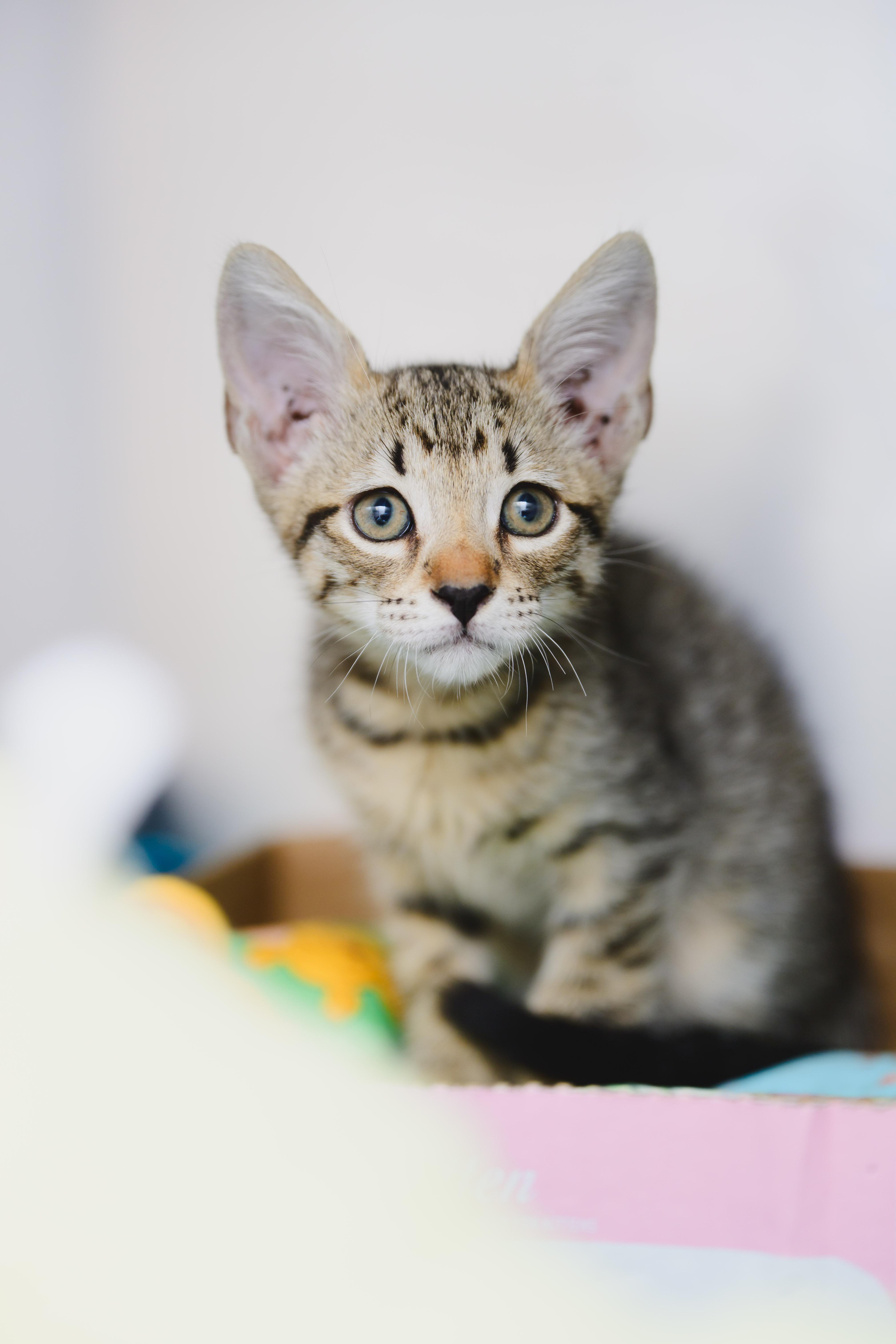
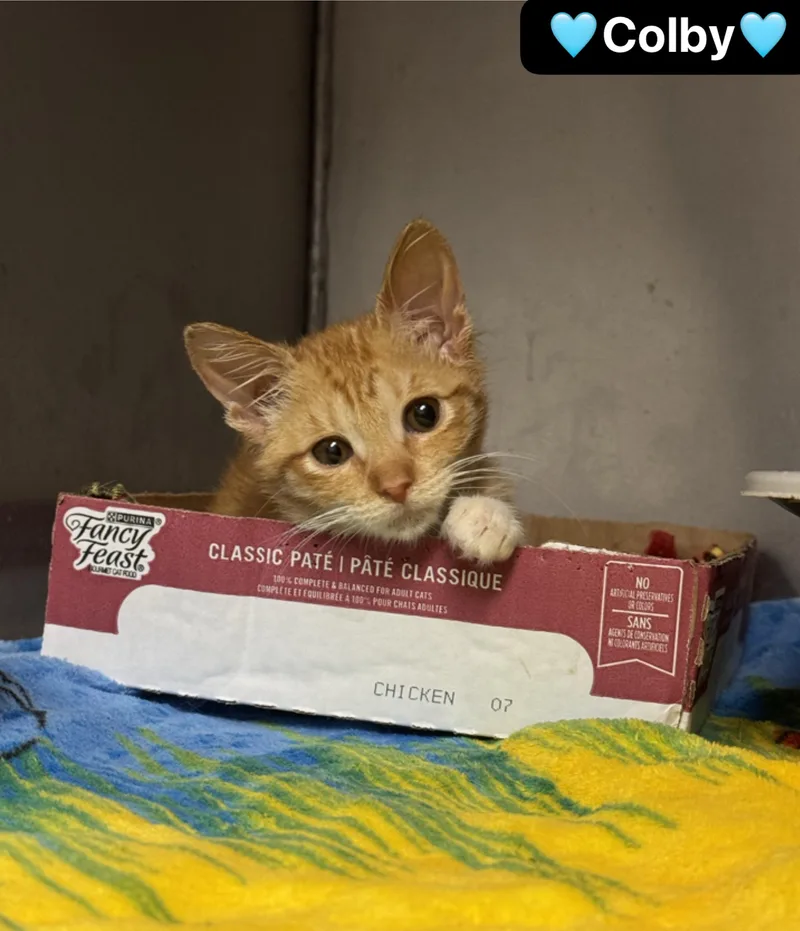
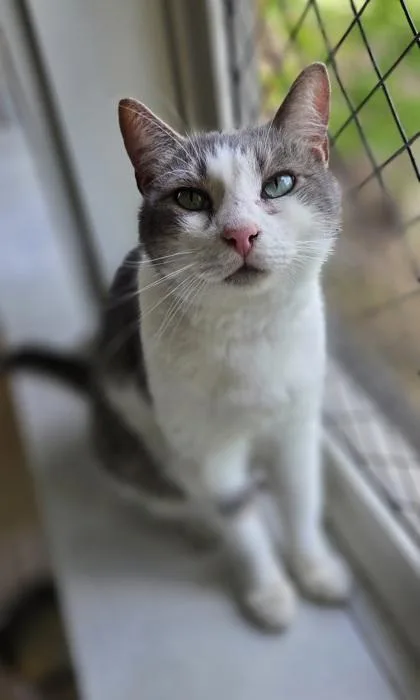
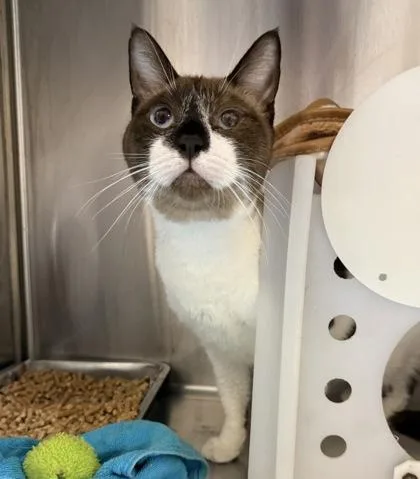
Domestic Short Hair Cats for Adoption in Honolulu, HI

Your guide to finding and caring for a Domestic Short Hair in Honolulu

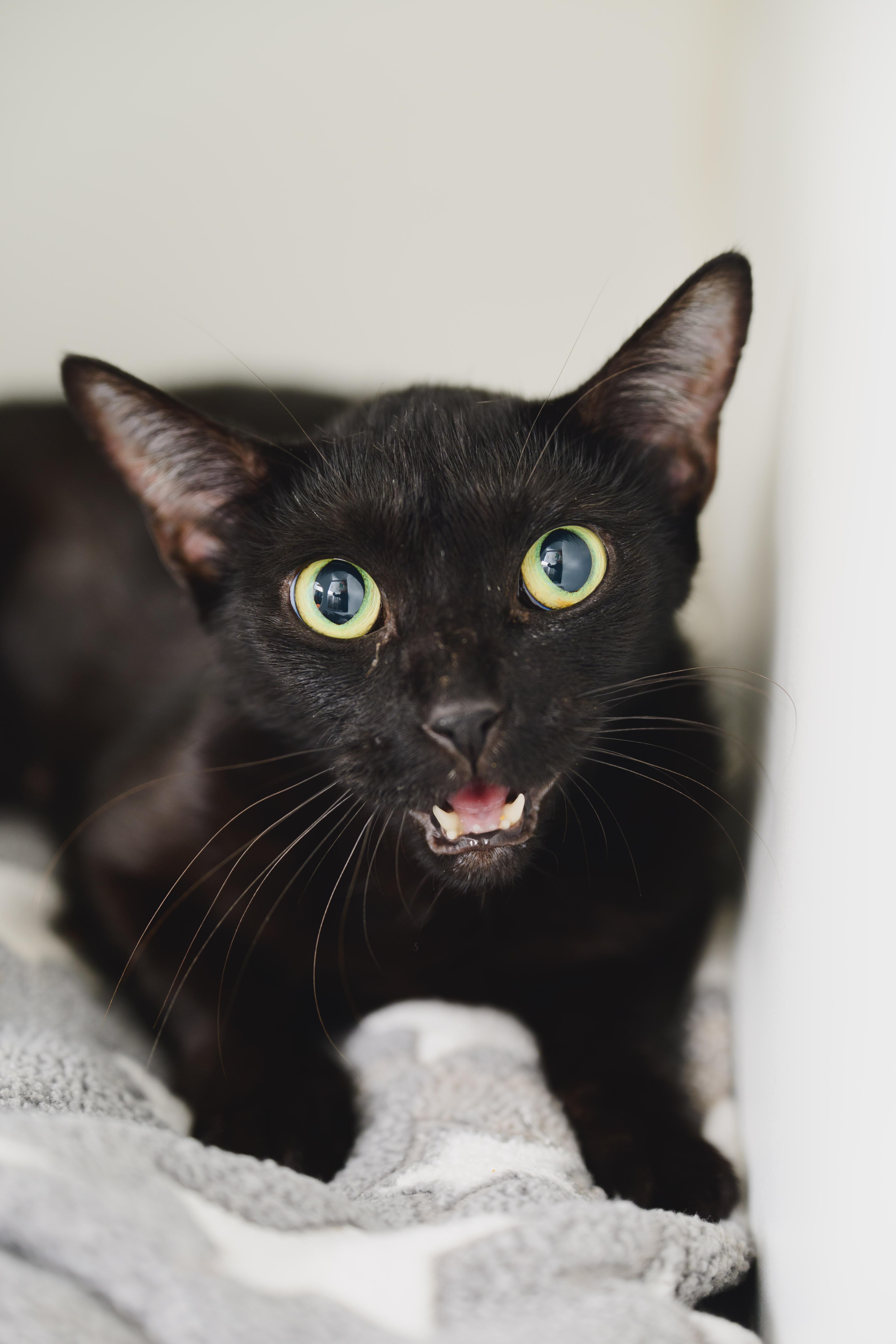
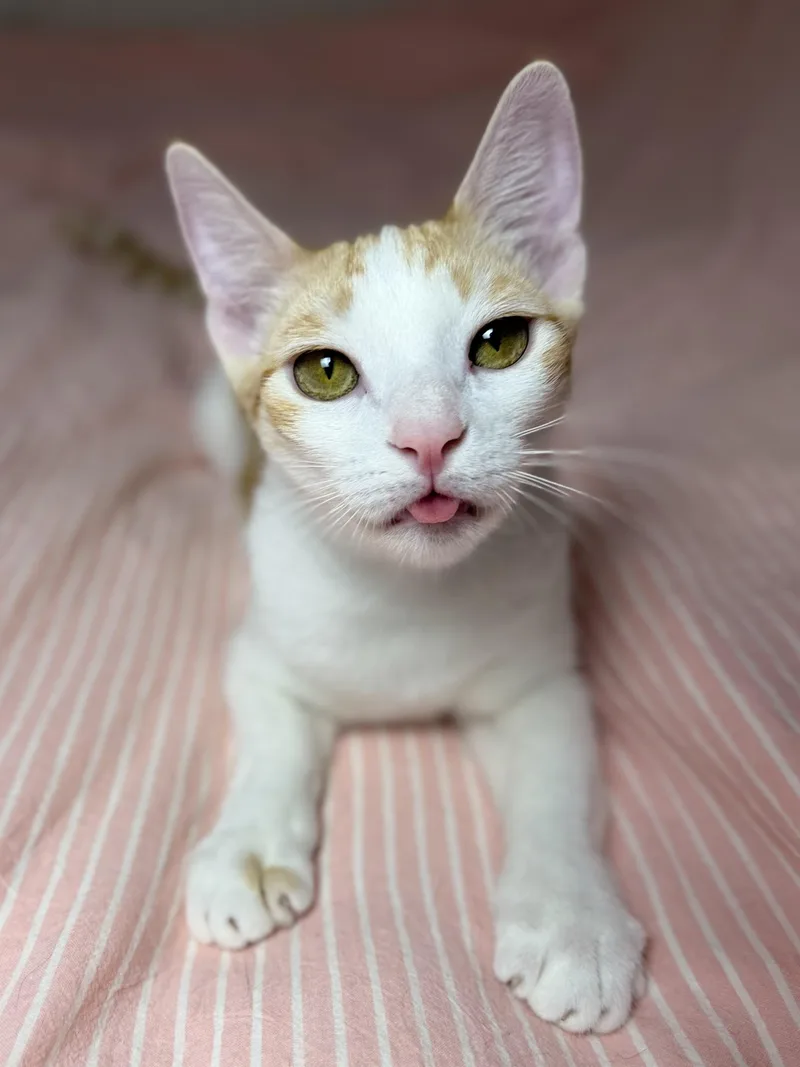
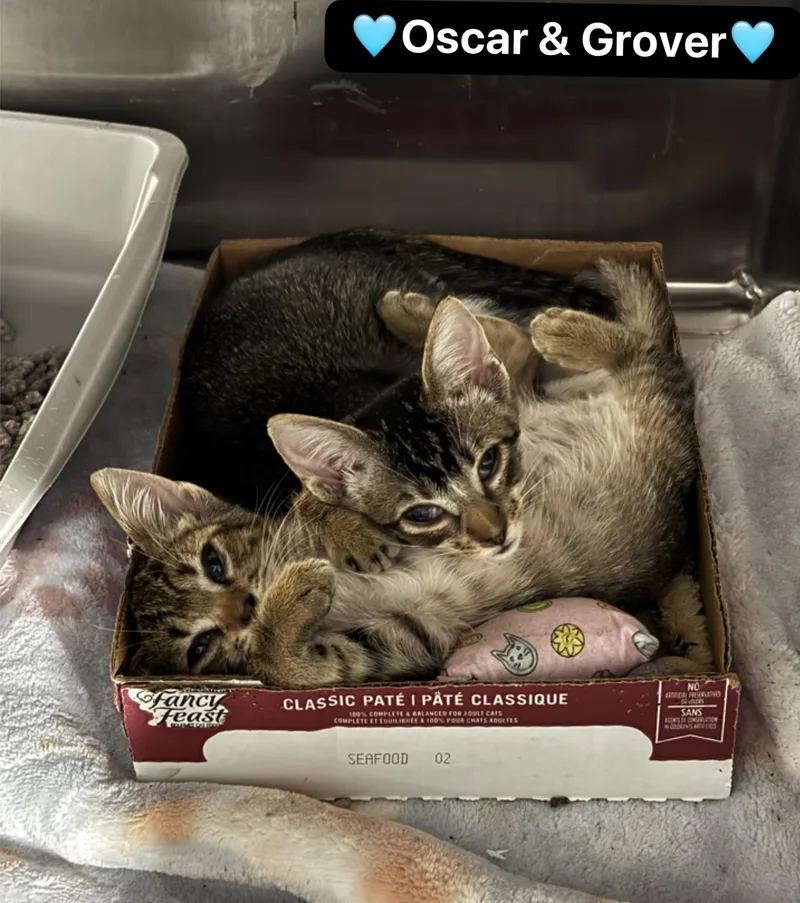
A Domestic Short Hair suits Honolulu's condo and apartment living, since most are happy as indoor cats. In a Mōʻiliʻili or Salt Lake high-rise, a screened lanai and a window perch give a DSH plenty to watch, from passing birds to the trade-wind breeze. Personalities run from lap cat to quiet observer, so look at each cat's age and energy. If you're thinking of adopting one in Honolulu, the cats listed on this page are the place to start.

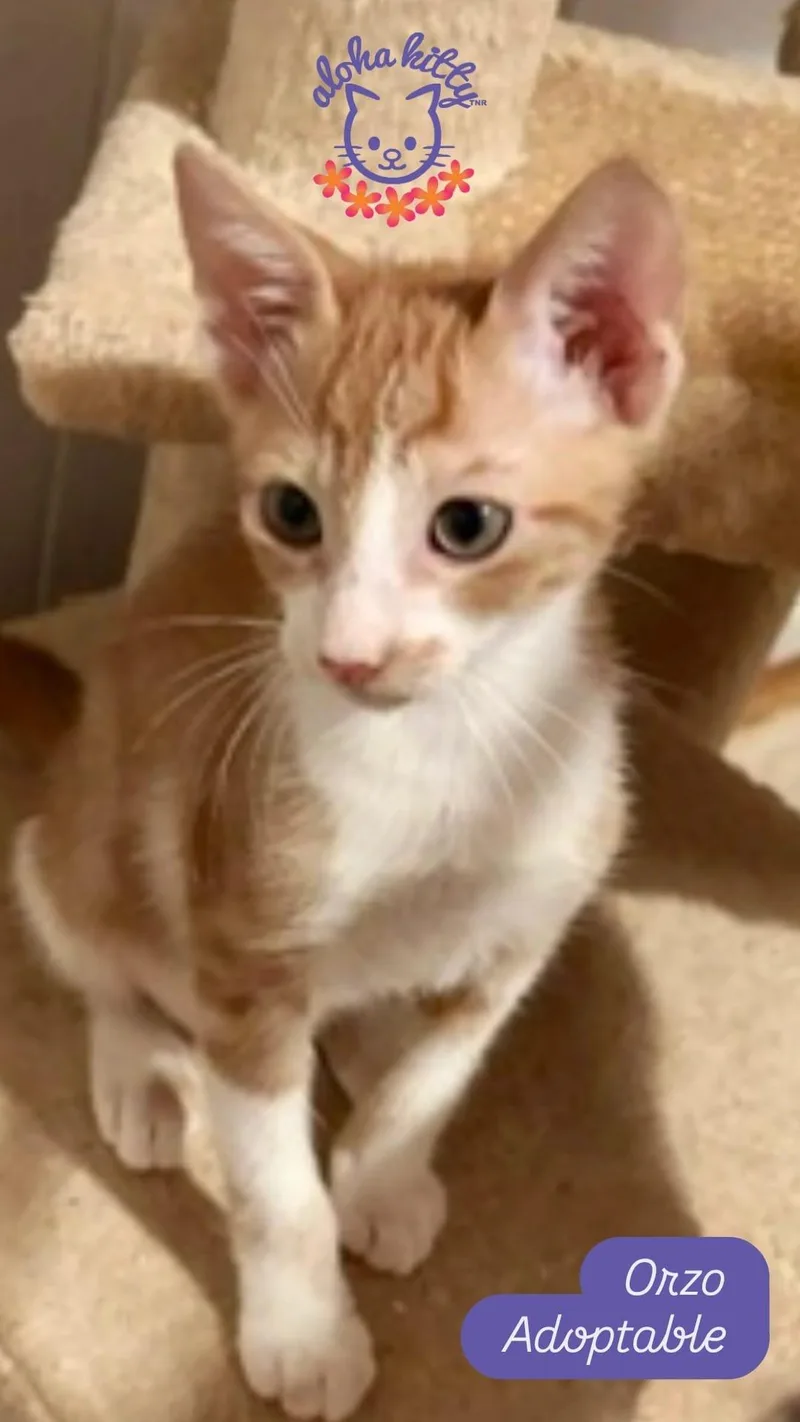
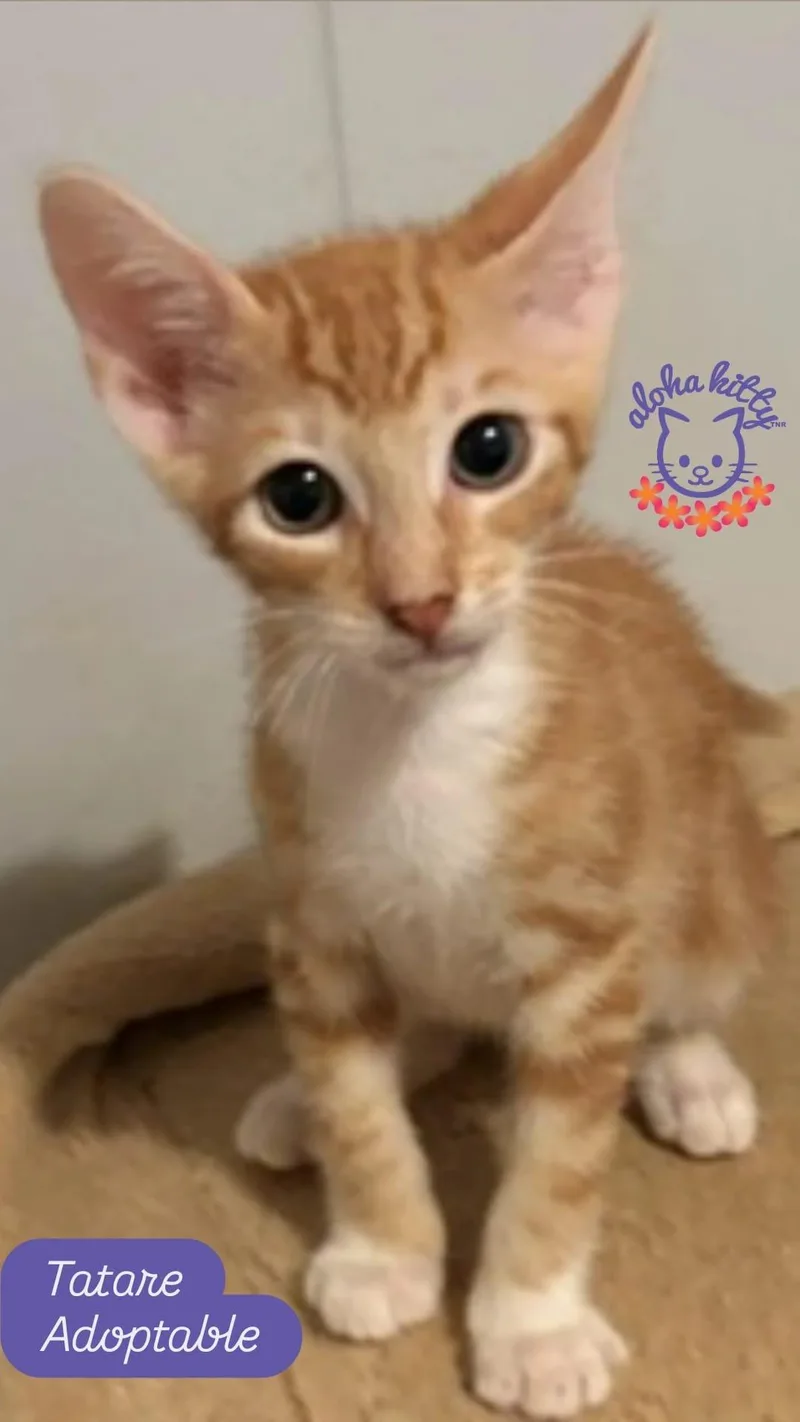
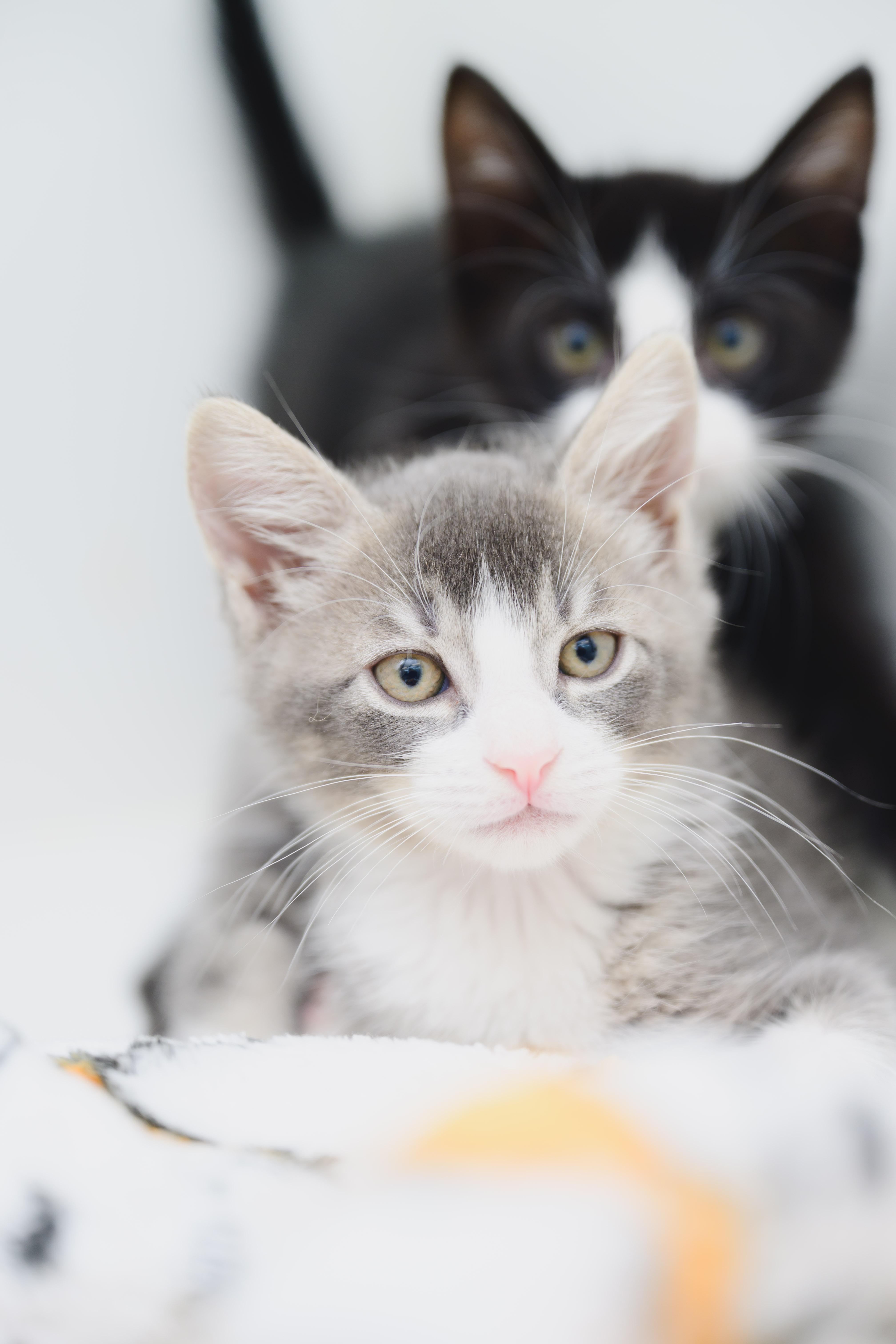
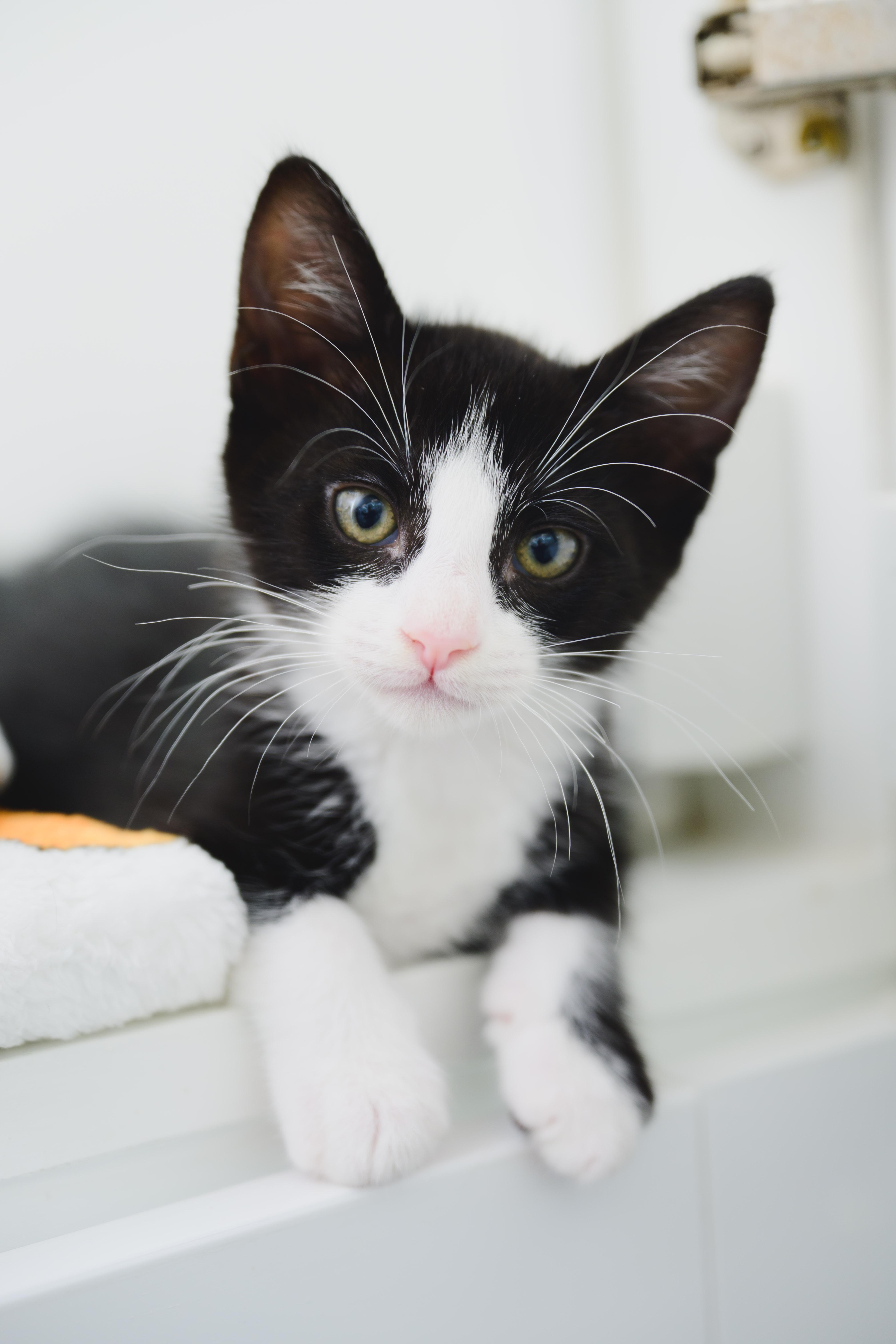
343 Domestic Short Hairs available for adoption in Honolulu

Find your Domestic Short Hair

Domestic Short Hairs Available for Adoption in Honolulu

About the Domestic Short Hair breed

Domestic Short Hair is a coat type rather than a breed: a short-coated cat of mixed or unknown ancestry, often written DSH on adoption records. It's the most common kind of cat in American homes, and it comes in every color and pattern, from tabby and tuxedo to calico and solid black. Most are medium-sized, roughly 6 to 14 pounds, and many live 12 to 18 years.

With such a broad gene pool, personality varies widely. Some DSH cats are chatty lap-sitters, while others prefer watching from a windowsill. In Honolulu, the short coat is a practical fit for year-round warmth, and grooming is mostly a quick weekly brush. Age, energy and temperament are a better guide than looks, so spend time with the cats listed here before choosing.

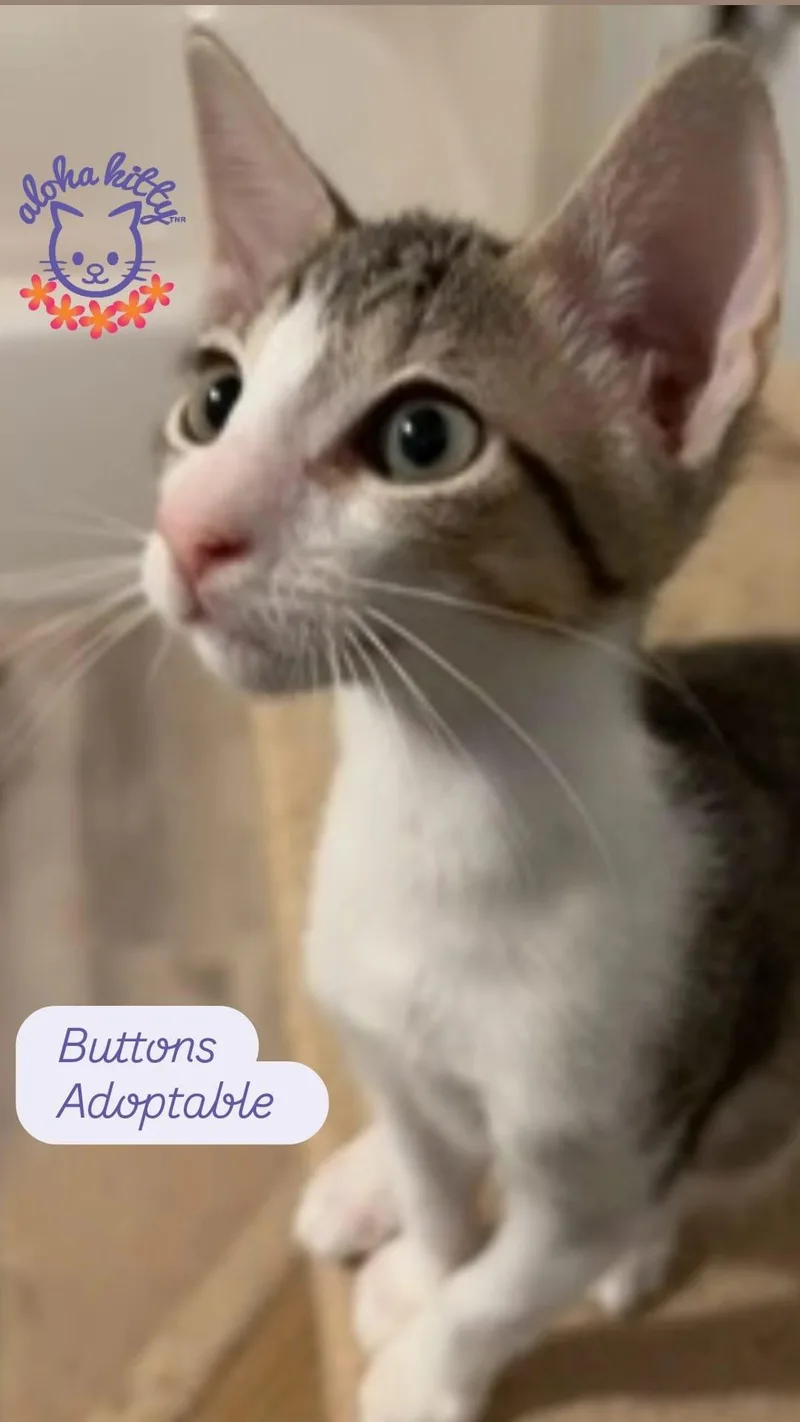
Weight
6–14 lbs
Height
8–10 in
Lifespan
12–18 yrs
Temperament
Adaptable, Curious, Affectionate
Shedding
Moderate

Owning a Domestic Short Hair in Honolulu

Having a Domestic Short Hair in Honolulu

A DSH's coat is easy to care for, but little else is predictable. In Honolulu, indoor routines, a secure lanai and warm, humid days shape daily care more than ancestry, so match the cat's age and energy to your home.

Temperament

DSH cats range from outgoing lap cats to shy watchers, and most adapt to new homes with patience. In a Honolulu apartment, a cat that stays relaxed around elevator hum, neighbors and visitors tends to settle quickly. Kittens are usually bold and playful, while adults show settled personalities, so age and behavior are the best guide.

Exercise Needs

Daily interactive play keeps indoor DSH cats fit: wand toys, chase games and food puzzles, with several short bursts for young cats. Window perches and tall shelves add stimulation. Play in the cooler early morning or evening, and choose a secure harness or an enclosed catio over free roaming outdoors.

Health Considerations

DSH cats face common feline problems like obesity, dental disease, urinary issues and, in older cats, kidney disease, hyperthyroidism and diabetes. Regular vet exams, weight checks and dental care catch trouble early. In Honolulu's steady warmth, ask a veterinarian about year-round flea prevention and which vaccines suit an indoor cat.

Living Space

Most DSH cats do well in Honolulu's condos and apartments when they have climbing space, scratching posts, hiding spots and a clean litter box. Enrichment matters more than square footage. Secure screens on windows and lanai doors prevent falls, which is especially important on upper floors of high-rise buildings.

What it costs to own a Domestic Short Hair in Honolulu

ExpenseTypical costPer year
Adoption fee$150, one time$150 in year one
Food$25 to $50 per month$300 to $600
Pet insurance$20 to $45 per month$240 to $540
Routine vet care$150 to $350 per year$150 to $350
Other*$450 to $1,150 per year$450 to $1,150
Estimated yearly total (after year one)$1,140 to $2,640
First-year total (with adoption fee)$1,290 to $2,790

Adoption fee is the fee on Domestic Short Hair listings in Honolulu on GetBuddy today. Other costs are estimates and vary with size, age and health.

* Litter, flea and tick prevention, a dental cleaning allowance, toys, scratchers and other supplies, and minimal home grooming.

Adopt a Domestic Short Hair in Honolulu.

Now that you know more, let’s find you a new best friend. These rescues and shelters below currently have Domestic Short Hairs available.

Rescues in Honolulu with Domestic Short Hairs Available

Honolulu's shelters and rescues care for cats of every age, and Domestic Short Hairs are the most common kind in shelters nationwide. Here are the rescues & shelters in the Honolulu area where you can find Domestic Short Hairs and other cats available for adoption.

Frequently Asked Questions

Yes. Domestic Short Hair is a mixed-ancestry type, no breed-specific rules are known for cats, and Honolulu's requirements are the same for every cat. Adopting a cat already on Oʻahu also avoids Hawaiʻi's import quarantine for arriving pets, which can last up to 120 days. Browse the current listings on this page to see who's looking for a home.

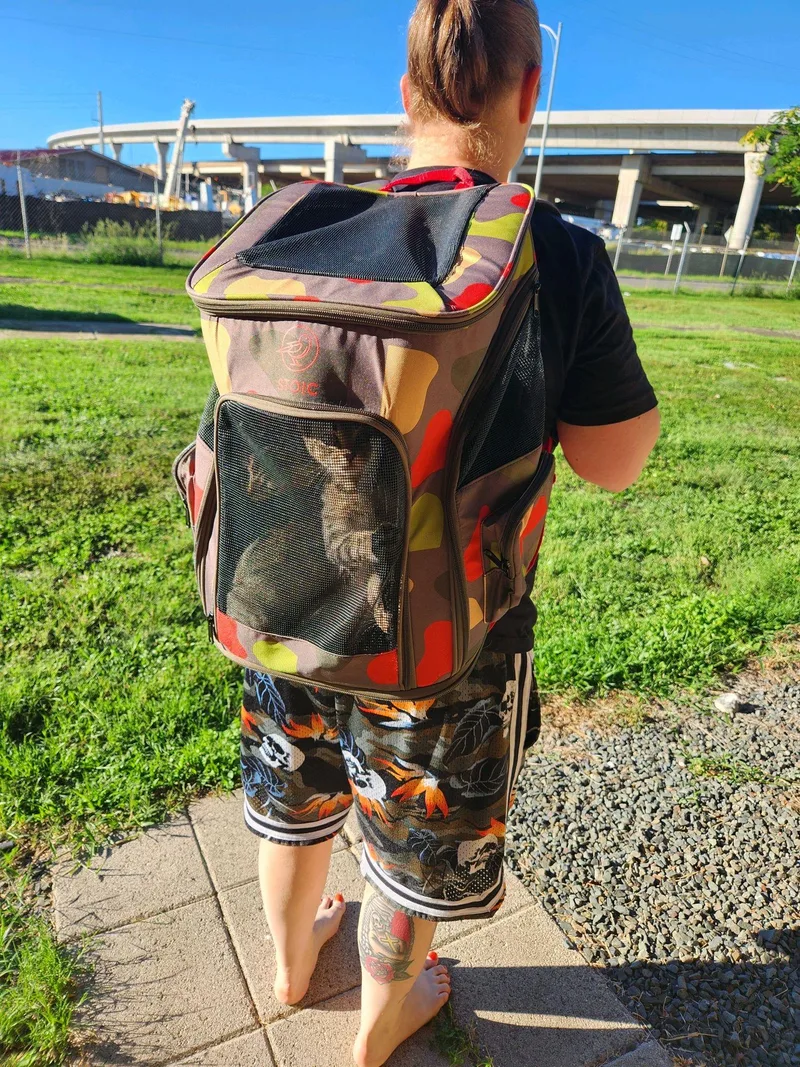
Yes, in a carrier. TheBus and Skyline both allow pets only in a small, closed cage or carrier that sits on your lap or under the seat, so a 6 to 14 pound DSH needs a snug, ventilated carrier. Service animals are the exception. Check current fares with TheBus and Skyline before your first trip.

Yes, with sensible care. About 32 days a year reach 90°F, mostly July through September, and 100°F hasn't been reached in the climate normals, so heat is steady rather than extreme. Humidity is the bigger factor. Panting, drooling or lethargy means a cat needs cooling and a veterinarian. Provide shade, water and airflow.

Yes, most do well in apartments and condos when they have shelves, perches, a scratching post and daily play. That suits Honolulu's many high-rise and low-rise buildings. Confirm the building's pet policy before applying, since associations can set their own limits, and keep screens on lanai doors and windows secure on upper floors.

Often, yes. A short coat suits year-round warmth, indoor cats do well in condos, and the lack of a cat license keeps paperwork simple. The match depends on the cat's age and energy and on your schedule, so look at each cat's age and behavior in the listings rather than coat or color alone.

A quick brush once or twice a week is usually enough. Shedding continues year-round in Honolulu's steady warmth, so brushing cuts loose hair and hairballs. Professional grooming is rarely needed, which is why the Other costs line allows only a small amount. Overweight, senior or arthritic cats that can't groom themselves may need extra help, and a vet or groomer should handle any mats.

Domestic shorthair cats typically live about 12 to 18 years, and many indoor cats reach their late teens or early twenties. Large UK veterinary studies have found mixed-breed cats tend to live slightly longer than pedigreed cats on average. Spaying or neutering, indoor living, a healthy weight, dental care and regular checkups all help a cat enjoy a longer life.

No, domestic shorthair cats are not hypoallergenic. The main cat allergen, a protein called Fel d 1, comes from saliva and skin glands, so short fur does not prevent reactions. Allergen levels vary between individual cats, and some people react less to certain cats. Spending time with a specific cat before adopting is the best way to test your response.

We have 3 rescues with Domestic Short Hairs available: Hawaiian Humane Society, Lucky Paws Animal Foundation and Aloha Kitty TNR. You can see every rescue with Domestic Short Hairs available in the list above these questions, or scroll to the top to see the Domestic Short Hairs in Honolulu.

Expect roughly $1,140 to $2,640 a year for a DSH in Honolulu: food at $25 to $50 a month, insurance at $20 to $45 a month, routine vet care at $150 to $350 a year, and other costs such as litter, flea prevention and dental care at $450 to $1,150 a year.

Find Domestic Short Hairs in Nearby Cities

Expand your search to find Domestic Short Hairs available for adoption near Honolulu.

Explore Other Breeds in Honolulu

Looking for a different breed? Browse other cats available for adoption in Honolulu.