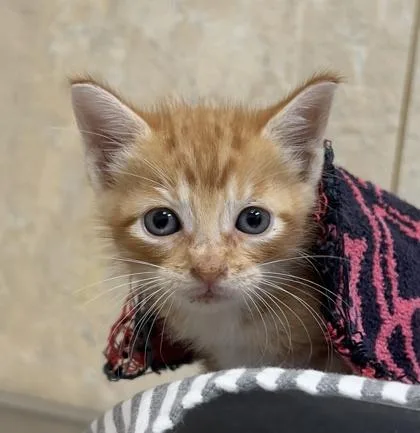
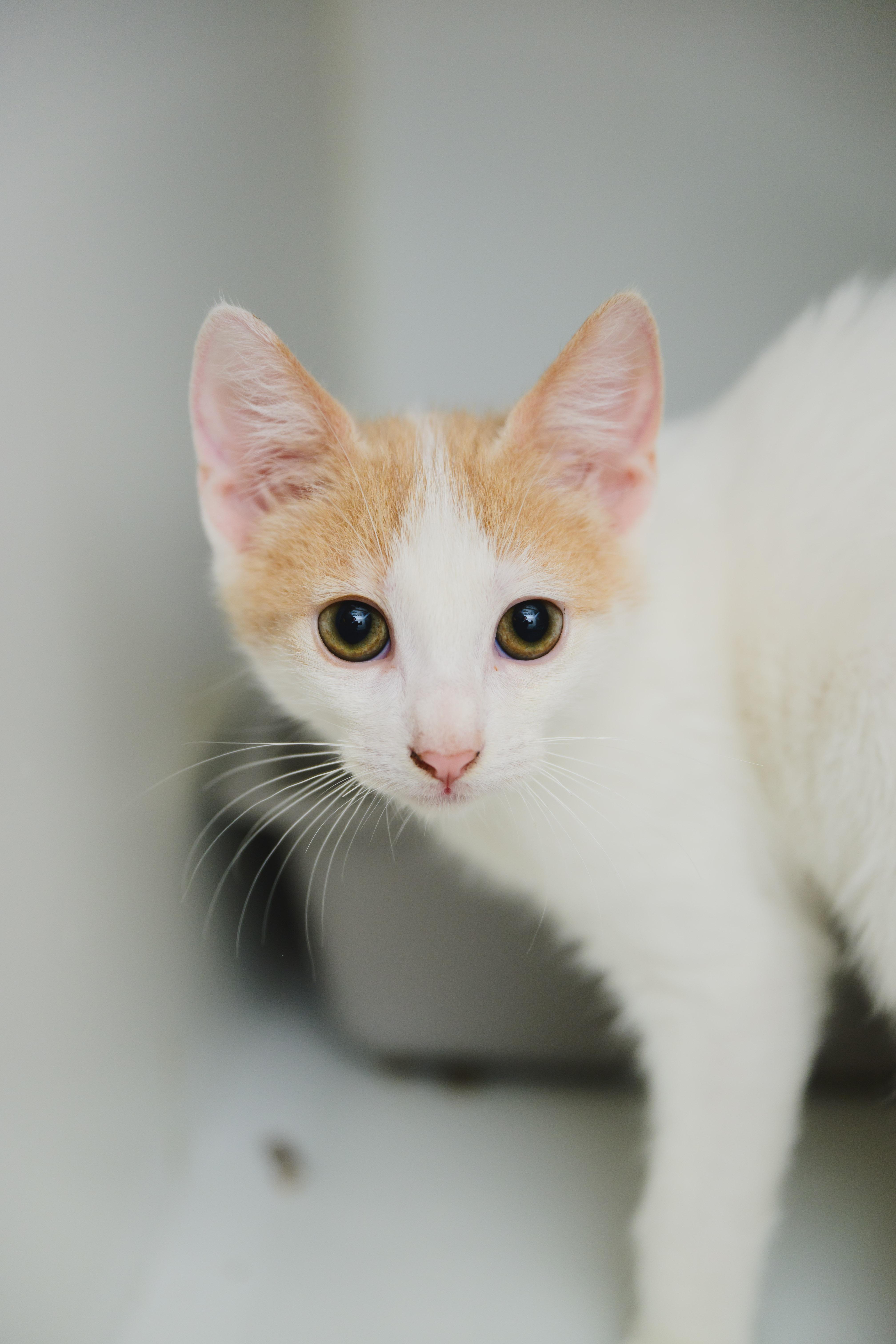
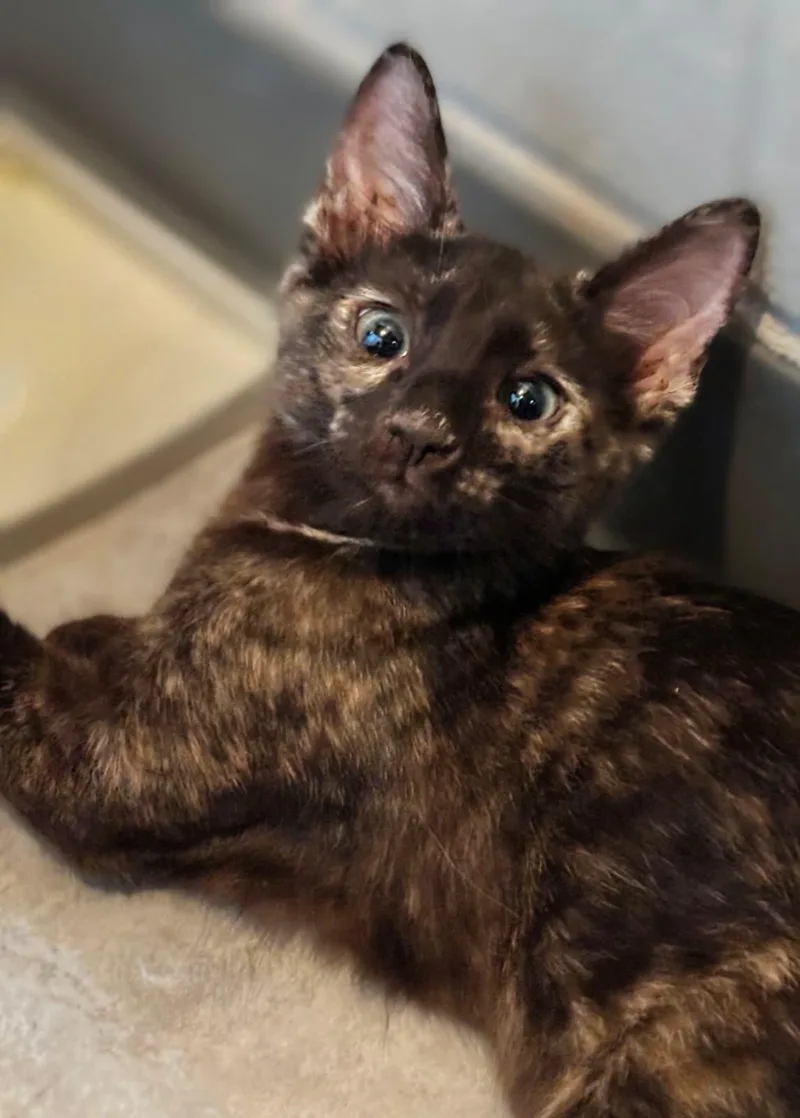
Dilute Tortoiseshell Cats for Adoption in Honolulu, HI

Your guide to finding and caring for a Dilute Tortoiseshell in Honolulu

Dilute tortoiseshell cats fit Honolulu apartment life well, whether it's a Makiki apartment building or a Salt Lake condo. The blue-gray and cream coat is a color pattern rather than a breed, so personalities run from shy to bold. Most do best indoors, with a screened window to watch the street from and a perch in the sun. At 6 to 14 pounds, a typical dilute tortie has plenty of room in a small one-bedroom.

278 Dilute Tortoiseshells available in Honolulu and nationwide

Meet your next Dilute Tortie

While we don't have enough cats near Honolulu, keep in mind that many rescues may offer transport.

Dilute Tortoiseshells Available for Adoption Near Honolulu

About the Dilute Tortoiseshell breed

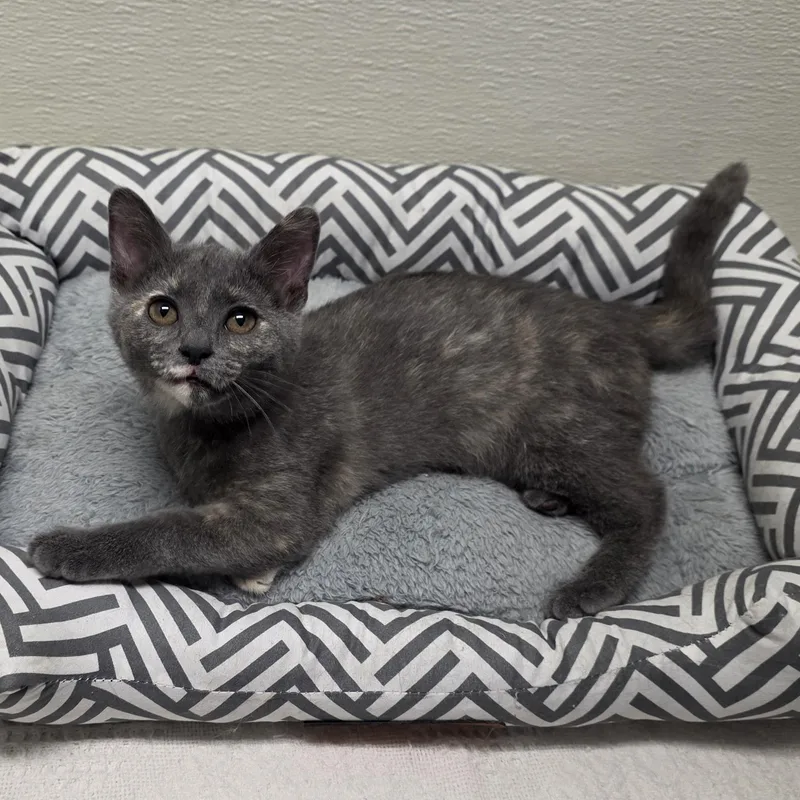
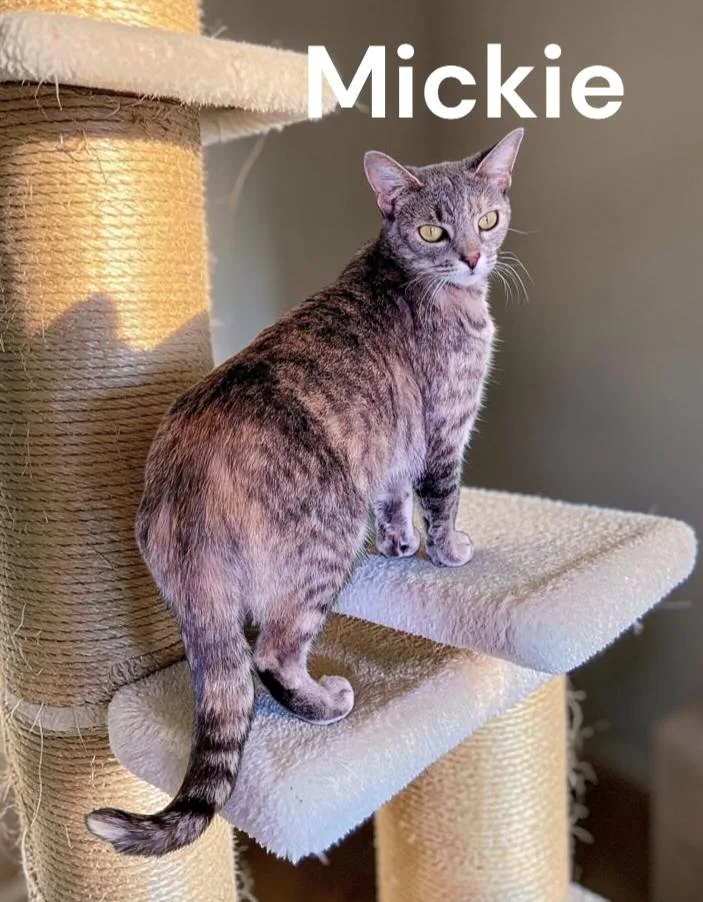
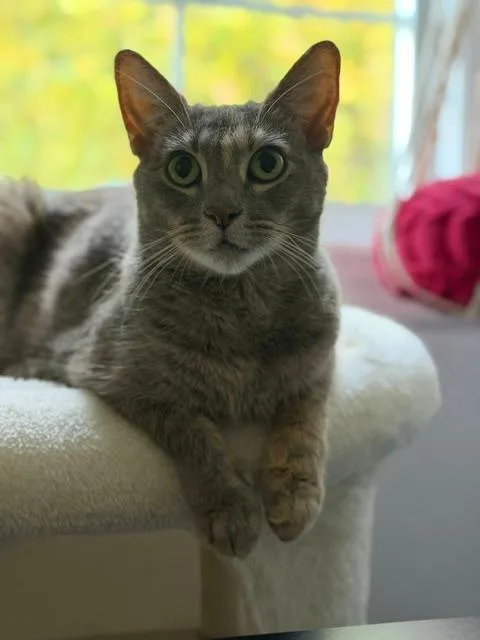
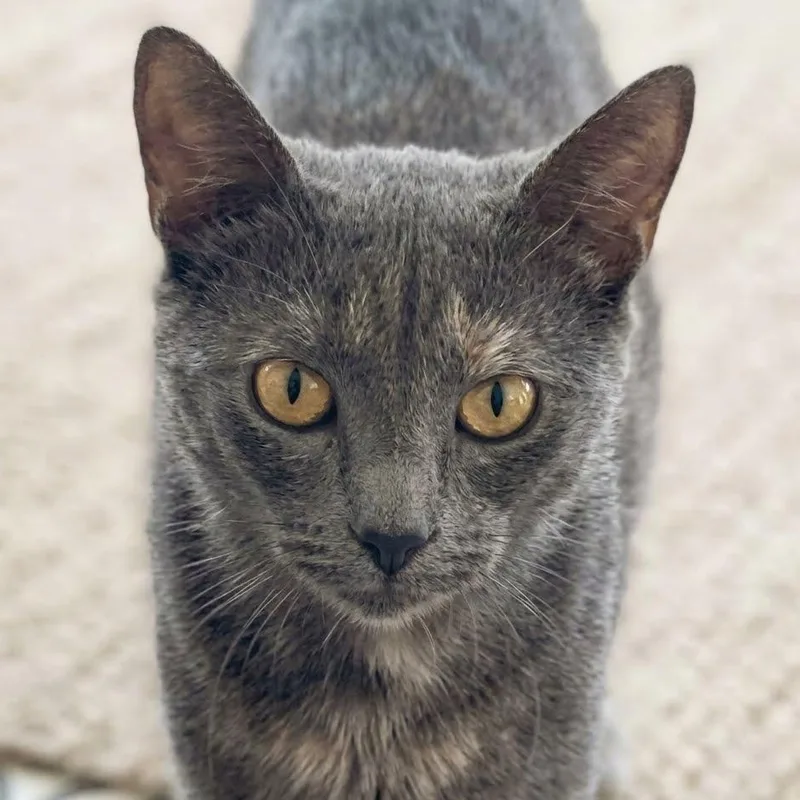
A dilute tortoiseshell is a coat pattern, not a breed. The blue-gray and cream patches, or a soft marbled blend, come from a recessive dilution gene, and nearly all of these cats are female. Most are domestic shorthairs or longhairs, though the color also shows up in breeds such as Persians and Maine Coons.

In Honolulu, that means you're choosing a cat, not a pedigree. Adults usually weigh 6 to 14 pounds and live 12 to 18 years, so adopting one is a long commitment through many island summers. Shedding is moderate, and longhaired cats need regular brushing to prevent mats in humid air. Coat color says little about personality. Age, history and how the cat behaves with you matter far more.

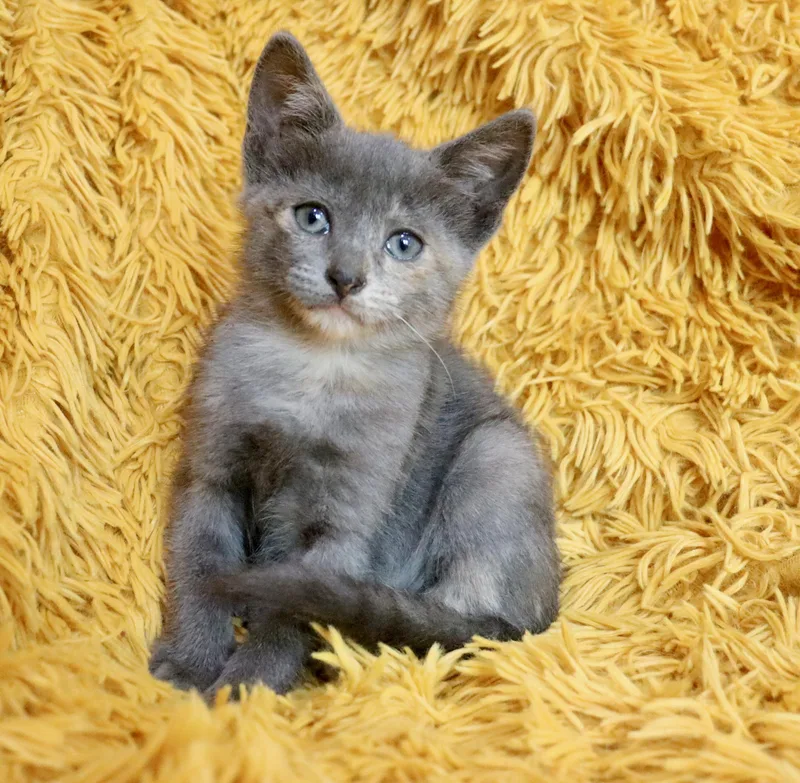
Weight
6–14 lbs
Height
8–10 in
Lifespan
12–18 yrs
Temperament
Affectionate, Independent, Curious
Shedding
Moderate

Owning a Dilute Tortoiseshell in Honolulu

Having a Dilute Tortoiseshell in Honolulu

A cat's traits depend on its mix, age and background more than on coat color. In Honolulu, what stands out is a comfortable indoor life in warm weather, a few play sessions a day, and routine care that suits the island's heat.

Temperament

Dilute torties are often described as affectionate, independent and curious, but those are tendencies across domestic cats, not guarantees, and "tortitude" is mostly folklore. In a Honolulu apartment, a shy cat may settle best with a quiet room and hiding spots, while a bold one may enjoy watching a busy street from the window.

Exercise Needs

Two or three short play sessions a day with wand toys, balls and puzzle feeders usually keep an indoor cat fit. Climbing shelves and window perches add variety. Kittens and young adults need the most, while seniors prefer gentler games. Schedule play for cooler mornings and evenings, when a cat in a warm apartment has more energy.

Health Considerations

The coat pattern itself carries no known health risk in female cats, and the rare males are usually sterile and may have added concerns. Dental care, a healthy weight and yearly checkups matter most. In Honolulu's warm climate, ask a veterinarian about year-round flea prevention and keeping your cat cool.

Living Space

A dilute tortie does well in a condo, apartment or house, since needs depend on the cat rather than the coat. Many Honolulu cats live in apartments, so give yours a scratching post, a window perch and a hiding spot. On higher floors, keep windows and lanai doors securely screened or closed.

What it costs to own a Dilute Tortoiseshell in Honolulu

ExpenseTypical costPer year
Food$25 to $50 per month$300 to $600
Pet insurance$20 to $45 per month$240 to $540
Routine vet care$150 to $350 per year$150 to $350
Other*$450 to $1,150 per year$450 to $1,150
Estimated yearly total (after year one)$1,140 to $2,640

Other costs are estimates and vary with size, age and health.

* Litter, flea prevention, a dental cleaning allowance, toys and supplies, and home grooming.

Adopt a Dilute Tortoiseshell in Honolulu.

Now that you know more, let’s find you a new best friend. These rescues and shelters below have cats available in and near Honolulu.

Rescues and Shelters in or near Honolulu

Oʻahu's shelters and rescues help cats of every age and coat find homes, and those listed here serve Honolulu. Here are the rescues & shelters in the Honolulu area with cats available for adoption, worth asking whether a Dilute Tortoiseshell is coming in.

Frequently Asked Questions

Yes. A dilute tortie is a coat color, not a breed, and Honolulu has no known breed rules for cats. Cats 4 months and older must be microchipped and registered, and outdoor cats 6 months and older need a collar with an ID tag. Read your lease or condo rules for pet limits before you adopt.

Yes, a dilute tortie usually does well in an apartment with a scratching post, a window perch and a place to hide. In high-rise condos, keep windows and lanai doors securely screened or closed, since cats can fall. Daily play burns off energy, and your building's pet policy is worth reading before you move in.

Yes, with some planning. Summer highs are in the 80s and nights stay near 75°F, so humidity and sun matter more than extreme heat. Keep afternoon shades drawn, use a fan or air conditioning, and offer fresh water in several spots. Heavy panting or lethargy calls for a veterinarian right away.

Yes, but only in a carrier. TheBus allows pets in a small enclosed container held on your lap or placed under the seat, and Skyline asks that small animals ride in a cage or carrier on your lap or under the seat. Choose a sturdy, ventilated carrier your cat knows, and check current fares before you go.

Shorthaired dilute torties need a quick weekly brushing, while longhaired ones do better with brushing several times a week to prevent mats, especially in humid air. Shedding is moderate. Home brushing costs little and falls under the Other line in the cost table, so a professional groomer usually isn't necessary.

A tortoiseshell cat is a cat with a coat pattern, not a breed, that mixes black-based and orange-based colors in patches or a mottled blend with little or no white. The dilute version shows blue-gray and cream instead. The pattern appears in domestic shorthairs and many purebreds, and because of its genetics nearly all tortoiseshells are female.

Almost all tortoiseshell cats are female, but not every single one. The orange and black color genes sit on the X chromosome, and a cat needs two X chromosomes to show both colors together. Females have two, so they can be torties. A tortoiseshell male is possible only through rare genetic exceptions, such as carrying an extra X chromosome.

No, tortoiseshell cats are not rare. The pattern is common among domestic cats, and shelters regularly have torties available for adoption. What is rare is a male tortoiseshell, which occurs in only about one in every few thousand. Dilute torties are less common than standard black-and-orange ones because dilution is recessive, but they are far from unusual.

Yes, tortoiseshell cats can be male, but it is very rare, estimated at about one in 3,000 tortoiseshells. Most male torties have an extra X chromosome, an XXY makeup, which allows both orange and black colors to appear. These males are usually sterile and can face added health issues. A few others result from unusual genetic events such as chimerism.

Plan on roughly $1,140 to $2,640 a year, or about $95 to $220 a month, for a dilute tortie in Honolulu. That covers food ($25–$50 monthly), insurance ($20–$45 monthly), routine vet care ($150–$350 yearly) and other costs ($450–$1,150 yearly). Emergencies and illness are extra, and there's no city cat license fee.

Explore Other Breeds in Honolulu

Looking for a different breed? Browse other cats available for adoption in Honolulu.