Dilute Calico Cats for Adoption in Honolulu, HI

Your guide to finding and caring for a Dilute Calico in Honolulu

A dilute calico suits Honolulu condo life, where a sunny windowsill covers most of the territory a cat needs. The blue-gray and cream patches are a coat pattern rather than a breed, so personalities run from lap cat to quiet observer. In a Salt Lake tower or a Mōʻiliʻili apartment near the university, a cat tree by the window and a few play sessions a day go a long way. Keep a fan running on muggy afternoons and the window screens secure.

252 Dilute Calicos available in Honolulu and nationwide

Say hello to your Dilute Calico

While we don't have enough cats near Honolulu, keep in mind that many rescues may offer transport.

Dilute Calicos Available for Adoption Near Honolulu

About the Dilute Calico breed

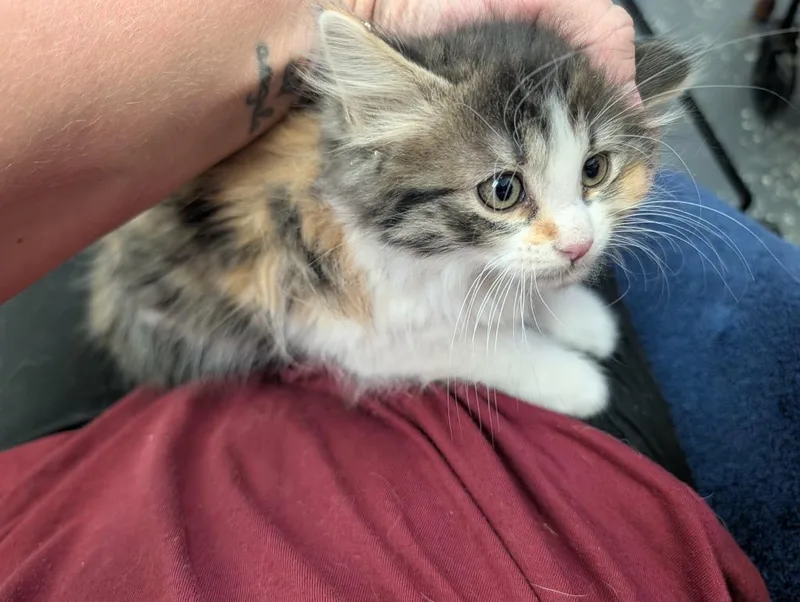
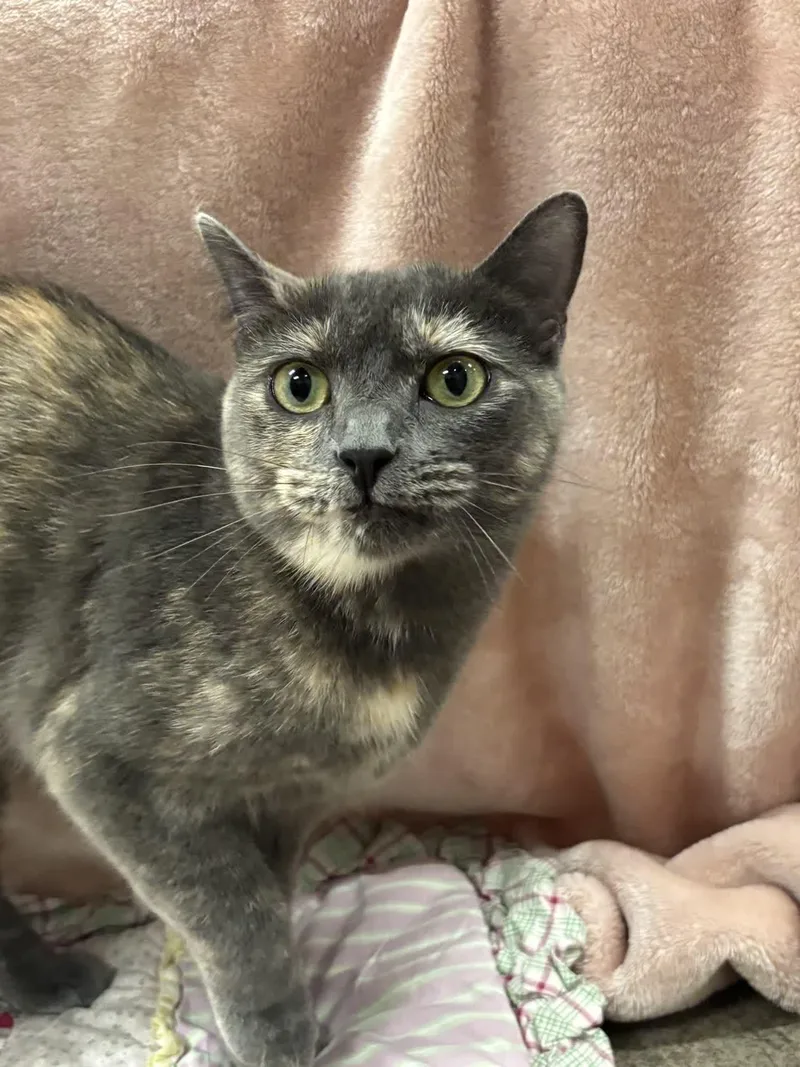
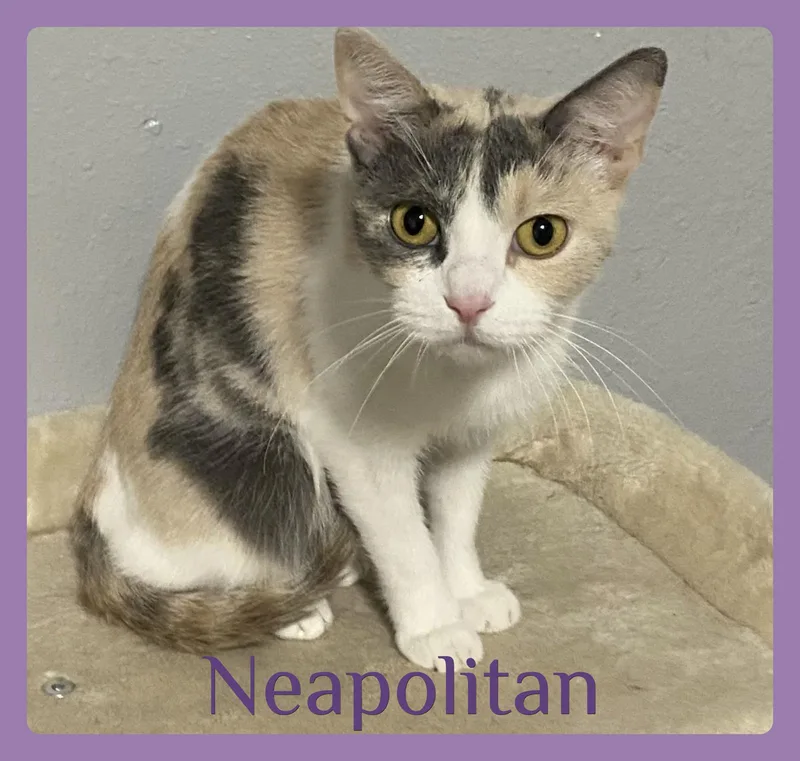
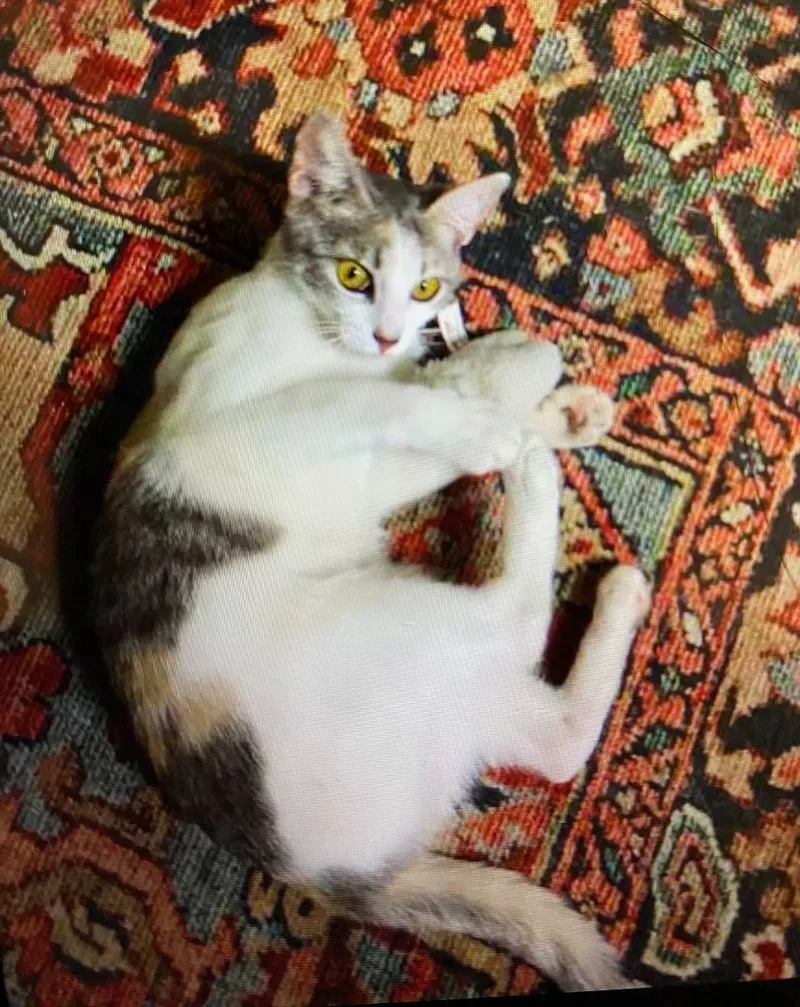
Dilute calico describes a coat, not a breed: white with soft patches of blue-gray and cream, a pastel version of the classic black, orange and white calico. The dilution comes from a recessive gene, and the amount of white ranges from a little on the paws to most of the body. Nearly all are female, because the orange color gene sits on the X chromosome.

Most dilute calicos in shelters are domestic shorthairs or longhairs, though the pattern also appears in Persians, Maine Coons and British Shorthairs. Coat color says little about personality, so the cats you meet may be bold, shy, cuddly or aloof. In Honolulu's warm, humid weather, a shorthair needs little fuss, while a longhaired cat needs more regular brushing.

Weight
6–14 lbs
Height
8–10 in
Lifespan
12–18 yrs
Temperament
Affectionate, Curious, Independent
Shedding
Moderate

Owning a Dilute Calico in Honolulu

Having a Dilute Calico in Honolulu

Dilute calicos are mostly domestic cats, so their needs follow age, coat length and history more than color. In Honolulu, that mostly means indoor enrichment, comfort in the heat, a registered microchip and year-round parasite prevention.

Temperament

Color doesn't set personality. Dilute calicos are often affectionate and curious with an independent streak, though some are reserved. In a Honolulu apartment, a cat that stays relaxed around hallway noise helps, and sudden sounds like New Year's fireworks can unsettle even confident cats, so a quiet room is useful.

Exercise Needs

Daily play with wand toys, balls and puzzle feeders keeps most dilute calicos fit. Indoors, window perches and cat trees add climbing. With Honolulu's year-round warmth, active play suits cooler mornings and evenings. Kittens and young adults want more action, while seniors prefer shorter, gentler sessions.

Health Considerations

The dilute calico pattern itself causes no health problems in female cats. Dental care, weight control and yearly exams matter most. In Honolulu's warm climate, ask a veterinarian about year-round flea prevention, and keeping a cat indoors avoids fights, parasites and traffic.

Living Space

Condos and apartments suit most dilute calicos. With so many high-rises and renters in Honolulu, vertical space, a scratching post and a quiet hideaway matter more than square footage. Secure screens on windows and lanai doors are important on upper floors, and longhaired cats need a spot for brushing.

What it costs to own a Dilute Calico in Honolulu

ExpenseTypical costPer year
Food$25 to $50 per month$300 to $600
Pet insurance$20 to $45 per month$240 to $540
Routine vet care$150 to $350 per year$150 to $350
Other*$450 to $1,150 per year$450 to $1,150
Estimated yearly total (after year one)$1,140 to $2,640

Other costs are estimates and vary with size, age and health.

* Litter, year-round flea prevention, a dental cleaning allowance, toys and supplies, and home grooming; costs vary with the cat's size and coat.

Adopt a Dilute Calico in Honolulu.

Now that you know more, let’s find you a new best friend. These rescues and shelters below have cats available in and near Honolulu.

Rescues and Shelters in or near Honolulu

Honolulu's rescue community includes the Hawaiian Humane Society, whose adoptions include spay or neuter, a microchip and vaccinations. Here are the rescues & shelters in the Honolulu area with cats available for adoption, worth asking whether a Dilute Calico is coming in.

Frequently Asked Questions

Yes. Honolulu has no known breed-specific rules, and dilute calico is a coat pattern rather than a breed anyway. After adoption, make sure the cat's microchip registration lists your current contact details, since Hawaiʻi expects owners to keep them up to date. Beyond that, local rules mostly concern outdoor cats, which is one more reason many owners keep theirs indoors.

Yes, most dilute calicos do well in Honolulu apartments and condos when they have window perches, climbing space and daily play. Check the building's pet policy first, because associations often set their own limits. Screens on windows and lanai doors matter on upper floors, and a fan or air conditioning keeps a cat comfortable on muggy afternoons.

Yes, especially for indoor cats. Honolulu has no cold season, so dilute calicos need no extra warmth, and summer heat is steady rather than extreme. The main concerns are humidity, sun through windows and the occasional storm. Provide shade, fresh water and airflow, and brush longhaired cats regularly to keep them comfortable.

Yes, in a carrier. TheBus and Skyline allow small animals only in a closed carrier held on your lap or placed under the seat, so a medium-size dilute calico fits as long as the carrier is the right size. Keep the cat inside it for the whole ride, and choose one with a secure latch.

Often, yes, for people who want an indoor companion. Cats adapt well to condo and apartment living, and Honolulu's mild weather means no seasonal gear. The main questions are your building's pet rules, keeping the cat cool and whether you're home for daily play. New Year's fireworks can unsettle cats, so a quiet room helps.

Shorthaired dilute calicos usually need brushing about once a week, while longhaired ones do better with a few sessions weekly, since warm, humid weather makes regular brushing worthwhile. Most cats groom themselves, so most owners handle it at home with a brush and occasional nail trims, which fits within the Other costs line.

Almost all calico cats are female. The genes for orange and black coat color sit on the X chromosome, and a cat needs two X chromosomes to show both colors at once. Females have two X chromosomes; males normally have one. Rare male calicos usually carry an extra X chromosome and are estimated at roughly 1 in 3,000 calicos.

A calico cat is a cat with a three-color coat of white plus patches of black-based and orange-based color. Calico is a color pattern, not a breed, and it appears in domestic cats and many purebred breeds. Dilute calicos show blue-gray and cream instead of black and orange. Nearly all calicos are female.

Yes, calico cats can be male, but it is very rare. Most male calicos have an extra X chromosome, written XXY, which lets them carry both orange and black color genes. A few are chimeras, formed when two embryos fuse. Male calicos are almost always sterile and may have additional health concerns.

Plan on roughly $1,140 to $2,640 a year for a dilute calico, about $95 to $220 a month. That covers food ($25 to $50 a month), pet insurance ($20 to $45 a month), routine vet care ($150 to $350 a year) and other costs ($450 to $1,150 a year), including litter, flea prevention and dental care.

Explore Other Breeds in Honolulu

Looking for a different breed? Browse other cats available for adoption in Honolulu.