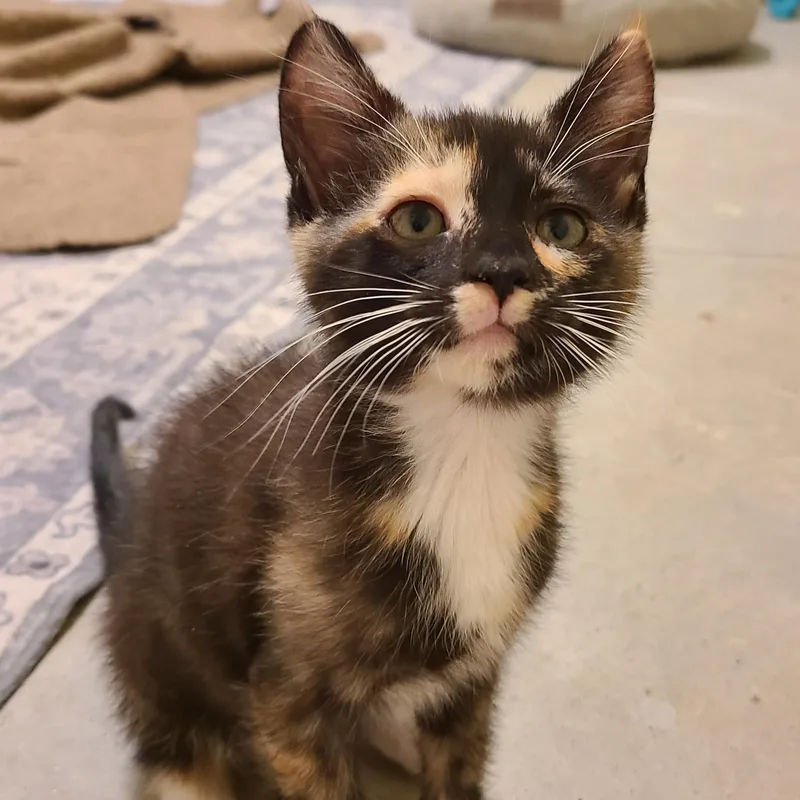
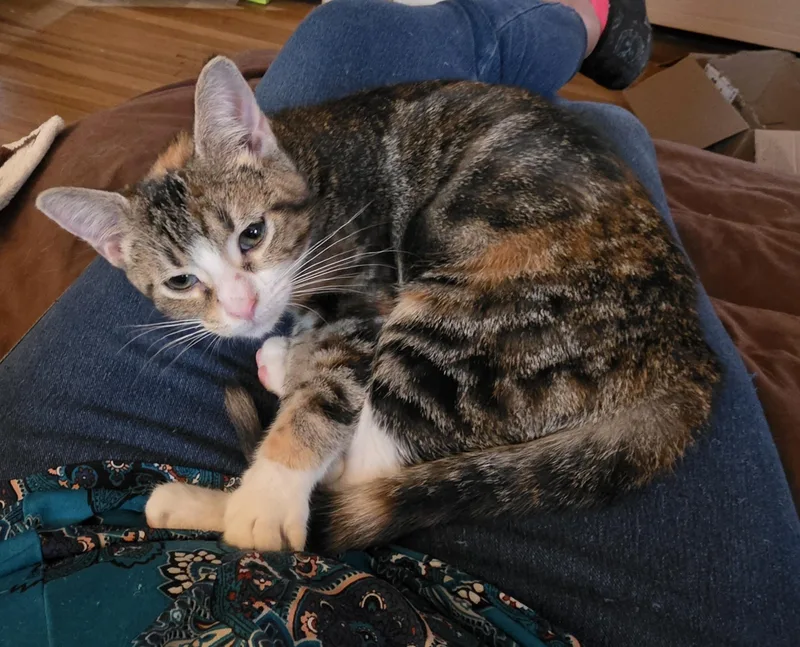
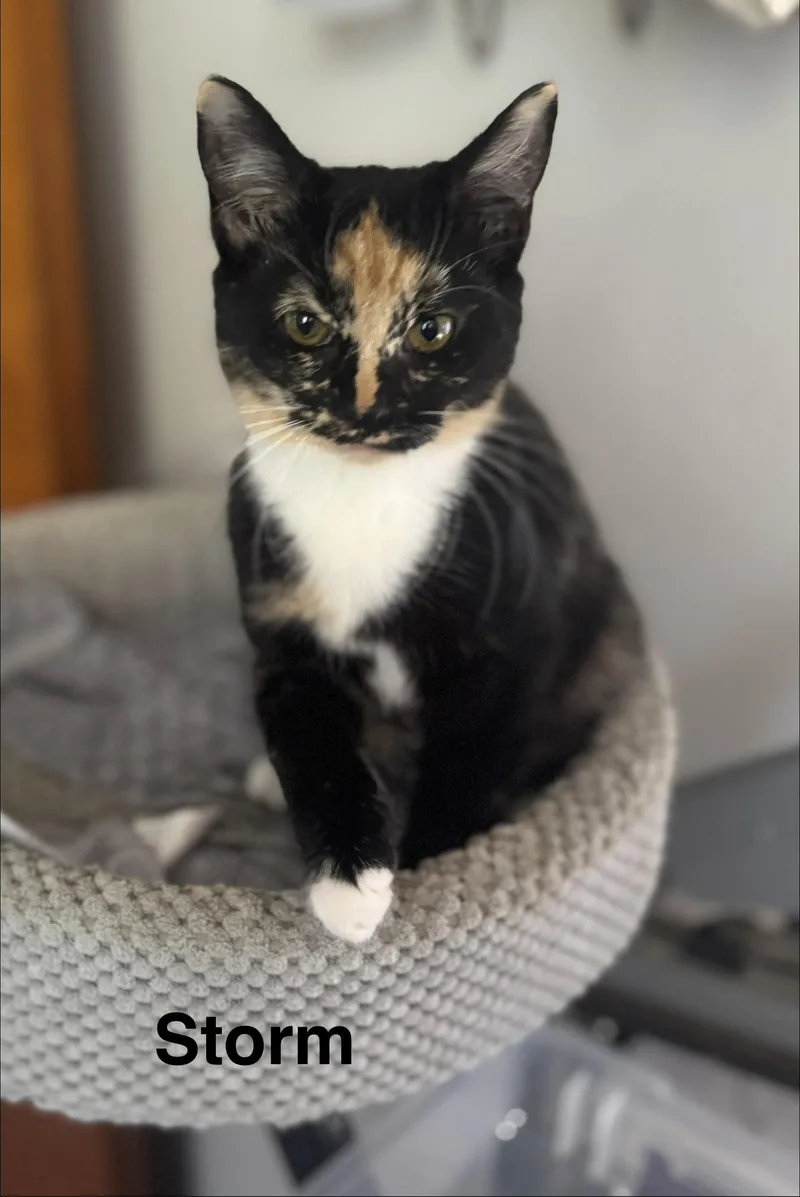
Calico Cats for Adoption in Honolulu, HI

Your guide to finding and caring for a Calico in Honolulu

Calico is a coat pattern, not a breed, and calicos fit Honolulu apartment life as easily as any other house cat. In a Mōʻiliʻili one-bedroom or a Salt Lake condo, a window perch, a scratching post and a few play sessions a day cover most of what a calico needs. Personalities run from shy to bold, so how a particular cat acts matters more than her patches. A sunny windowsill gives her plenty to watch while you're out.

1485 Calicos available in Honolulu and nationwide

Bring home a Calico

While we don't have enough cats near Honolulu, keep in mind that many rescues may offer transport.

Calicos Available for Adoption Near Honolulu

About the Calico breed

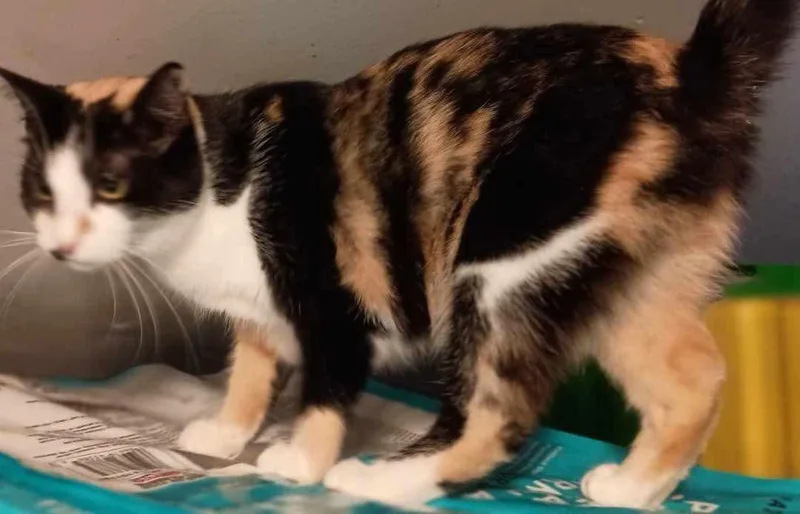
Calico describes color, not ancestry: white with patches of black and orange, or gray and cream in the dilute version. The pattern shows up in domestic shorthairs, longhairs and several pedigreed breeds, and nearly all calicos are female because the orange and black color genes sit on the X chromosome. Most adoptable calicos are domestic shorthairs, typically 6 to 12 pounds, and many live 12 to 18 years indoors.

That mixed ancestry means care looks like any house cat's: vaccines, dental care, weight control and regular play. A shorthaired calico needs a weekly brushing, while a longhaired mix may need it more often in humid weather to keep mats from forming. Coat color doesn't predict temperament, so spend time with a cat and see how she handles people and other pets before deciding.

Weight
6–12 lbs
Height
8–10 in
Lifespan
12–18 yrs
Temperament
Adaptable, Affectionate, Independent
Shedding
Moderate

Owning a Calico in Honolulu

Having a Calico in Honolulu

Because calico is a coat rather than a breed, a calico's traits come from her ancestry, age and upbringing. In Honolulu's apartments and condos, the practical questions are energy level, coat length and how well she settles into a smaller home.

Temperament

Calicos range from shy and gentle to bold and chatty, and coat color doesn't reliably predict which. The "tortitude" reputation is folklore more than science. In a compact Honolulu home, watch how a cat handles noise, visitors and other pets, since close neighbors and shared walls are part of daily life.

Exercise Needs

Plan on two or three short play sessions a day with wand toys, balls or food puzzles, plus a window perch for watching. Kittens and young adults need more play than seniors. Indoor play also suits Honolulu's sunny, humid afternoons, when outdoor time is less comfortable for any cat.

Health Considerations

Female calicos have no color-linked health problems, so care means vaccines, dental care, weight control and yearly checkups. The rare male calico can face added issues, including sterility and urinary trouble. Keeping a calico indoors limits exposure to heat, traffic and fights, and a veterinarian can advise on parasite prevention for Hawaiʻi's warm, humid climate.

Living Space

A calico usually does well in a condo or apartment when she has scratching posts, a perch and hiding spots. Many Honolulu homes are high-rise or low-rise buildings, so secure window screens and balcony railings, and give a shy cat a quiet corner to settle. A catio or harness keeps outdoor time supervised.

What it costs to own a Calico in Honolulu

ExpenseTypical costPer year
Adoption fee$225, one time$225 in year one
Food$25 to $50 per month$300 to $600
Pet insurance$20 to $45 per month$240 to $540
Routine vet care$150 to $350 per year$150 to $350
Other*$450 to $1,150 per year$450 to $1,150
Estimated yearly total (after year one)$1,140 to $2,640
First-year total (with adoption fee)$1,365 to $2,865

Adoption fee is the fee on Calico listings in Honolulu on GetBuddy today. Other costs are estimates and vary with size, age and health.

* Litter, flea prevention, a dental cleaning allowance, toys and supplies, and home brushing.

Adopt a Calico in Honolulu.

Now that you know more, let’s find you a new best friend. These rescues and shelters below currently have Calicos available.

Rescues in Honolulu with Calicos Available

Oʻahu's shelters and rescue groups care for cats of every age, coat and temperament, listed below. Here are the rescues & shelters in the Honolulu area where you can find Calicos and other cats available for adoption.

Frequently Asked Questions

Yes, you can. Calico is only a coat pattern, and Honolulu's cat rules apply to every cat alike. Microchip the cat and register your contact details once she's 4 months old. If she goes outdoors, she also needs a collar with an ID tag at 6 months and must be sterilized.

Yes, calicos usually adapt well to apartments and condos, which is how many Honolulu cats live. Give her a window perch, a scratching post and daily play, and secure screens and balcony railings in a high-rise. Confirm the pet terms in your lease before adopting, since building rules vary.

Yes, in a carrier. TheBus and Skyline both allow small animals only in a closed carrier on your lap or under the seat, and most calicos fit a standard cat carrier. Service animals are the exception. Check current fares with TheBus and Skyline before you go.

Mostly yes. There's no cold season, but sun and humidity matter: highs sit in the 80s all year, and about 32 days a year reach 90°F, mostly July through September. Keep water out in several spots, shade sunny windows and run a fan or air conditioning. Longhaired mixes feel the heat most.

It depends on coat length. A shorthaired calico needs brushing about once a week, while a longhaired mix does better with a few brushings a week, since humid weather encourages mats. Home brushing keeps costs low and is counted in the Other line of the cost table; shorthairs rarely need a professional groomer.

Almost all calico cats are female, but not every single one. The genes for orange and black coat color sit on the X chromosome, so a cat normally needs two X chromosomes to show both colors at once. Roughly 1 in 3,000 calicos is male, usually because of an extra X chromosome, a genetic quirk rather than a separate type.

A calico cat is any cat with a three-color coat of white plus distinct patches of black and orange, or gray and cream in dilute calicos. Calico is a coat pattern rather than a breed, so it appears in domestic shorthairs, longhairs and many pedigreed breeds. Nearly all calicos are female because of how coat color genes are inherited.

Yes, calico cats can be male, but it is very rare. A male calico usually has XXY chromosomes instead of the typical XY, a condition similar to Klinefelter syndrome in people, or is a chimera formed from two embryos. These males are almost always sterile and may have extra health needs, so regular veterinary care is especially worthwhile.

We have 1 rescue with Calicos available: Aloha Kitty TNR. You can see every rescue with Calicos available in the list above these questions, or scroll to the top to see the Calicos near Honolulu.

A calico typically costs about $1,140 to $2,640 a year in Honolulu, covering food, insurance, routine vet care and other expenses like litter and flea prevention. Costs run toward the low end for a healthy shorthaired adult and higher for a longhaired mix, a dental cleaning or pricier food. Adoption fees depend on the listing.

Explore Other Breeds in Honolulu

Looking for a different breed? Browse other cats available for adoption in Honolulu.