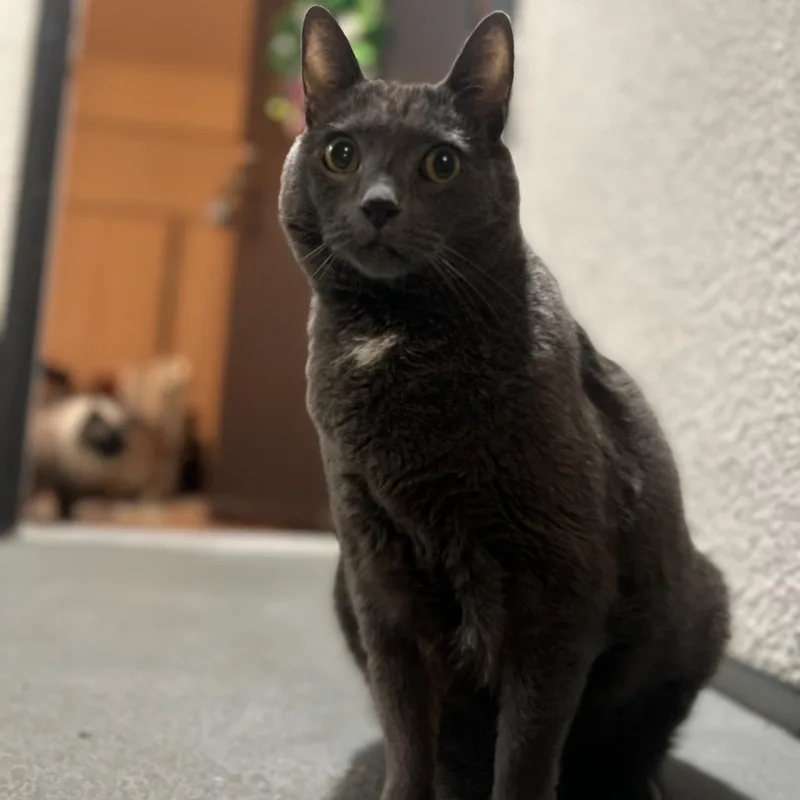
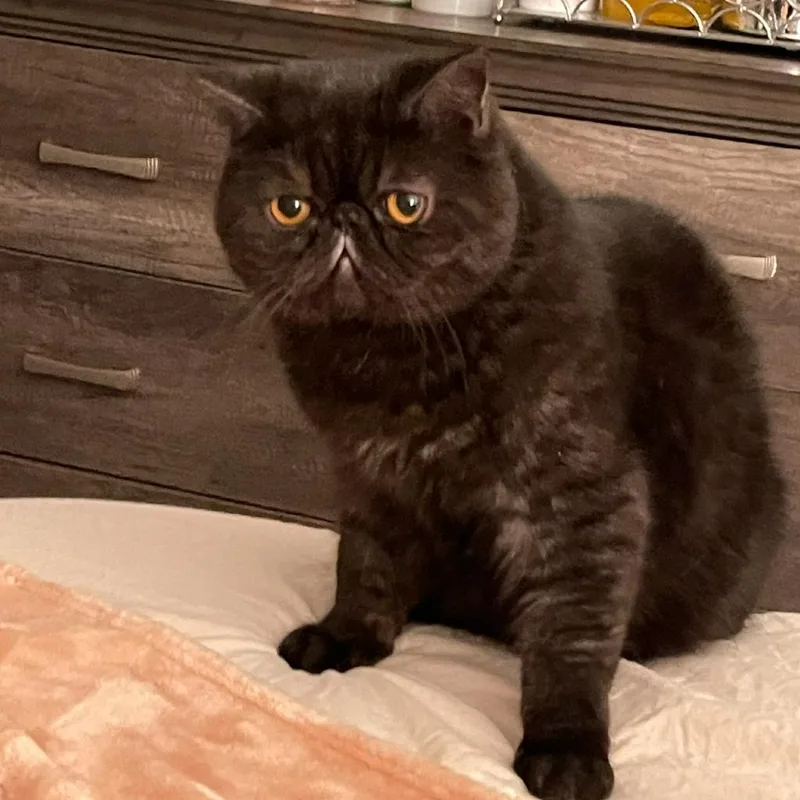
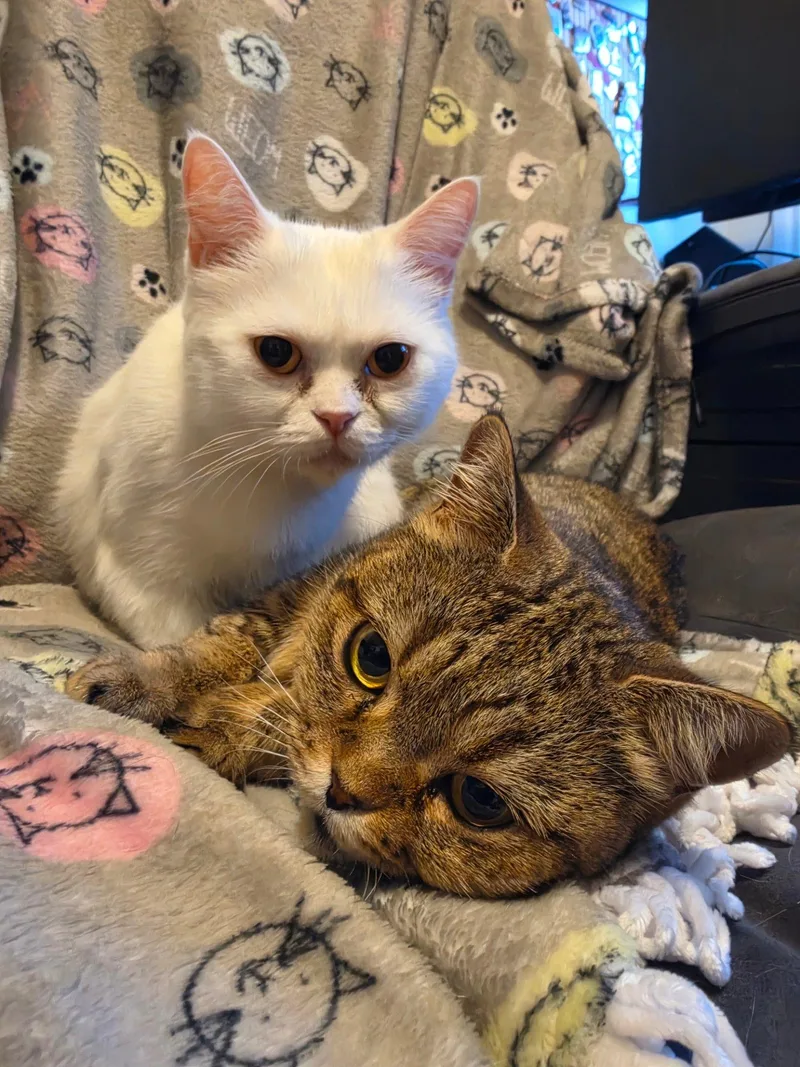
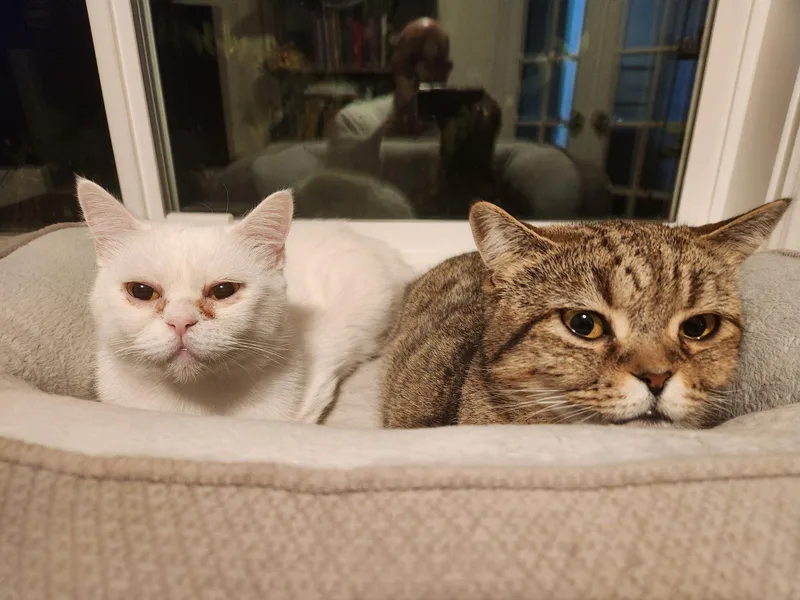
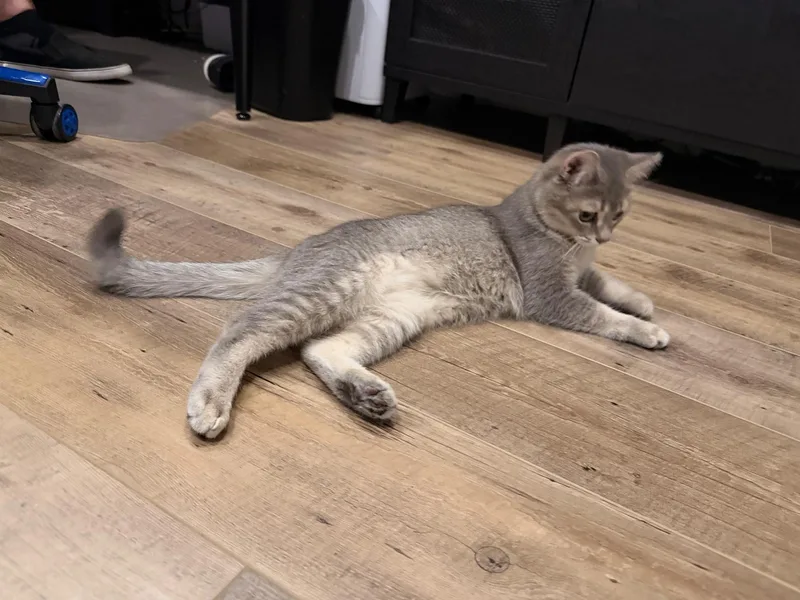
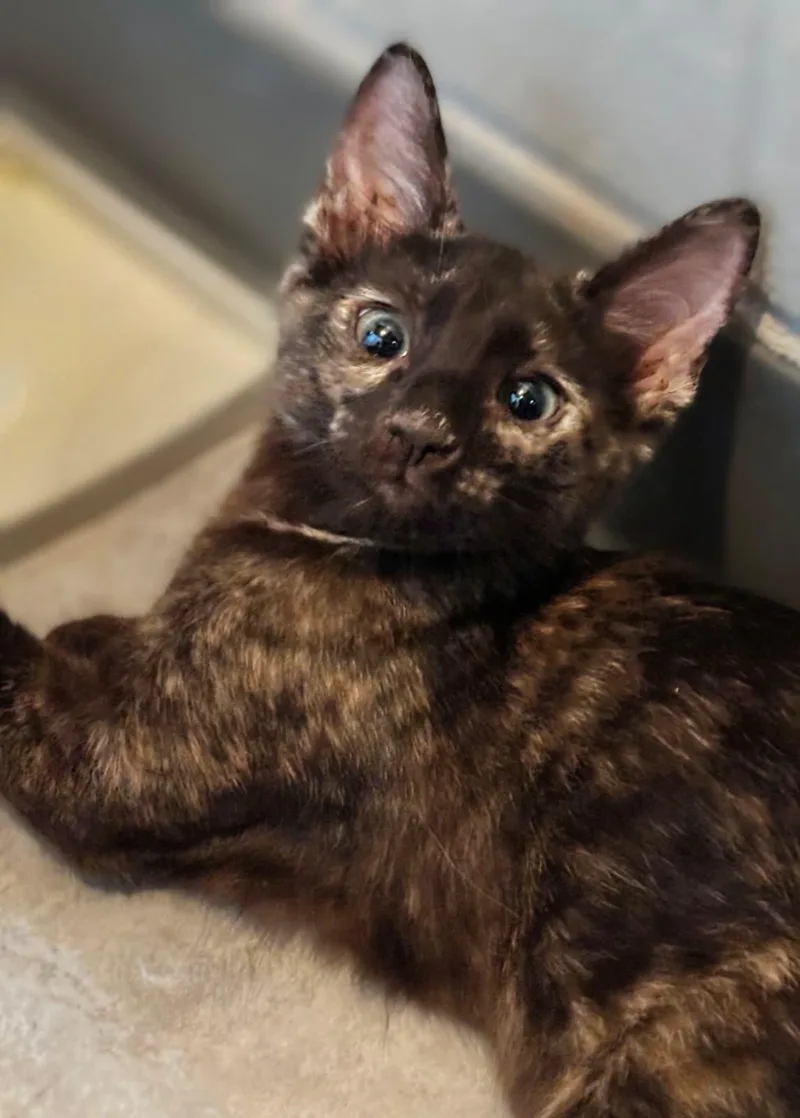
British Shorthair Cats for Adoption in Honolulu, HI

Your guide to finding and caring for a British Shorthair in Honolulu

A British Shorthair fits the small-apartment side of Honolulu life well. In an older Makiki building or a Mōʻiliʻili walk-up, this calm, floor-loving cat is happy with a window perch, a low cat tree and someone nearby. It doesn't need a yard or much climbing room. The dense coat is the one thing to plan around, since humid afternoons can feel heavy under all that fur, so a fan or air conditioning goes a long way.

98 British Shorthairs available in Honolulu and nationwide

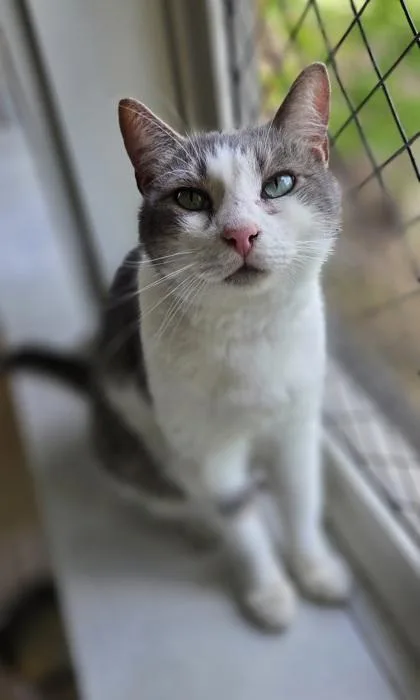
Meet a British Shorthair who needs you

While we don't have enough cats near Honolulu, keep in mind that many rescues may offer transport.

British Shorthairs Available for Adoption Near Honolulu

About the British Shorthair breed

The British Shorthair grew from the working street and farm cats of Britain, appeared at an 1871 London cat show, and was rebuilt after the world wars. The classic look is a round face, copper eyes and a plush blue coat, though the breed comes in many colors and patterns. Adults are sturdy, with males often reaching 12 to 17 pounds, and they fill out slowly over about three years.

In Honolulu, most of the care comes down to a few habits: weekly brushing to keep shed fur under control in a small home, measured meals and daily play to hold off weight gain, and regular vet visits that include heart and kidney checks. Calm doesn't mean identical, so a cat's own history and comfort with strangers matter as much as breed.

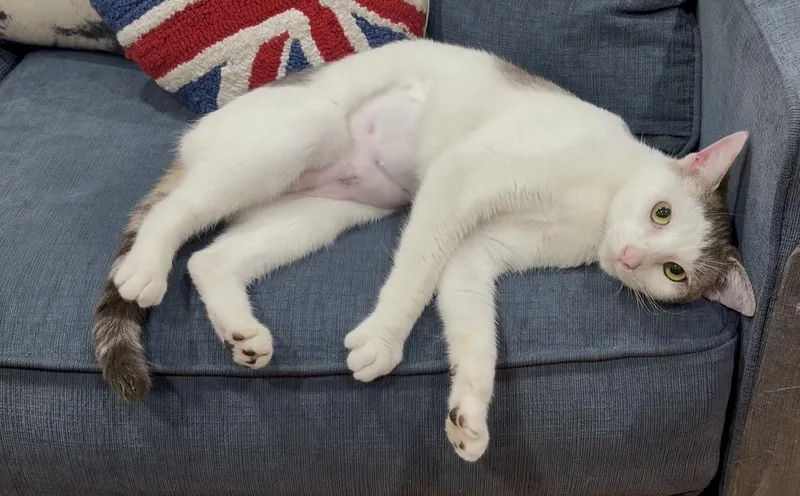
Weight
7–17 lbs
Height
12–14 in
Lifespan
12–17 yrs
Temperament
Calm, Easygoing, Affectionate
Shedding
Moderate

Owning a British Shorthair in Honolulu

Having a British Shorthair in Honolulu

Quiet, sturdy and slow to mature, British Shorthairs adapt well to island apartment life. The main things to plan for here are heat under a dense coat, weight management, and heart and kidney screening, while storms and fireworks call for a calm, secure indoor routine.

Temperament

Many British Shorthairs are steady and unflappable, which helps in busy condo buildings with neighbors, elevators and hallway noise. They often shadow their people rather than demand laps, and most dislike being carried. Some stay reserved with visitors at first, so a quiet retreat spot helps. Each cat's personality and history vary.

Exercise Needs

Plan on a few short play sessions a day with wand toys, toy mice and puzzle feeders, all at floor level. Evening play, when the apartment is cooler, suits a dense-coated cat. Daily activity matters because the breed gains weight easily, and a window perch gives it something to watch between sessions.

Health Considerations

Hypertrophic cardiomyopathy (a heart condition) and polycystic kidney disease are documented in the breed, so ask a veterinarian about screening at the first checkup. Obesity and dental disease are common but preventable. Hawaiʻi is rabies-free, though cats still need routine vaccines and parasite prevention suited to an indoor lifestyle.

Living Space

A British Shorthair does well in the condos and apartments that make up much of urban Honolulu, since it isn't a climber and doesn't need a yard. Give it a sturdy scratching post, a low cat tree, a window perch out of harsh afternoon sun, and a cool room for hot days. Keep windows and lanai doors secured.

What it costs to own a British Shorthair in Honolulu

ExpenseTypical costPer year
Food$30 to $60 per month$360 to $720
Pet insurance$30 to $65 per month$360 to $780
Routine vet care$150 to $350 per year$150 to $350
Other*$450 to $1,150 per year$450 to $1,150
Estimated yearly total (after year one)$1,320 to $3,000

Other costs are estimates and vary with size, age and health.

* Litter, flea prevention, a dental cleaning allowance, toys, scratchers and other supplies, and weekly home brushing for the dense short coat.

Adopt a British Shorthair in Honolulu.

Now that you know more, let’s find you a new best friend. These rescues and shelters below have cats available in and near Honolulu.

Rescues and Shelters in or near Honolulu

Oʻahu's rescue community includes a large open-admission humane society, a no-kill shelter and volunteer foster-based groups. Here are the rescues & shelters in the Honolulu area with cats available for adoption, worth asking whether a British Shorthair is coming in.

Frequently Asked Questions

Yes, you can get a British Shorthair in Honolulu. No known rules limit cats by breed. The city requires cats 4 months and older to have a registered microchip, and cats that go outdoors need a collar with an ID tag and must be sterilized. British Shorthairs are best kept indoors. Watch this page's listings and save a search for new arrivals.

Mostly yes, with some heat management. Honolulu never gets cold, but summer highs reach the upper 80s with warm nights and humidity, which is hard on a dense coat. An indoor British Shorthair does well with a fan or air conditioning, shade and plenty of fresh water. Cooler, wetter valleys like Mānoa run milder than the dry leeward coast.

Yes, a British Shorthair is one of the easier breeds for Honolulu apartments. It's quiet, not a climber, and content with a low cat tree, a window perch and a few short play sessions a day. Plan for a cool room, since the dense coat runs hot, and confirm the building's pet policy before you sign.

Yes, but only in a closed carrier. TheBus and Skyline both allow pets only in a small enclosed carrier held on your lap or placed under the seat. Adult British Shorthairs can weigh up to 17 pounds, so make sure yours fits comfortably in one. Choose a sturdy, ventilated carrier and avoid riding in the afternoon heat.

Plan on weekly brushing, and a couple of sessions a week when shedding picks up in warmer months. Removing loose undercoat helps the cat stay cooler in Honolulu's humid weather. Most owners handle it at home with a rubber brush or comb, so professional grooming isn't a regular expense in the yearly Other budget.

Often, yes, for people who want a calm, low-key cat in a small home. Many British Shorthairs handle a workday alone, but they enjoy company, so evening play matters. Prepare for the local extras: a cool room in summer, a carrier and supplies ready for storms, and a quiet room for New Year's fireworks.

British Shorthairs commonly live about 12 to 17 years, and many healthy indoor cats reach their late teens. Swedish insurance data found most lived past ten, though a UK veterinary study reported a lower average because of early deaths. Keeping a British Shorthair lean, brushing its teeth and screening for heart and kidney disease all help support a longer life.

No, British Shorthairs are not hypoallergenic. Their dense coat sheds, and like all cats they produce the Fel d 1 allergen in saliva and skin, which spreads onto fur during grooming. People with mild allergies sometimes cope with frequent brushing, air purifiers and a cat-free bedroom, but spending time with the specific cat before adopting is the safest test.

British Shorthairs can be capable hunters, since the breed grew out of working cats that kept British farms, homes and streets free of rodents. Most pet British Shorthairs today are more relaxed than driven, and many prefer stalking toy mice and wand toys. Their prey drive is still real, so keep small pets like birds and hamsters securely separated.

Plan on roughly $1,320 to $3,000 a year for a British Shorthair in Honolulu. That covers food at $30 to $60 a month, insurance at $30 to $65 a month, routine vet care of $150 to $350 a year, and $450 to $1,150 a year for litter, parasite prevention, dental care and supplies.

Explore Other Breeds in Honolulu

Looking for a different breed? Browse other cats available for adoption in Honolulu.