Bengal Cats for Adoption in Honolulu, HI

Your guide to finding and caring for a Bengal in Honolulu

Bengals are a complicated fit for Honolulu, because Hawaii law bans the breed. That's worth knowing before you fall for the spots. The energy itself suits the city's homes, like a Makiki apartment with a sunny window or a Kakaʻako tower with room for a tall cat tree. If you love an athletic, curious cat, this page covers what a Bengal needs and what similar cats ask of you here.

211 Bengals available in Honolulu and nationwide

A Bengal is ready for you

While we don't have enough cats near Honolulu, keep in mind that many rescues may offer transport.

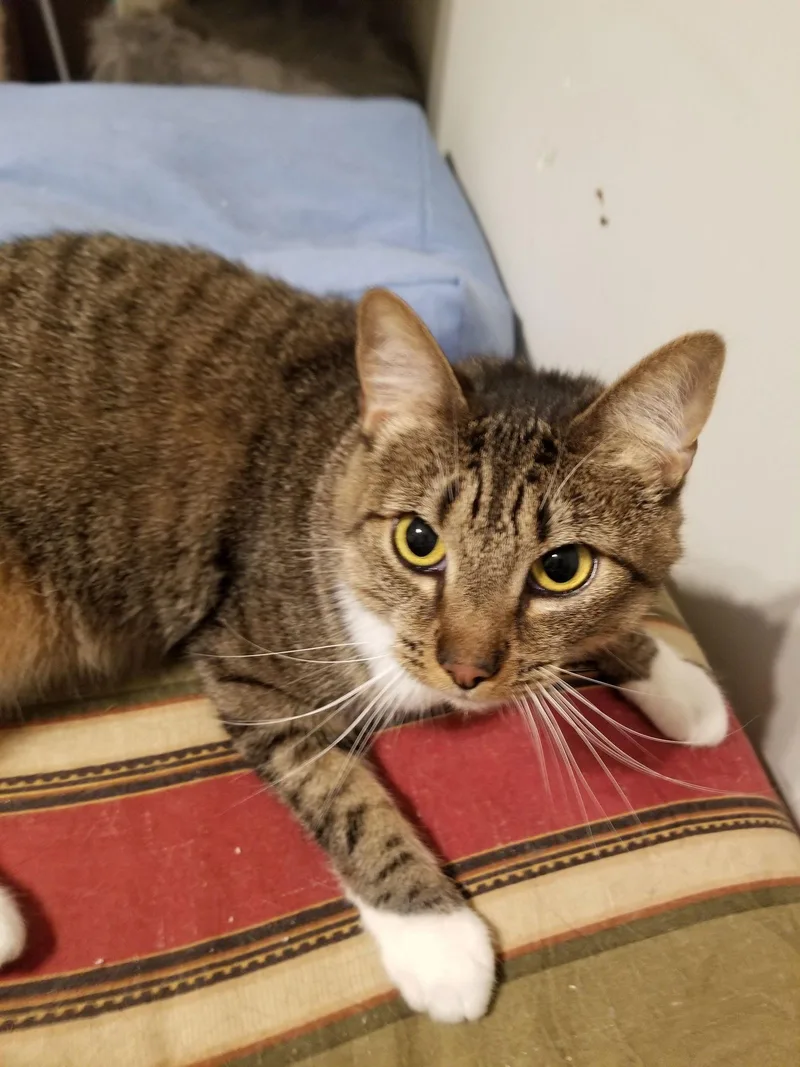
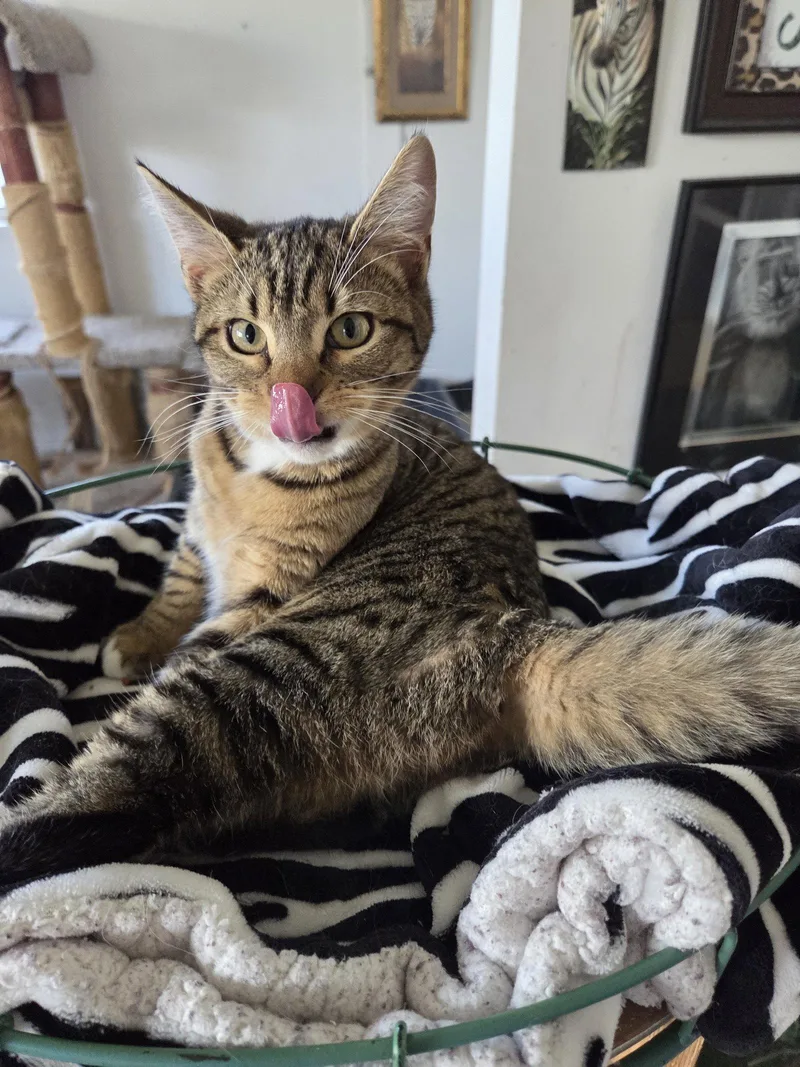
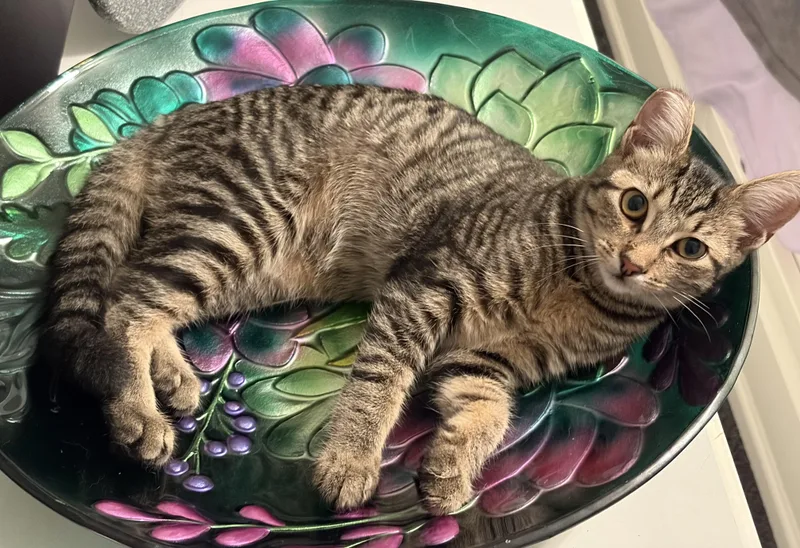
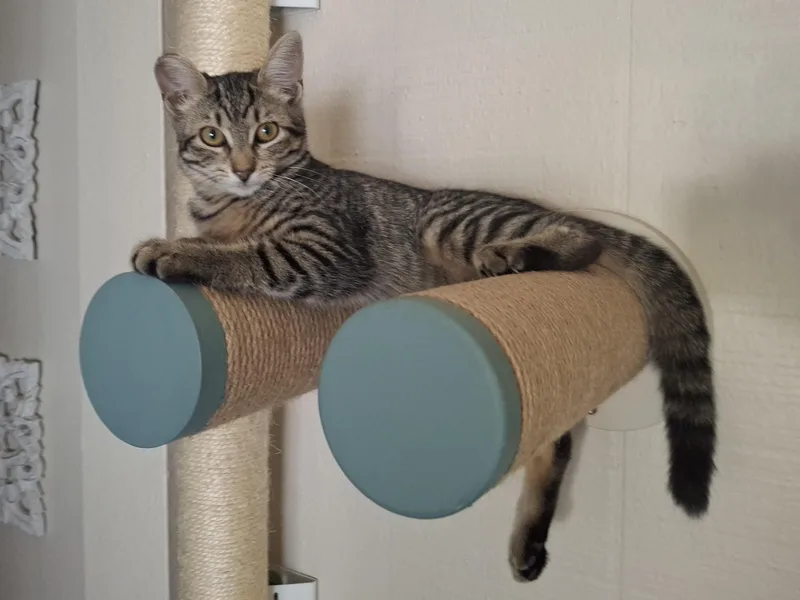
Bengals Available for Adoption Near Honolulu

About the Bengal breed

The Bengal is a medium, muscular cat, usually 8 to 15 pounds, with a short, soft coat in spotted, rosetted or marbled patterns, often with a glittery sheen. The breed began in California in the 1960s with crosses between domestic cats and the Asian leopard cat, but today's Bengals are many generations removed and fully domestic. Most live 10 to 15 years.

Bengals are intelligent, curious and athletic, and many stay playful well into adulthood. They fetch, open cupboards and often love running water. They want climbing space, daily play and puzzle toys, and some get loud when bored. Whatever a cat's breed, that kind of energy is worth planning for before you adopt.

Weight
8–15 lbs
Height
9–11 in
Lifespan
10–15 yrs
Temperament
Energetic, Curious, Intelligent
Shedding
Low to Moderate

Owning a Bengal in Honolulu

Having a Bengal in Honolulu

A Bengal pairs a wild-looking coat with a busy mind and an athletic body. Activity needs, a love of interaction and a few inherited health risks matter most when deciding whether one fits your Honolulu household.

Temperament

Bengals are usually confident, curious and closely tied to their people, often following them from room to room. Many are chatty and pushy when bored. Some get along with cat-savvy dogs and other playful cats, while others are bossy. Bengals vary widely, so judge each cat on its own personality.

Exercise Needs

Plan on several active play sessions a day, with wand toys, fetch and chase games, plus tall cat trees and wall shelves. Food puzzles and harness outings add mental work. In Honolulu, keep harness walks to early morning or after sunset, since sun-heated pavement can burn paws.

Health Considerations

Bengals can develop hypertrophic cardiomyopathy, a heart condition, along with progressive retinal atrophy, which causes early blindness, and pyruvate kinase deficiency, a type of anemia. Genetic tests exist for some of these. Regular veterinary checkups, including heart screening if recommended, are the best protection, and a vet can examine any cat you adopt.

Living Space

Bengals do well in apartments when they have vertical territory and daily play. Honolulu's condo towers and older low-rise buildings can work if you add shelves, a tall tree and a window perch. Keep a Bengal indoors or in a secure enclosed lanai, with screens that latch firmly.

What it costs to own a Bengal in Honolulu

ExpenseTypical costPer year
Food$25 to $50 per month$300 to $600
Pet insurance$30 to $60 per month$360 to $720
Routine vet care$150 to $350 per year$150 to $350
Other*$500 to $1,350 per year$500 to $1,350
Estimated yearly total (after year one)$1,310 to $3,020

Other costs are estimates and vary with size, age and health.

* Litter, flea prevention, a dental cleaning allowance, toys and bedding, light brushing, and climbing and puzzle enrichment for a very active cat.

Adopt a Bengal in Honolulu.

Now that you know more, let’s find you a new best friend. These rescues and shelters below have cats available in and near Honolulu.

Rescues and Shelters in or near Honolulu

Oʻahu's adoption network includes the open-admission Hawaiian Humane Society, a no-kill shelter and foster-based rescue groups. Here are the rescues & shelters in the Honolulu area with cats available for adoption, worth asking whether a Bengal is coming in.

Frequently Asked Questions

Generally no. Hawaii state law bans Bengal cats, and the ban covers all of Oʻahu, so Honolulu's local rules don't change it. Watch the listings on this page for spotted, active cats and browse the similar breeds here. Any cat you adopt must be microchipped and registered with your current contact details.

It can be for someone who's home often and enjoys play. Honolulu's steady warmth suits a short-coated, active cat, and apartments work if you add climbing space. Expect several play sessions a day and plenty of window perches, since hot pavement and strong sun limit outdoor time. Similar breeds on this page offer comparable energy.

Yes, if it has things to climb and plenty of play. Many Honolulu homes are condos or rentals, and a Bengal copes with that better than with boredom. Add a tall tree, wall shelves and puzzle feeders, keep window screens latched, and read your building's pet rules before you apply.

Yes, but only in a carrier. TheBus allows animals in a small enclosed container on your lap or under the seat, and Skyline requires a cage or carrier that fits under the seat or on your lap. A medium-sized Bengal needs a roomy but compact carrier, so practice at home first and check current fares before you travel.

Yes, for an indoor Bengal. Highs stay in the 80s and nights never turn cold, which suits a short coat. Humidity and strong sun matter more than the thermometer, and the most 90-degree days come from July through September. Provide shade, fresh water and airflow, and keep hot afternoons indoors.

Very little. A Bengal's short, close-lying coat needs light weekly brushing, and baths are rarely necessary. Honolulu's year-round warmth means fleas stay active, so keep prevention going. Grooming costs fall under the Other line in the cost table, so budget mostly for flea prevention, litter and enrichment rather than salon visits.

A Bengal is a domestic cat breed developed from crosses between house cats and the small Asian leopard cat, then bred for generations with domestic cats. Bengals have short, sleek coats with spots, rosettes or marbling, muscular builds and lively, curious personalities. Pet Bengals are domestic cats, though their energy and intelligence often feel a little wilder.

Bengal kittens look like tiny spotted or marbled wild cats, with large eyes, rounded ears and bold markings visible from birth. Many go through a fuzzy stage at a few weeks old, when longer guard hairs make the pattern look muddy or faded. The coat usually clears and sharpens over the first several months as the kitten matures.

Bengal cats are medium-sized, muscular cats that usually weigh about 8 to 15 pounds as adults. Males are typically larger and heavier than females, and some big males exceed that range. Their long, athletic bodies and powerful hindquarters can make them look larger than they are. Weight depends on build and activity, so body condition matters more than the number.

A Bengal typically costs about $110 to $250 a month once food, insurance, routine vet care and other yearly expenses are combined. Food runs $25 to $50 a month and insurance $30 to $60. Routine vet care is $150 to $350 a year, and other costs run $500 to $1,350 a year, including litter and flea prevention.

Explore Other Breeds in Honolulu

Looking for a different breed? Browse other cats available for adoption in Honolulu.