Balinese Cats for Adoption in Honolulu, HI

Your guide to finding and caring for a Balinese in Honolulu

A Balinese suits a small Makiki apartment or a Salt Lake condo better than you might expect. These cats care more about company and climbing room than floor space, so a window perch and a tall cat tree go a long way. They're chatty, though softer-voiced than Siamese, and they like having someone around. A household that's home a good part of the day and up for a nightly round of fetch or wand toys is the best match.

2368 cats similar to Balinese available in Honolulu and nationwide

Fall for a Balinese

While we don't have enough cats near Honolulu, keep in mind that many rescues may offer transport.

Balinese and Similar Breeds Available for Adoption Near Honolulu

About the Balinese breed

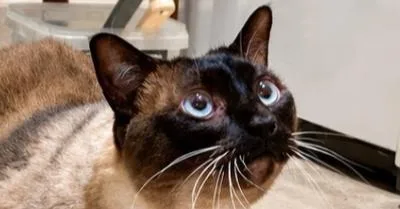
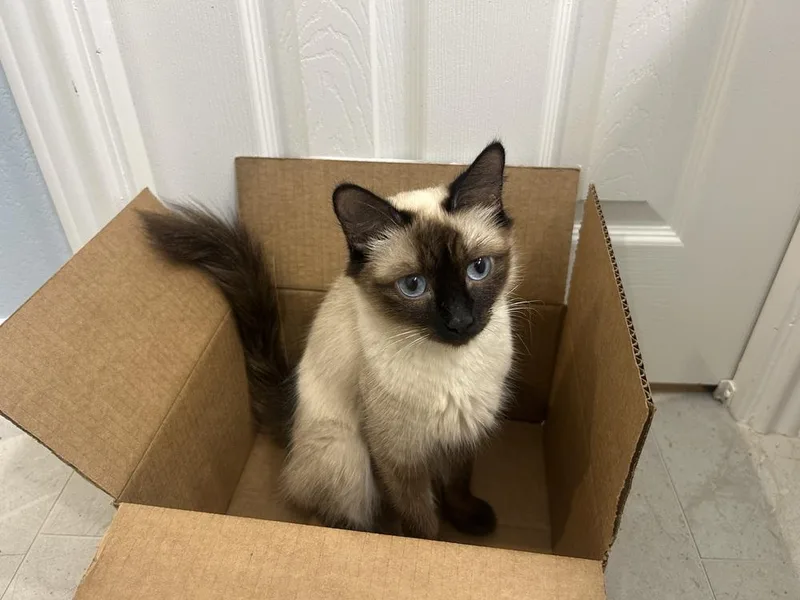
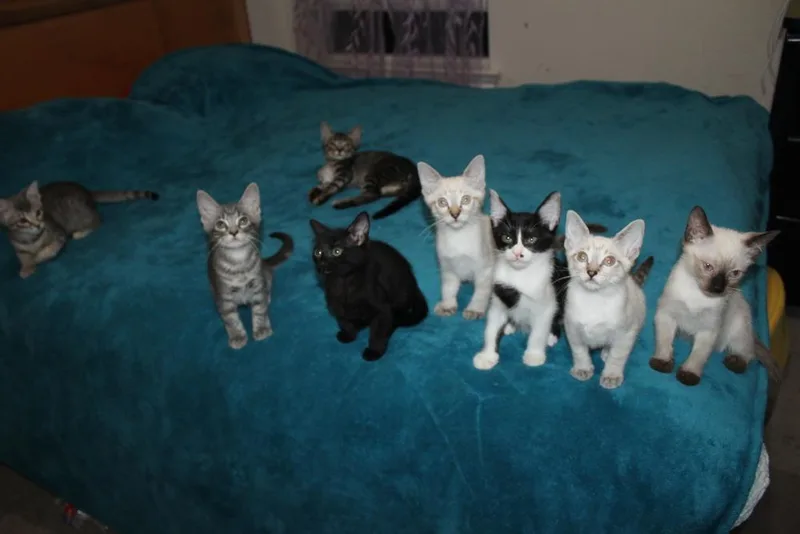
Despite the name, the Balinese has no link to Indonesia. It's essentially a longhaired Siamese, developed in the United States in the 1940s and 1950s and named for the graceful movement of Balinese dancers. Expect a slender body, vivid blue eyes, the colorpoint pattern and a silky, plumed tail. Both a modern, wedge-headed type and a sturdier traditional type exist, so adult cats vary in build.

Many Balinese are bright, social, playful cats that want a say in whatever their people are doing. They're usually quieter than Siamese but still talkative, and many enjoy fetch, puzzle toys and high perches. The single coat has no dense undercoat, so grooming is easy, which is a plus in Honolulu's warm air. Still, these cats need daily interaction and tend to dislike long stretches alone.

Weight
5–10 lbs
Height
8–11 in
Lifespan
12–20 yrs
Temperament
Affectionate, Intelligent, Playful, Vocal
Shedding
Low to Moderate

Owning a Balinese in Honolulu

Having a Balinese in Honolulu

The Balinese pairs Siamese intelligence with a silky, easy-care coat. Company, conversation, active play, vertical space and attention to eye and liver health shape daily life, and a Honolulu home with a sunny window and a tall cat tree covers much of it.

Temperament

Many Balinese bond closely, follow their people from room to room and chat in a softer voice than most Siamese. They're curious, clever and often clownish, and they usually get along with considerate children and pets. Some get clingy or bored when alone, which matters for a household that's out most of the day. Adult cats vary, so watch each cat's own personality.

Exercise Needs

Balinese are typically active, with a taste for climbing, wand toys and even fetch. In a Honolulu apartment, several short play sessions a day, puzzle feeders and a tall cat tree or window shelf do the work a yard would. Rotating toys keeps a bright cat from getting bored, and older cats still enjoy gentle games.

Health Considerations

Siamese-line cats can be prone to progressive retinal atrophy, liver amyloidosis and dental disease, though not every Balinese develops them. Yearly checkups, dental care and prompt attention to vision changes or weight loss help. Schedule a full veterinary exam soon after adopting, and ask the vet about eye screening and flea prevention suited to Oʻahu.

Living Space

A Balinese can do well in a Honolulu high-rise condo or a small house, as long as it has things to do. Cat trees, window perches and shelves give it the vertical room it likes. Indoor living with people around much of the day suits it best, and secure window screens keep a climber safe.

What it costs to own a Balinese in Honolulu

ExpenseTypical costPer year
Food$25 to $50 per month$300 to $600
Pet insurance$25 to $50 per month$300 to $600
Routine vet care$150 to $350 per year$150 to $350
Other*$450 to $1,150 per year$450 to $1,150
Estimated yearly total (after year one)$1,200 to $2,700

Other costs are estimates and vary with size, age and health.

* Litter, flea prevention, a dental cleaning allowance, toys, scratchers and cat trees, and occasional light grooming for the single coat.

Adopt a Balinese in Honolulu.

Now that you know more, let’s find you a new best friend. These rescues and shelters below have cats available in and near Honolulu.

Rescues and Shelters in or near Honolulu

Oʻahu's rescue community includes an open-admission humane society with two campuses, plus smaller no-kill and foster-based groups. Here are the rescues & shelters in the Honolulu area with cats available for adoption, worth asking whether a Balinese is coming in.

Frequently Asked Questions

Yes. Honolulu's cat rules apply to every breed alike: a registered microchip once the cat is 4 months old, plus a collar and ID tag if it goes outdoors. Availability changes, so watch the listings on this page and save a search to hear when a new Balinese or Balinese mix is listed.

Yes, a Balinese adapts well to apartments and condos, since it needs stimulation more than square footage. Give it a tall cat tree, window perches and daily play. On upper floors, keep windows and balcony doors securely screened, because a curious climber can slip out. Read the building's pet policy before you apply, as some associations limit the number of pets.

Often, yes, if someone is home a fair amount. A Balinese's light single coat handles the island's warmth, and its love of climbing suits condo living. The catch is company: a Balinese left alone for long days may get bored and vocal, so plan for daily play and consider a second cat if your schedule is packed.

Yes, with indoor care. Honolulu summers are hot and humid but steady rather than extreme, and a Balinese's light single coat copes better than a plush one. Keep the cat inside with a fan or air conditioning, offer fresh water, shade sunny windows and never leave it in a parked car. Heavy panting or lethargy calls for a vet.

Yes, in a carrier. TheBus allows animals only in a small enclosed container held on your lap or placed under the seat, and Skyline asks for a cage or carrier that fits under the seat or on your lap. At 5 to 10 pounds, most Balinese fit a good carrier. Check current fares with TheBus and Skyline.

Very little. The Balinese has a silky single coat with no dense undercoat, so brushing once a week, or even a few times a month, usually keeps it tidy, and mats are uncommon. Year-round warmth keeps that routine the same in every season. Professional grooming is rarely needed, so it adds only a small allowance to the Other costs.

No, Balinese cats are not hypoallergenic. Claims that they produce less of the main cat allergen, Fel d 1, are widely repeated but not supported by solid research. Their single coat sheds less than many longhaired breeds, which some allergic people find easier. Reactions vary between people and cats, so spend time with the individual cat before adopting.

Balinese is usually pronounced BAH-lih-neez, with the stress on the first syllable, the same way people say the word for something from Bali. Some people say BAL-ih-neez instead, and both are understood. The name was chosen to evoke the grace of Balinese dancers, not because the cats come from Bali.

Balinese cats shed, but usually less than you might expect from a longhaired cat. Their fine, silky coat has no dense undercoat, so it sheds lightly year-round with modest seasonal increases. The coat rarely mats. Brushing or combing once or twice a week removes loose hair and helps reduce hairballs.

A Balinese typically runs about $1,200 to $2,700 a year in Honolulu. Food is $25–$50 a month, insurance $25–$50 a month, routine vet care $150–$350 a year, and other costs such as litter, flea prevention, dental care and supplies add $450–$1,150 a year. There's no cat license fee here; microchipping takes its place.

Explore Other Breeds in Honolulu

Looking for a different breed? Browse other cats available for adoption in Honolulu.