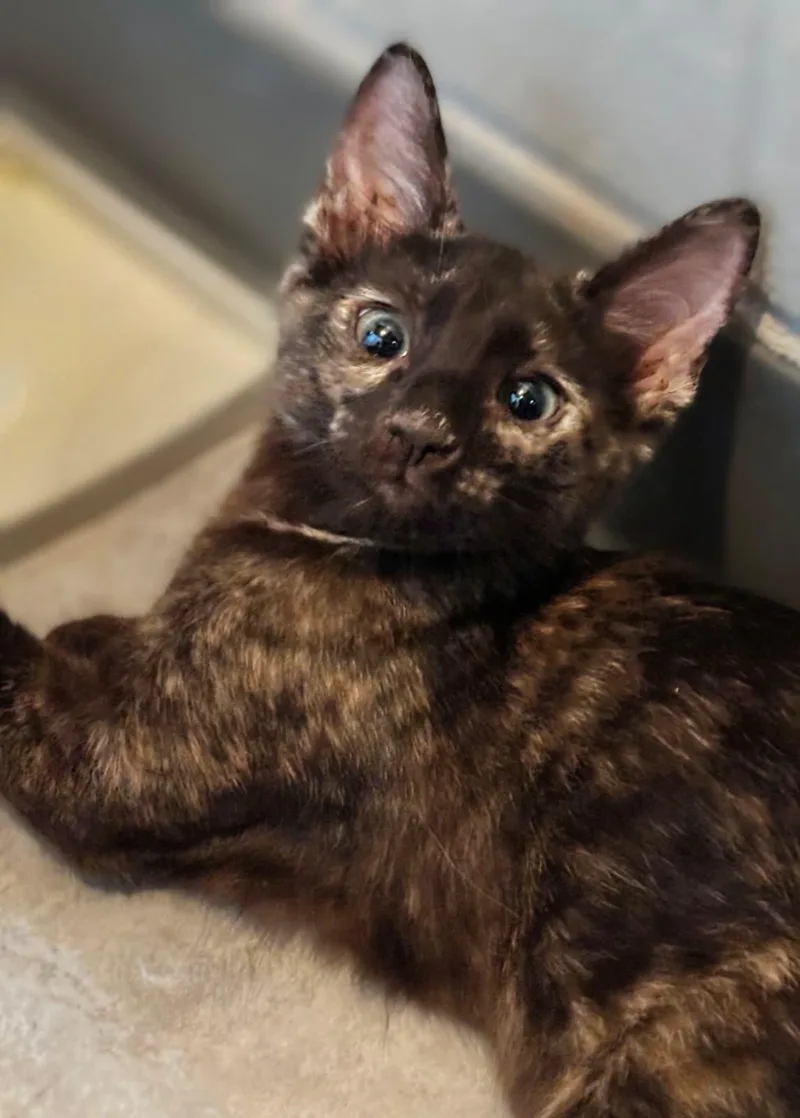
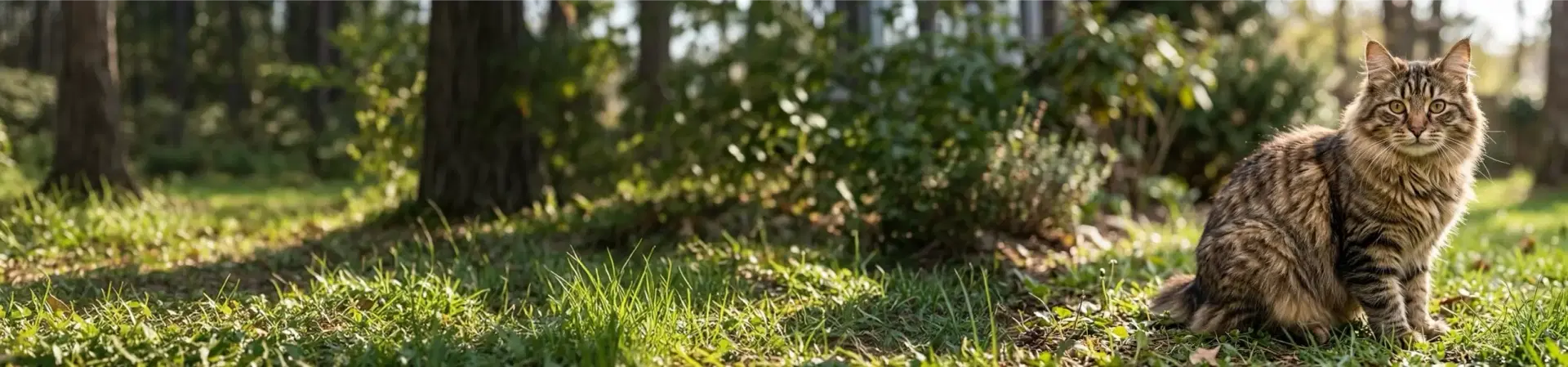
American Bobtail cat

American Bobtail Cats for Adoption in Honolulu, HI

Your guide to finding and caring for an American Bobtail in Honolulu

American Bobtails suit Honolulu's condo and low-rise life, provided they have plenty to climb. In a Salt Lake condo or a Mānoa low-rise, a playful, medium-sized cat can burn off energy on shelves, window perches and puzzle feeders. Many learn to walk on a harness, which works for a quick stroll along a quiet Kaimukī street. They're sociable, so they do best with people home a fair amount, and they'll happily invite you into a game of fetch.

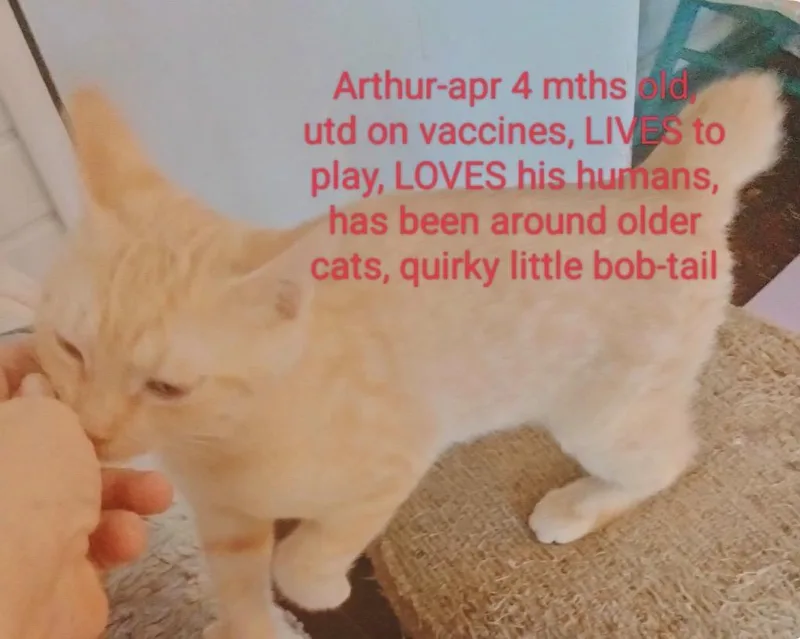
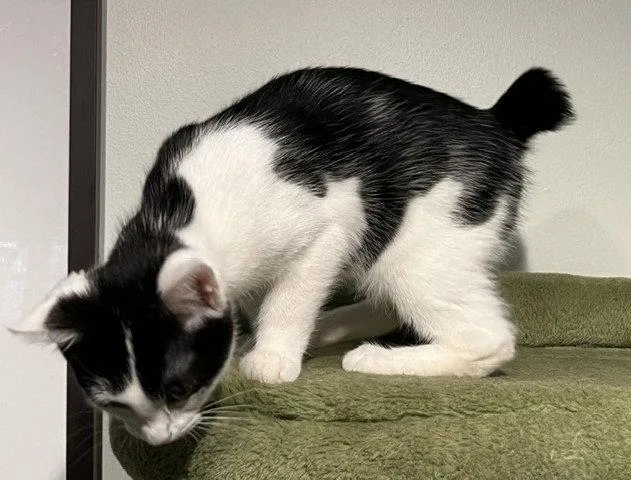
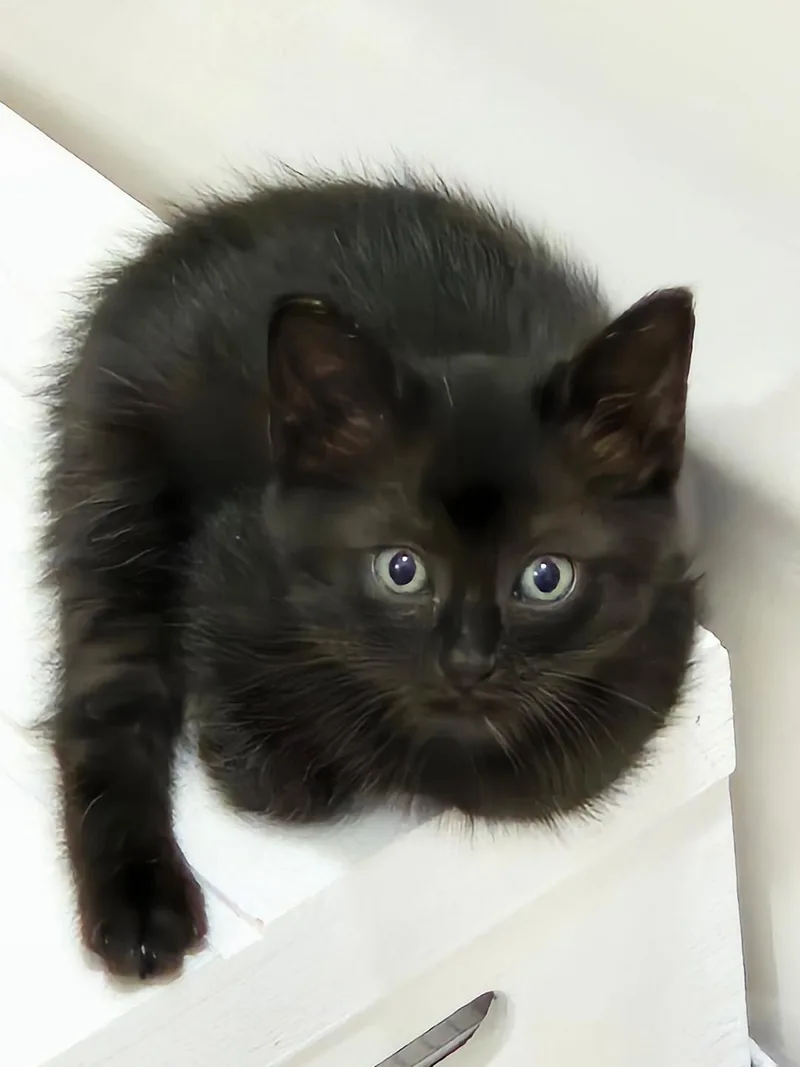
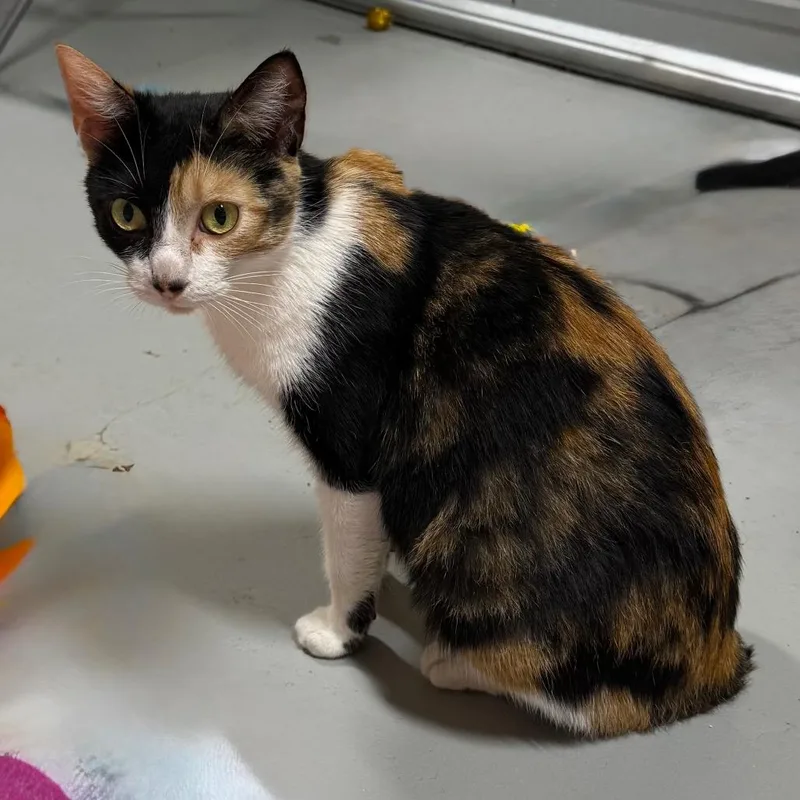
146 American Bobtails available in Honolulu and nationwide

Bring home an American Bobtail

While we don't have enough cats near Honolulu, keep in mind that many rescues may offer transport.

American Bobtails Available for Adoption Near Honolulu

About the American Bobtail breed

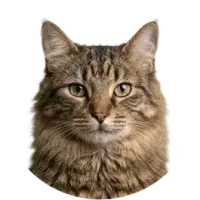
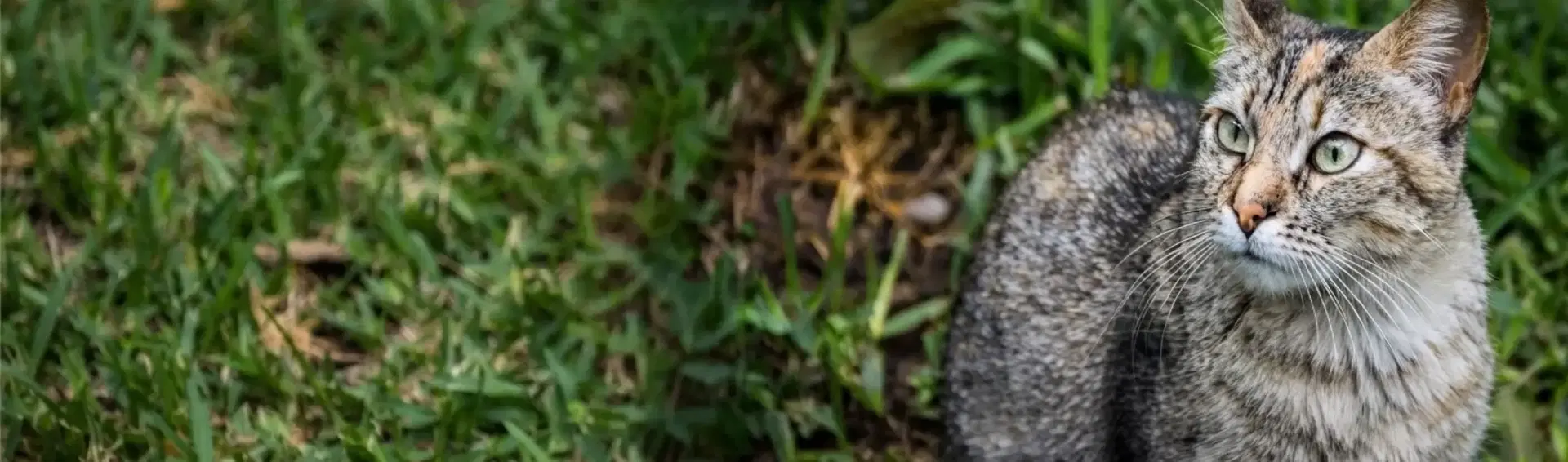
The American Bobtail is a medium, muscular cat with a naturally short tail and a wild-looking build, often in a tabby pattern, though the coat can be short or medium-long in almost any color. Weights usually fall between 7 and 16 pounds, with males larger, and the cat matures slowly over two to three years.

In Honolulu, where so many homes are condos and low-rises, the breed's adaptability counts for a lot. Bobtails are clever and playful, often described as dog-like for fetching and harness walking, and most are fairly quiet. Plan on weekly brushing, more for longhaired cats, daily interactive play and a veterinarian who knows about the short-tail gene. Breed tendencies vary, so spend time with a cat before deciding.

Weight
7–16 lbs
Height
9–12 in
Lifespan
11–15 yrs
Temperament
Playful, Affectionate, Adaptable, Intelligent
Shedding
Moderate

Owning an American Bobtail in Honolulu

Having an American Bobtail in Honolulu

In Honolulu, an American Bobtail's sturdy build, love of climbing and slow maturity matter more than its famous short tail. Vertical space, regular play and an indoor routine suit the island's condos and low-rises, and the steady warmth shapes care more than any season.

Temperament

American Bobtails are typically affectionate and curious, often following family members from room to room and joining in games. That sociable streak suits busy Honolulu households with visitors, children or a calm dog, though many dislike long days alone. Cats differ, so notice how a particular Bobtail reacts to handling, noise and new people.

Exercise Needs

Plan on several short play sessions a day: wand toys, fetch, puzzle feeders and a tall cat tree by a window. Many Bobtails also learn harness walking, handy for a quiet residential street or a screened lanai. Choose early morning or evening outings, since sunny pavement stays hot well into the afternoon.

Health Considerations

American Bobtails are generally sturdy, but the short-tail gene can occasionally affect the spine or hips, so watch for stiffness, tail pain or litter box changes and mention them to a veterinarian. Fleas stay active year-round in Honolulu's warmth, so steady prevention, dental care and yearly exams matter.

Living Space

A Bobtail does well in a typical Honolulu condo or low-rise if it has vertical space, scratching posts and window perches. Secure screens on lanais and windows matter, since this athletic cat can leap and may be tempted by birds outside. Indoor living, with a catio or harness walks, is safest.

What it costs to own an American Bobtail in Honolulu

ExpenseTypical costPer year
Food$25 to $50 per month$300 to $600
Pet insurance$25 to $50 per month$300 to $600
Routine vet care$150 to $350 per year$150 to $350
Other*$450 to $1,250 per year$450 to $1,250
Estimated yearly total (after year one)$1,200 to $2,800

Other costs are estimates and vary with size, age and health.

* Litter, flea prevention, a dental cleaning allowance, toys, a harness and other supplies, and home brushing, with more for longhaired cats.

American Bobtail cat

Adopt an American Bobtail in Honolulu.

Now that you know more, let’s find you a new best friend. These rescues and shelters below have cats available in and near Honolulu.

Rescues and Shelters in or near Honolulu

Oʻahu's shelters and rescues care for cats of every age and type, and listings change often. Here are the rescues & shelters in the Honolulu area with cats available for adoption, worth asking whether an American Bobtail is coming in.

Frequently Asked Questions

Yes, you can own an American Bobtail in Honolulu, and no breed-specific rules are known to apply to cats. The main requirements are a registered microchip for cats 4 months and older, since Honolulu uses microchips rather than licenses, plus an ID collar and sterilization for cats that go outdoors. Keeping a Bobtail indoors keeps things simple.

Yes, an American Bobtail can live happily in a Honolulu apartment. Provide a tall cat tree, window perches, scratching posts and daily play, and confirm the lease allows cats and spells out any pet deposit. If you have a lanai, make sure the screens are secure, since this athletic cat can jump and may chase birds.

It can be, especially for people who are home a fair amount and enjoy playing with their cat. Bobtails are social and adapt well to condos, and Honolulu's mild weather needs little seasonal adjustment. They are a weaker match for households away all day or without room for climbing, since a bored Bobtail may get into mischief.

Yes, American Bobtails generally handle Honolulu summers well indoors. Highs near 88°F and warm, humid nights call for fresh water in several spots, fans or air conditioning, and play during cooler mornings or evenings. Longhaired cats may need more brushing to stay comfortable. Never leave any cat in a parked car, where heat builds fast.

Yes, but only in a closed carrier. TheBus allows pets only in a small enclosed container on your lap or under the seat, and Skyline requires a carrier that fits under the seat or on your lap. A grown Bobtail can reach 16 pounds, so choose a carrier it fits in comfortably and practice at home first.

Plan on weekly brushing for shorthaired Bobtails and two or three sessions a week for longhaired ones, whose medium-long coats are slightly shaggy. Honolulu's warm weather doesn't call for trims, but regular brushing keeps loose hair down. Home brushing is covered in the Other cost line, so professional grooming is optional.

A bobbed tail is a short tail, either naturally short from birth or, in some dogs, shortened by docking. In cats, natural bobtails come from several different gene mutations found in breeds like the American Bobtail, Japanese Bobtail and Manx. The tail may be straight, curved or kinked and is usually fully mobile and expressive despite its length.

A bobtail cat is any cat with a naturally short tail, from a stub to roughly half normal length. The term covers several breeds, including the American Bobtail, Japanese Bobtail, Kurilian Bobtail and Pixie-Bob, each with its own gene, as well as domestic cats born with short or kinked tails. Shelters often list these cats simply as bobtails.

Yes, American Bobtail cats are fairly rare. They are a small pedigreed breed with relatively few registrations each year, and purebreds seldom appear in shelters. Many short-tailed cats in adoption listings are domestic cats with natural bobtails rather than registered American Bobtails, and they can make equally wonderful companions with a similar playful look.

Expect about $25 to $50 a month for good-quality food and $25 to $50 a month for accident-and-illness insurance. Routine vet care runs roughly $150 to $350 a year, and other costs such as litter, flea prevention, dental care and supplies add $450 to $1,250 a year. Together that is roughly $1,200 to $2,800 a year, with no pet license fee.

Explore Other Breeds in Honolulu

Looking for a different breed? Browse other cats available for adoption in Honolulu.