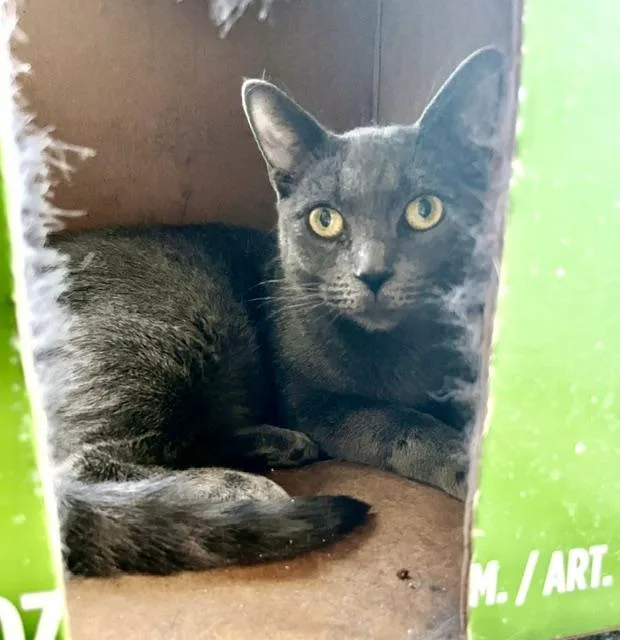
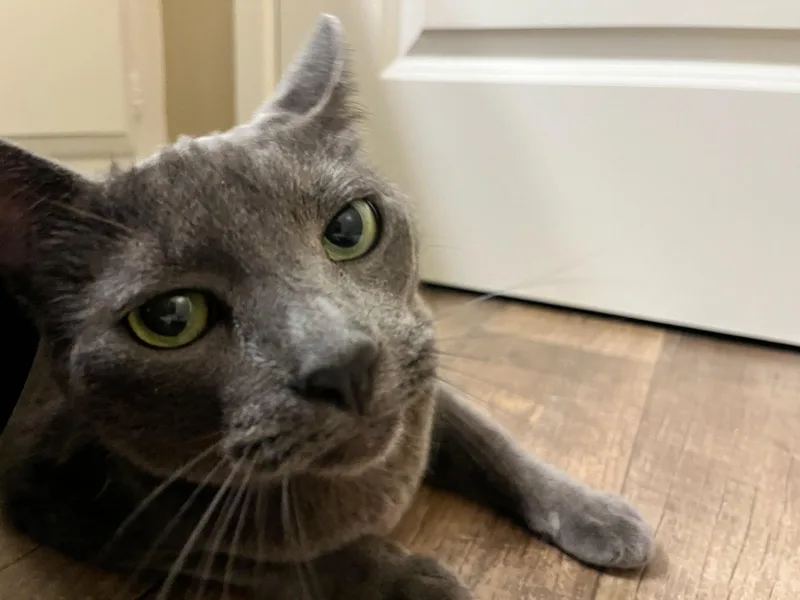
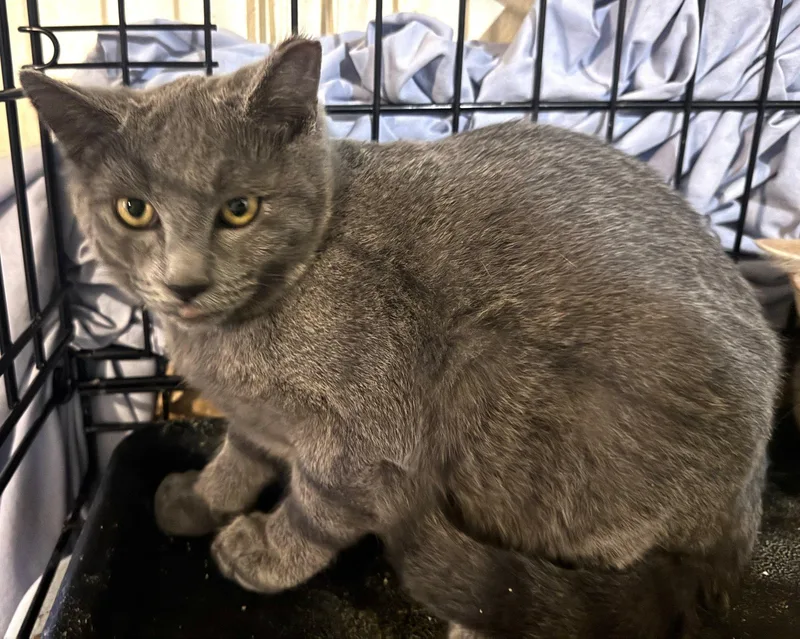
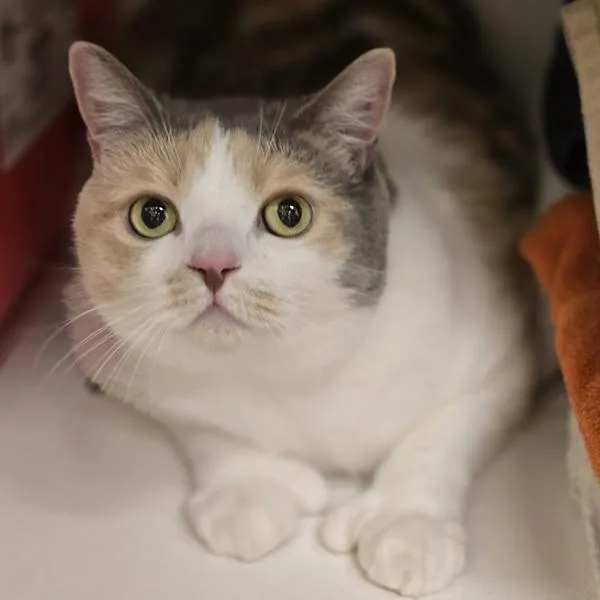
Korat Cats for Adoption in Rock Spring, GA

Your guide to finding and caring for a Korat in Rock Spring

824 cats similar to Korat available in Rock Spring and nationwide

Open your home to a Korat

While we don't have enough cats near Rock Spring, keep in mind that many rescues may offer transport.

Korats and Similar Breeds Available for Adoption Near Rock Spring

About the Korat breed

One of the oldest documented cat breeds, the Korat comes from Thailand, where it appears in the centuries-old Tamra Maew manuscript of cat poems and is known as a good luck cat, traditionally given in pairs to newlyweds. The breed reached the United States in 1959 and is still uncommon. Every Korat is the same color: a silver-tipped blue coat with a shimmering halo, set off by a heart-shaped face and large green eyes that develop slowly from amber.

Korats are medium-sized but surprisingly muscular, with a short single coat that sheds lightly. Many are intelligent, energetic and closely bonded to their people, and they often expect to be involved in everything. They can be vocal and sometimes possessive of their favorite humans or toys, so they suit households that enjoy an engaged, interactive cat.

Weight
6–10 lbs
Height
9–11 in
Lifespan
12–16 yrs
Temperament
Affectionate, Intelligent, Playful
Shedding
Low

Owning a Korat in Rock Spring

Having a Korat in Rock Spring

Korats combine a sleek, silver-blue look with a bright, attention-loving personality. Their strong bonds with people, lively minds and minimal coat care shape daily life, while their rarity means patience helps when looking to adopt one.

Temperament

Korats tend to be affectionate, smart and people-focused, often following their owners and wanting a role in every activity. Many communicate with a range of sounds. Some can be possessive of their humans or toys and may take time to accept other cats. They are often sensitive to sudden loud noises, so a calmer home may suit them.

Exercise Needs

Korats are usually active and playful, enjoying chase games, wand toys, climbing and learning tricks such as fetch. Daily interactive play helps burn energy and strengthens their bond with people. Puzzle feeders and rotating toys provide mental stimulation, which matters for such an intelligent breed, especially when kept indoors.

Health Considerations

Korats are generally healthy, but the breed can carry gangliosidosis GM1 and GM2, rare inherited nervous system disorders that DNA tests can detect. Like all cats, they benefit from dental care and a healthy weight. Ask a veterinarian about genetic testing and schedule regular veterinary checkups to catch problems early.

Living Space

Korats adapt well to apartments or houses as long as they get attention and play. Vertical spaces such as cat trees and window perches give them room to climb. Their short single coat offers little insulation, so a comfortable indoor temperature matters. Indoor living keeps these trusting, people-oriented cats safest.

What it costs to own a Korat

ExpenseTypical costPer year
Food$25 to $50 per month$300 to $600
Pet insurance$25 to $50 per month$300 to $600
Routine vet care$150 to $350 per year$150 to $350
Other*$450 to $1,150 per year$450 to $1,150
Estimated yearly total (after year one)$1,200 to $2,700

Other costs are national averages for Korats; we don't have costs specific to Rock Spring yet.

* Litter, flea prevention, a dental cleaning allowance, toys and supplies, and light brushing at home.

Adopt a Korat in Rock Spring.

Now that you know more, let’s find you a new best friend. These rescues and shelters below currently have Korats available.

Rescues in Rock Spring with Korats Available

Here are the rescues & shelters in the Rock Spring area where you can find Korats and other cats available for adoption.

Frequently Asked Questions

Yes, Korat cats are rare, even in their native Thailand. Only a small number of catteries and registrations exist in the United States, and purebred Korats seldom appear in shelters. Many gray cats labeled Korat-like are domestic shorthairs or Russian Blue mixes. Breed-specific and pedigreed-cat rescues occasionally list Korats for adoption.

You can confirm a Korat only through pedigree papers or a breed-identification DNA test. Typical signs include a silver-tipped blue coat with a shimmering sheen, a heart-shaped face, large rounded-tip ears and green eyes in adults. Korats never have white spots. Many similar-looking gray cats are domestic shorthairs, which make equally lovely companions.

A Korat is a medium-sized natural breed from Thailand with a silver-tipped blue coat, a heart-shaped face and green eyes. Long considered a good luck cat in Thailand, it was introduced to the United States in 1959. Korats are typically affectionate, intelligent and playful, and they form strong bonds with their people.

No, Korat cats are not hypoallergenic. Their short single coat sheds less than many breeds, which may mean less loose hair around the home, but cat allergies come mainly from proteins in saliva and skin, not fur length. Some allergy sufferers react less to certain individual cats, so spend time with a Korat before adopting.

Korat cats typically live about 12 to 16 years, and many reach their late teens with good care. As a natural breed, they are generally healthy. Indoor living, a balanced diet, a healthy weight, dental care and regular veterinary visits all help them enjoy long lives, though lifespan always varies by individual.

Korat cats are not typically aggressive. Most are affectionate and gentle with their families. Some can be possessive of their people or toys and may hiss at unfamiliar cats, especially during introductions. Slow, careful introductions and plenty of attention help. Any cat may react defensively if frightened, in pain or poorly socialized.

Korat cats shed, but lightly. Their short, glossy single coat lacks a dense undercoat, so they drop less hair than many breeds. Weekly brushing or wiping with a damp cloth or rubber glove removes loose hairs and keeps the coat shiny. Shedding may increase slightly during seasonal changes.

Korat is pronounced koh-RAHT, with the emphasis on the second syllable. The name comes from Korat, the common name for Nakhon Ratchasima Province in northeastern Thailand, where the breed is believed to have originated. In Thailand the cat is also called Si-Sawat, a name that refers to its distinctive coloring.

Korat cats eat the same complete, balanced commercial cat food as other cats, either wet, dry or a mix. As obligate carnivores, they need animal protein. Their muscular build means they can look slim yet weigh more than expected, so measured portions help maintain healthy weight. Ask a veterinarian for advice on special diets or weight goals.

We have 1 rescue with Korats available: Big Bear Rescue & TNR Inc.. You can see every rescue with Korats available in the list above these questions.

Explore Other Breeds in Rock Spring

Looking for a different breed? Browse other cats available for adoption in Rock Spring.