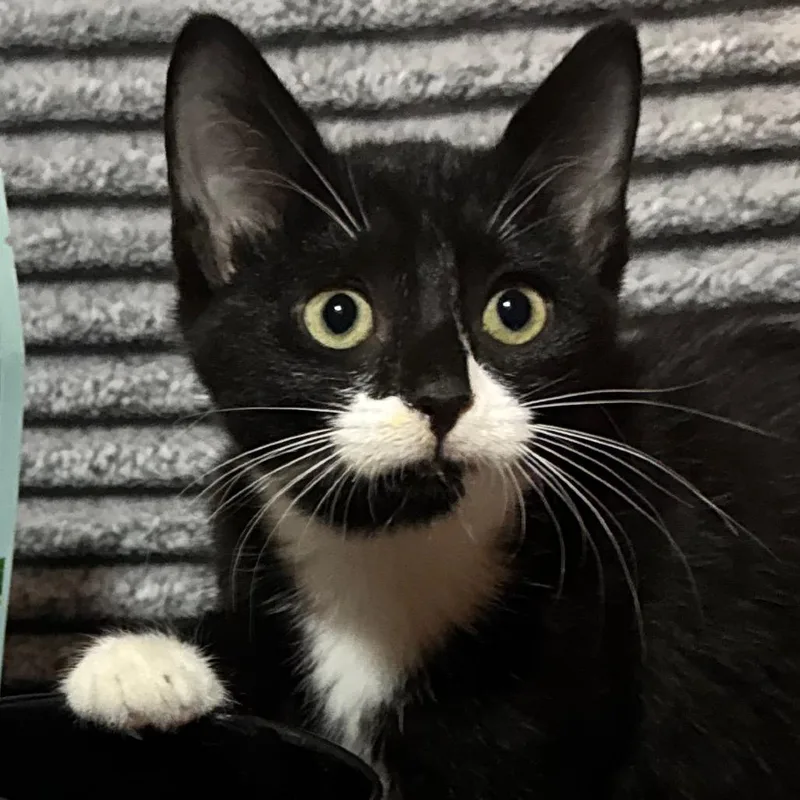
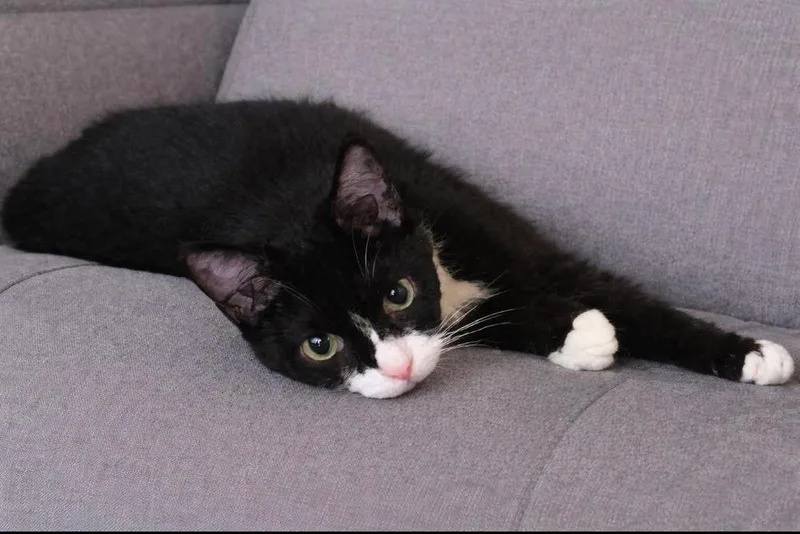
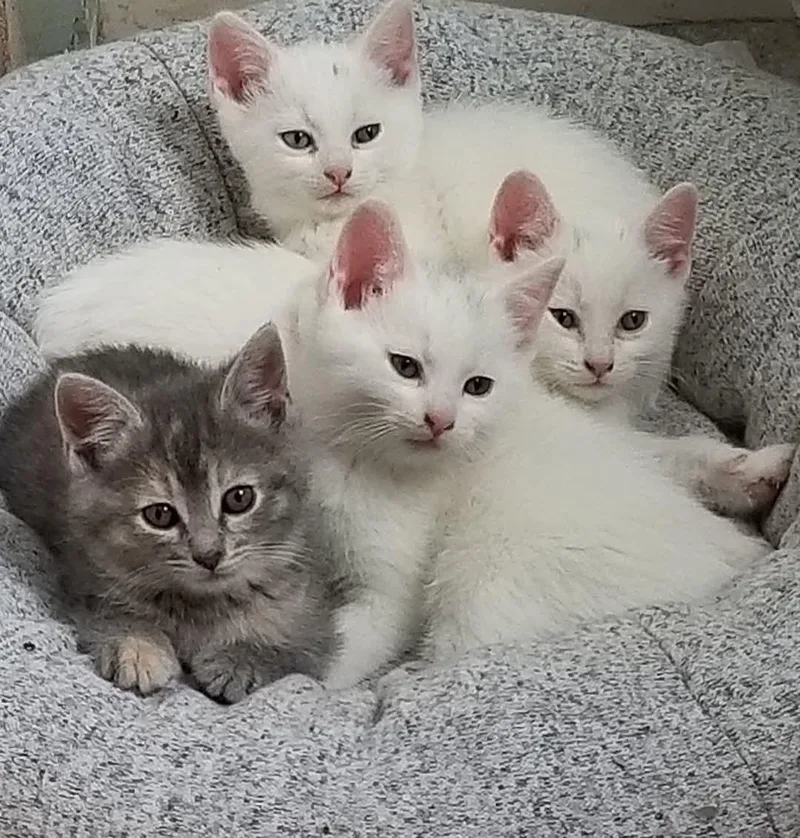
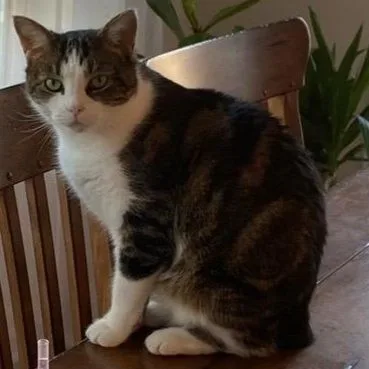
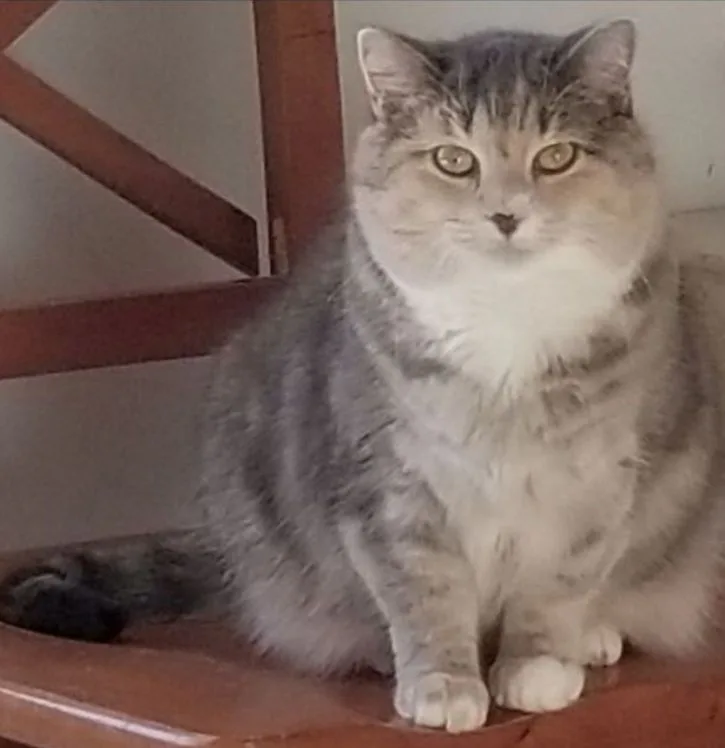
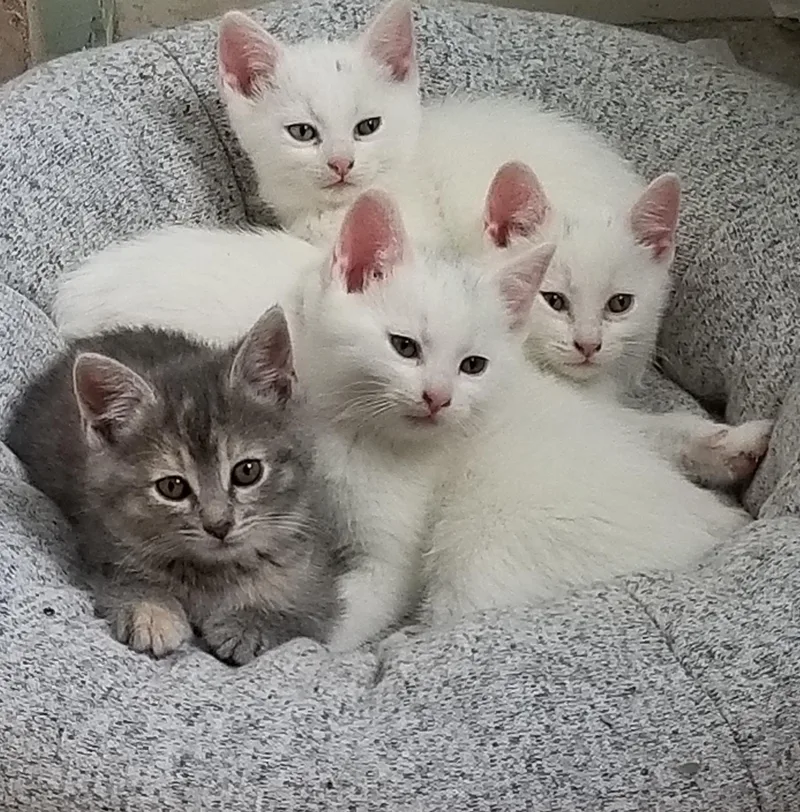
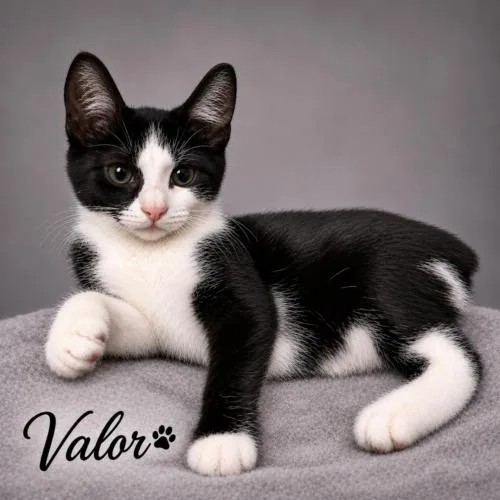
The Manx comes from the Isle of Man, where a natural mutation spread through the island's cats over centuries and produced one of the oldest recognized breeds. The missing tail gets the attention, but tail length runs from none to full, even within one litter. Underneath, the cat is round and solid, with a short back, hind legs longer than the front, a rounded rump and a thick double coat in many colors.
Many Manx are gentle, devoted and playful in bursts. They often follow their people around, and some will fetch a toy. They talk in soft trills rather than loud meows. The tailless gene can cause spinal, bowel and bladder problems known as Manx syndrome, usually visible in kittenhood, so a veterinary checkup soon after adoption matters. Shedding is moderate, and weekly brushing covers most shorthairs.