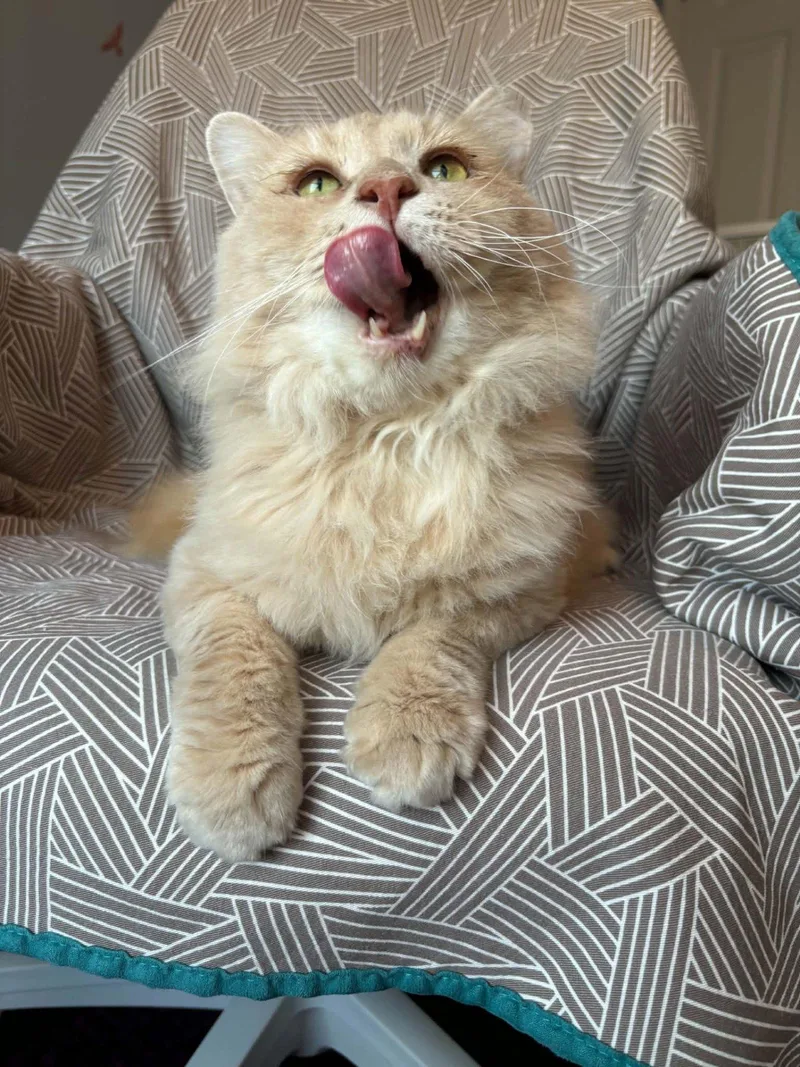
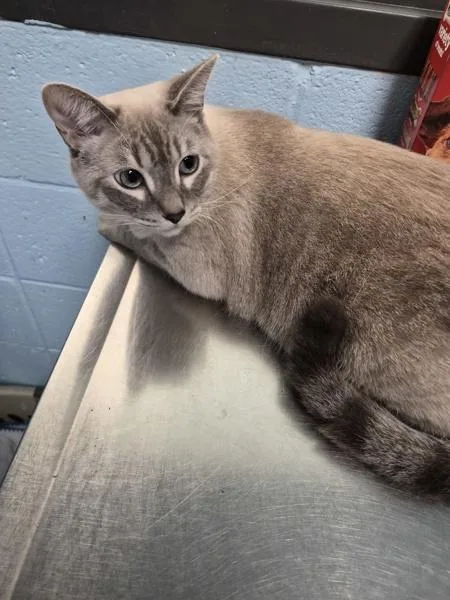
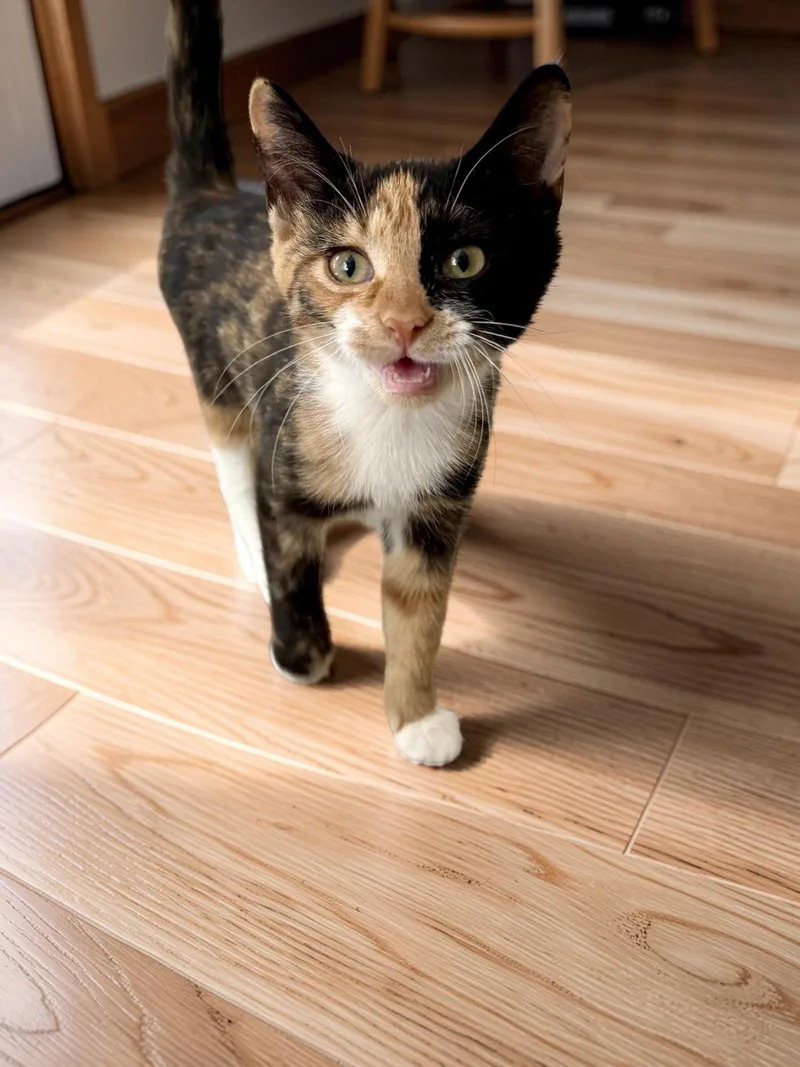
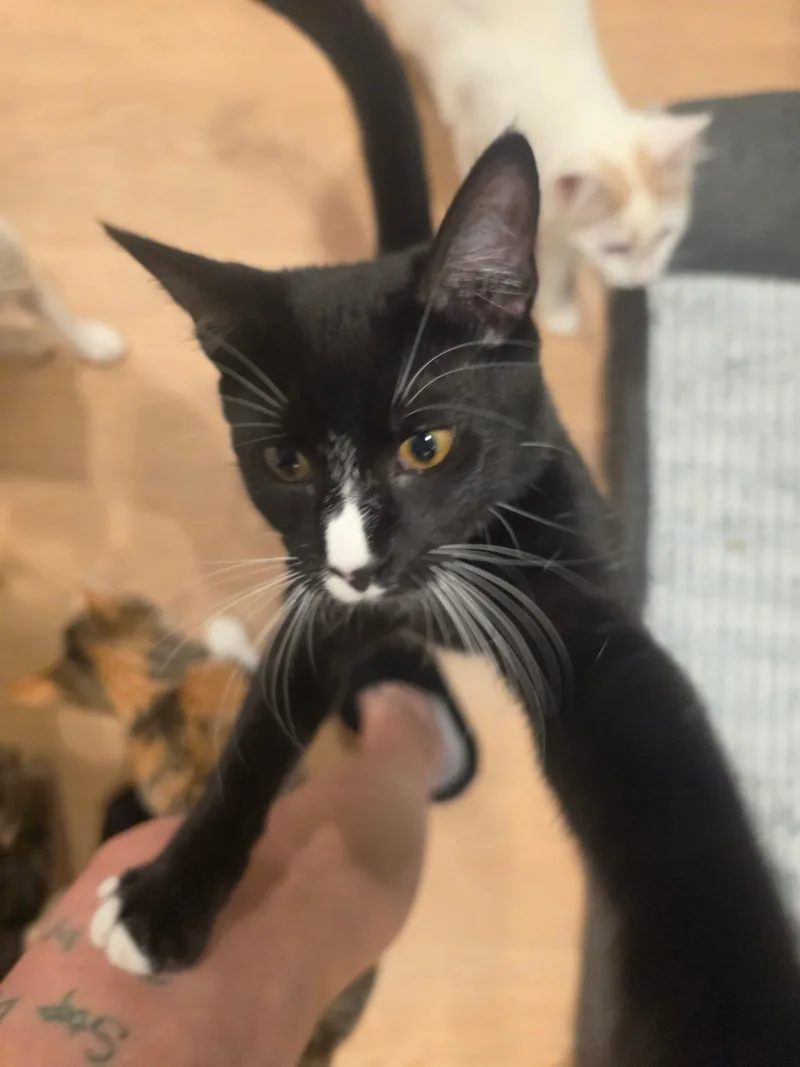
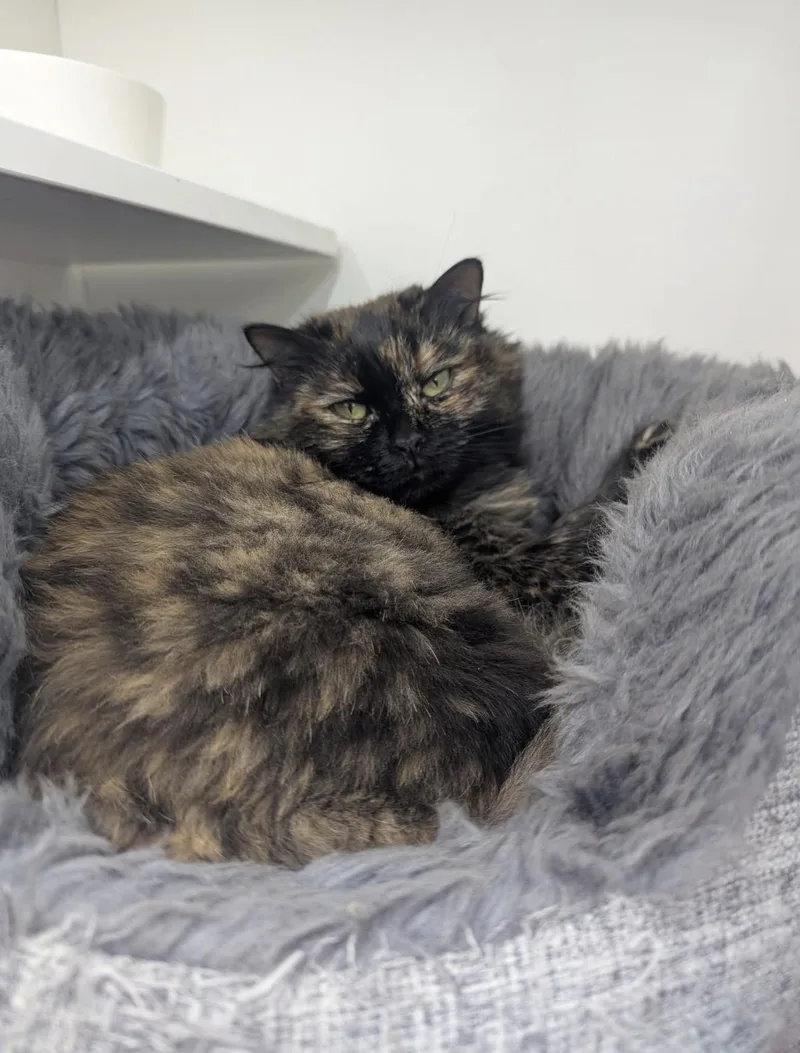
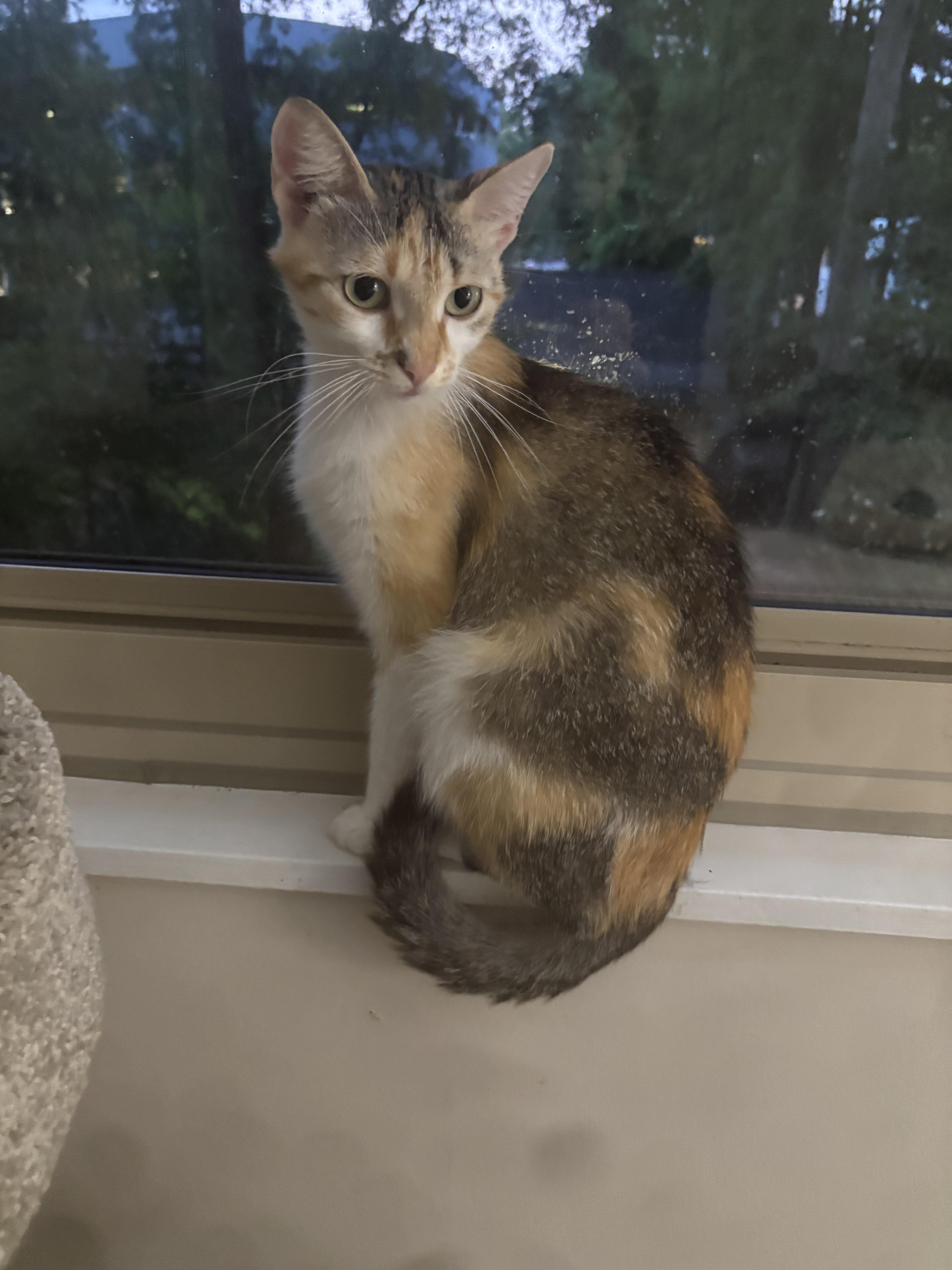
Turkish Angora Cats for Adoption in Lawrenceville, GA

Your guide to finding and caring for a Turkish Angora in Lawrenceville

A Turkish Angora suits Lawrenceville apartment life, as long as it has something tall to climb. These cats are clever and active, so a one-bedroom near the Lawn or the historic square works well with a cat tree by a window and a few play sessions a day. Angoras like to follow their person from room to room, which suits anyone who works from home. A perch above a downtown street will keep one busy for hours.

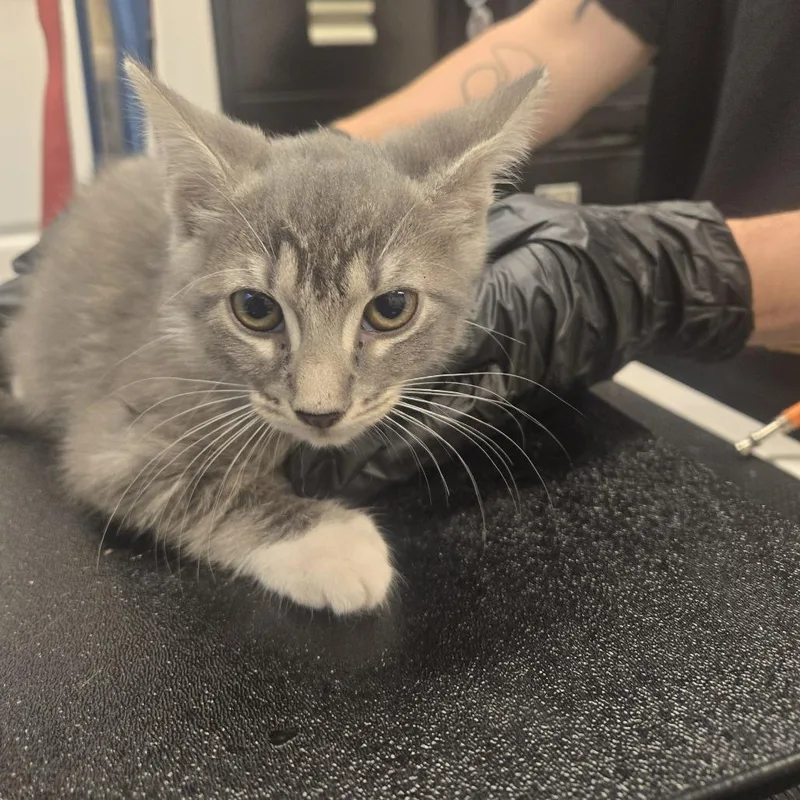
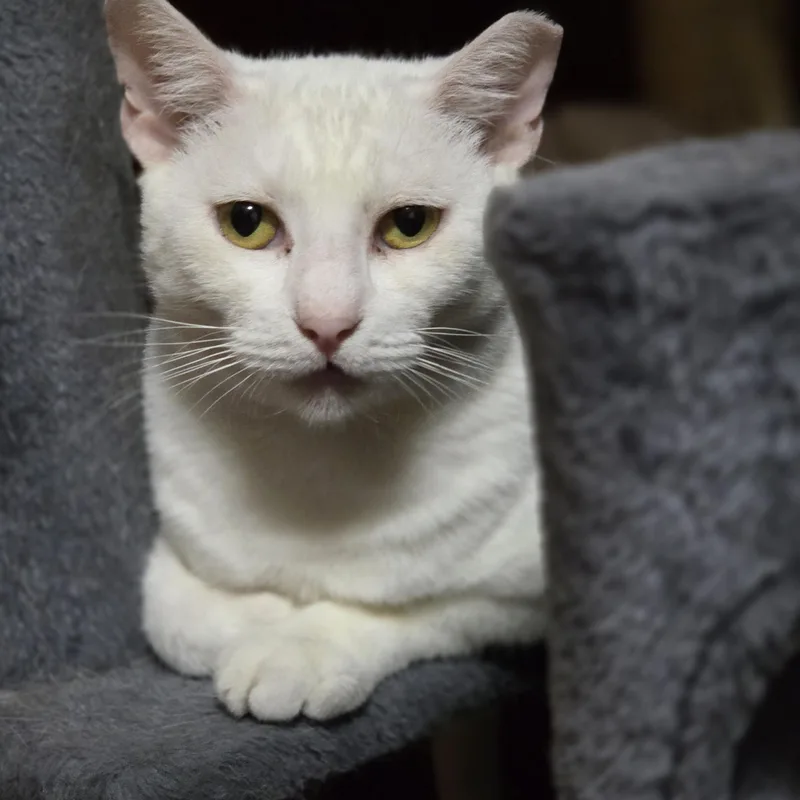
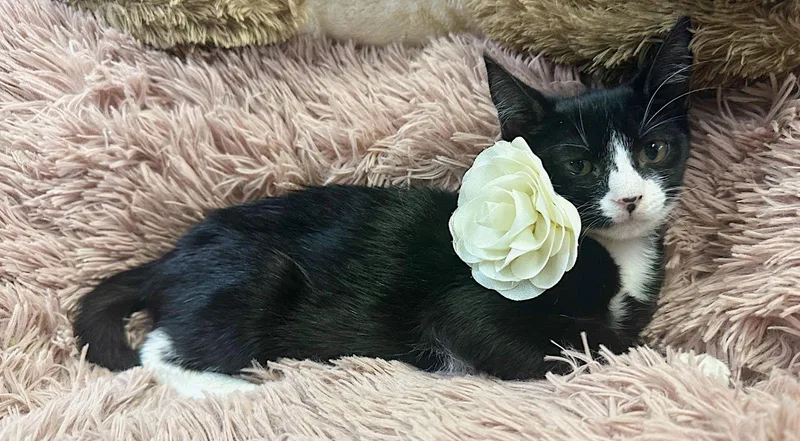
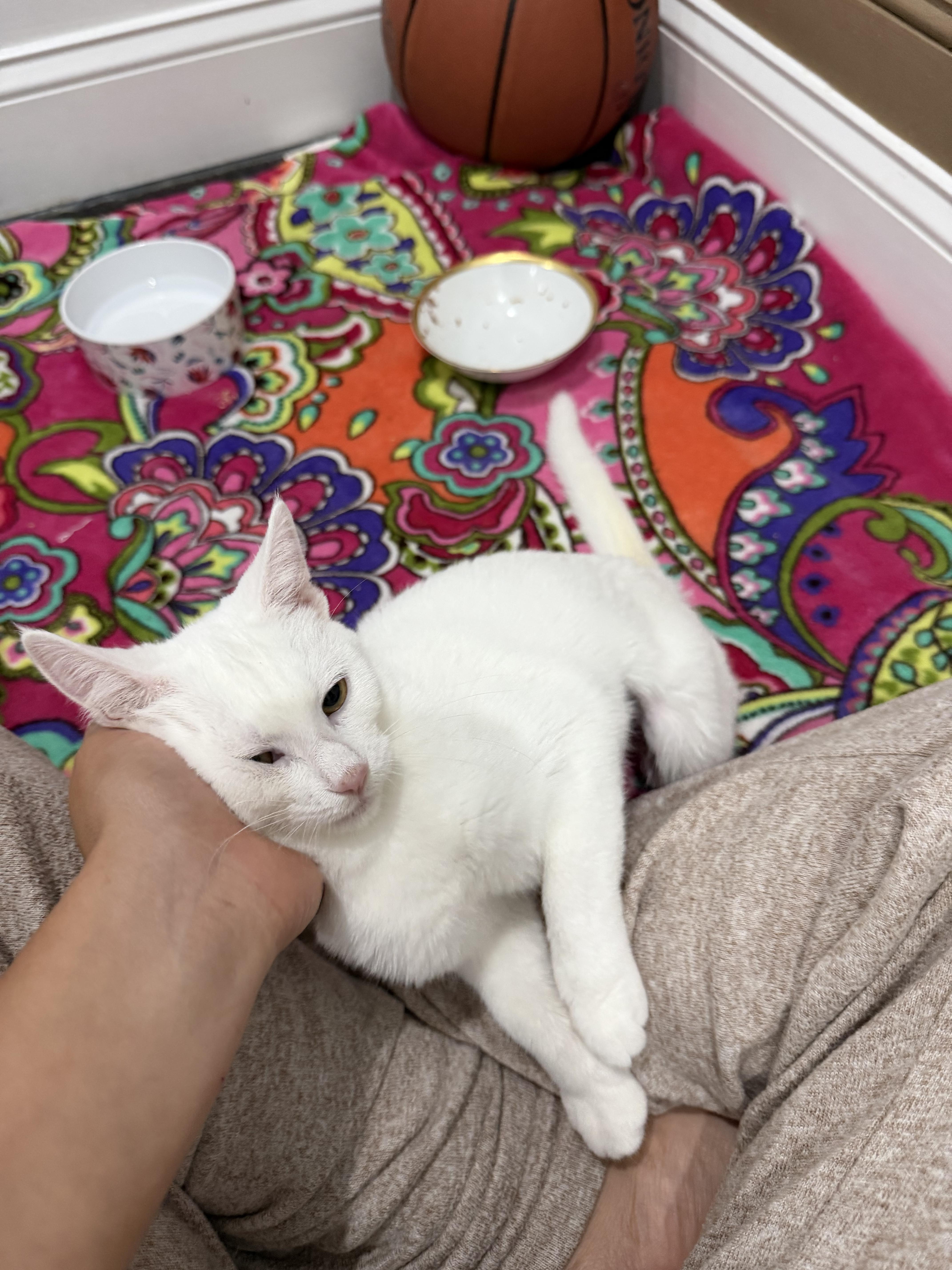
50 Turkish Angoras available in Lawrenceville and nationwide

Your Turkish Angora is waiting

While we don't have enough cats near Lawrenceville, keep in mind that many rescues may offer transport.

Turkish Angoras Available for Adoption Near Lawrenceville

About the Turkish Angora breed

The Turkish Angora is a natural longhair from the Ankara region of Turkey, documented in Europe by the 1600s. It nearly disappeared in the West after being crossed with Persians, and the type was kept going partly through white cats at the Ankara Zoo. Today the breed comes in nearly every color, with a slim, long-legged body, big upright ears and a silky coat that ends in a plumed tail.

Angoras are typically athletic, clever and attached to their people, often choosing one favorite person. In Lawrenceville, that means a home with climbing space and daily play, whether it's a townhome or an apartment. The single-layer coat rarely mats, though shedding picks up in spring. Cats vary, so spend time with the one you're considering.

Weight
6–12 lbs
Height
9–11 in
Lifespan
12–16 yrs
Temperament
Active, Affectionate, Intelligent, Playful
Shedding
Moderate

Owning a Turkish Angora in Lawrenceville

Having a Turkish Angora in Lawrenceville

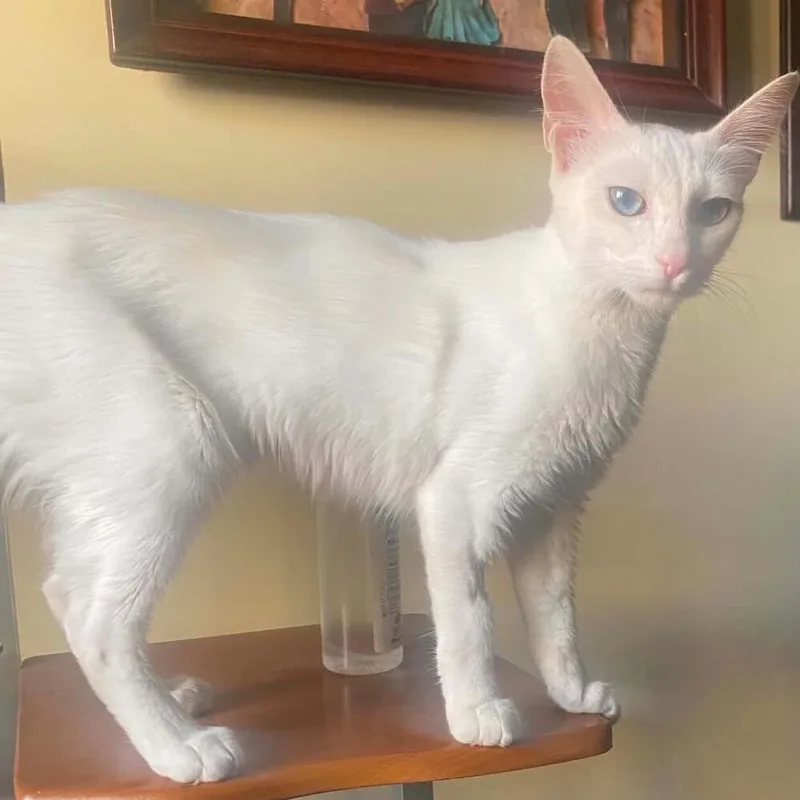
Turkish Angoras are fine-boned, busy cats with silky single coats. In Lawrenceville, their need for climbing space, daily play and a steady routine matters more than the size of the home, and white cats with blue eyes carry a higher risk of deafness.

Temperament

Many Turkish Angoras are sociable and happiest near their person, often following them from room to room. They can be thrown by changes in routine, which is worth remembering if you move often. A calm, predictable household suits them well, and some get along with polite dogs and children after slow introductions.

Exercise Needs

Plan on several play sessions a day with wand toys, fetch and food puzzles. In Lawrenceville, most of that exercise happens indoors, so a tall cat tree by a window and shelves to climb matter. Rotating toys keeps a clever Angora from inventing its own games, like opening cabinets.

Health Considerations

Turkish Angoras are generally healthy, but white cats, especially blue-eyed or odd-eyed ones, can be born deaf. Heart disease (HCM) has been reported in adults. A veterinarian can check hearing and heart health after adoption, and regular checkups, dental care and weight monitoring help catch problems early.

Living Space

Vertical space matters more than square footage, so a one-bedroom near downtown can work with cat trees and wall shelves. Secure window screens and balcony doors, especially on upper floors. Deaf cats should stay strictly indoors. Many Angoras prefer a household where someone is home for much of the day.

What it costs to own a Turkish Angora in Lawrenceville

ExpenseTypical costPer year
Adoption fee$300, one time$300 in year one
Food$25 to $50 per month$300 to $600
Pet insurance$25 to $50 per month$300 to $600
Routine vet care$150 to $350 per year$150 to $350
Other*$500 to $1,250 per year$500 to $1,250
Estimated yearly total (after year one)$1,250 to $2,800
First-year total (with adoption fee)$1,550 to $3,100

Adoption fee is the fee on Turkish Angora listings in Lawrenceville on GetBuddy today. Other costs are estimates and vary with size, age and health.

* Litter, flea prevention, a dental cleaning allowance, toys and supplies, and combing tools or occasional grooming for the long silky coat.

Adopt a Turkish Angora in Lawrenceville.

Now that you know more, let’s find you a new best friend. These rescues and shelters below currently have Turkish Angoras available.

Rescues in Lawrenceville with Turkish Angoras Available

Lawrenceville's adoption community includes a county animal welfare center and foster-based rescues, all listed below with their current cats. Here are the rescues & shelters in the Lawrenceville area where you can find Turkish Angoras and other cats available for adoption.

Frequently Asked Questions

Yes. Lawrenceville follows Gwinnett County's animal code, and the city's only breed-specific rule covers certain dog breeds, not cats. Your Turkish Angora needs a current rabies vaccination and a metal rabies tag, even if it stays indoors. If you rent, get your landlord's pet terms in writing before you sign the lease.

Yes, usually. Many Lawrenceville homes are rentals, and Angoras adapt well to apartments when they have vertical space: a tall cat tree, wall shelves and a window to watch. Plan on daily play, secure window screens and a written pet policy from your landlord. Because Angoras follow their people around, they do best when someone is home often.

It can be, if you can offer daily play and a steady routine. Angoras are active, clever and attached to their people, which suits someone who's home often, whether in a downtown apartment or a house. Keep your cat indoors and be ready for hot summers. Cats vary, so spend time with a particular cat before deciding.

Yes, indoors with air conditioning. July and August highs sit near 89°F with warm nights, and 100°F days are rare. The single silky coat gets shorter in summer, but keep rooms cool, water fresh and sunny windows shaded. Heavy panting or lethargy needs a vet right away, and never leave a cat in a parked car.

Only in a carrier. Ride Gwinnett buses don't permit companion pets unless they're in a suitable carrier that fits under the seat, and it can't take a seat or block the aisle. Service animals ride too, and there's no rail in Lawrenceville. A sturdy, ventilated carrier your Angora has practiced in makes trips easier.

No, plan to leave your cat at home. Georgia's rule lets restaurants choose to allow pet dogs in outdoor dining areas under written procedures, and only service dogs go inside. The rule covers dogs, not cats. An Angora is happier with a quiet room, a window perch and a play session waiting at home.

Comb a couple of times a week, and more often in spring when shedding picks up. The silky single coat resists matting and gets shorter in Lawrenceville's hot summers, so professional grooming is rarely necessary. Keep up nail trims and dental care. Combing tools and occasional touch-ups fall within the yearly Other costs listed on this page.

You can often identify a Turkish Angora by its fine-boned, elegant body, long legs, large upright ears set high on a wedge-shaped head, almond eyes and a silky single coat ending in a long plumed tail. Many are white, but other colors exist. Looks alone cannot confirm ancestry, so a long-haired rescue cat may resemble the breed without being purebred.

We have 1 rescue with Turkish Angoras available: Angel Paws, Inc.. You can see every rescue with Turkish Angoras available in the list above these questions, or scroll to the top to see the Turkish Angoras near Lawrenceville.

Plan on about $25–$50 a month for food, $25–$50 a month for insurance, $150–$350 a year for routine vet care, and $500–$1,250 a year for everything else, including litter, flea prevention, dental care, supplies and coat combing. Your total will depend on the cat's age and health.