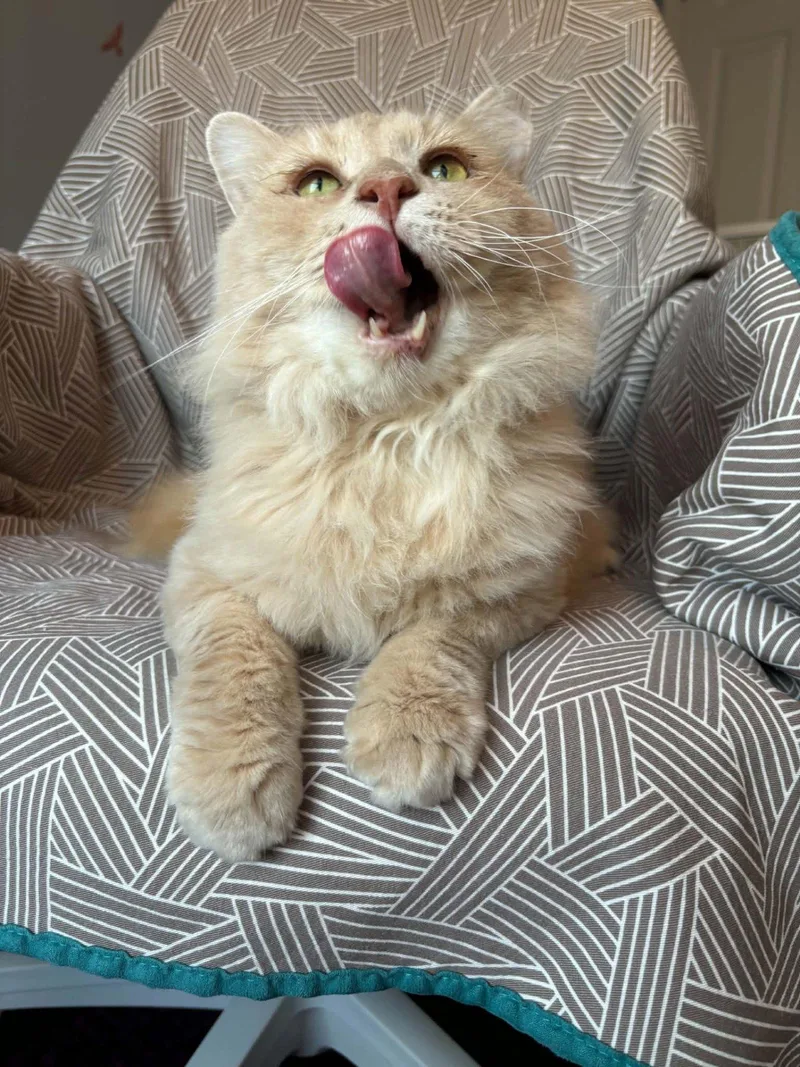
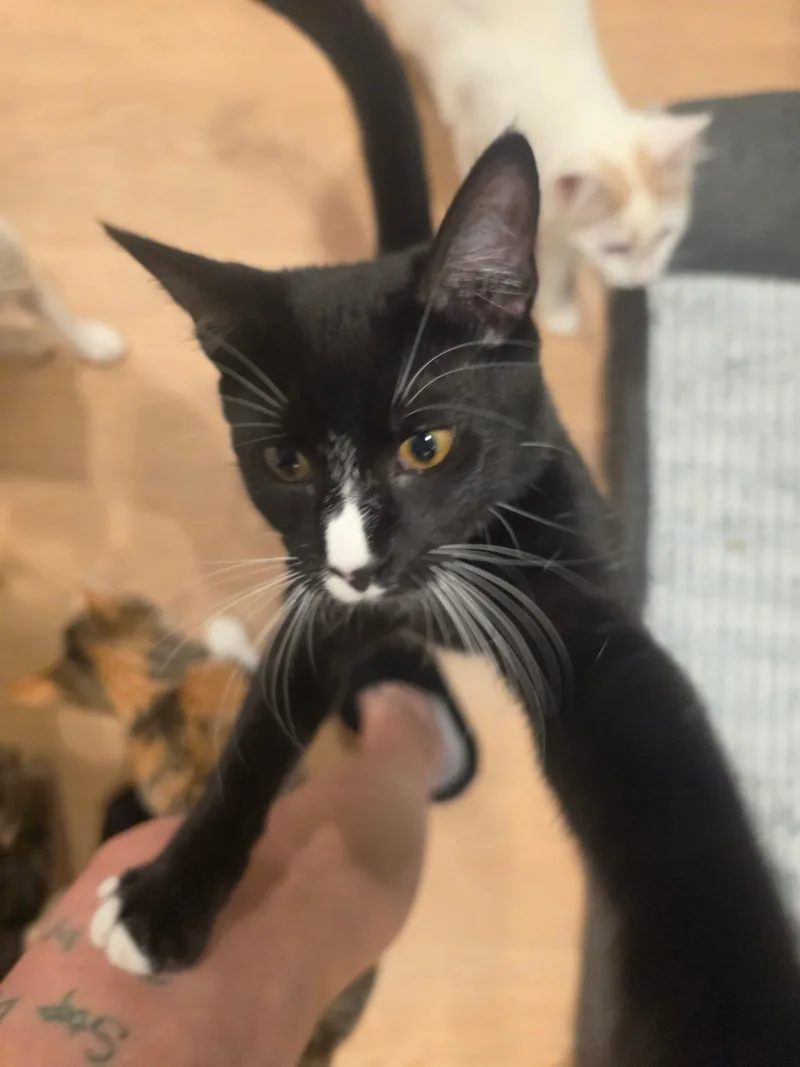
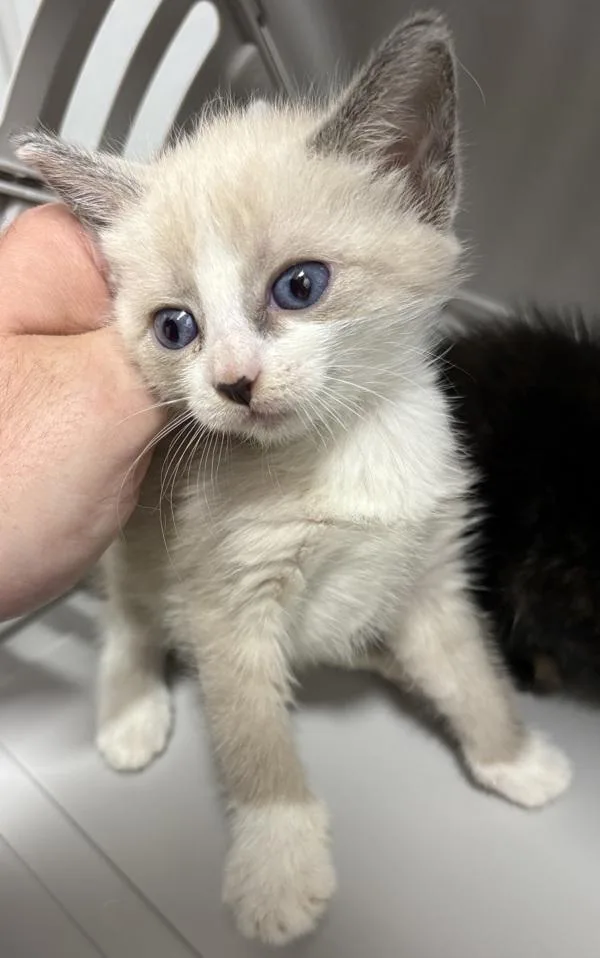
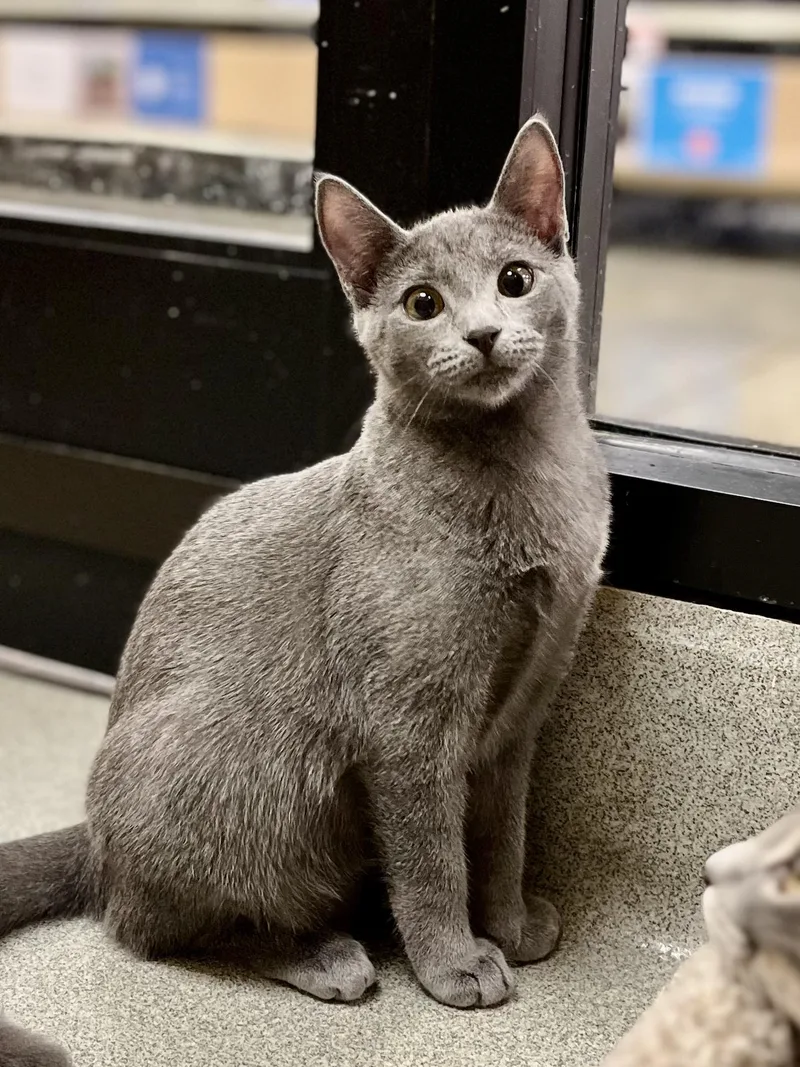
Tortoiseshell Cats for Adoption in Lawrenceville, GA

Your guide to finding and caring for a Tortoiseshell in Lawrenceville

A tortie fits Lawrenceville's apartments near the Lawn as easily as its older single-family streets. Tortoiseshell is a coat pattern, not a breed, so the cats vary: some are chatty lap cats, others claim a sunny windowsill and stay there. Either way, a cat tree by a window gives a tortie plenty to watch, whether it's traffic on Grayson Highway or squirrels on a quiet street off Five Forks-Trickum Road. Most do best as indoor cats with a little daily play.

1031 Tortoiseshells available in Lawrenceville and nationwide

Your Tortoiseshell is waiting

Tortoiseshells Available for Adoption Near Lawrenceville

About the Tortoiseshell breed

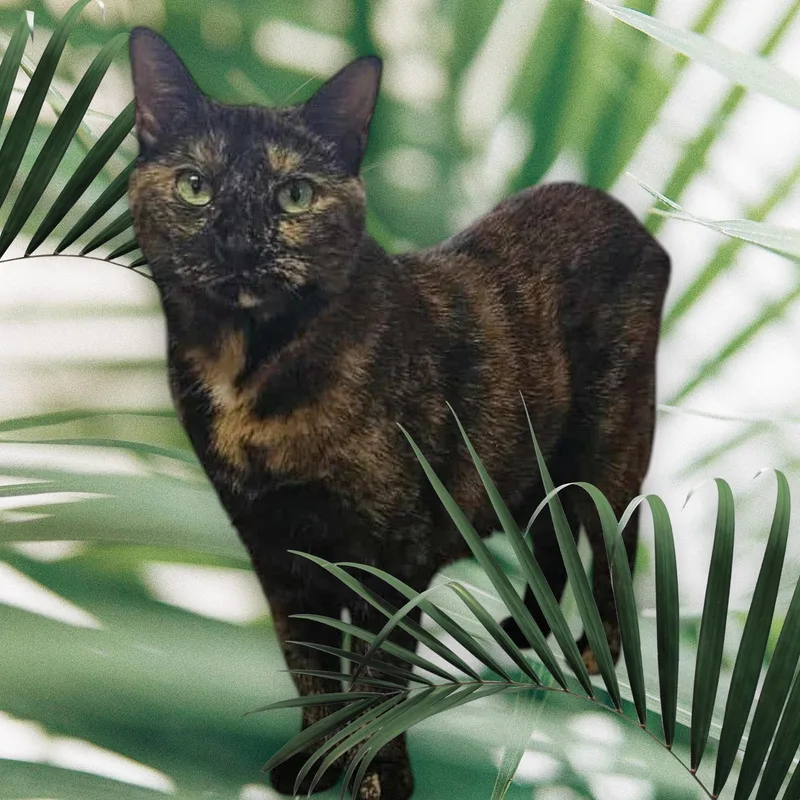
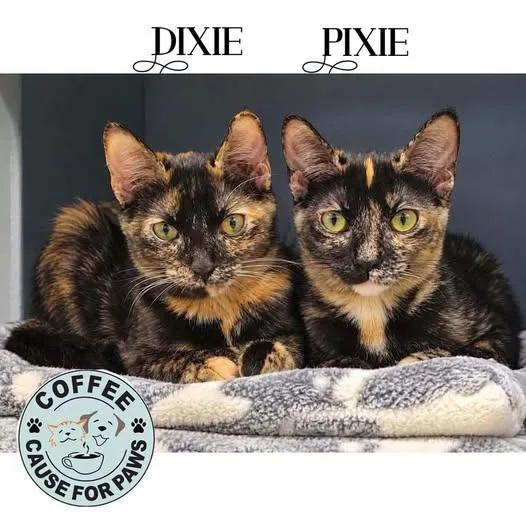
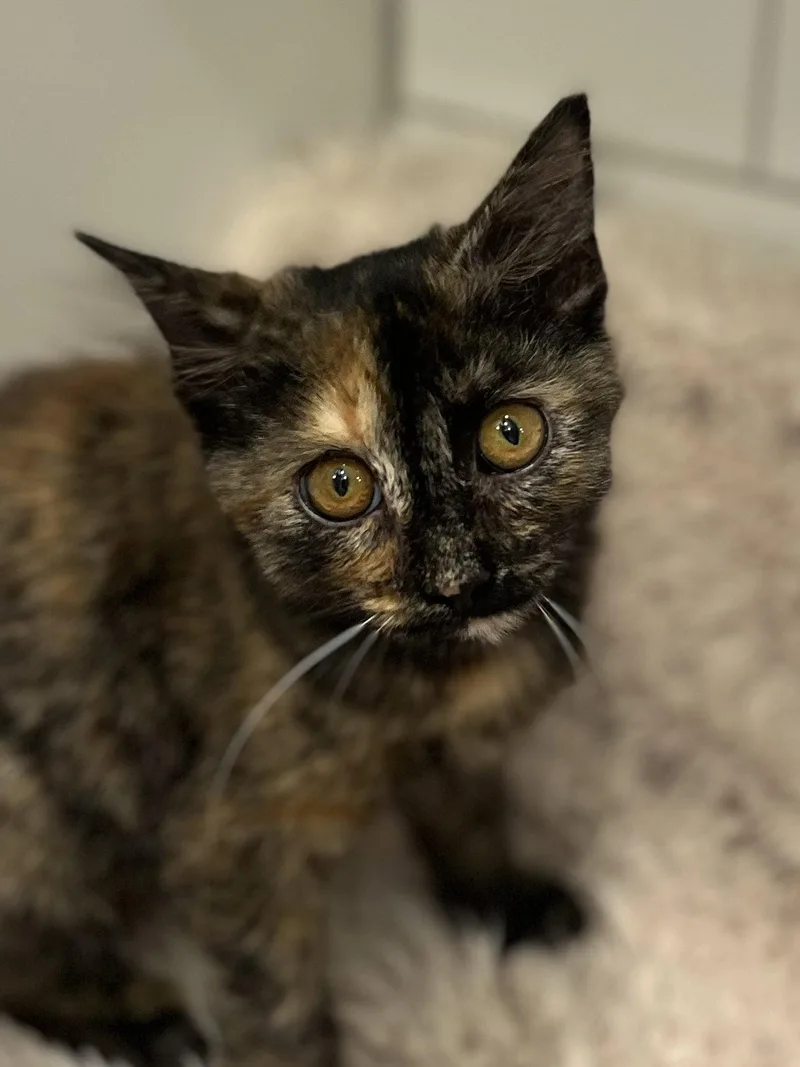
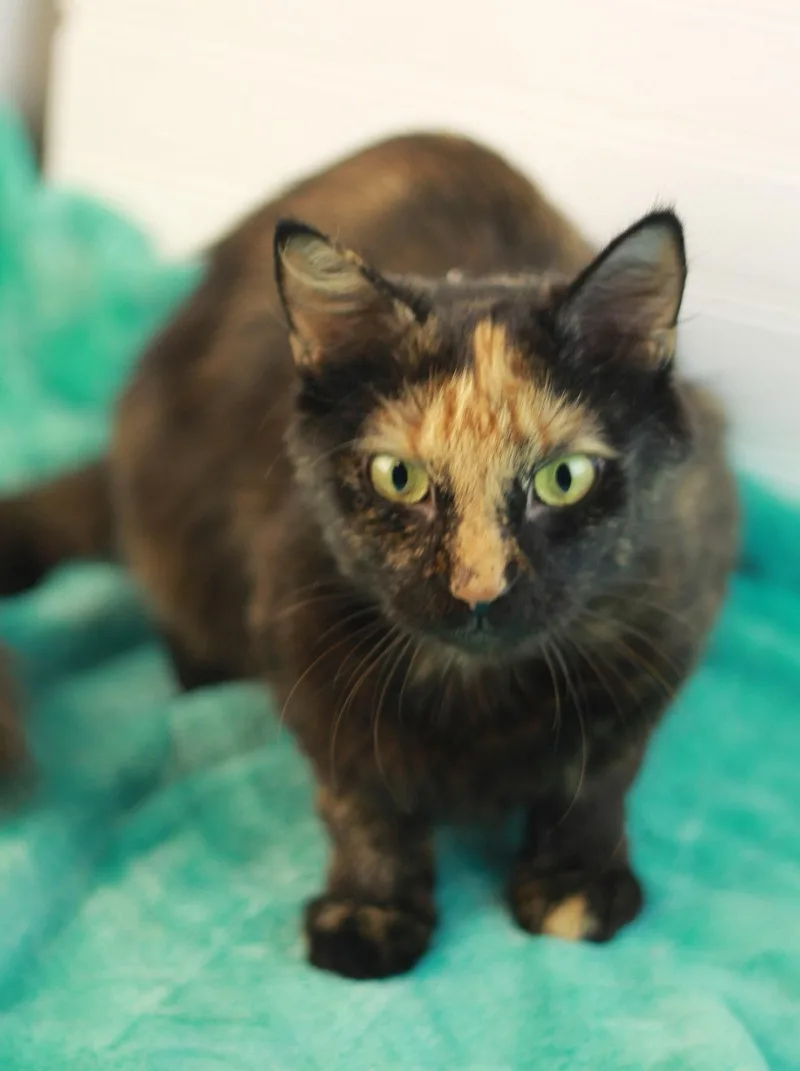
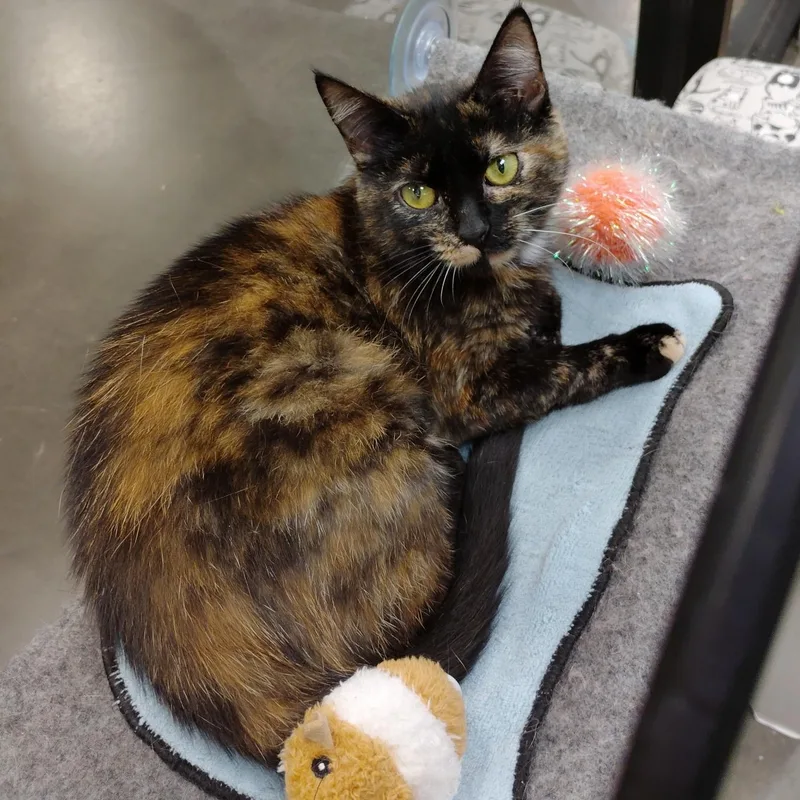
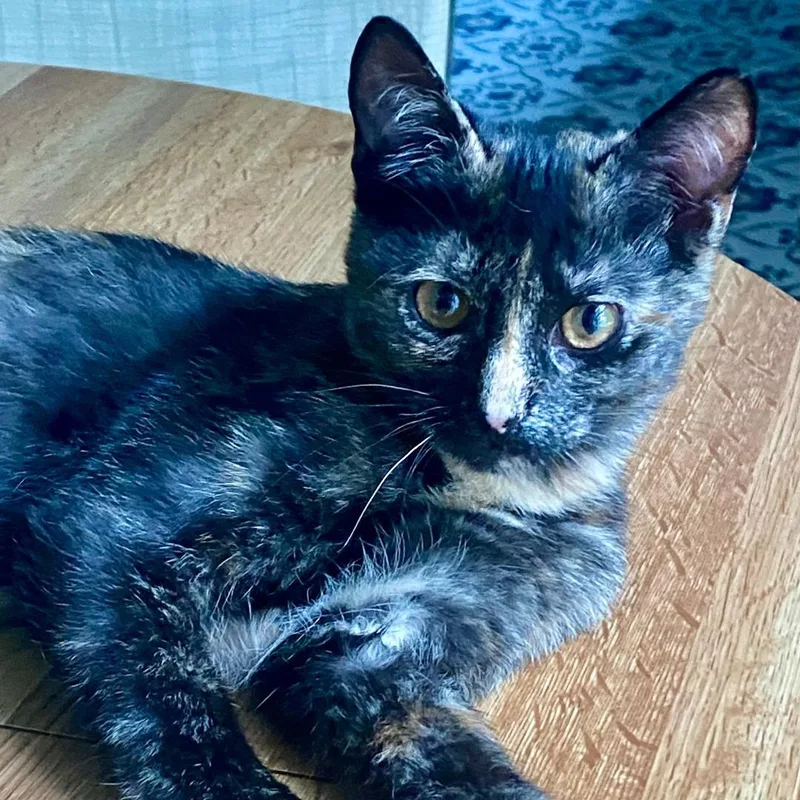
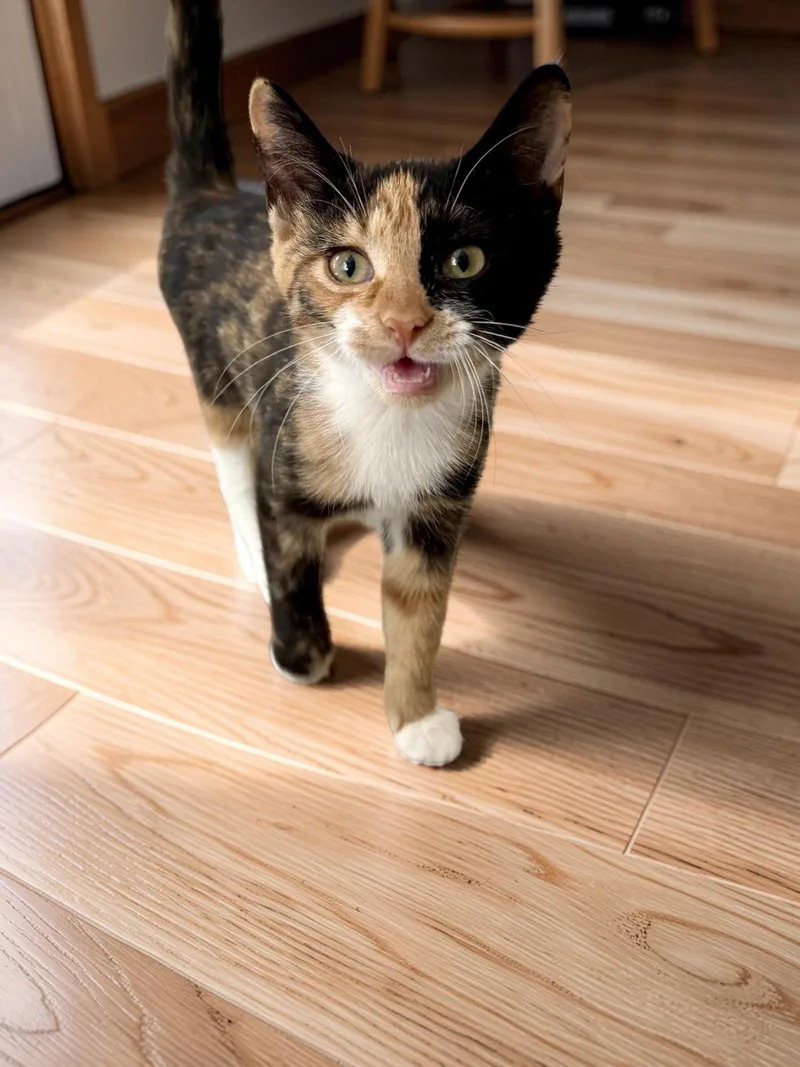
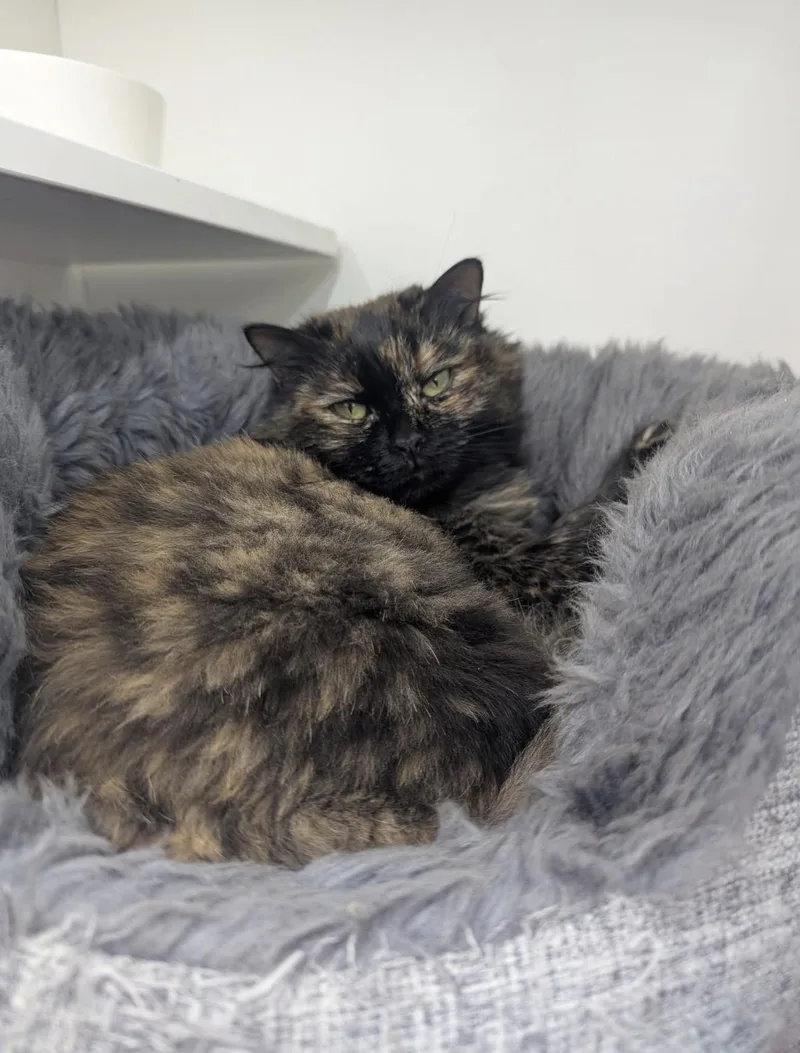
Tortoiseshell isn't a breed but a coat pattern: black-based and orange-based colors mixed in patches or a fine mottle, usually with little white. Dilute torties show soft gray and cream, and torbies add tabby stripes. Nearly all are female, because the orange gene sits on the X chromosome.

Most torties you'll meet are domestic shorthairs, though the pattern also appears in breeds such as Maine Coons and British Shorthairs, so size, coat length and energy vary. Plan on a medium cat of roughly 6 to 14 pounds, moderate shedding and a lifespan of 12 to 18 years. The famous "tortitude" is mostly folklore: a cat's age, history and socialization say far more about personality than its colors.

Weight
6–14 lbs
Height
8–10 in
Lifespan
12–18 yrs
Temperament
Independent, Affectionate, Playful
Shedding
Moderate

Owning a Tortoiseshell in Lawrenceville

Having a Tortoiseshell in Lawrenceville

A tortie's traits come from its ancestry, age and history more than its coat. In Lawrenceville, that usually means an indoor cat who needs daily play, a good window view and a cool, calm home through the hot months.

Temperament

Torties have a reputation for sass, but that rests mostly on owner impressions rather than firm evidence. Expect anything from shy to bold and from cuddly to independent. In Lawrenceville's apartments and townhomes, a cat who takes neighbors' noise in stride will do well, while a sensitive one may prefer a quiet room to retreat to.

Exercise Needs

Plan on daily interactive play with wand toys, chase games and puzzle feeders. Young cats need more activity, and seniors prefer gentler sessions. Indoors, a cat tree, window perch and scratching post give climbing outlets, which matters on the hot, humid summer days when everyone stays inside. Some cats accept a harness, but many are happiest at home.

Health Considerations

The tortoiseshell pattern itself carries no special health risks in female cats; the rare males usually have an extra X chromosome and may face additional issues. Otherwise, health follows ancestry, age and care. Regular vet checkups, dental care and a healthy weight matter most, and a vet can set a flea prevention schedule for the warm, humid months.

Living Space

Apartments and houses both work, since a cat's needs depend on its personality more than its coat. Lawrenceville's mix of downtown apartments, townhomes and single-family homes all suit an indoor tortie with a cat tree, scratching posts and a hideaway. Shy cats may prefer calmer buildings, while social ones usually adapt to busy ones.

What it costs to own a Tortoiseshell in Lawrenceville

ExpenseTypical costPer year
Adoption fee$125 to $150, one time$125 to $150 in year one
Food$25 to $50 per month$300 to $600
Pet insurance$20 to $45 per month$240 to $540
Routine vet care$150 to $350 per year$150 to $350
Other*$450 to $1,150 per year$450 to $1,150
Estimated yearly total (after year one)$1,140 to $2,640
First-year total (with adoption fee)$1,265 to $2,790

Adoption fee is the range of fees on Tortoiseshell listings in Lawrenceville on GetBuddy today. Other costs are estimates and vary with size, age and health.

* Litter, flea and tick prevention, a dental cleaning allowance, toys and supplies, and home grooming.

Adopt a Tortoiseshell in Lawrenceville.

Now that you know more, let’s find you a new best friend. These rescues and shelters below currently have Tortoiseshells available.

Rescues in Lawrenceville with Tortoiseshells Available

Lawrenceville's adoptable cats come from a county animal welfare center and foster-based rescues, and their listings change often. Here are the rescues & shelters in the Lawrenceville area where you can find Tortoiseshells and other cats available for adoption.

Frequently Asked Questions

Yes. Lawrenceville has no breed or coat-color restrictions for cats. What the county animal code does require is a current rabies vaccination and a metal rabies tag for every cat, indoor cats included, renewed within 30 days of the vaccine expiring. Since tortoiseshell is a coat pattern, a tortie is treated like any other cat under local rules.

Yes, most torties adapt well to apartments, including the newer buildings near the Lawn and downtown square. What matters is the cat's personality and age, not the coat. Provide a cat tree, a window perch, scratching posts and daily play, and read the lease's pet terms carefully before you sign.

Yes, as indoor cats. July and August bring highs near 89°F and warm nights, so keep the home cool, close blinds on sunny windows and leave fresh water out. Long-haired torties may need extra brushing to stay comfortable. Never leave a cat in a parked car, and treat panting or vomiting as an emergency.

Only in a carrier. Ride Gwinnett buses allow companion pets only when they're housed in a carrier that fits under the seat, and the carrier can't take a seat or block the aisle. Lawrenceville has no rail service. Choose a sturdy, well-ventilated carrier and let your cat get used to it at home first.

Often, yes, especially for people who want an indoor companion and can play with the cat daily. Torties range from shy to bold, so match the cat's personality to your household rather than its colors. Lawrenceville's coyotes and hot summers favor indoor living, with a catio or screened porch if you have one.
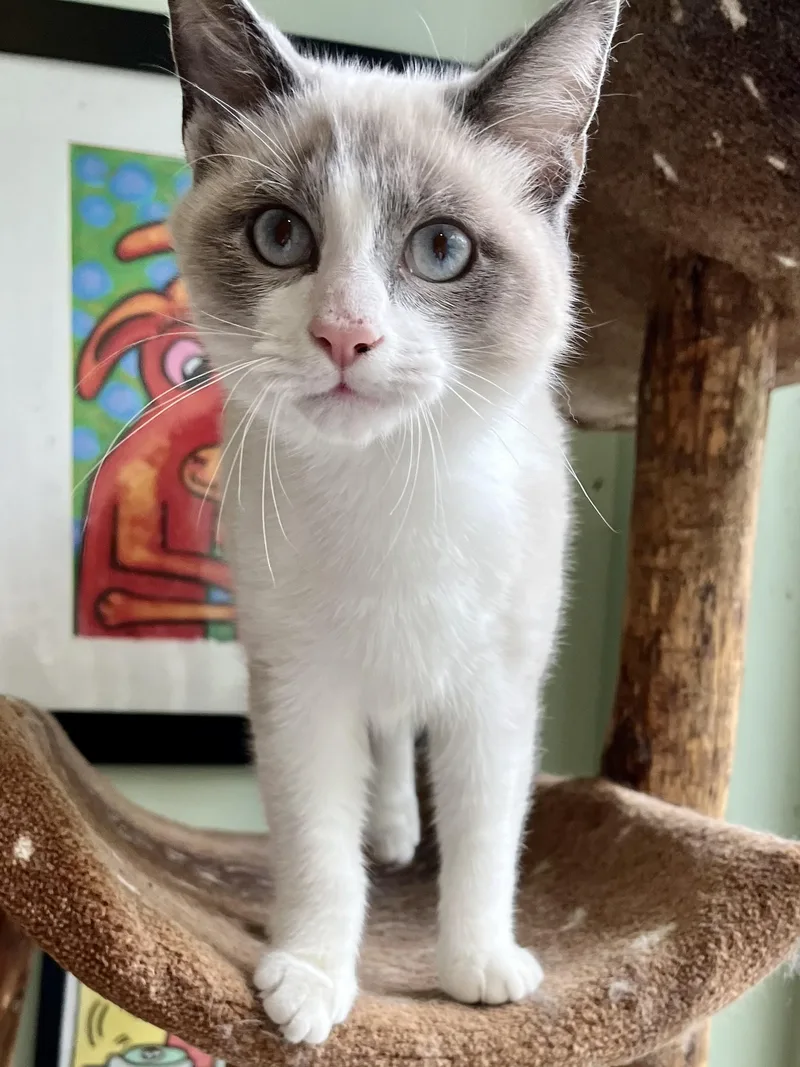
Most torties are shorthairs that need a quick brushing about once a week, while long-haired ones may need a few sessions a week to prevent mats. Expect heavier shedding when seasons change. Home grooming is part of the yearly Other costs, so a professional groomer usually isn't necessary. Trim nails as needed.

A tortoiseshell cat is a cat with a coat pattern of black-based and orange-based colors blended or patched together, usually with little or no white. It is not a breed; the pattern appears in many breeds and most often in domestic shorthairs. Nearly all tortoiseshells are female because the genes for orange and black are carried on the X chromosome.

Almost all tortoiseshell cats are female, but not all. A female has two X chromosomes and can carry both orange and black color genes, producing the mixed coat. Males normally have only one X. Rare male torties usually have an extra X chromosome or are genetic chimeras, and they are estimated at roughly 1 in 3,000 tortoiseshells.

We have 1 rescue with Tortoiseshells available: Angel Paws, Inc.. You can see every rescue with Tortoiseshells available in the list above these questions, or scroll to the top to see the Tortoiseshells near Lawrenceville.

Expect food of $25 to $50 a month, insurance of $20 to $45 a month, routine vet care of $150 to $350 a year, and $450 to $1,150 a year for litter, prevention, dental care and supplies. Together that's roughly $1,140 to $2,640 a year, depending on the cat's age, size and health.