Tuxedo Cats for Adoption in Atlanta, GA

Your guide to finding and caring for a Tuxedo in Atlanta

Tuxedo cats fit Atlanta's lofts and bungalows because the pattern says nothing about size or energy. In a Castleberry Hill loft, a tuxedo can claim a windowsill over the street. In a West End or Westview bungalow, a sunny room with a cat tree gives the same cat plenty to watch. Since tuxedo is only a coat pattern, you'll meet chatty lap cats and shy window watchers alike. Indoors is the comfortable place to be when July heat settles in.

1993 Tuxedos available in Atlanta and nationwide

Say hello to your Tuxedo cat

Tuxedos Available for Adoption Near Atlanta

About the Tuxedo breed

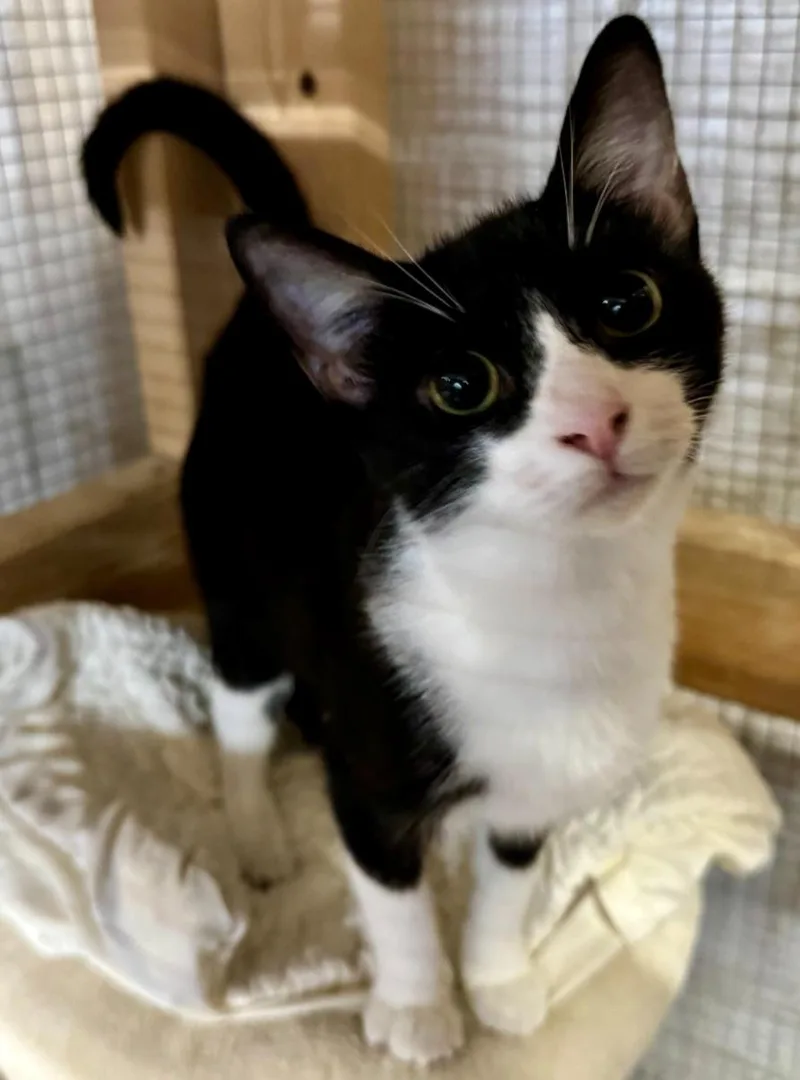
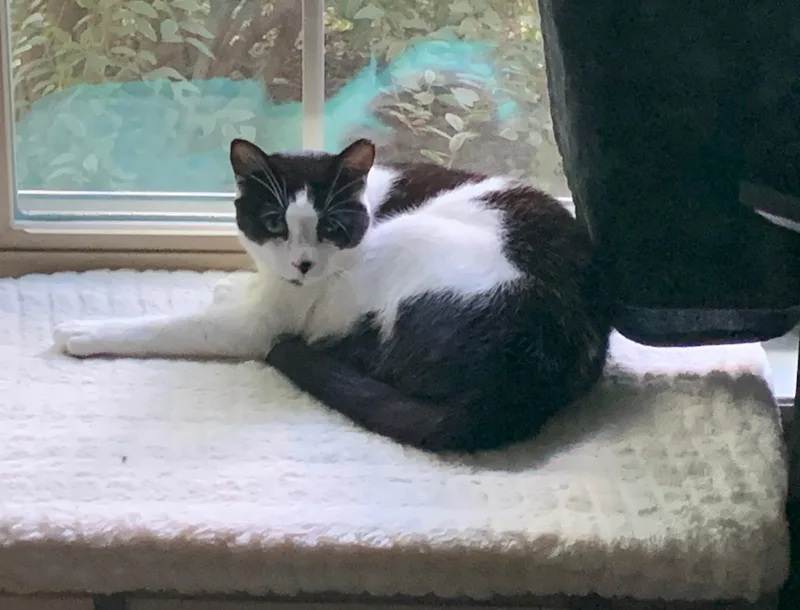
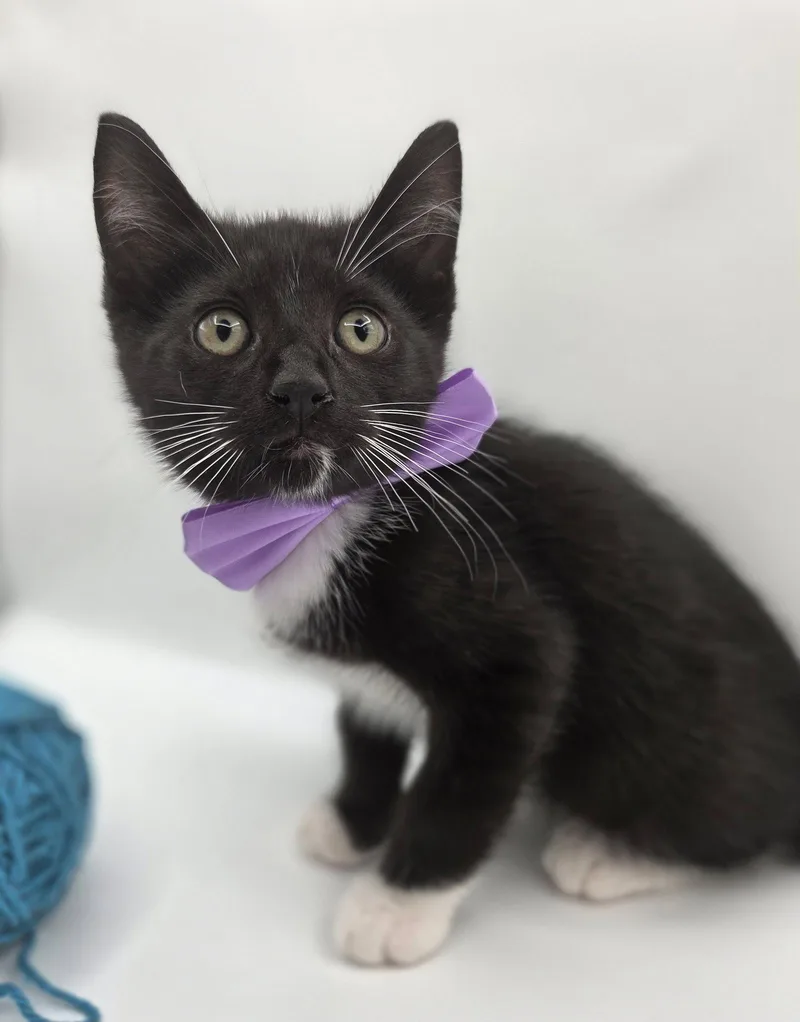
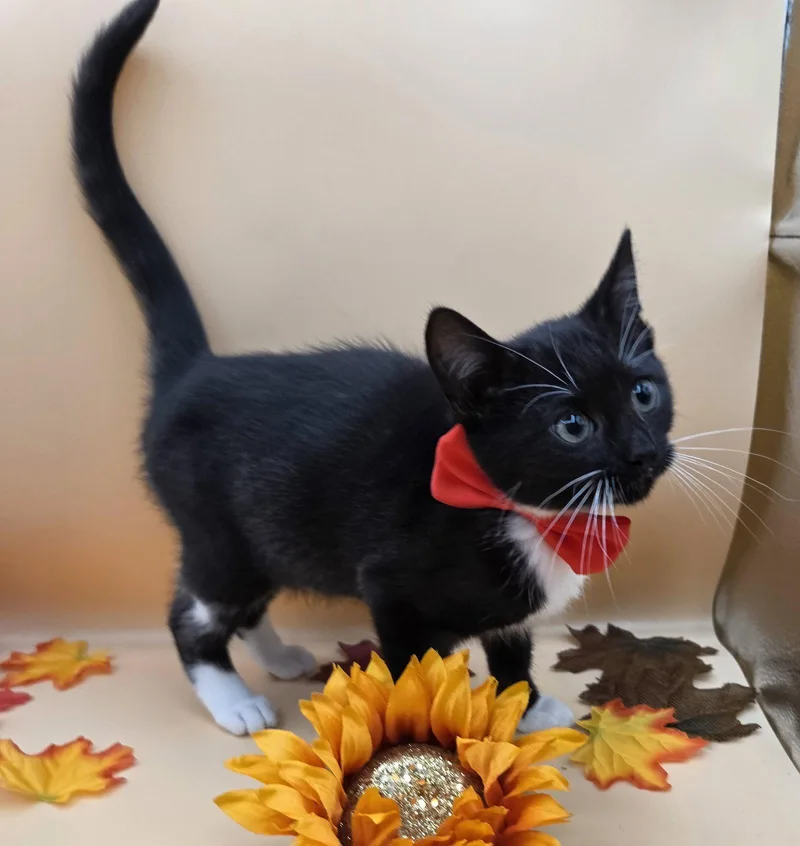
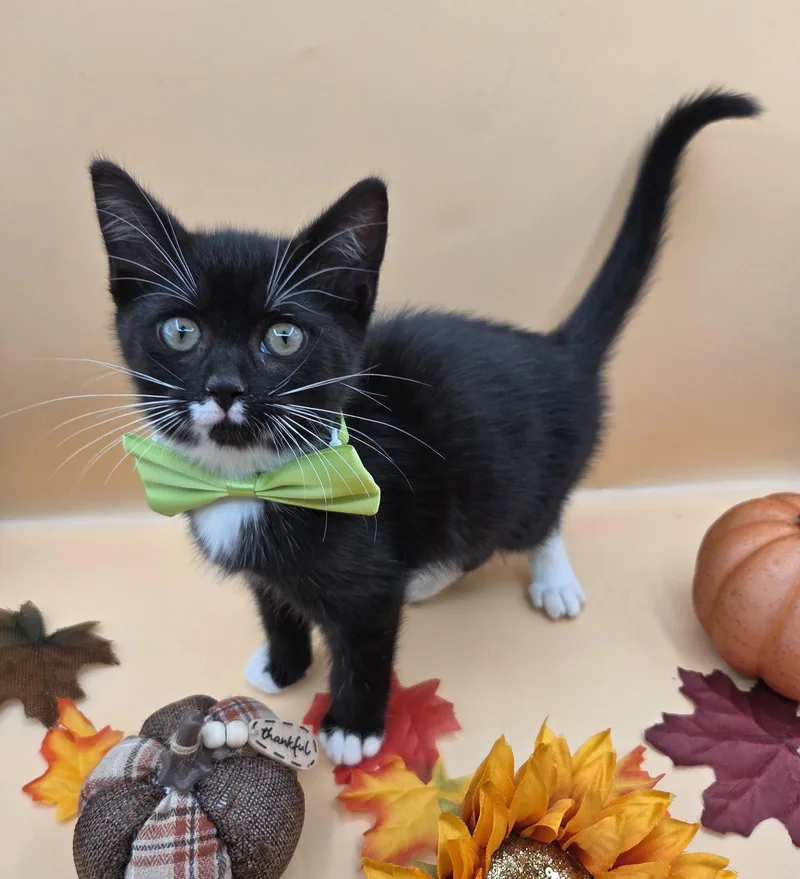
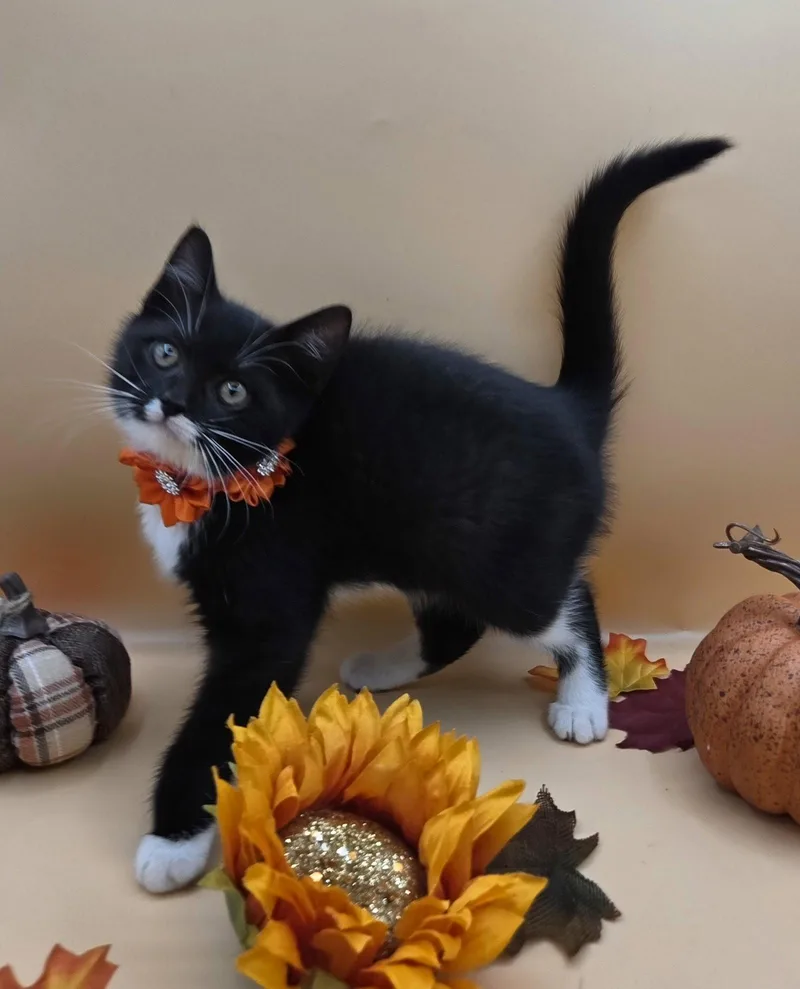
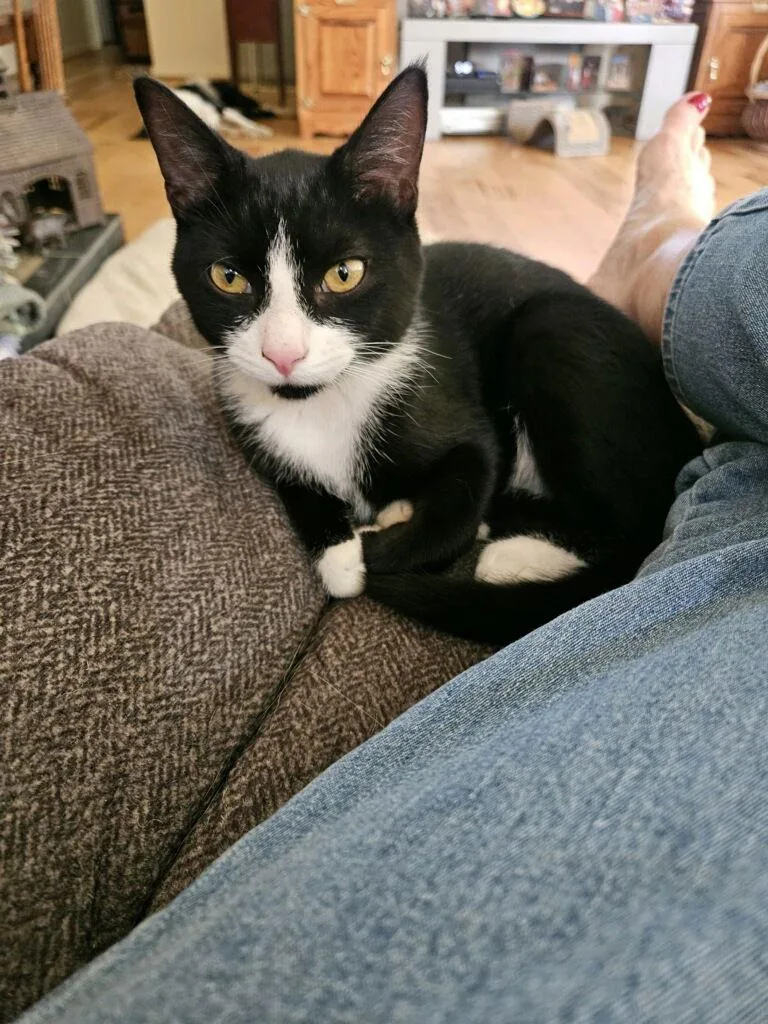
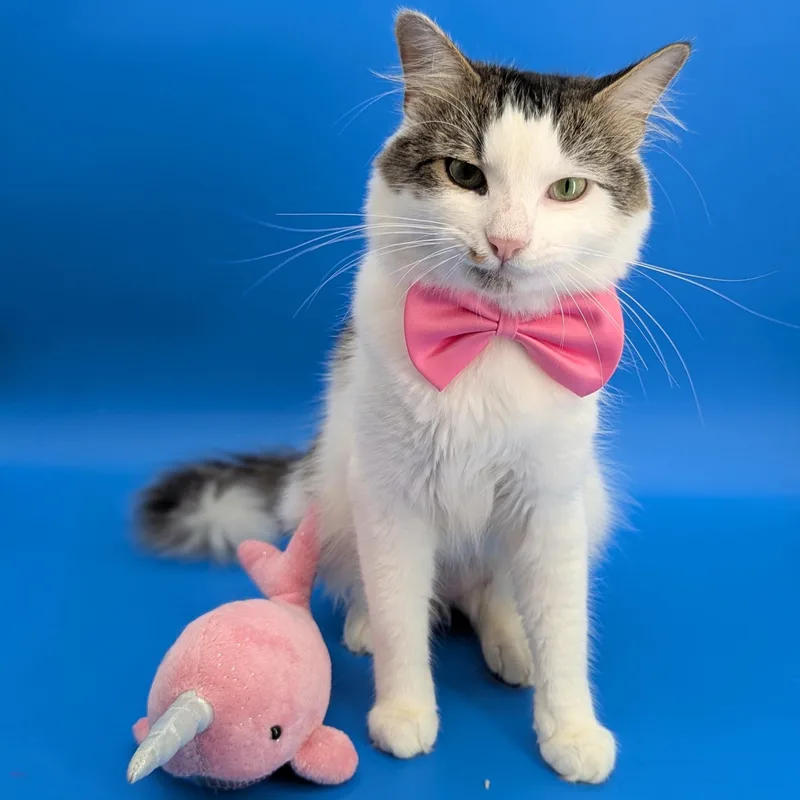
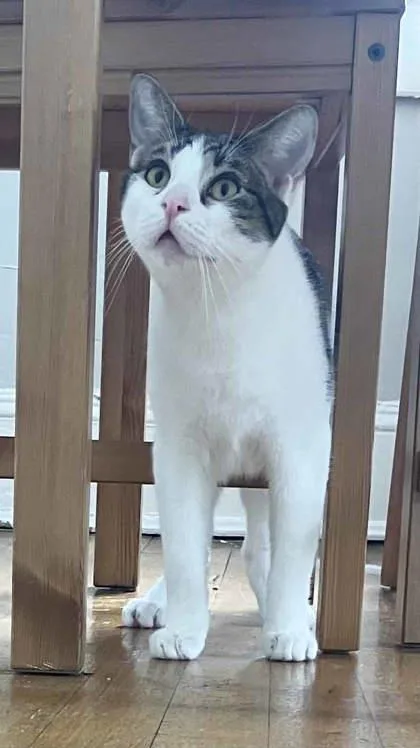
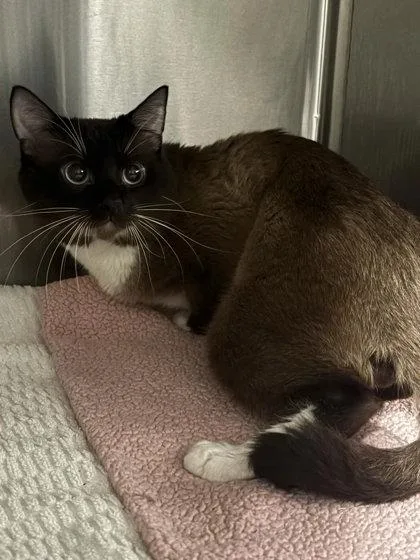
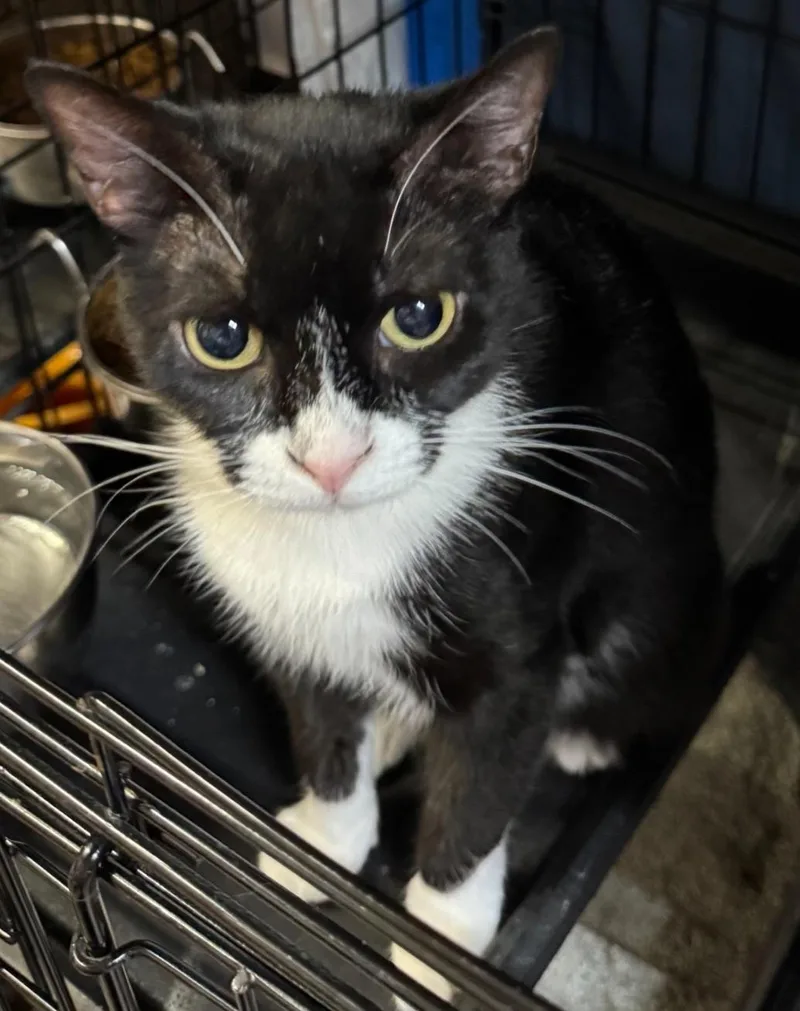
Tuxedo isn't a breed but a coat pattern: a bicolor cat, usually black and white, with a white chest like a shirtfront and often white paws, chin or a blaze on the face. Grey-and-white tuxedos exist too. The pattern comes from white spotting variation in the KIT gene, and because it isn't sex-linked, males and females are about equally common.

Most tuxedos are domestic shorthairs, though the pattern also turns up in breeds like the Maine Coon, British Shorthair and Scottish Fold. Stories about tuxedos being smarter or bolder are fun but unproven, since color doesn't set personality. In Atlanta, a tuxedo's coat is usually easy to keep up at home, and each cat's age, energy and history will tell you more about daily life than the markings do.

Weight
6–14 lbs
Height
8–10 in
Lifespan
12–18 yrs
Temperament
Adaptable, Playful, Affectionate
Shedding
Moderate

Owning a Tuxedo in Atlanta

Having a Tuxedo in Atlanta

Markings tell you little about a tuxedo's needs. Coat length, age, energy level and background shape daily care, so in Atlanta's apartments and older bungalows, how a cat spends its days matters more than how it looks.

Temperament

Tuxedos run from outgoing and talkative to quiet and reserved, and color doesn't predict which. Many adapt well to busy Atlanta households, kids and other pets when introductions are patient. A cat who startles easily may need a calm room and hiding spots, especially when spring thunderstorms roll through.

Exercise Needs

Plan daily play with wand toys, puzzle feeders and chasing games, split into a few short sessions for young cats. Indoor cats in Atlanta get most of their activity at home, so a window perch and a cat tree help, especially on hot or icy days when the house is the whole world.

Health Considerations

The tuxedo pattern carries no known health risk, but tuxedos share common feline concerns: dental disease, obesity, urinary problems and, with age, kidney disease, diabetes or hyperthyroidism. A veterinarian can check teeth and weight at the first visit. Ask about year-round flea prevention, since Atlanta's warm, humid months suit fleas.

Living Space

Tuxedos usually do well in apartments, lofts and houses when they have vertical space, scratching posts, hiding places and clean litter boxes. Space matters less than enrichment. Window screens prevent falls from higher floors, which is worth checking in Atlanta's Midtown and Downtown high-rises and mid-rises.

What it costs to own a Tuxedo in Atlanta

ExpenseTypical costPer year
Adoption fee$125, one time$125 in year one
Food$25 to $50 per month$300 to $600
Pet insurance$20 to $45 per month$240 to $540
Routine vet care$150 to $350 per year$150 to $350
Other*$450 to $1,150 per year$450 to $1,150
Estimated yearly total (after year one)$1,140 to $2,640
First-year total (with adoption fee)$1,265 to $2,765

Adoption fee is the fee on Tuxedo listings in Atlanta on GetBuddy today. Other costs are estimates and vary with size, age and health.

* Litter, flea and tick prevention, a dental cleaning allowance, toys and supplies, and home grooming.

Adopt a Tuxedo in Atlanta.

Now that you know more, let’s find you a new best friend. These rescues and shelters below currently have Tuxedos available.

Frequently Asked Questions

Yes, a Tuxedo can live happily in an Atlanta apartment, since cats need enrichment more than square footage. Offer a tall cat tree, a window perch, scratching posts and a quiet hiding spot, and play daily. Keep windows screened, especially in high-rises, and plan on an indoor life, since traffic and intown coyotes make roaming risky.

Yes, you can own a Tuxedo in Atlanta. Tuxedo is a coat pattern, not a breed, so breed rules don't come into play. The practical steps are a current rabies vaccine, a county license and a microchip with up-to-date contact details. Atlanta pet stores can't sell cats, so adoption is the usual route.

Yes, but only in a carrier. MARTA lets pets ride its trains, streetcar and buses only inside a secure, rigid carrier with a lock or latch, while service animals ride unconfined. Choose a carrier your cat can't push open, line it with a towel, and keep trips short and calm.

Yes, indoor tuxedos with air conditioning or fans do fine. July and August highs hover around 90°F with warm, humid nights, so keep rooms cool, offer several water bowls and never leave a cat in a parked car. Dark patches of fur can warm quickly in direct sun, so watch sunny windowsills.

Most tuxedos are shorthairs with moderate shedding, so a quick brush once or twice a week keeps the coat tidy. A longhaired tuxedo may need brushing most days. Grooming is mostly done at home, and any occasional professional trim fits within the Other line of the cost table.

Often, yes, if you can offer indoor enrichment and daily play. Tuxedos adapt to lofts, bungalows and apartments, and Atlanta's mild winters and air-conditioned homes suit them. Since the pattern doesn't predict personality, think about a cat's age, energy level and how long you're away each day rather than its markings.

We have 1 rescue with Tuxedos available: Little Lives Animal Rescue. You can see every rescue with Tuxedos available in the list above these questions, or scroll to the top to see the Tuxedos near Atlanta.

Plan on roughly $95 to $220 a month for a tuxedo in Atlanta, or about $1,140 to $2,640 a year. That covers food ($25–$50 a month), insurance ($20–$45 a month), routine vet care ($150–$350 a year) and other costs ($450–$1,150 a year). Emergencies and illness are extra.