Tortoiseshell Cats for Adoption in Atlanta, GA

Your guide to finding and caring for a Tortoiseshell in Atlanta

A Tortoiseshell cat suits Atlanta's mix of loft apartments and old bungalows just fine. Picture a Castleberry Hill loft with tall windows or a West End Craftsman with a sunny front window: either gives a tortie a perch to watch the street from all afternoon. Tortoiseshell is a coat pattern, not a breed, so these cats run from shy to bold. Most settle into indoor life with a cat tree, a wand toy and a quiet corner for naps.

1058 Tortoiseshells available in Atlanta and nationwide

Your Tortoiseshell is waiting

Tortoiseshells Available for Adoption Near Atlanta

About the Tortoiseshell breed

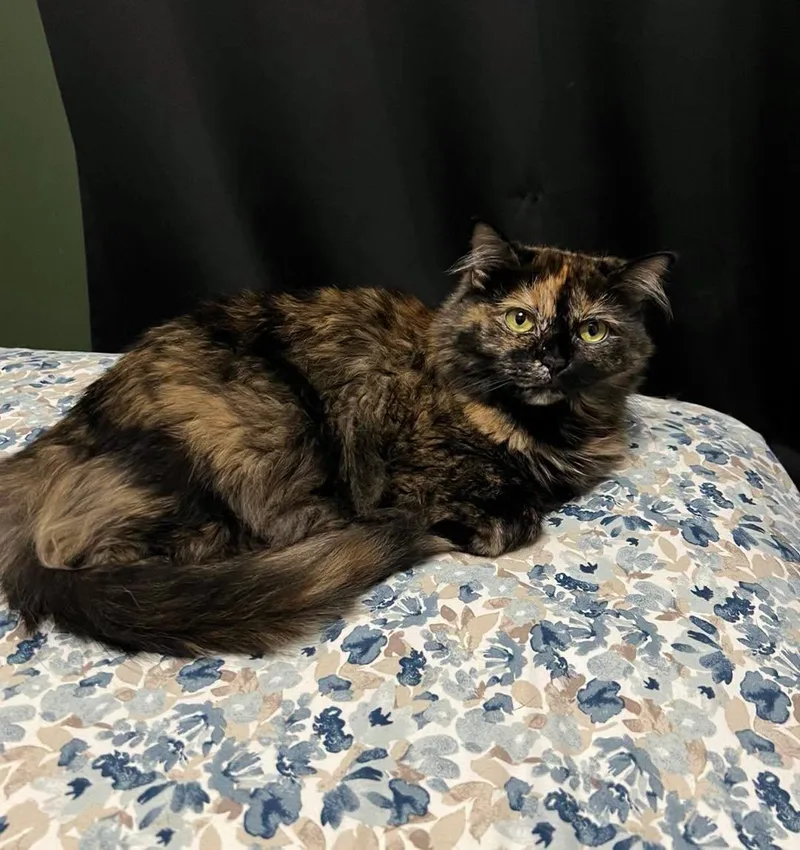
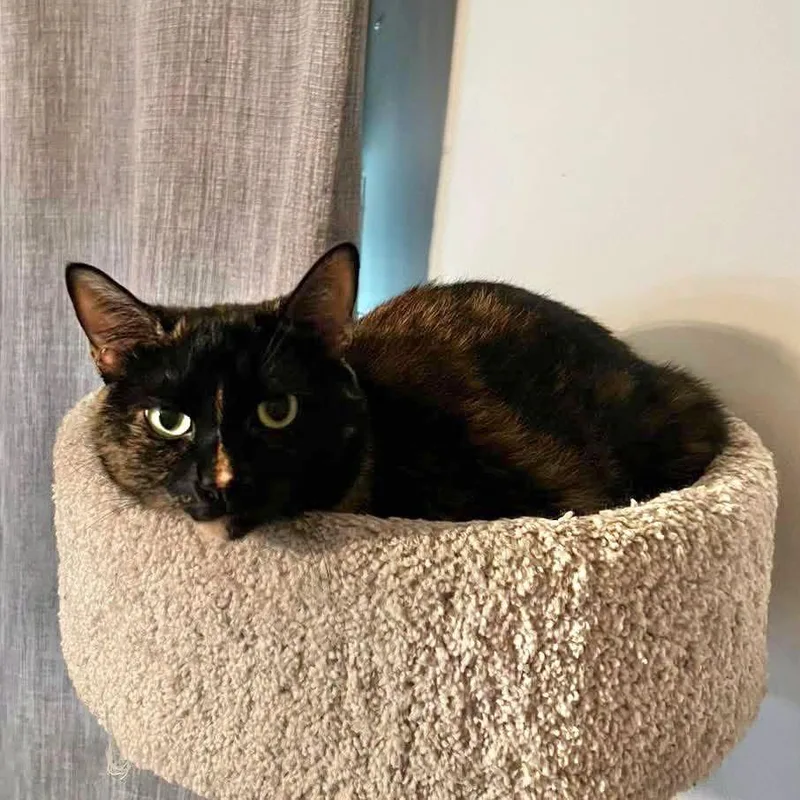
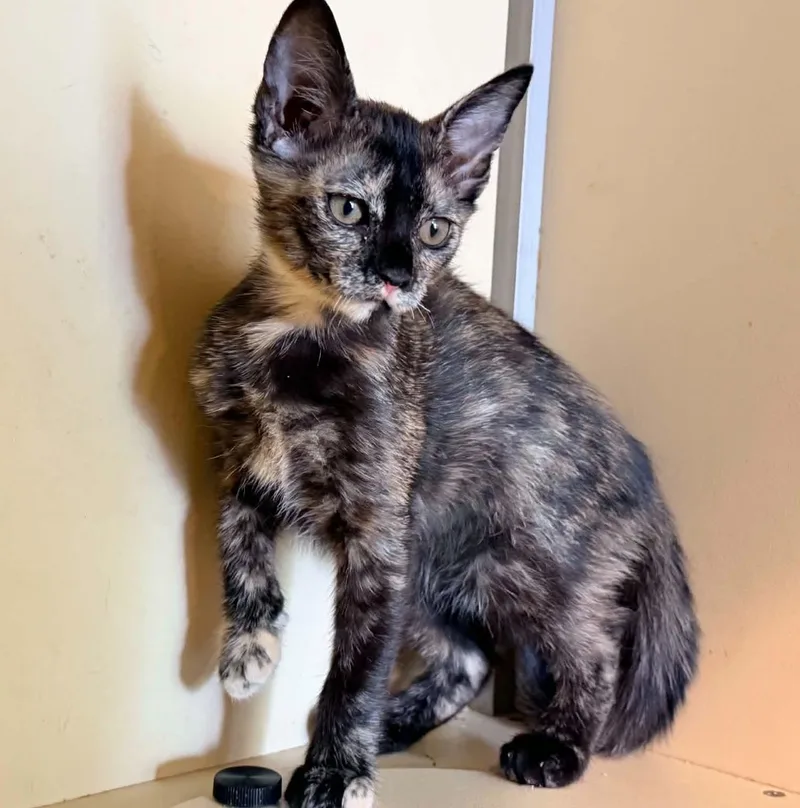
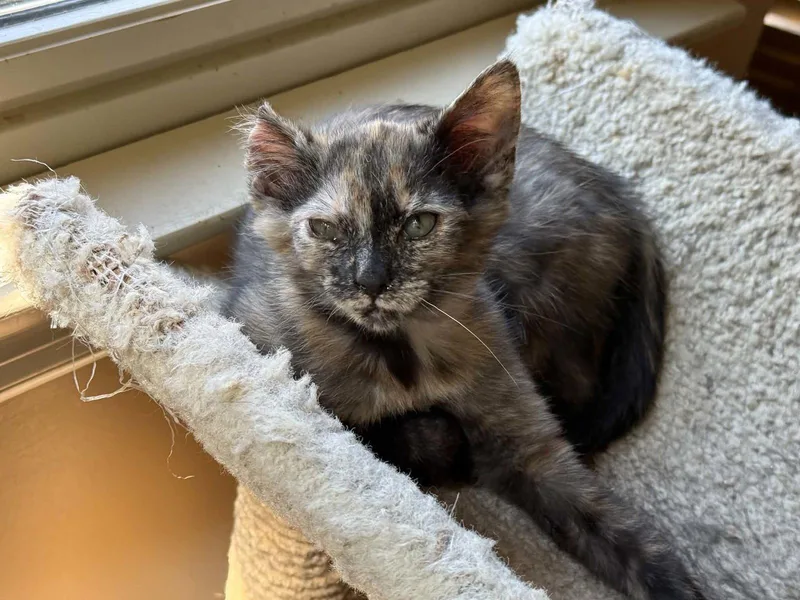
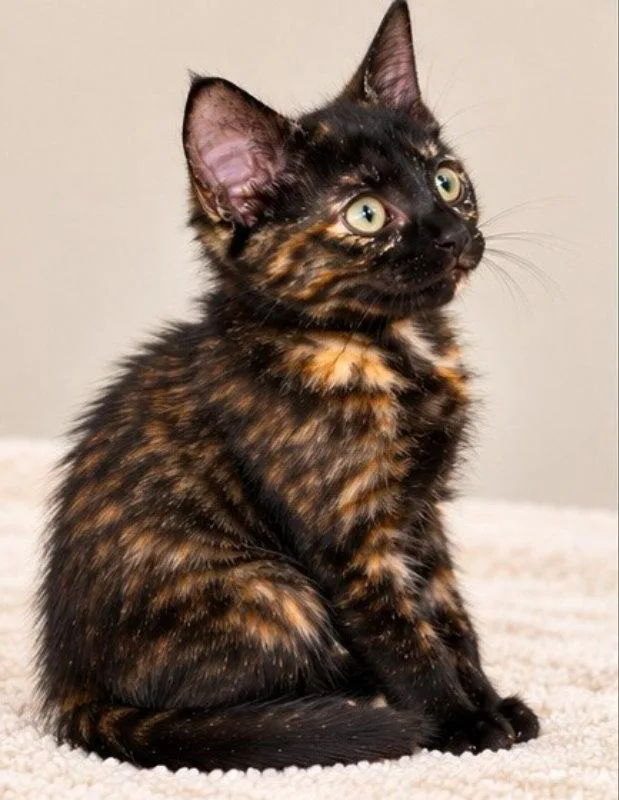
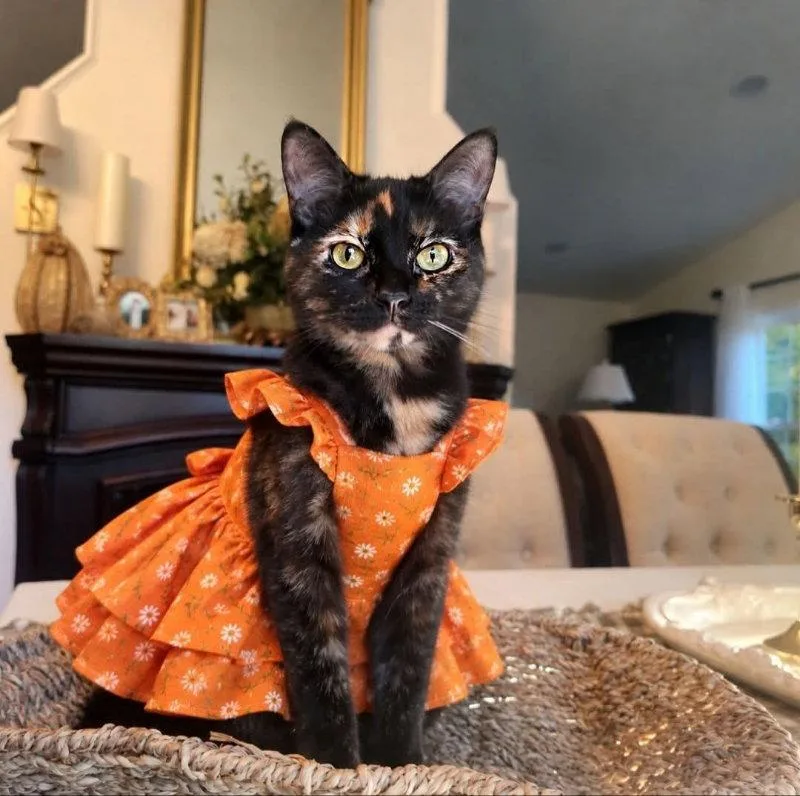
Tortoiseshell describes a coat, not a breed. A tortie wears black-based and orange-based colors in patches or a fine mottled blend, usually with little white, and nearly all of them are female. Most tortoiseshells in Atlanta homes are domestic shorthairs, with a few longhairs, and they typically weigh 6 to 14 pounds and live 12 to 18 years.

Personality comes from age, history and socialization rather than color. Torties have a reputation for attitude, but that rests mostly on owner impressions, so expect anything from shy to bold. For an indoor tortie in an intown apartment or bungalow, plan on daily play, scratching spots, a window to watch from and a weekly brushing to keep shedding in check.

Weight
6–14 lbs
Height
8–10 in
Lifespan
12–18 yrs
Temperament
Independent, Affectionate, Playful
Shedding
Moderate

Owning a Tortoiseshell in Atlanta

Having a Tortoiseshell in Atlanta

Tortoiseshell is a coat, so these traits describe what's common among torties, not what every cat will do. In Atlanta, most do well as indoor cats in apartments or houses, with daily play, good perches and a steady routine.

Temperament

Torties are often called spirited, a reputation nicknamed tortitude, though the evidence is mostly owner impressions. Some are shy and some are bold. In a busy Atlanta apartment building, a confident cat may enjoy the hallway sounds, while a shy one will want a hiding spot and a predictable routine.

Exercise Needs

Plan on daily interactive play, such as wand toys, chase games and puzzle feeders, in two or three short sessions. Atlanta's humid summers and occasional icy winter days make indoor play the reliable choice. Window perches and cat trees add climbing, and senior cats do well with gentler sessions.

Health Considerations

The tortoiseshell coat carries no health risks for females, while the rare males usually have an extra X chromosome and may face added concerns. Yearly vet exams, dental care and a healthy weight matter most. In Atlanta, ask a veterinarian about flea prevention, since mild winters and humid summers favor fleas.

Living Space

Tortoiseshell cats adapt to lofts, bungalows and larger houses alike, since space needs follow personality more than coat. Vertical room matters more than square footage: a cat tree, a window perch and a scratching post go a long way. Shy cats may prefer a calmer home, while social ones handle busy buildings.

What it costs to own a Tortoiseshell in Atlanta

ExpenseTypical costPer year
Adoption fee$100, one time$100 in year one
Food$25 to $50 per month$300 to $600
Pet insurance$20 to $45 per month$240 to $540
Routine vet care$150 to $350 per year$150 to $350
Other*$450 to $1,150 per year$450 to $1,150
Estimated yearly total (after year one)$1,140 to $2,640
First-year total (with adoption fee)$1,240 to $2,740

Adoption fee is the fee on Tortoiseshell listings in Atlanta on GetBuddy today. Other costs are estimates and vary with size, age and health.

* Litter, flea and tick prevention, a dental cleaning allowance, toys and supplies, and home grooming.

Adopt a Tortoiseshell in Atlanta.

Now that you know more, let’s find you a new best friend. These rescues and shelters below currently have Tortoiseshells available.

Frequently Asked Questions

Yes. Atlanta has no breed ban, and tortoiseshell is a coat pattern rather than a breed anyway. Expect to keep your cat's rabies vaccination current and get a pet license, since Fulton County requires both. Landlords set their own pet rules, so read the lease for deposits, fees and limits on the number of pets.

Yes, most do well in apartments. Cats need vertical space and daily play more than square footage, so a cat tree, a window perch and a scratching post go a long way. Because walls are shared, a play session before work and a puzzle feeder help keep a restless tortie from yowling.

Often, yes, especially as an indoor cat. Atlanta's lofts, bungalows and apartments suit a cat that gets daily play and a window to watch from. The trade-offs are summer heat, spring thunderstorms and coyotes intown, so a tortie should live indoors. Personality varies widely, so a cat's age and temperament matter more than its coat.

Yes, as indoor cats. July and August highs reach about 90°F with warm, humid nights, so keep the home cool, put fresh water in several spots and close blinds on sunny windows. Watch for panting, drooling or restlessness, which can signal overheating, and never leave a cat in a parked car.

Most torties are shorthairs and do well with a brush once or twice a week, while longhaired ones need it several times a week. Brushing also cuts down on hairballs through Atlanta's humid summers. Home grooming is covered in the yearly Other costs, so routine salon visits usually aren't needed.

Yes, in a carrier. MARTA allows pets on its trains, streetcars and buses only in a secure, rigid carrier with a lock or latch, and only service animals ride unconfined. Most torties weigh 6 to 14 pounds, so a sturdy carrier should work. Get your cat used to it at home first.

A tortoiseshell cat is a cat with a coat pattern of black-based and orange-based colors blended or patched together, usually with little or no white. It is not a breed; the pattern appears in many breeds and most often in domestic shorthairs. Nearly all tortoiseshells are female because the genes for orange and black are carried on the X chromosome.

Almost all tortoiseshell cats are female, but not all. A female has two X chromosomes and can carry both orange and black color genes, producing the mixed coat. Males normally have only one X. Rare male torties usually have an extra X chromosome or are genetic chimeras, and they are estimated at roughly 1 in 3,000 tortoiseshells.

We have 1 rescue with Tortoiseshells available: Little Lives Animal Rescue. You can see every rescue with Tortoiseshells available in the list above these questions, or scroll to the top to see the Tortoiseshells near Atlanta.

Expect roughly $1,140 to $2,640 a year for a tortie in Atlanta: food at $25 to $50 a month, insurance at $20 to $45 a month, routine vet care at $150 to $350 a year, and $450 to $1,150 a year for litter, prevention, dental care and supplies. Emergencies and illness would add to that total.