Russian Blue Cats for Adoption in West Palm Beach, FL

Your guide to finding and caring for a Russian Blue in West Palm Beach

Russian Blues fit quiet West Palm Beach homes well, from an Old Northwood bungalow to a downtown apartment. They like a steady routine and a sunny window perch more than a big floor plan, and they're happiest indoors, which suits a city where summer afternoons bring heat and thunderstorms. Expect a cat that's reserved with visitors but closely attached to its people. A Russian Blue tends to do best with someone around in the evenings, ideally in a household that isn't constantly full of guests.

746 Russian Blues available in West Palm Beach and nationwide

Find your Russian Blue

Russian Blues Available for Adoption Near West Palm Beach

About the Russian Blue breed

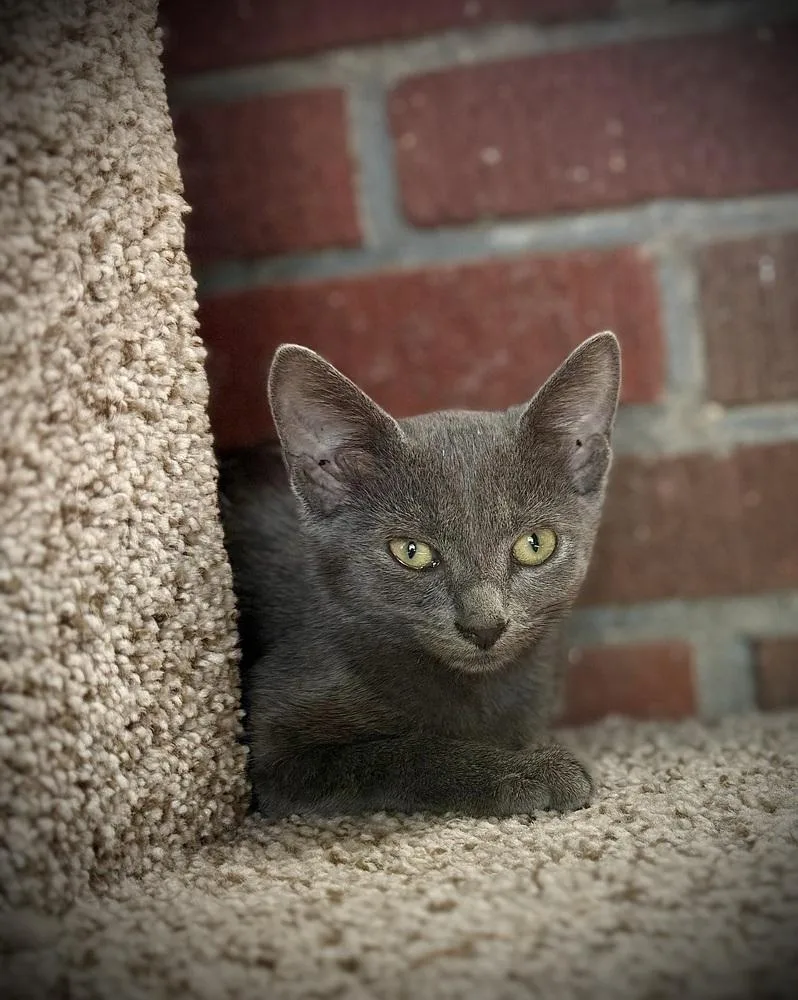
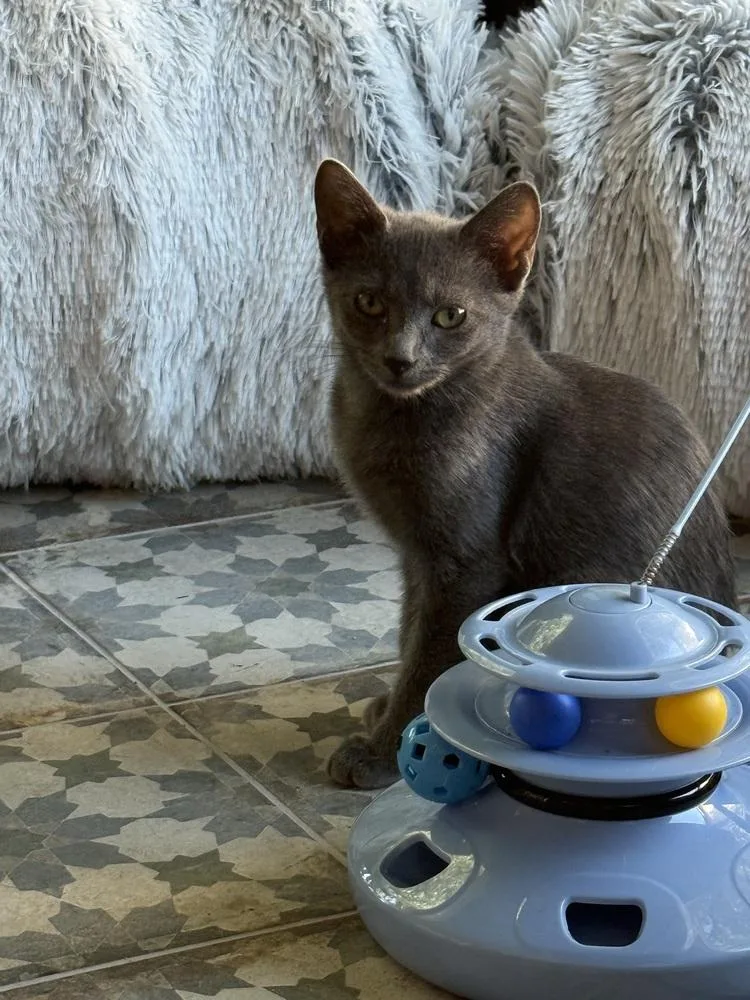
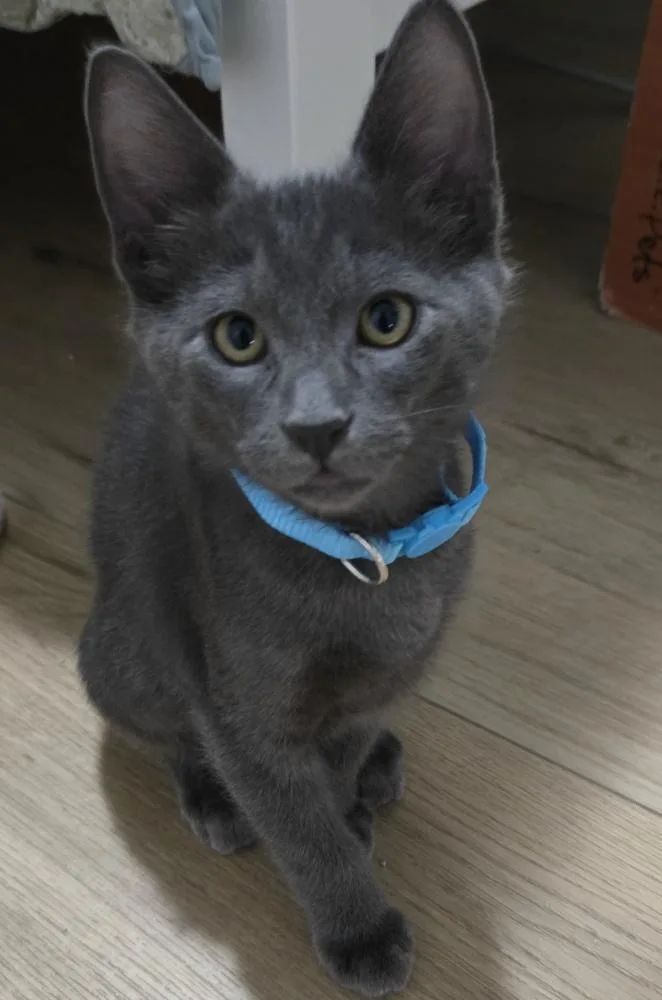
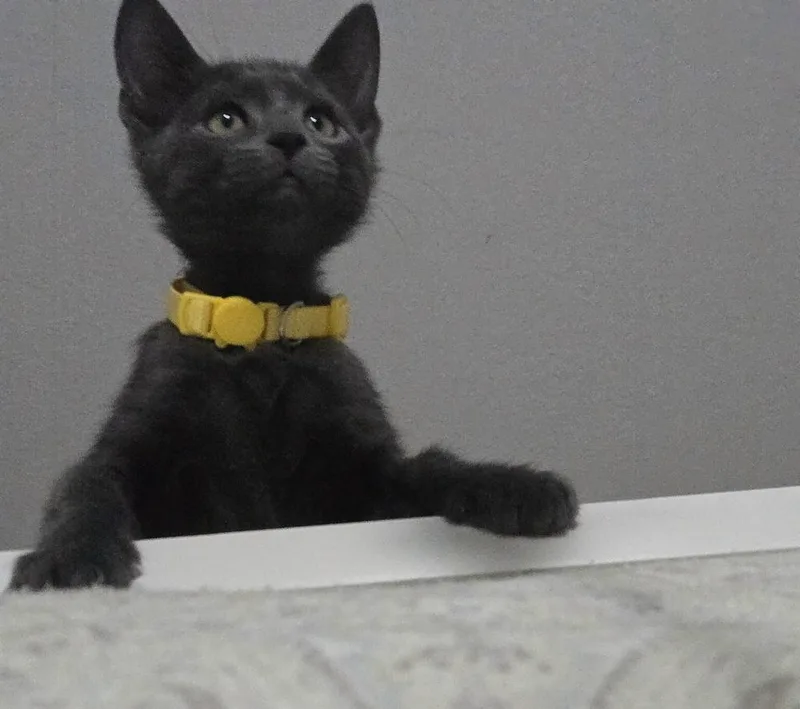
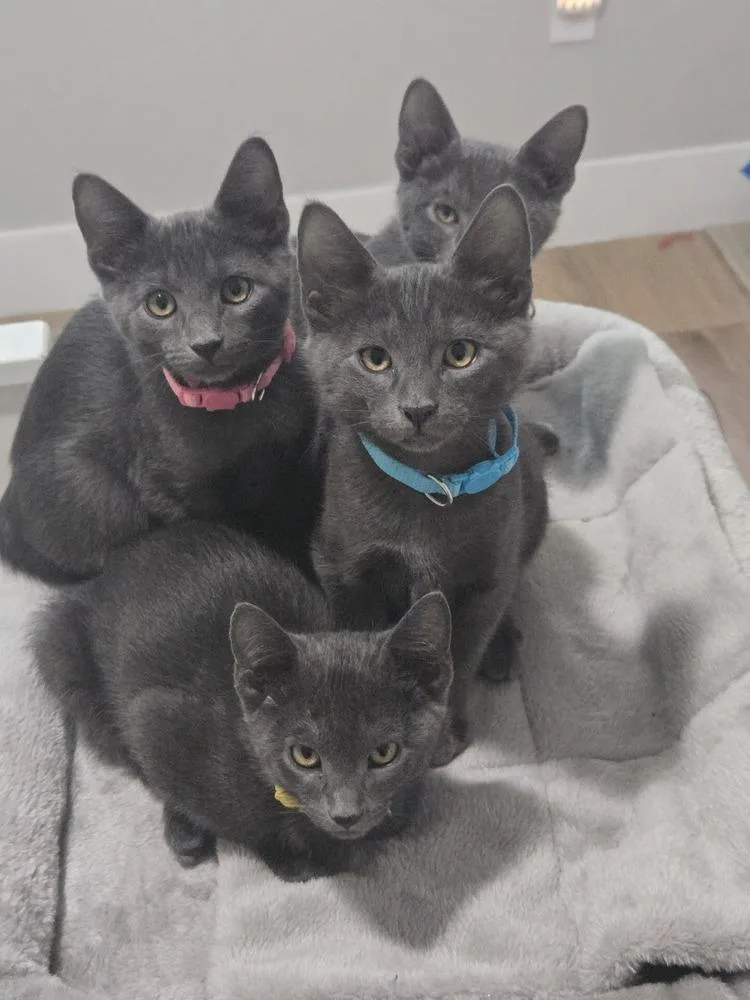
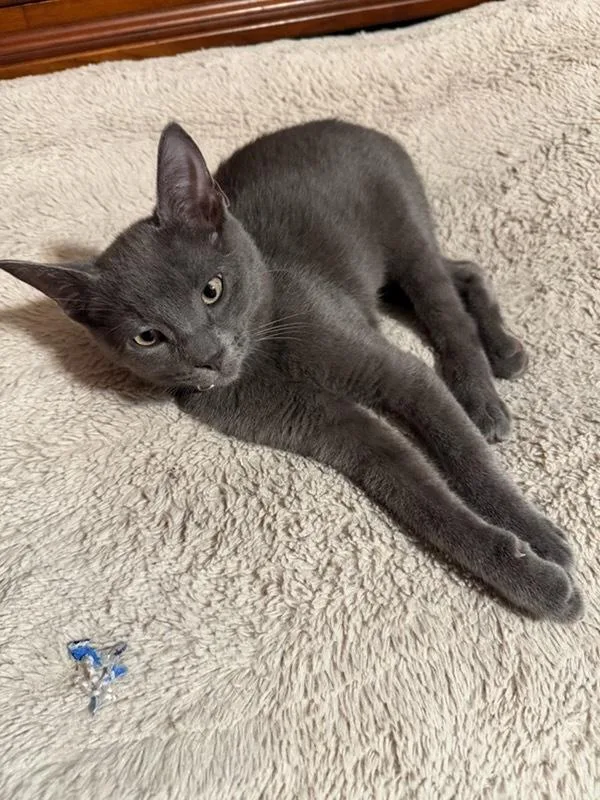
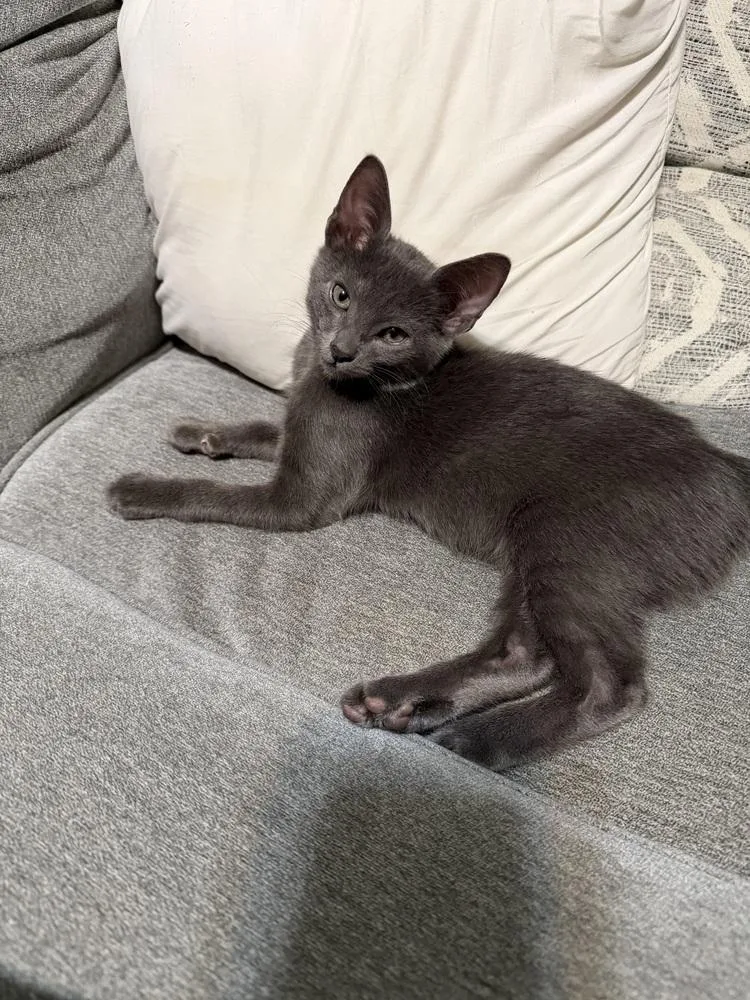
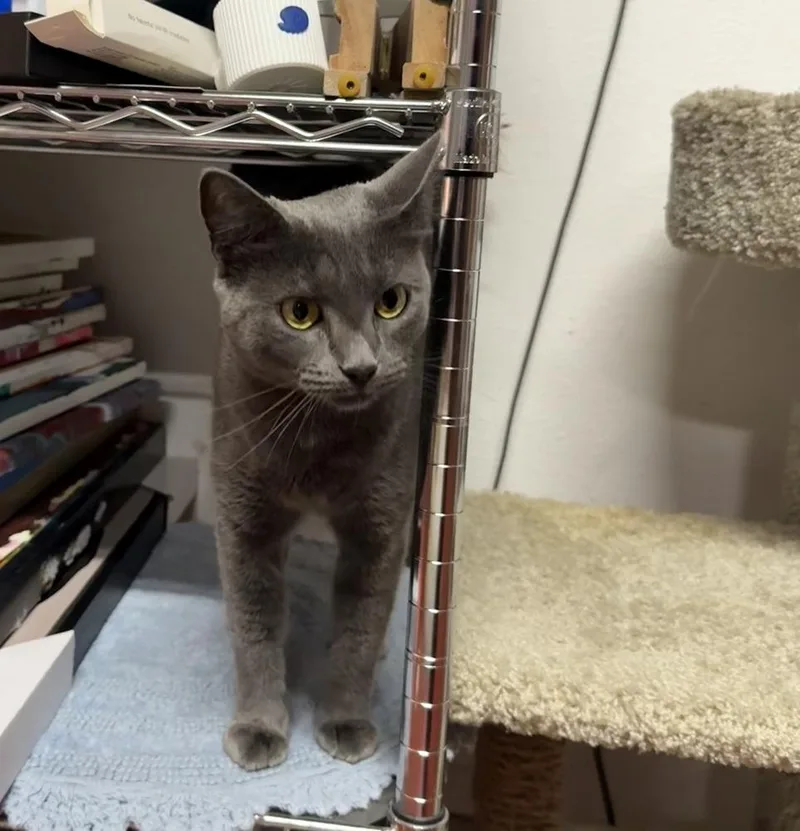
Russian Blues are slender, fine-boned shorthairs with a dense, plush double coat of even blue-grey tipped in silver, and vivid green eyes. The breed is believed to come from the Archangel region of northern Russia, reached Britain by ship in the 1800s, and was later refined in Britain, Scandinavia and the United States. Most weigh 6 to 12 pounds and live 12 to 16 years.

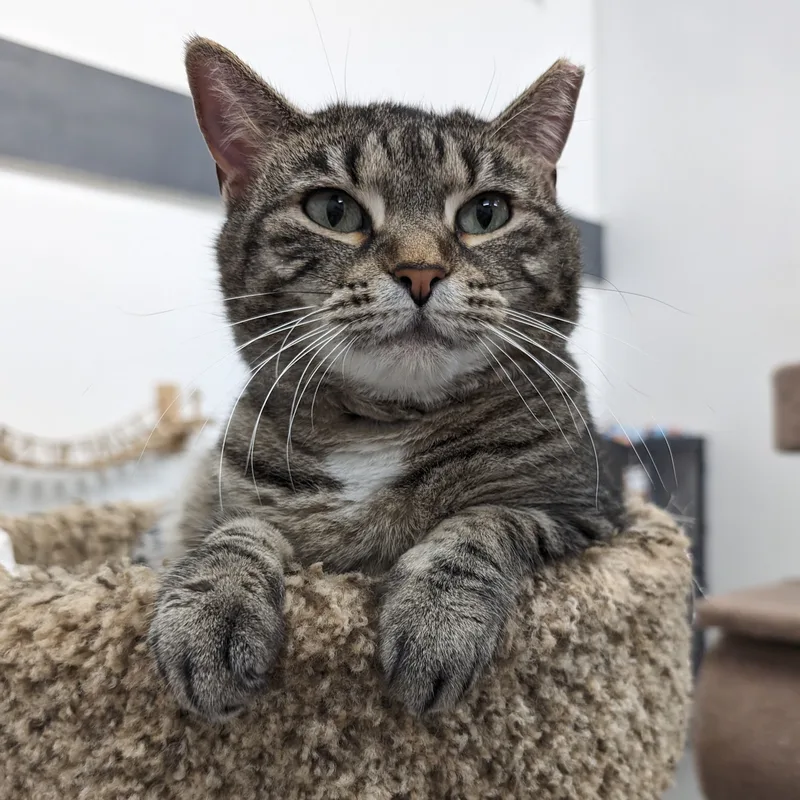
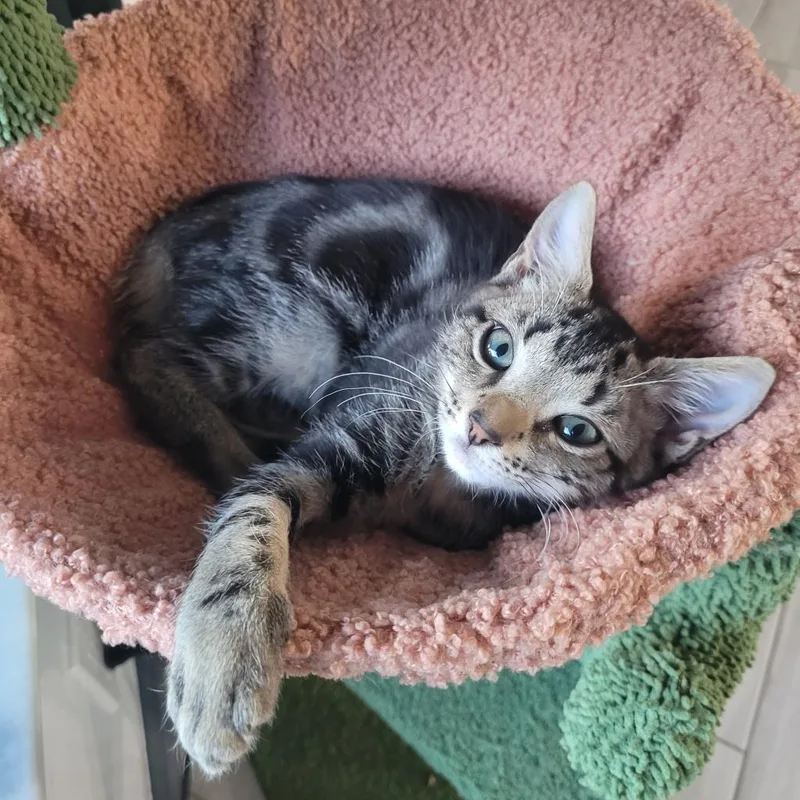
Many are gentle, quiet and devoted to their own people while staying watchful around strangers. They like routine, notice shifts in a household's mood and enjoy games that challenge them. The coat is easy to keep, but a healthy appetite calls for measured meals. Plenty of grey cats in West Palm Beach look like a Russian Blue without being one, and appearance alone can't confirm the breed, so a cat's personality is the better guide.

Weight
6–12 lbs
Height
8–10 in
Lifespan
12–16 yrs
Temperament
Gentle, Quiet, Intelligent
Shedding
Low to Moderate

Owning a Russian Blue in West Palm Beach

Having a Russian Blue in West Palm Beach

A Russian Blue offers an easy-care coat and a watchful, sensitive nature. In West Palm Beach that means a calm indoor routine, steady play and a cool home through the long warm season. Cats vary, so spend time with a cat before deciding.

Temperament

Russian Blues are often gentle and loyal with family but reserved with newcomers, watching from a distance before they approach. Many prefer predictable days and can be rattled by loud noise, which matters in a city with summer thunderstorms and holiday fireworks. Each cat's history shapes how quickly it trusts, so patience in the first weeks goes a long way.

Exercise Needs

Plan on daily play. Wand toys, chase games and puzzle feeders keep a Russian Blue's mind and body busy, and a tall cat tree gives it a lookout. Indoor sessions are easy to fit around West Palm Beach's hot afternoons. Because many have hearty appetites, regular interactive play helps keep them lean.

Health Considerations

Russian Blues have no widely recognized breed-specific inherited disease, but like any cat they can develop dental disease, bladder stones, kidney disease and heart conditions. Appetite makes weight gain a common, preventable concern. Fleas are a year-round issue in South Florida. A veterinarian can check a new cat's heart, teeth and weight.

Living Space

Russian Blues often do well in apartments or quieter houses, valuing cozy retreats and window perches over square footage. In a West Palm Beach condo or bungalow, a cat tree, a hiding spot and a regular routine help a smaller space feel secure. A home without constant commotion suits many, and indoor living keeps them safe.

What it costs to own a Russian Blue in West Palm Beach

ExpenseTypical costPer year
Food$25 to $50 per month$300 to $600
Pet insurance$25 to $50 per month$300 to $600
Routine vet care$150 to $350 per year$150 to $350
Other*$465 to $1,165 per year$465 to $1,165
Estimated yearly total (after year one)$1,215 to $2,715

Other costs are estimates and vary with size, age and health.

* The $15 Palm Beach County license tag for a spayed or neutered cat, litter, flea prevention, a dental cleaning allowance, toys, scratchers and other supplies, and minimal home grooming for the short coat.

Adopt a Russian Blue in West Palm Beach.

Now that you know more, let’s find you a new best friend. These rescues and shelters below currently have Russian Blues available.

Rescues in West Palm Beach with Russian Blues Available

Cats and kittens in West Palm Beach are cared for by a county shelter and local nonprofit rescues, listed here. Here are the rescues & shelters in the West Palm Beach area where you can find Russian Blues and other cats available for adoption.

Frequently Asked Questions

Yes. Florida bars local breed-specific rules, so Russian Blues face no breed restrictions in West Palm Beach. Palm Beach County does require a rabies vaccine, a county license tag and sterilization from four months of age, and cats adopted through shelters and rescues are generally spayed or neutered before going home. Watch the listings on this page for grey shorthairs.

Yes, Russian Blues usually settle well into apartments because they value calm routines over space. In West Palm Beach, a downtown condo or a mid-century complex can work with a tall cat tree, a window perch and a quiet hiding spot. Read the lease or condo rules for pet terms before applying, since landlords can set their own.

Yes, as indoor cats. About 74 days a year reach 90 degrees, nights stay in the mid-70s and humidity is high, so a Russian Blue's dense double coat is best kept in air conditioning. Offer fresh water in several spots, skip outdoor time in the afternoon heat, and never leave a cat in a parked car.

It can be, for a household that offers a calm indoor routine. Russian Blues are sensitive to noise, and West Palm Beach has summer thunderstorms and July 4 and New Year's fireworks, including a large downtown display. A quiet room, a hiding spot and a ready hurricane kit with a carrier make the loud days easier.

Often yes, in a carrier. Tri-Rail allows small pets only inside a proper carrying cage, and Brightline takes cats in a closed carrier that stays under the seat or on your lap, with the pet added to the reservation and a fee possible. Check Palm Tran's current pet rule before boarding a bus.

Very little. A weekly brushing handles the short, plush coat, and a little more in spring when shedding picks up. Humidity doesn't mat the coat, so professional grooming is rarely needed. Add nail trims and regular tooth care, which fit within the minimal home grooming and dental allowance in the Other costs above.

Russian Blue cats are often gentle, quiet and deeply attached to their families, while staying reserved with strangers. Many like predictable routines, follow favorite people around and enjoy interactive games that test their intelligence. They tend to be sensitive to household mood and noise. Personality varies, so a foster's description of an individual cat is the best guide.

A Russian Blue is a medium-sized shorthaired cat with a dense, plush blue-grey coat tipped in silver, vivid green eyes and a slender, graceful build. The breed is thought to come from northern Russia. Many Russian Blues are quiet, intelligent and loyal to their people, though often shy around visitors until they feel comfortable.

We have 1 rescue with Russian Blues available: Palm Beach County Animal Care & Control. You can see every rescue with Russian Blues available in the list above these questions, or scroll to the top to see the Russian Blues near West Palm Beach.

A Russian Blue typically costs about $25 to $50 a month for food and $25 to $50 a month for pet insurance, with routine vet care of $150 to $350 a year. Other yearly costs, including litter, parasite prevention, dental care, supplies and the county license, run about $465 to $1,165.