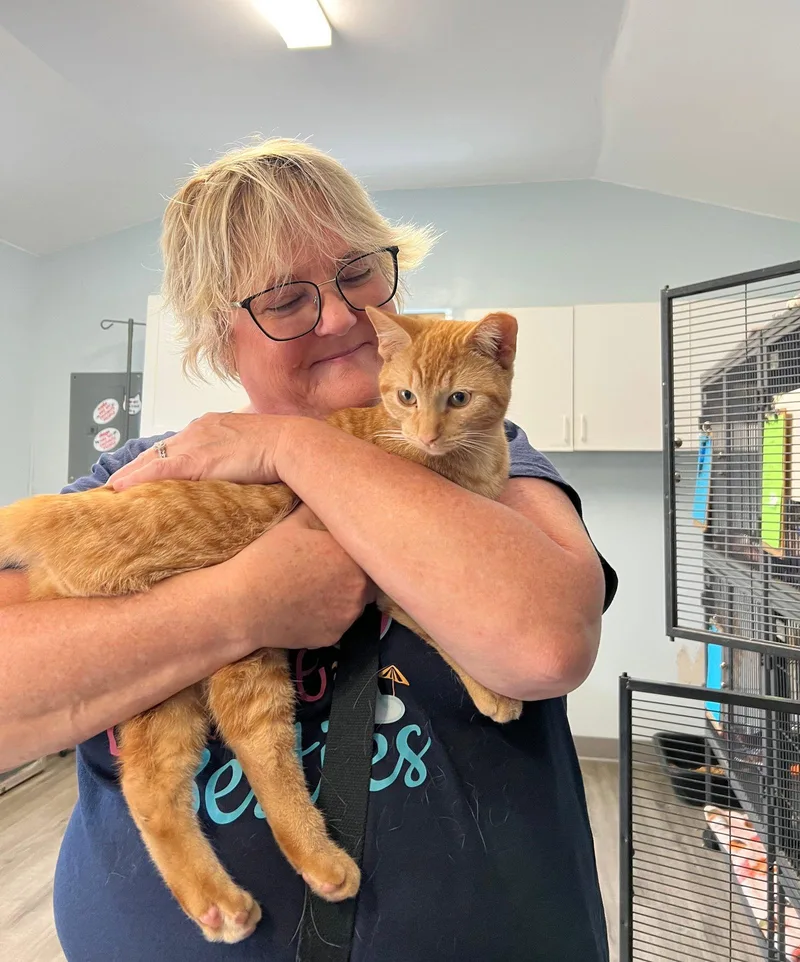
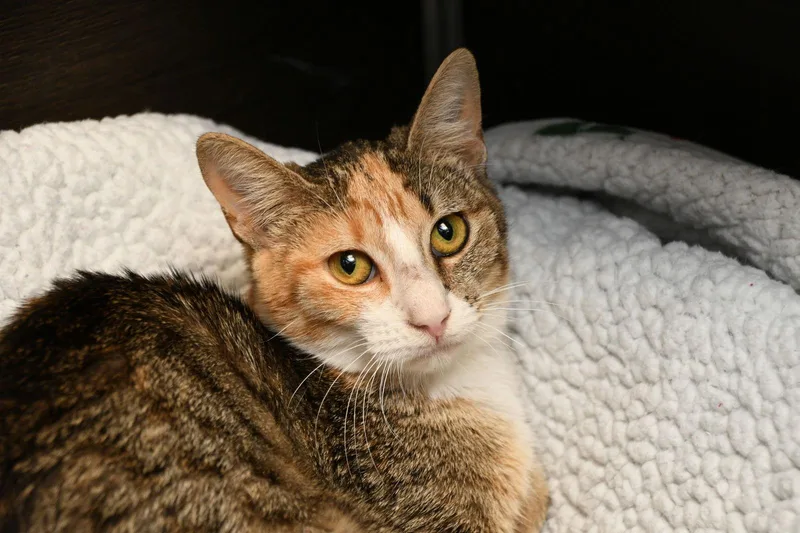
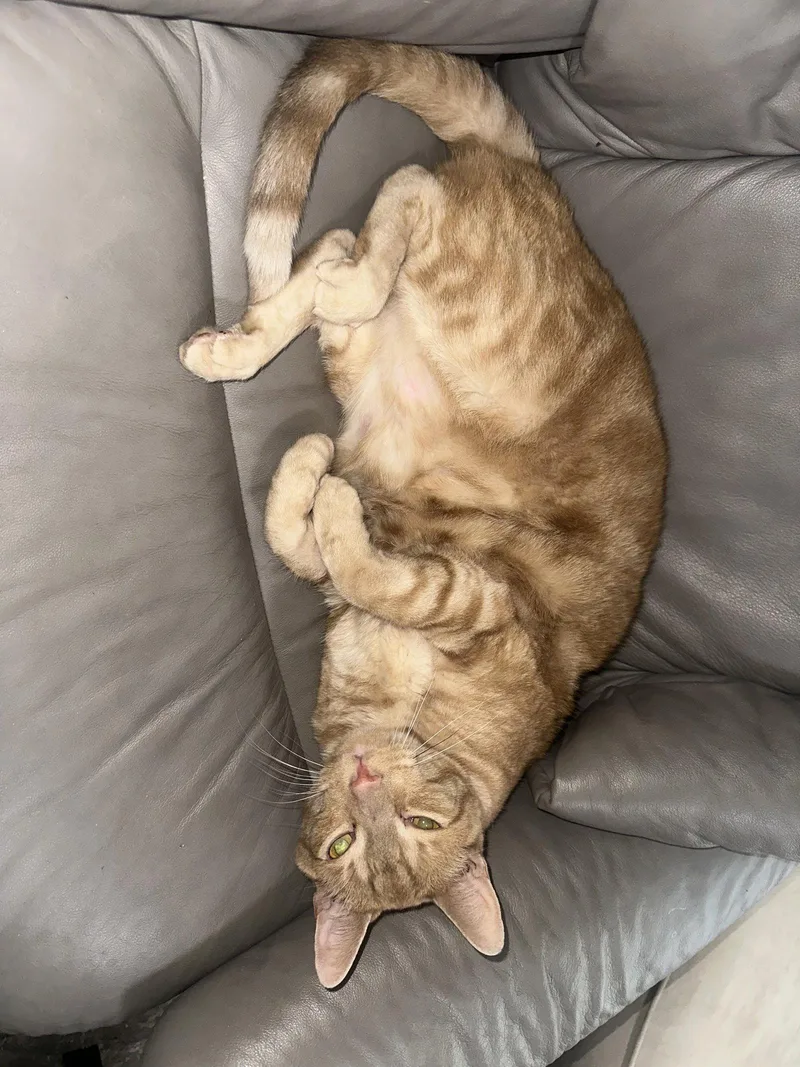
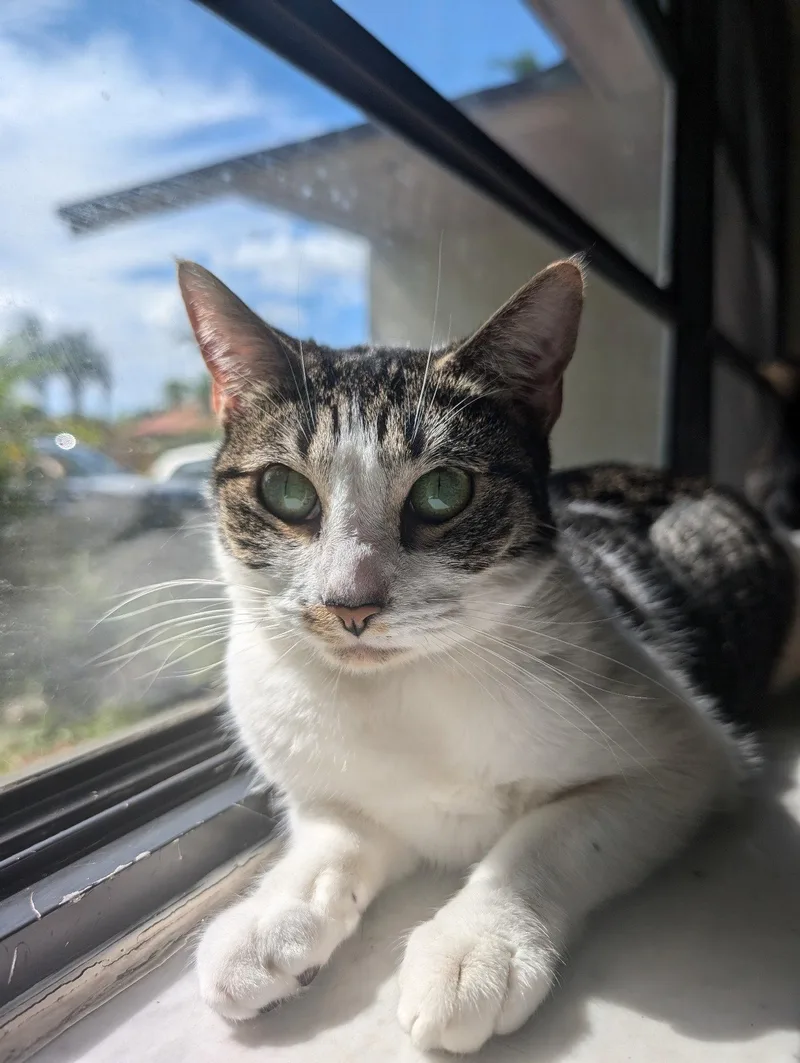
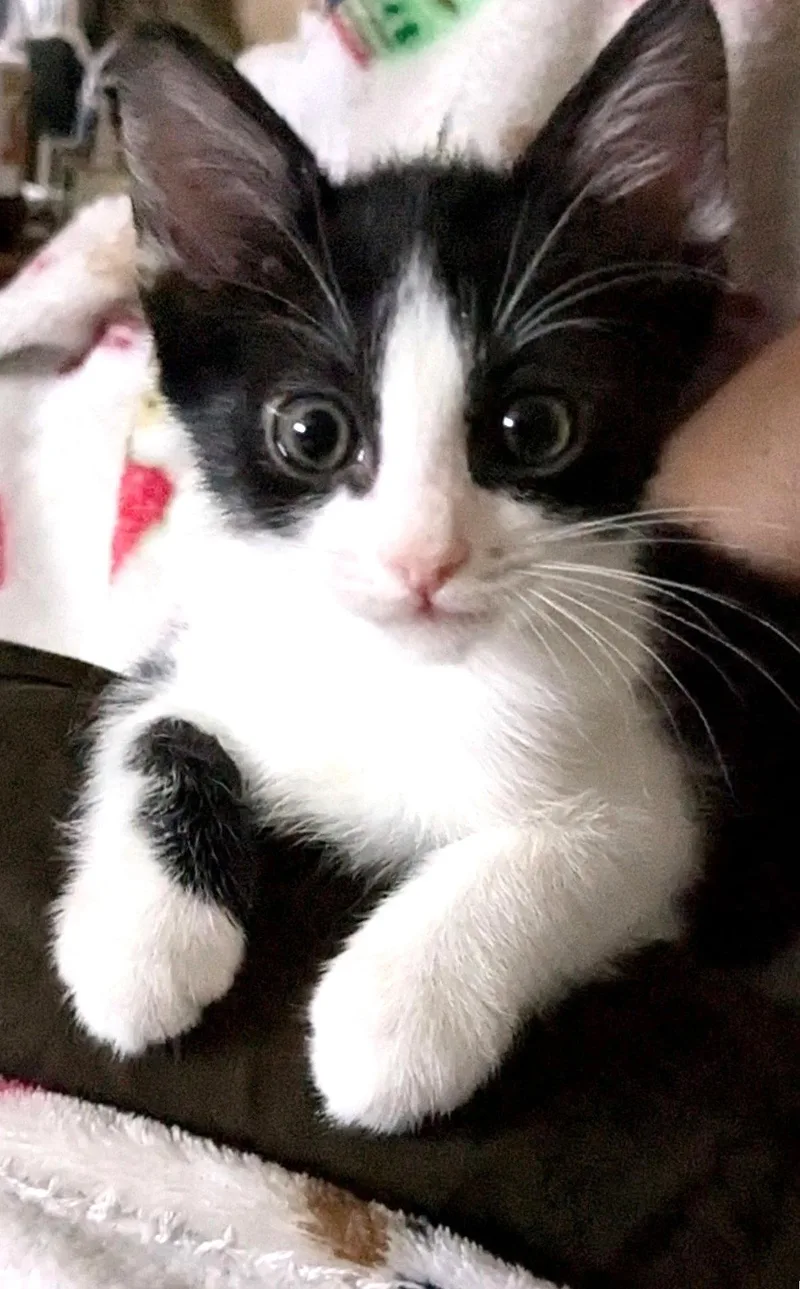
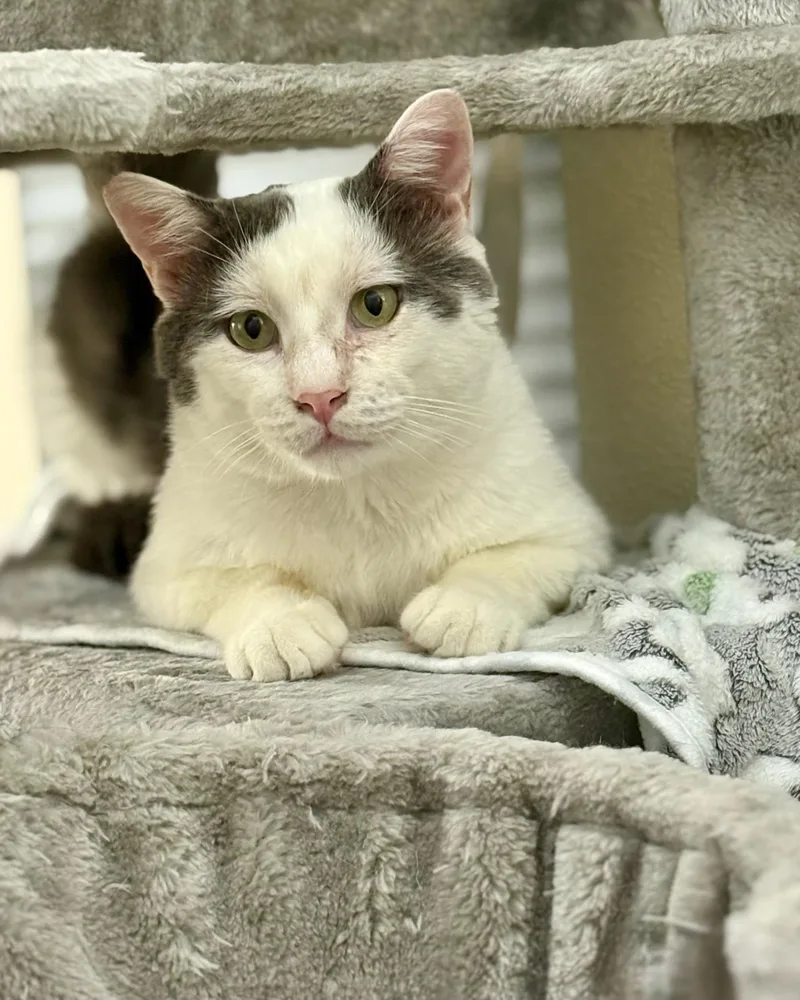
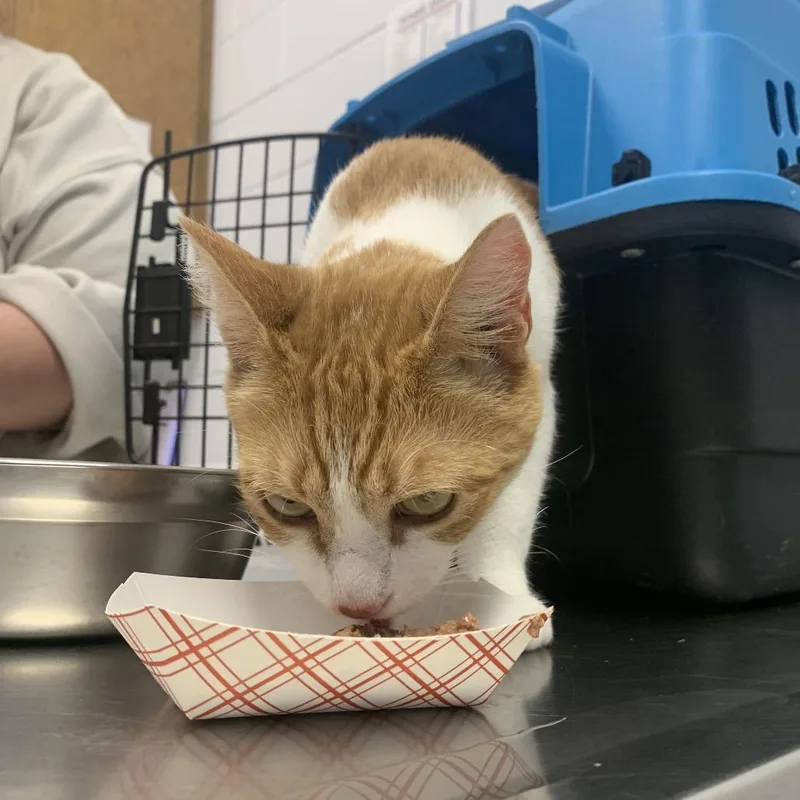
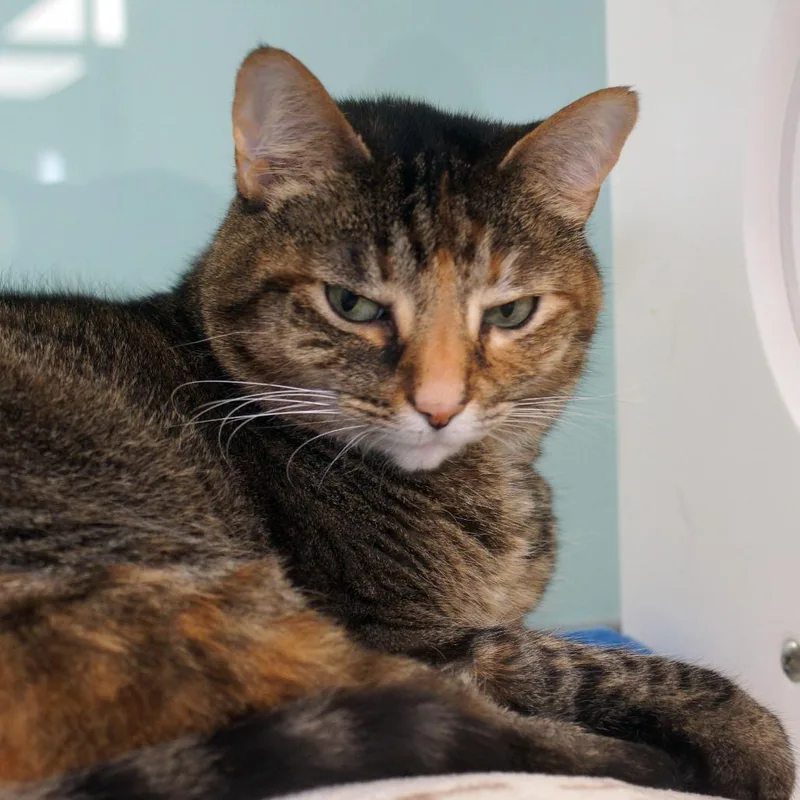
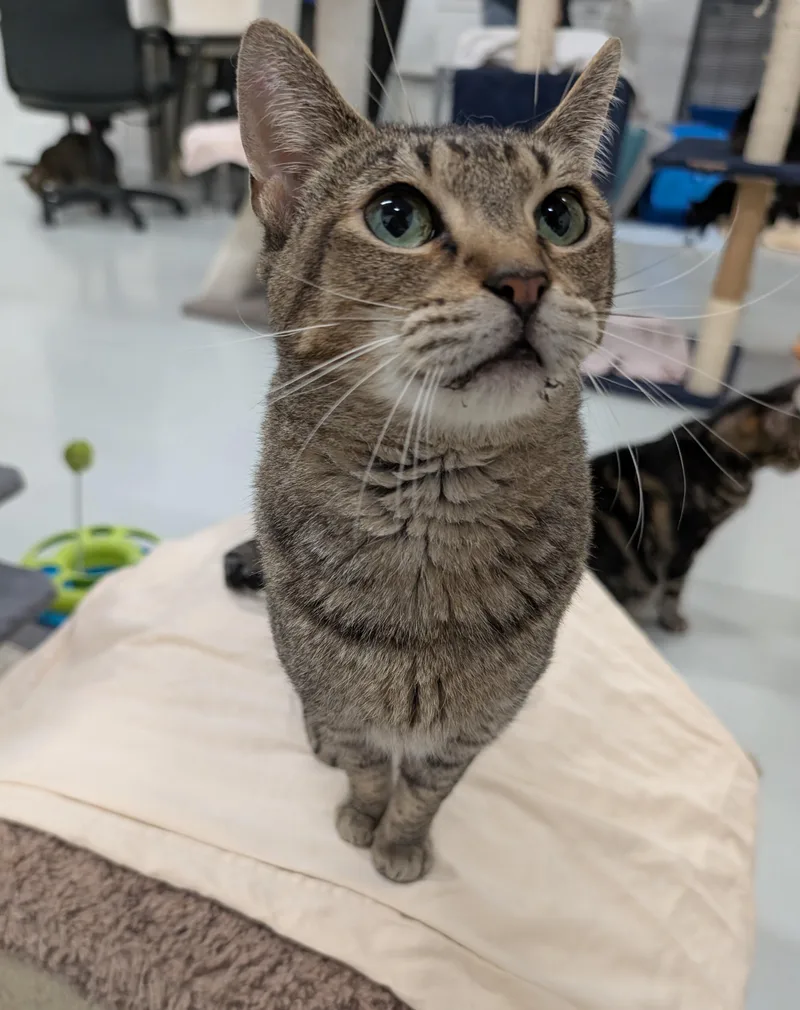
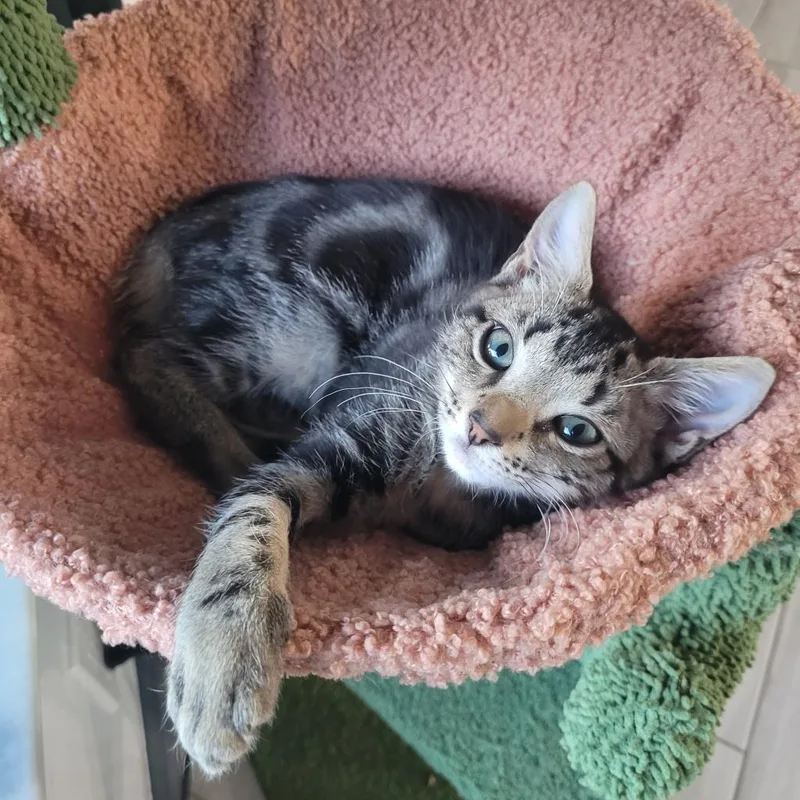
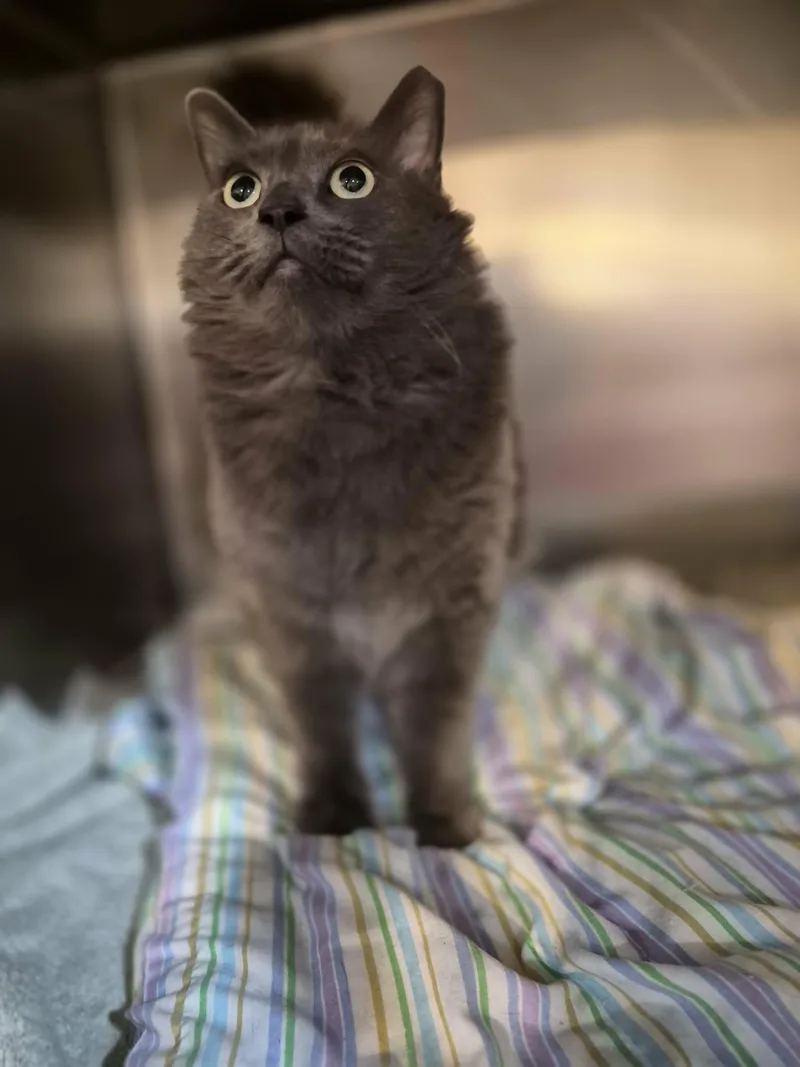
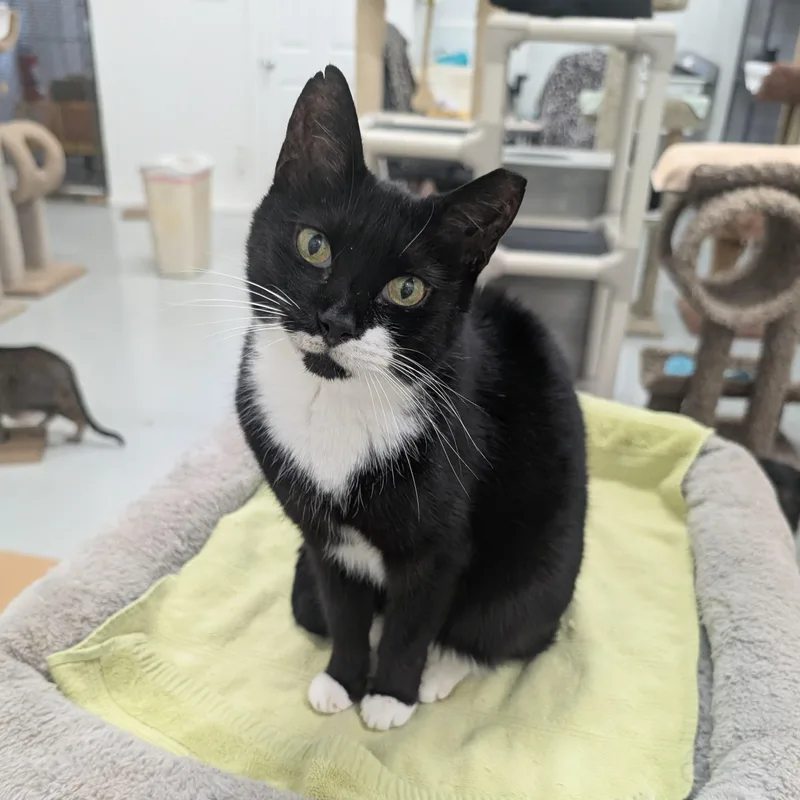
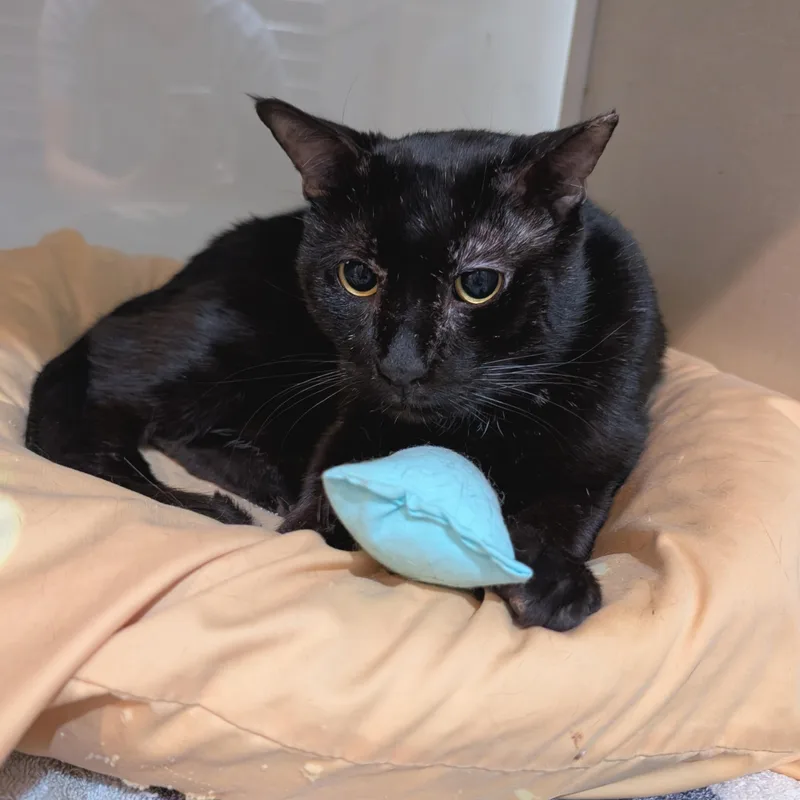
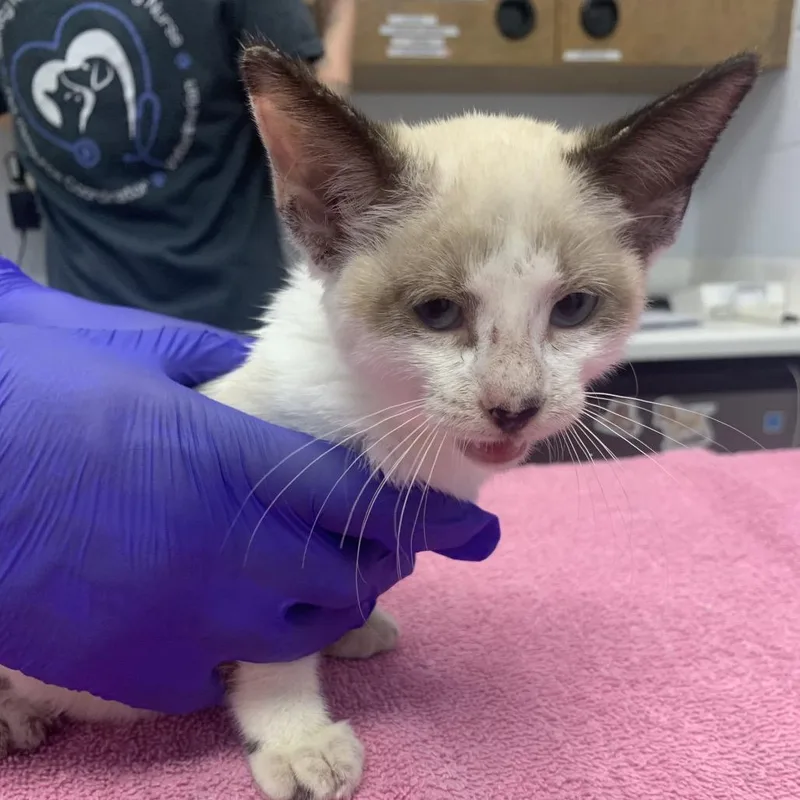
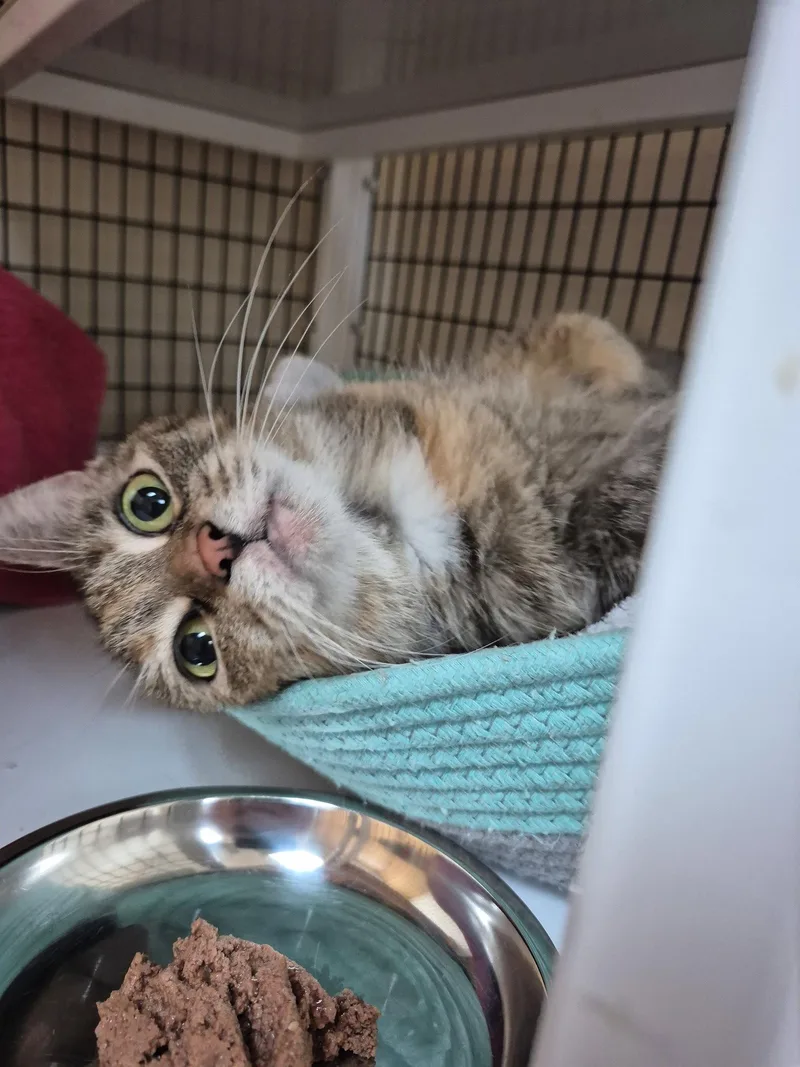
American Shorthair cat

American Shorthair Cats for Adoption in West Palm Beach, FL

Your guide to finding and caring for an American Shorthair in West Palm Beach

American Shorthairs suit West Palm Beach's bungalows and condos because they're calm cats that don't need much room. In a Grandview Heights bungalow or a CityPlace apartment, an American Shorthair will claim a sunny window and watch the street for hours. They like a couple of short wand-toy sessions a day and tend to be easy company for busy people. If you're adopting one here, expect a sturdy, quiet cat that does fine indoors.

3545 American Shorthairs available in West Palm Beach and nationwide

Adopt an American Shorthair today

American Shorthairs Available for Adoption Near West Palm Beach

About the American Shorthair breed

The American Shorthair began as a working cat. Settlers carried cats on ships to keep rodents off cargo, and their descendants guarded barns and farms across North America. The breed was recognized early in the twentieth century and renamed American Shorthair in the 1960s. It's a medium-to-large, muscular cat with a broad face, full cheeks and a dense, hard-textured short coat in dozens of colors, with the silver tabby the best known.

Many American Shorthairs are easygoing and quietly affectionate, happy to supervise the household without demanding attention. They enjoy hunting-style play and gain weight easily, which matters for cats that live mostly indoors. Many shorthaired cats in shelters are random-bred domestic shorthairs with a similar look, so adopters may meet cats with the same easy traits under either name.

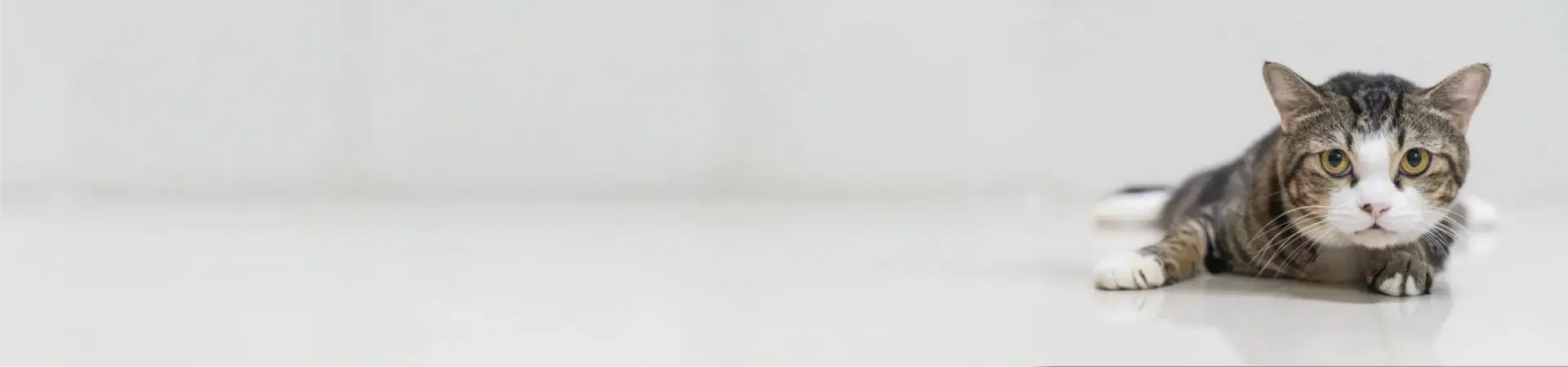
Weight
6–15 lbs
Height
8–10 in
Lifespan
12–17 yrs
Temperament
Easygoing, Adaptable, Quiet
Shedding
Moderate

Owning an American Shorthair in West Palm Beach

Having an American Shorthair in West Palm Beach

Steady, low-drama companionship is the American Shorthair's appeal. Its hunting instincts, dense coat and healthy appetite shape daily care, and in West Palm Beach, heat and storm season add a few practical points for keeping this sturdy cat comfortable indoors.

Temperament

American Shorthairs tend to be even-tempered and friendly without being clingy, and many prefer sitting beside you to being carried. They're usually quiet, with soft chirps instead of loud demands. Respectful children and calm dogs are often fine after slow introductions. Each cat's history and socialization shape its personality as much as breed does.

Exercise Needs

Plan two or three short play sessions a day with wand toys, chase games or food puzzles that tap the breed's hunting instinct. Window perches and a cat tree add activity indoors. Because many American Shorthairs are relaxed and food-motivated, structured play helps prevent weight gain, especially in indoor and older cats. Midday heat makes indoor play the easiest routine here.

Health Considerations

American Shorthairs are generally robust, and obesity is the most common preventable problem, raising the risk of diabetes and arthritis. Hypertrophic cardiomyopathy and polycystic kidney disease have been reported in the breed. Measured meals, regular exams and dental care help, and a veterinarian can screen a newly adopted cat and advise on year-round flea and heartworm prevention in this warm climate.

Living Space

An American Shorthair adapts well to a condo, apartment or house as long as it has scratching posts, perches, hiding spots and daily play. Indoor living or a secure enclosure keeps this strong hunter safe and protects local wildlife. Put sturdy screens on windows and balconies, since birds and lizards outside can tempt a cat to bolt.

What it costs to own an American Shorthair in West Palm Beach

ExpenseTypical costPer year
Adoption fee$50 to $100, one time$50 to $100 in year one
Food$25 to $50 per month$300 to $600
Pet insurance$25 to $50 per month$300 to $600
Routine vet care$150 to $350 per year$150 to $350
Other*$465 to $1,165 per year$465 to $1,165
Estimated yearly total (after year one)$1,215 to $2,715
First-year total (with adoption fee)$1,265 to $2,815

Adoption fee is the range of fees on American Shorthair listings in West Palm Beach on GetBuddy today. Other costs are estimates and vary with size, age and health.

* The $15 Palm Beach County license tag for a spayed or neutered cat, cat litter, flea and heartworm prevention, a dental cleaning allowance, toys, scratching posts and other supplies, and simple brushing at home.

American Shorthair cat

Adopt an American Shorthair in West Palm Beach.

Now that you know more, let’s find you a new best friend. These rescues and shelters below currently have American Shorthairs available.

Rescues in West Palm Beach with American Shorthairs Available

The West Palm Beach area has a county shelter and private rescue groups caring for cats and kittens. Here are the rescues & shelters in the West Palm Beach area where you can find American Shorthairs and other cats available for adoption.

Frequently Asked Questions

Yes. Florida doesn't allow cities or housing authorities to set breed-specific rules, so no breed restriction applies to an American Shorthair in West Palm Beach. A private landlord or condo association can still set its own pet policy. Many shorthaired cats are domestic shorthairs that look just like American Shorthairs, so browse the cats listed here for the look and personality you want.

Yes, American Shorthairs usually do well in apartments and condos because they're calm and moderately active. Give the cat a window perch, a tall scratching post and a few short play sessions daily. Use secure screens on windows and balconies, and keep the air conditioning running on hot afternoons so the cat stays comfortable.

Yes, as indoor cats. About 74 days a year reach 90°F and summer nights stay in the mid-70s, so an American Shorthair should live in air conditioning with fresh water always available. Its dense coat isn't suited to long outdoor stints in the heat, so skip afternoon outdoor time from June through September.

Sometimes, in a carrier. Tri-Rail allows small pets only inside a proper carrying cage. Brightline accepts cats in a closed, leak-proof carrier, with a pet fee added to the reservation. Palm Tran publishes a service-animal rule but no clear pet rule, so check its current policy before boarding a bus with a cat.

Very little. A weekly brushing handles the short, dense coat, and a few sessions a week help during the spring undercoat shed. Warm, humid weather doesn't change the routine, but it makes flea prevention a year-round habit. Home brushing is all most owners need, so grooming adds little to the Other costs.

An American Shorthair is a pedigreed North American cat breed descended from the working cats that came over with European settlers to control rodents. It is a sturdy, muscular, medium-to-large cat with a round face, full cheeks and a thick short coat in many colors, most famously silver tabby. Many are calm, adaptable and quietly affectionate.

American Shorthairs shed a moderate amount. Their dense coat drops hair year-round, with a heavier shed in spring when the undercoat thins and a lighter one in fall. Brushing a few times a week with a slicker brush or grooming mitt keeps loose hair under control and reduces hairballs. Sudden bald patches or excessive shedding deserve a veterinary visit.

Yes, American Shorthairs are usually friendly, easygoing cats. Many greet family members, get along with visitors once settled and tolerate children and other pets well after gradual introductions. They tend to be sociable without being demanding. Personality still varies, so an adopted cat's history and behavior in its foster or shelter home are the best guide.

We have 2 rescues with American Shorthairs available: Adopt A Cat Foundation Inc. and Peggy Adams Animal Rescue League. You can see every rescue with American Shorthairs available in the list above these questions, or scroll to the top to see the American Shorthairs near West Palm Beach.

Plan on roughly $1,215 to $2,715 a year for an American Shorthair in West Palm Beach. That's $25 to $50 a month for food, $25 to $50 a month for insurance, $150 to $350 a year for routine vet care, and $465 to $1,165 a year for other costs like litter and prevention. One-time setup and any illness are extra.