Tonkinese Cats for Adoption in Spring Hill, FL

Your guide to finding and caring for a Tonkinese in Spring Hill

2001 cats similar to Tonkinese available in Spring Hill and nationwide

Open your home to a Tonkinese

Tonkinese and Similar Breeds Available for Adoption Near Spring Hill

About the Tonkinese breed

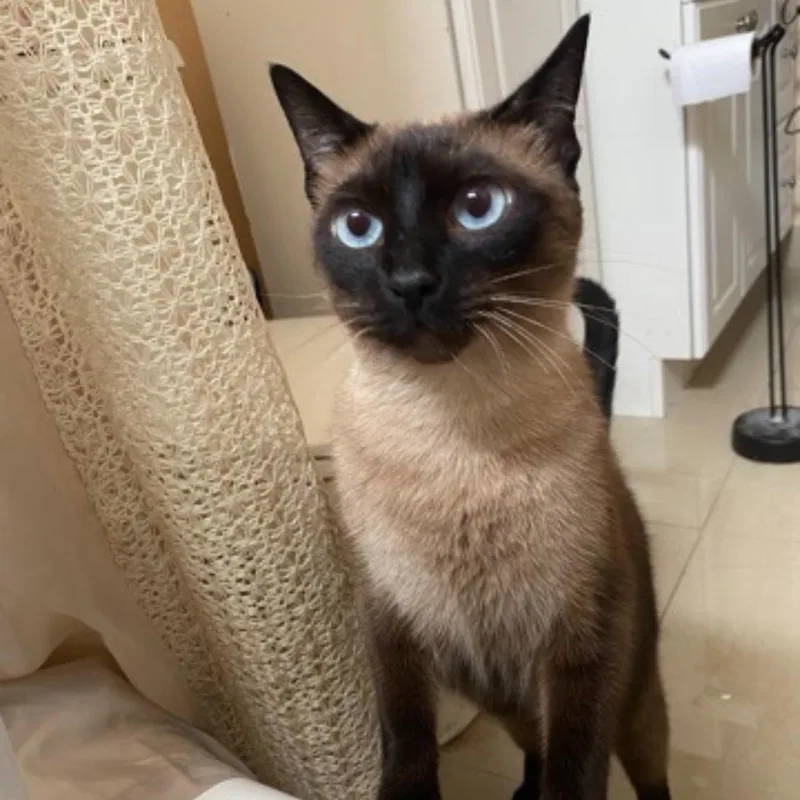
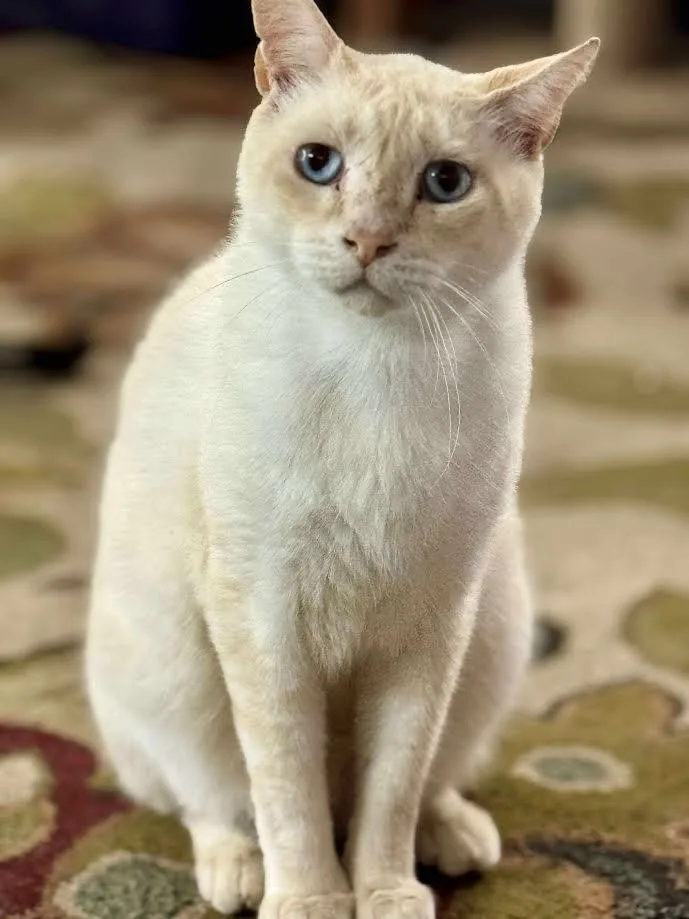
Part Siamese and part Burmese, the Tonkinese was developed in Canada and the United States in the 1960s, though cats of this blend appeared much earlier. It is a medium-sized, muscular cat that feels heavier than it looks, with a soft, short coat. Tonkinese come in three patterns, each with its own eye color: pointed cats have blue eyes, minks have aqua eyes and solids have green to gold eyes, in natural, champagne, blue or platinum.

Many Tonkinese are outgoing, playful and people-focused, greeting visitors and following their families from room to room. They tend to be talkative, though usually softer-voiced than a Siamese. This sociable streak means they often dislike long hours alone and may do best with another pet for company. Their easy-care coat, robust health and steady curiosity make them engaging companions for active households.

Weight
6–12 lbs
Height
7–10 in
Lifespan
12–18 yrs
Temperament
Social, Affectionate, Playful
Shedding
Low

Owning a Tonkinese in Spring Hill

Having a Tonkinese in Spring Hill

A Tonkinese brings Siamese chattiness and Burmese warmth together in one sturdy cat. Its need for company, playful energy and love of climbing shape daily life, so how much time someone spends at home matters as much as how much space they have.

Temperament

Tonkinese tend to be outgoing, affectionate cats that treat visitors as new friends and want to be involved in whatever their people are doing. Many get along with children, other cats and cat-friendly dogs after gradual introductions. They often talk back when spoken to. Individual cats vary, so watch how each one handles new people and surroundings.

Exercise Needs

Expect an active, curious cat that enjoys daily interactive play with wand toys, fetch and chase games. Many love climbing, so cat trees and shelves give an outlet. Puzzle feeders and trick training engage their quick minds. A bored Tonkinese may invent its own entertainment, such as opening cabinets or racing through the house at night.

Health Considerations

Tonkinese are generally robust, partly because of their mixed ancestry, but older cats are prone to gingivitis and dental disease, so early tooth-brushing habits help. Kidney disease and weight gain also appear in the breed. Share any available records with a veterinarian and keep up with yearly exams, dental care and vaccinations.

Living Space

A Tonkinese can be happy in an apartment or a house when it has climbing spots, window perches and plenty of company. Space matters less than attention, and a cat that is alone most of the day may do better with a feline companion. Their trusting nature makes indoor living or a secure enclosure the safest arrangement.

What it costs to own a Tonkinese

ExpenseTypical costPer year
Food$25 to $50 per month$300 to $600
Pet insurance$25 to $50 per month$300 to $600
Routine vet care$150 to $350 per year$150 to $350
Other*$450 to $1,150 per year$450 to $1,150
Estimated yearly total (after year one)$1,200 to $2,700

Other costs are national averages for Tonkinese; we don't have costs specific to Spring Hill yet.

* Litter, flea prevention, a dental cleaning allowance, toys, scratchers and cat trees, and occasional brushing supplies.

Adopt a Tonkinese in Spring Hill.

Now that you know more, let’s find you a new best friend. These rescues and shelters below currently have Tonkinese available.

Rescues in Spring Hill with Tonkinese Available

Here are the rescues & shelters in the Spring Hill area where you can find Tonkinese and other cats available for adoption.

Frequently Asked Questions

A Tonkinese is a medium-sized domestic cat breed created by crossing Siamese and Burmese cats. It has a muscular body, a soft short coat and comes in pointed, mink and solid patterns with blue, aqua or green to gold eyes. Tonkinese are known for being sociable, playful and talkative, often greeting visitors and following their people around.

No, Tonkinese cats are not hypoallergenic. No breed is, because the main cat allergen comes from saliva and skin glands, not hair alone. Their short, close coat sheds relatively little, which may help some people with mild allergies, but reactions still happen. Spend time with the specific cat before adopting if anyone at home has allergies.

Tonkinese cats come from crosses of Siamese and Burmese cats. Similar hybrids existed long ago, and Wong Mau, the cat brought to the United States in 1930 that founded the Burmese breed, was likely one. The modern Tonkinese was developed in Canada and the United States in the 1960s, and Canada recognized it first.

Yes, Tonkinese cats are usually very affectionate. Many seek out laps, sleep beside their people and follow them from room to room, and they often greet guests warmly too. They tend to want attention on their own active terms, mixing cuddles with play. A shelter cat's history can affect how quickly it warms up.

Tonkinese cats are fairly uncommon but not among the rarest breeds. They are recognized by major registries and have a steady following, yet purebred Tonkinese seldom appear in shelters. Many cats with Siamese or Burmese looks are labeled Tonkinese loosely. Checking shelter listings and breed rescue groups regularly improves the odds of finding one.

Tonkinese cats are safest living indoors, with outdoor time only in a secure enclosure or on a harness under supervision. Their friendly, trusting nature can lead them to approach strangers, cars or other animals. Veterinarians generally recommend indoor living for cats to reduce injuries, disease and parasites. Window perches and a catio offer safe outdoor stimulation.

Yes, Tonkinese cats shed, but only lightly. Their short, silky coat lies close to the body and drops less hair than many breeds, with somewhat more during seasonal changes. Brushing with a rubber brush a few times a month, or weekly, removes loose hair and keeps the coat glossy. Sudden heavy shedding deserves a veterinary check.

Tonkinese cats typically live about 12 to 18 years, and many indoor cats reach their late teens. Their mixed Siamese and Burmese background is often credited with good general health. Dental care matters especially, since older Tonkinese are prone to gum disease. Healthy weight and regular veterinary visits support a long life.

Tonkinese cats do well on a complete, balanced commercial cat food with high-quality animal protein. Measured meals help, since this food-loving breed can gain weight, especially after spaying or neutering. Wet food adds moisture that supports kidney and urinary health. Dental treats or prescription dental diets can help with the breed's tendency toward gum disease.

We have 1 rescue with Tonkinese available: Paw Warriors. You can see every rescue with Tonkinese available in the list above these questions.