Torbie Cats for Adoption in Pensacola, FL

Your guide to finding and caring for a Torbie in Pensacola

A torbie fits Pensacola's mix of small downtown cottages and older bungalows without much fuss. In an Aragon townhouse or a Cordova Park condo, a window perch and a few play sessions a day cover most of what a cat wants. Torbie is a coat pattern, not a breed, so these cats vary: some are chatty, some shy. Plan on moderate shedding, and on keeping the air conditioning running through the humid months.

328 Torbies available in Pensacola and nationwide

Fall for a Torbie

While we don't have enough cats near Pensacola, keep in mind that many rescues may offer transport.

Torbies Available for Adoption Near Pensacola

About the Torbie breed

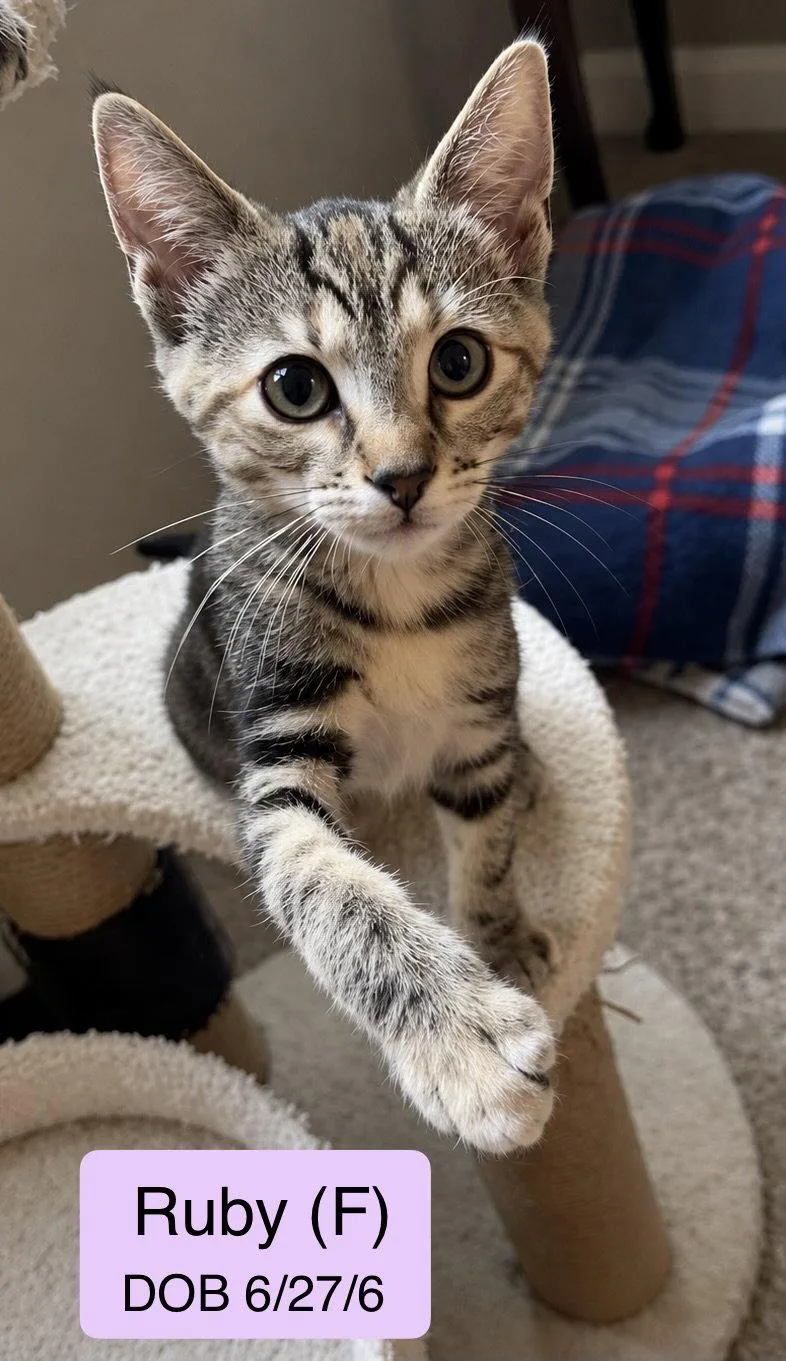
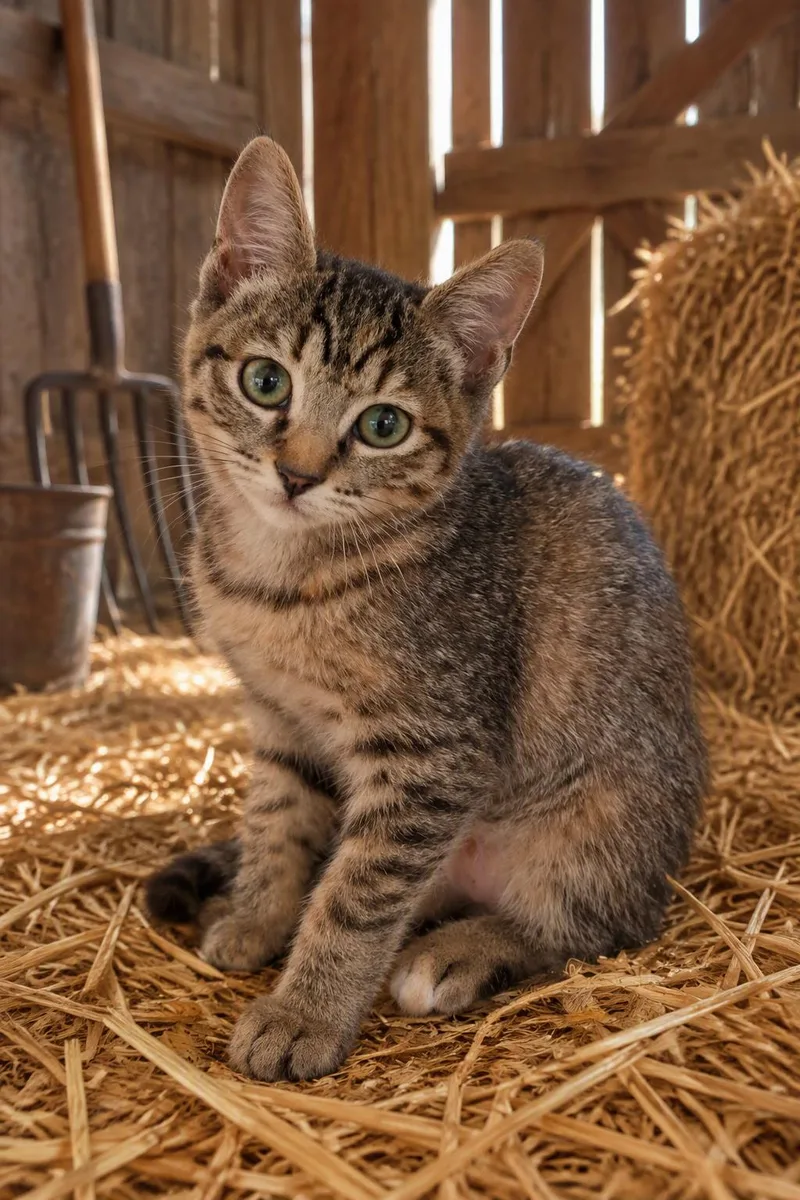
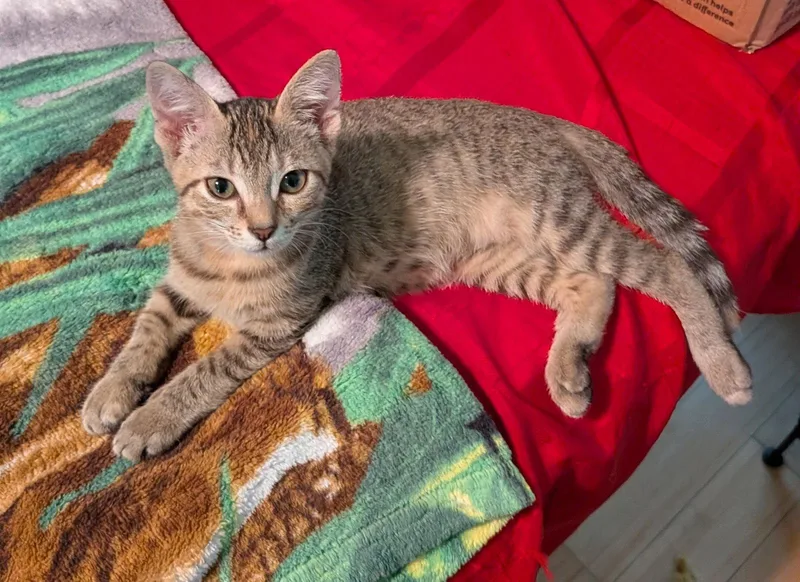
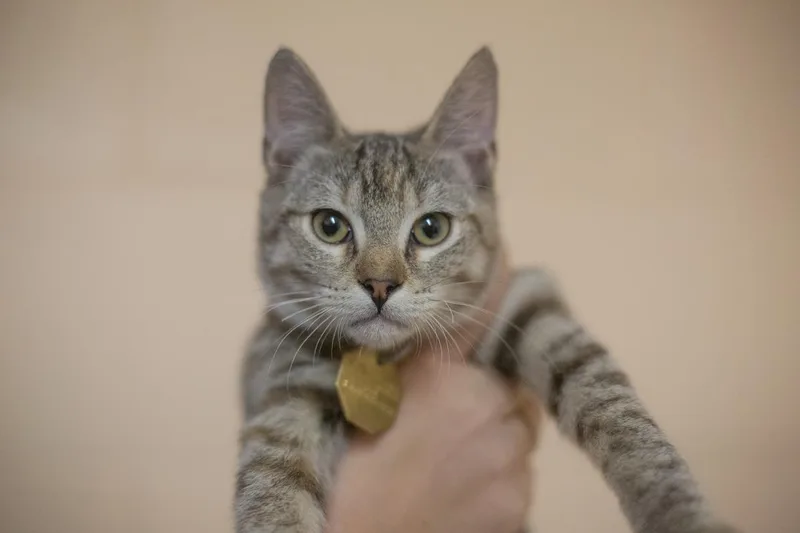
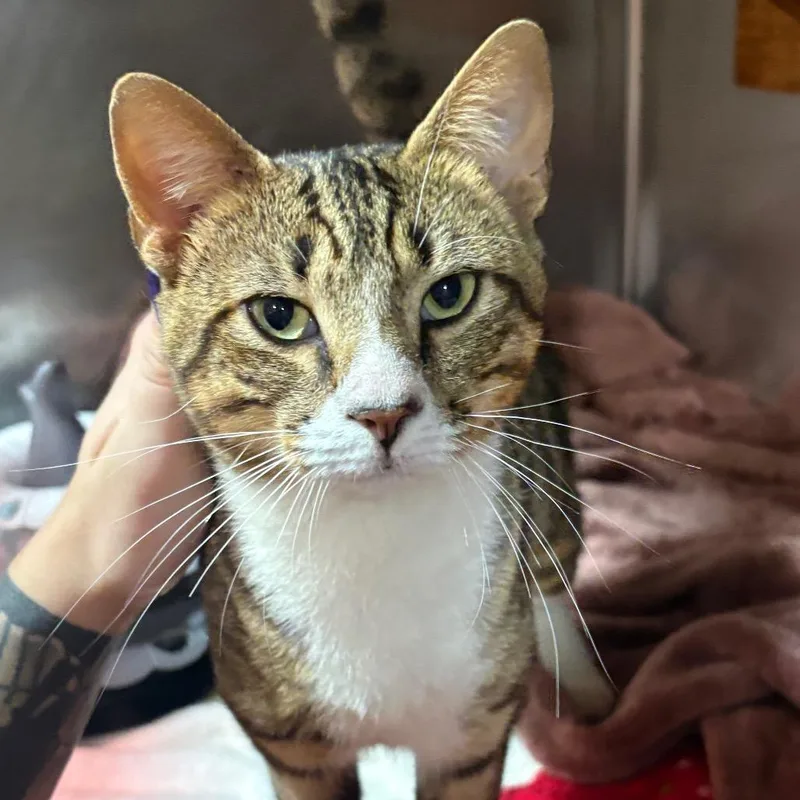
Torbie describes a coat, not a breed. The pattern blends tortoiseshell patches of black-based and orange-based color with tabby stripes, swirls or spots, and many torbies show the tabby M on the forehead. Brown, dilute blue-and-cream and silver versions all exist, and a torbie with a lot of white is sometimes called a caliby. Nearly all are female.

Most torbies in Pensacola homes are domestic shorthairs or longhairs, medium cats of roughly 6 to 14 pounds that often live 12 to 18 years. Coat color doesn't predict personality, so a torbie may be playful, curious, affectionate or reserved. Shedding is moderate, and a weekly brush handles most of it. Because the pattern says little about the cat, spend time with the cats listed on this page and let how each one behaves guide you.

Weight
6–14 lbs
Height
8–10 in
Lifespan
12–18 yrs
Temperament
Playful, Affectionate, Curious
Shedding
Moderate

Owning a Torbie in Pensacola

Having a Torbie in Pensacola

Torbie names a coat, so these cards describe domestic cats in general, with notes for Pensacola. Energy, health and personality depend on each cat's age, background and history, not on the pattern.

Temperament

Torbies are often called spirited, chatty or affectionate, but that comes from owner stories rather than research. Shelter torbies run from shy to outgoing. In Pensacola's apartments and condos, a cat that tolerates neighbors' noise and visitors does well, while a shy one settles best in a quieter home. Time with a cat shows fit better than coat does.

Exercise Needs

Plan on daily interactive play: wand toys, chase games, puzzle feeders and climbing space. Young torbies may want several short sessions, while older cats prefer gentler ones. Summer heat and afternoon storms keep Pensacola cats indoors much of the time, so a cat tree by a window and evening play sessions stand in for roaming outside.

Health Considerations

The torbie pattern carries no known health risks in female cats, and the rare male torbie is usually sterile and may have added issues. Health depends on age and care, so plan for yearly exams, dental care and a healthy weight. In Pensacola's warm, humid climate, ask a veterinarian about year-round flea prevention.

Living Space

Torbies do well in a downtown apartment, a cottage or a house with a yard. Scratching posts, window perches and hiding spots matter more than square footage. Keep cats indoors or in a screened catio, since coyotes have been reported around the city and venomous cottonmouths are common in the area.

What it costs to own a Torbie in Pensacola

ExpenseTypical costPer year
Food$25 to $50 per month$300 to $600
Pet insurance$20 to $45 per month$240 to $540
Routine vet care$150 to $350 per year$150 to $350
Other*$465 to $1,165 per year$465 to $1,165
Estimated yearly total (after year one)$1,155 to $2,655

Other costs are estimates and vary with size, age and health.

* The $15 Escambia County license for a spayed or neutered cat, litter, flea prevention, a yearly dental cleaning allowance, toys and supplies, and home grooming.

Adopt a Torbie in Pensacola.

Now that you know more, let’s find you a new best friend. These rescues and shelters below currently have Torbies available.

Rescues in Pensacola with Torbies Available

Pensacola's rescue community includes a county animal shelter and a nonprofit humane society that place cats and dogs in new homes. Here are the rescues & shelters in the Pensacola area where you can find Torbies and other cats available for adoption.

Frequently Asked Questions

Yes, a torbie suits Pensacola best as an indoor cat in a home with a cool spot, window perches and a storm plan. Coat color doesn't set personality, so fit depends on each cat's age and temperament. Plan for hurricane season with a carrier, vaccination records and an ID tag, and for summer humidity with steady air conditioning.

Torbies can handle Pensacola summers indoors. Highs reach the low 90s with humid, mid-70s nights, so keep air conditioning or fans running, with shade and fresh water in several spots. Never leave a cat in a parked car. Heavy panting, drooling or weakness can signal heatstroke and need urgent veterinary care.

Yes, a torbie can live happily in a Pensacola apartment, since cats need enrichment more than square footage: scratching posts, window perches and daily play. Keep the litter box fresh, because odors that reach neighbors can count as a county nuisance. Get the landlord's pet terms in writing before you sign a lease.

Yes, you can get a torbie in Pensacola. Florida prohibits breed-specific local rules, and torbie is only a coat pattern anyway. You'll need an Escambia County license for the cat, a rabies vaccination from 4 months of age, and a tag on the collar. Browse the cats listed on this page to see who's up for adoption.

No, pets can't ride Escambia County Area Transit (ECAT) buses in Pensacola. The system allows only trained personal assistance animals, and no carrier exception is listed. Pensacola has no rail system. For vet visits, plan on a car or a ride with a friend, and keep the cat in a sturdy, secured carrier.

Most torbies need only home grooming. A weekly brush handles moderate shedding on a shorthair, while a longhaired torbie may need brushing a few times a week, especially when humid weather mats the coat. Add nail trims and dental care. Professional grooming is rarely needed, and home grooming is already counted in the Other costs line.

No, a torbie can't join you at Pensacola restaurants. Florida's dog-friendly dining law covers dogs on permitted outdoor patios only, and county rules otherwise bar animals from restaurants, with an exception for service animals. Cats are happier at home anyway, with a cool room, fresh water and a window perch while you're out.

A torbie cat is a cat whose coat combines tortoiseshell and tabby patterns, with patches of black-based and orange-based color plus tabby stripes, swirls or spots. It is a coat pattern, not a breed, and appears mostly in domestic shorthairs and longhairs. Torbies are also called tortie-tabbies or patched tabbies, and nearly all are female.

We have 1 rescue with Torbies available: Everett Animal Welfare Group. You can see every rescue with Torbies available in the list above these questions, or scroll to the top to see the Torbies near Pensacola.

A torbie in Pensacola typically runs about $1,150 to $2,650 a year, counting food at $25 to $50 a month, insurance at $20 to $45 a month, routine vet care at $150 to $350 a year, and other costs at $465 to $1,165 a year. Adoption fees vary by listing and aren't included.

Find Torbies in Nearby Cities

Expand your search to find Torbies available for adoption near Pensacola.