Tortoiseshell Cats for Adoption in Ocala, FL

Your guide to finding and caring for a Tortoiseshell in Ocala

A tortoiseshell cat fits Ocala's older bungalow streets as easily as its newer condos. In the Tuscawilla Park or Ocala Historic District, a sunny window in a 1910s house makes a good perch, and in a Fore Ranch condo off SR 200 a cat tree does the same job. Tortoiseshell is a coat pattern, so these cats run from shy to bold. Most are female, and they spend long, humid summers happily indoors.

1043 Tortoiseshells available in Ocala and nationwide

Your Tortoiseshell is waiting

While we don't have enough cats near Ocala, keep in mind that many rescues may offer transport.

Tortoiseshells Available for Adoption Near Ocala

About the Tortoiseshell breed

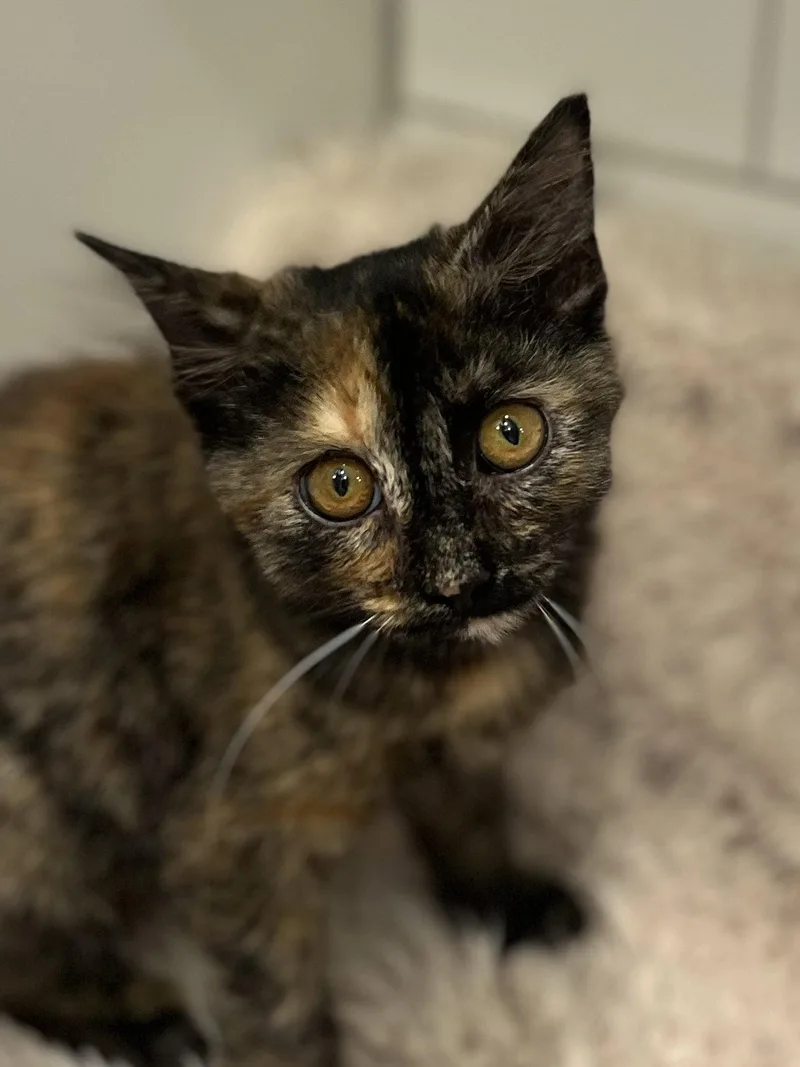
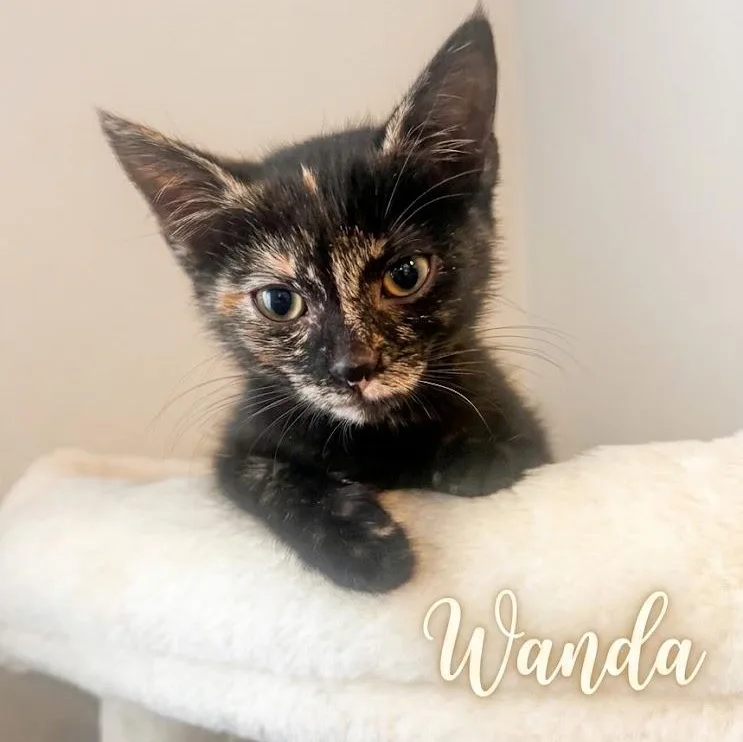
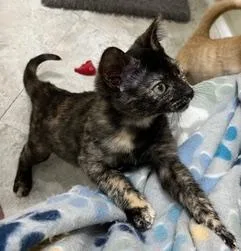
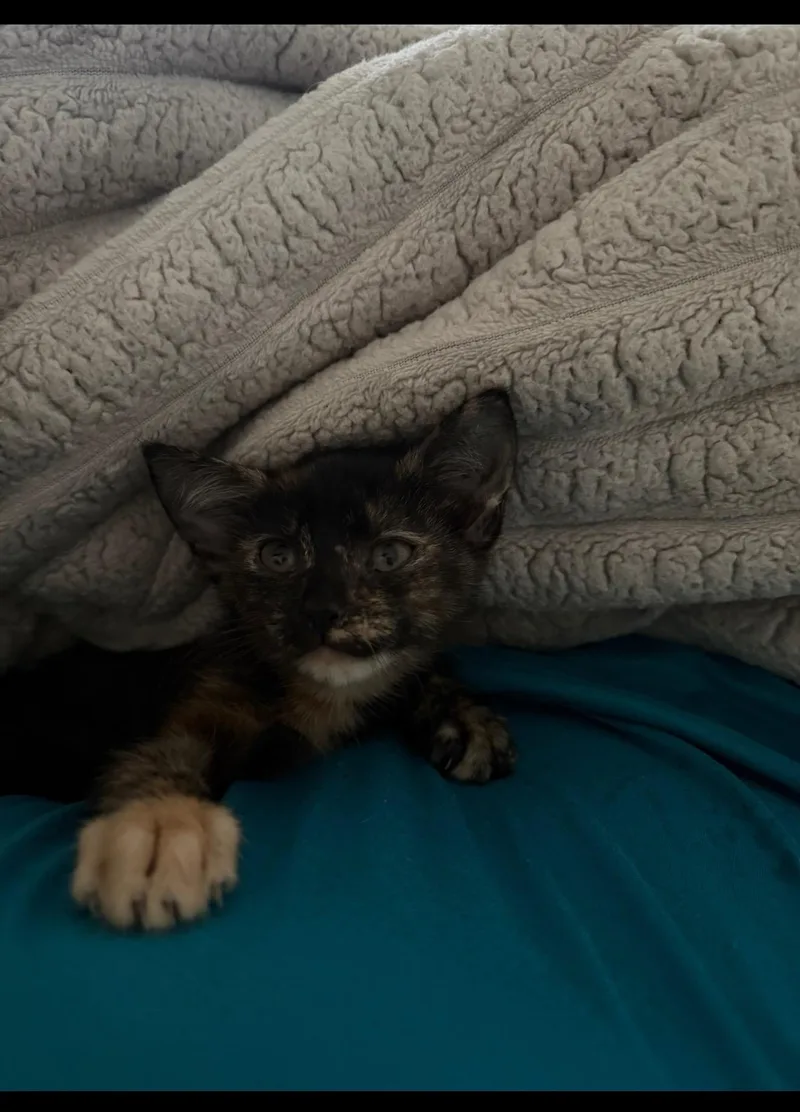
Tortoiseshell isn't a breed but a coat pattern: black-based and orange-based patches or a fine mottled blend, usually with little white. A cat with large white areas is a calico, dilute torties show soft gray and cream, and torbies add tabby stripes. Because the orange gene sits on the X chromosome, nearly all tortoiseshells are female.

Most torties adopters meet are domestic shorthairs, medium-sized at roughly 6 to 14 pounds, with lifespans of 12 to 18 years. The famous "tortitude" comes mostly from owner impressions, and a cat's age, history and socialization say more than color. In Ocala, that means planning for a long-lived indoor cat with cool rooms, steady routines and a plan for storm season.

Weight
6–14 lbs
Height
8–10 in
Lifespan
12–18 yrs
Temperament
Independent, Affectionate, Playful
Shedding
Moderate

Owning a Tortoiseshell in Ocala

Having a Tortoiseshell in Ocala

Tortoiseshell describes a coat, so a tortie's traits come from age, ancestry and upbringing. These cards cover what holds for most torties, with notes on how indoor life in Ocala's heat, storms and housing shapes daily care.

Temperament

Torties have a reputation for spirited "tortitude," but it rests on owner impressions, and the cats themselves range from shy to bold. Ocala's summer thunderstorms, plus fireworks from just outside city limits around July 4 and New Year's, can rattle sensitive cats, so give every cat a quiet hideaway.

Exercise Needs

Most torties enjoy daily interactive play with wand toys, chase games and puzzle feeders, and young cats need more of it. Because Ocala's heat and afternoon storms keep cats indoors for much of the year, two short play sessions a day and a window perch to watch birds help burn energy.

Health Considerations

The tortoiseshell pattern carries no particular health risks in females, and the rare males are usually sterile and may face extra issues. Rabies vaccination is required from four months, and fleas thrive in warm, humid places, so ask a veterinarian about year-round prevention, dental care and weight checks.

Living Space

Tortoiseshell cats do well in apartments, condos and houses alike, since space needs follow the cat rather than the coat. Ocala's mix of townhomes, condos and older bungalows all work with a cat tree, scratching post and a sunny window perch. Shy cats may prefer a calmer home.

What it costs to own a Tortoiseshell in Ocala

ExpenseTypical costPer year
Adoption fee$50 to $55, one time$50 to $55 in year one
Food$25 to $50 per month$300 to $600
Pet insurance$20 to $45 per month$240 to $540
Routine vet care$150 to $350 per year$150 to $350
Other*$450 to $1,150 per year$450 to $1,150
Estimated yearly total (after year one)$1,140 to $2,640
First-year total (with adoption fee)$1,190 to $2,695

Adoption fee is the range of fees on Tortoiseshell listings in Ocala on GetBuddy today. Other costs are estimates and vary with size, age and health.

* Litter, the county license, flea prevention, a dental cleaning allowance, toys and supplies, and home grooming.

Adopt a Tortoiseshell in Ocala.

Now that you know more, let’s find you a new best friend. These rescues and shelters below currently have Tortoiseshells available.

Frequently Asked Questions

Yes, you can. Florida law bars breed-specific rules, and coat color is never a factor anyway. Cats older than four months need a rabies vaccine and a Marion County license, due within 10 days of a new cat arriving. The tag can be skipped for a microchipped, registered cat. Landlords can still set their own pet rules.

Yes, most tortoiseshell cats adapt well to apartments, since needs depend on the cat's age and personality rather than coat. Give a cat tree, scratching post, window perch and daily play. Make sure window screens are secure, and get landlord approval in writing, including any pet fee or monthly pet rent, before moving a cat in.

Yes, indoors they handle it well. Ocala has about 110 days a year at or above 90°F, so keep the air conditioning running, offer fresh water in several spots and avoid trips in a hot car. Watch for panting, drooling or lethargy, which call for cooling the cat down and a veterinarian's help.

Most tortoiseshell cats have short coats and need a quick brush about once a week, while long-haired torties benefit from brushing several times a week. Shedding is moderate, and humidity can make loose fur cling to furniture. Home grooming costs fall within the yearly Other costs of $450 to $1,150.

Possibly, but check first. Ocala's SunTran runs buses Monday through Saturday, and service animals can ride. Rules for pets in carriers should be confirmed with SunTran before boarding. Most of Ocala is car-dependent, so vet visits are usually easier by car with a secure, well-ventilated carrier on the back seat.

Often, yes, especially for households that keep cats indoors and have air conditioning. Because tortoiseshell is a coat pattern, personality varies, so a quiet home suits a shy cat and a busy one suits a bold cat. Plan ahead for outages in storm season with water, food, litter and a carrier.

A tortoiseshell cat is a cat with a coat pattern of black-based and orange-based colors blended or patched together, usually with little or no white. It is not a breed; the pattern appears in many breeds and most often in domestic shorthairs. Nearly all tortoiseshells are female because the genes for orange and black are carried on the X chromosome.

Almost all tortoiseshell cats are female, but not all. A female has two X chromosomes and can carry both orange and black color genes, producing the mixed coat. Males normally have only one X. Rare male torties usually have an extra X chromosome or are genetic chimeras, and they are estimated at roughly 1 in 3,000 tortoiseshells.

We have 3 rescues with Tortoiseshells available: Sheltering Hands Inc., United Paws Rescue Inc and Voices of Change Animal League (VOCAL). You can see every rescue with Tortoiseshells available in the list above these questions, or scroll to the top to see the Tortoiseshells near Ocala.

A tortoiseshell typically costs about $25 to $50 a month for food and $20 to $45 for insurance, plus $150 to $350 a year for routine vet care and $450 to $1,150 a year for other costs, including litter. That works out to roughly $1,140 to $2,640 a year.