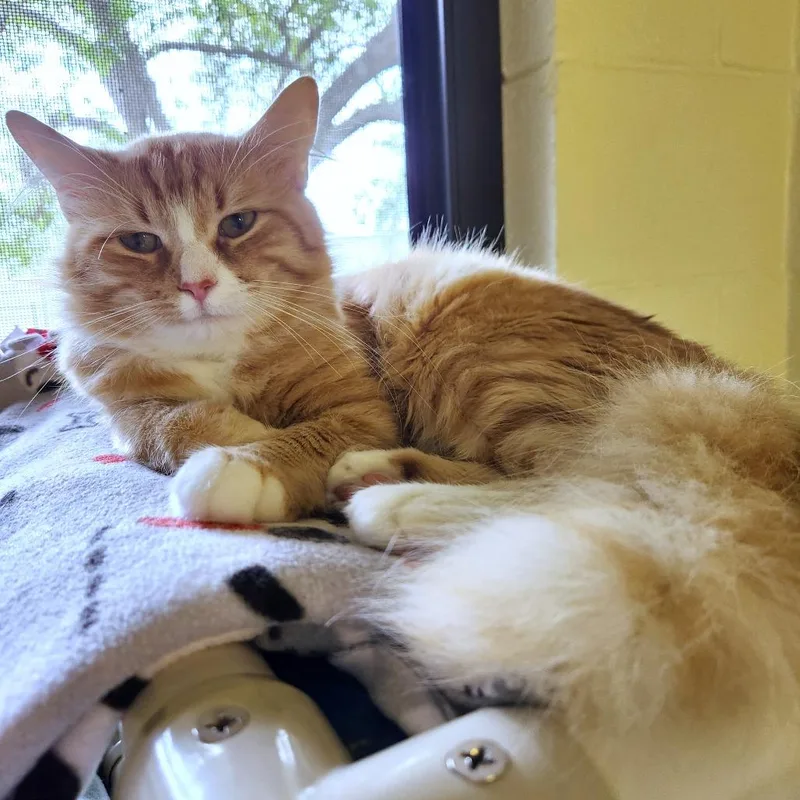
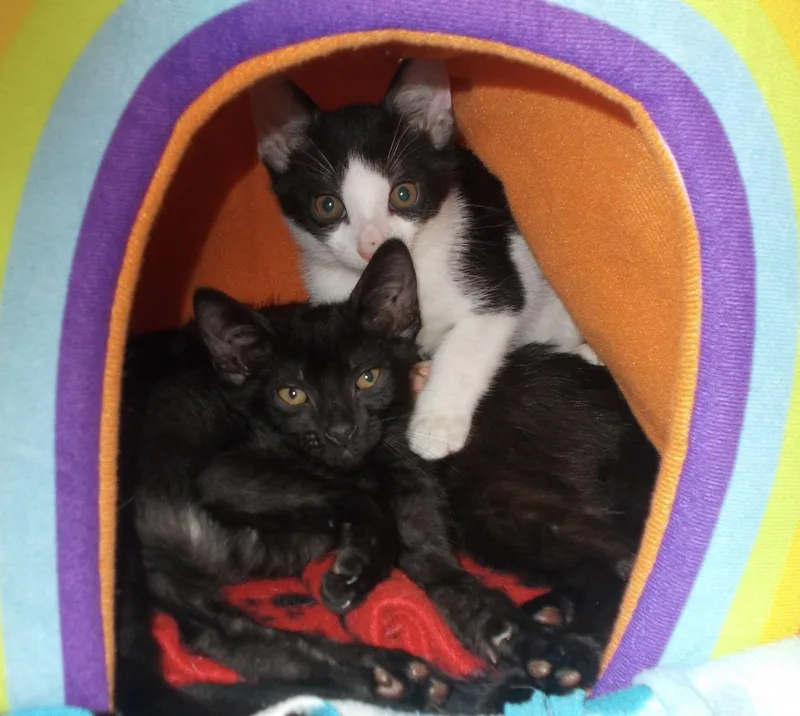
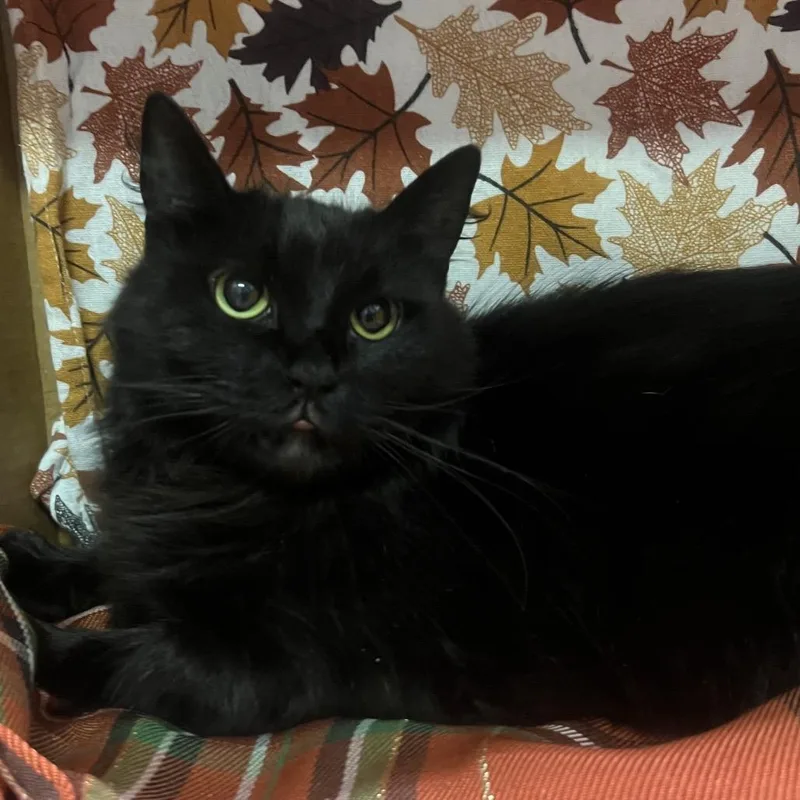
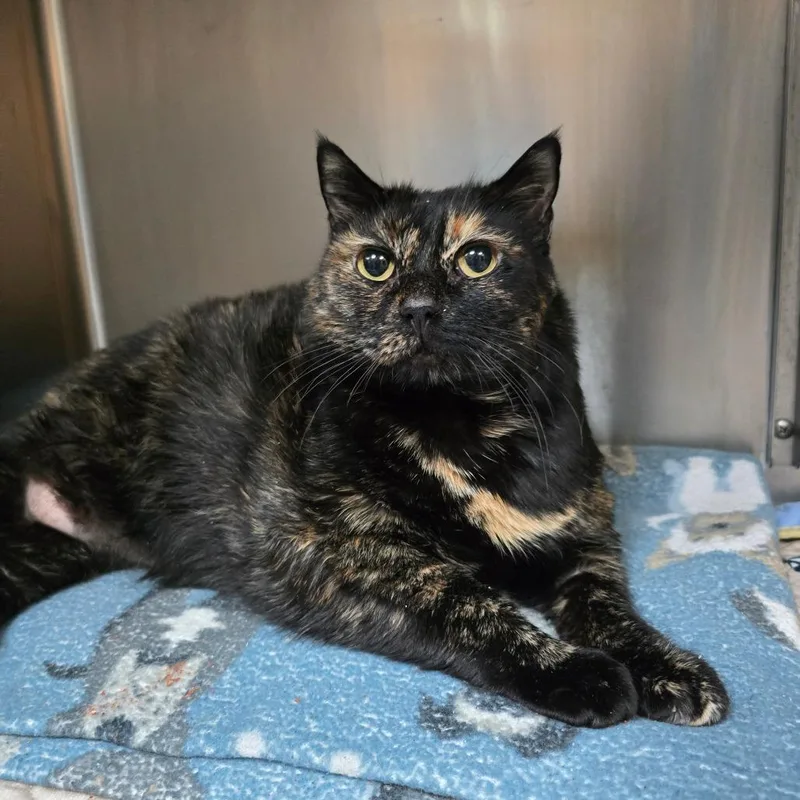
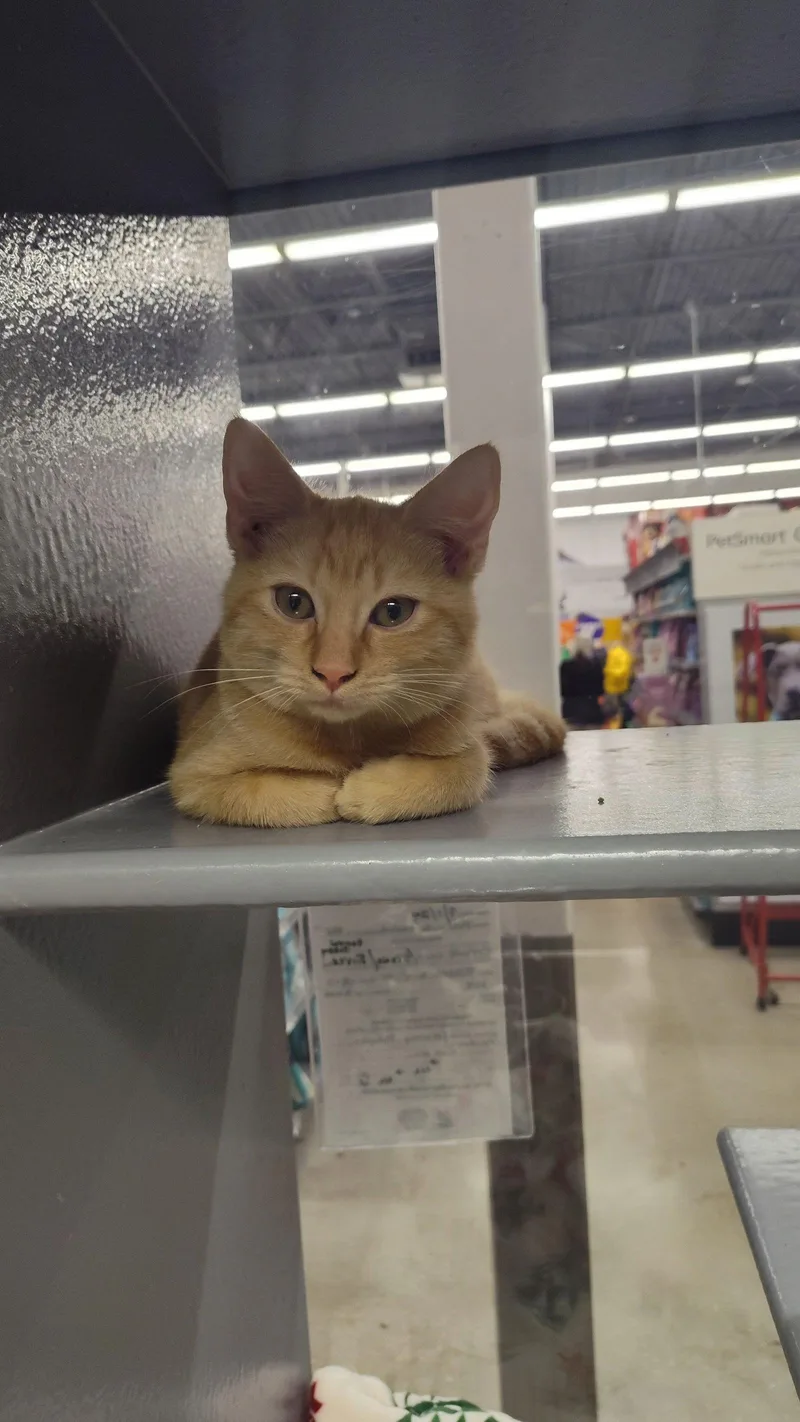
Tuxedo Cats for Adoption in Naples, FL

Your guide to finding and caring for a Tuxedo in Naples

A Tuxedo cat tends to settle into a Naples condo easily, since most are content indoors with a window to watch. Park Shore and Coquina Sands have plenty of mid-rise and high-rise buildings, and a cat doesn't need a yard to be happy in one. Tuxedo is a coat pattern, not a breed, so these cats come in every temperament, from chatty to shy. Give one a sunny perch, a scratching post and daily play, and a screened window with a Gulf breeze does the rest.

1956 Tuxedos available in Naples and nationwide

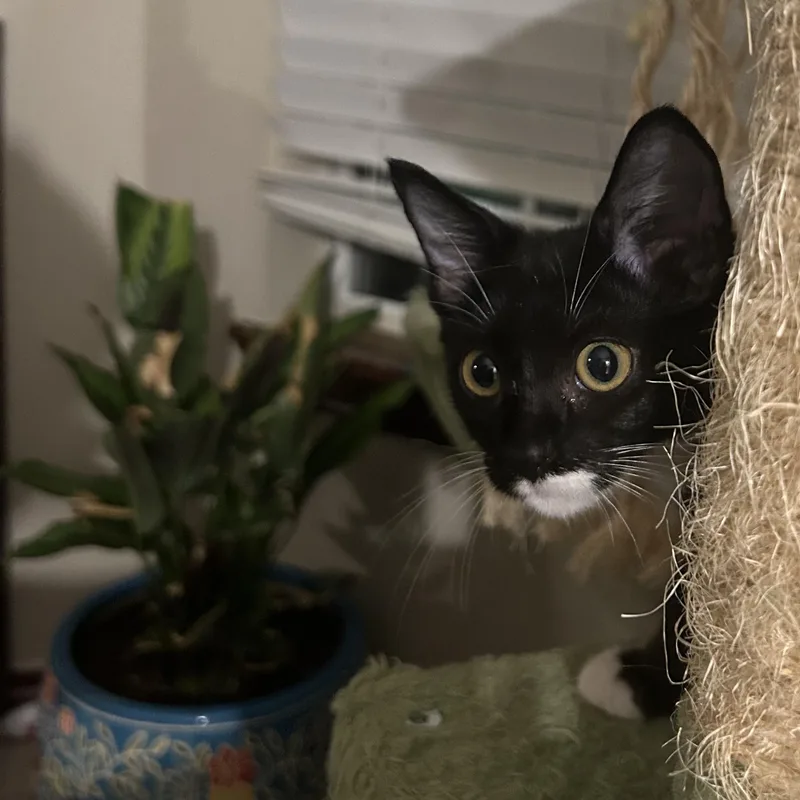
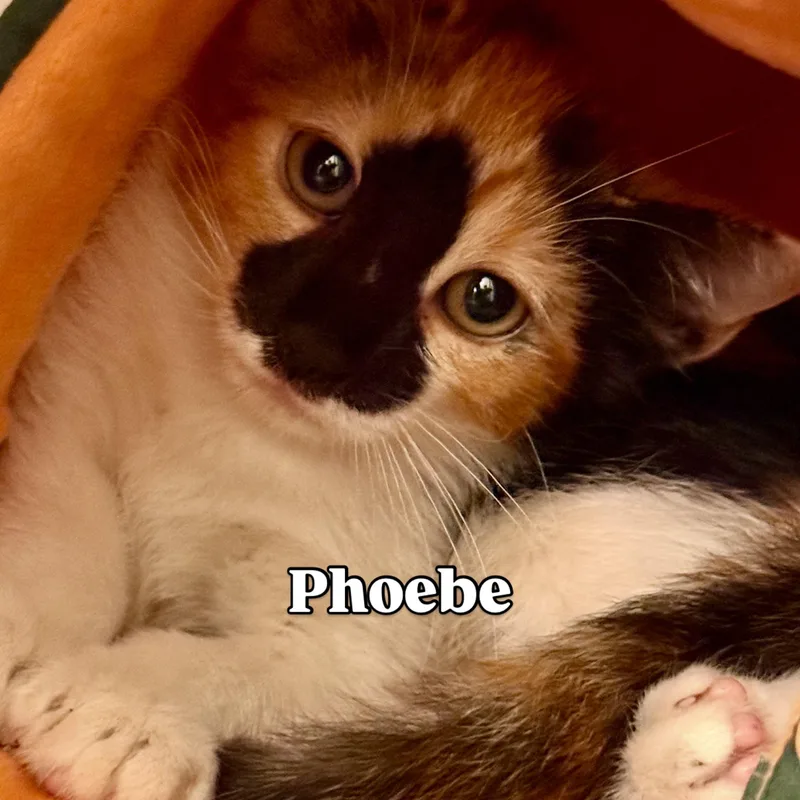
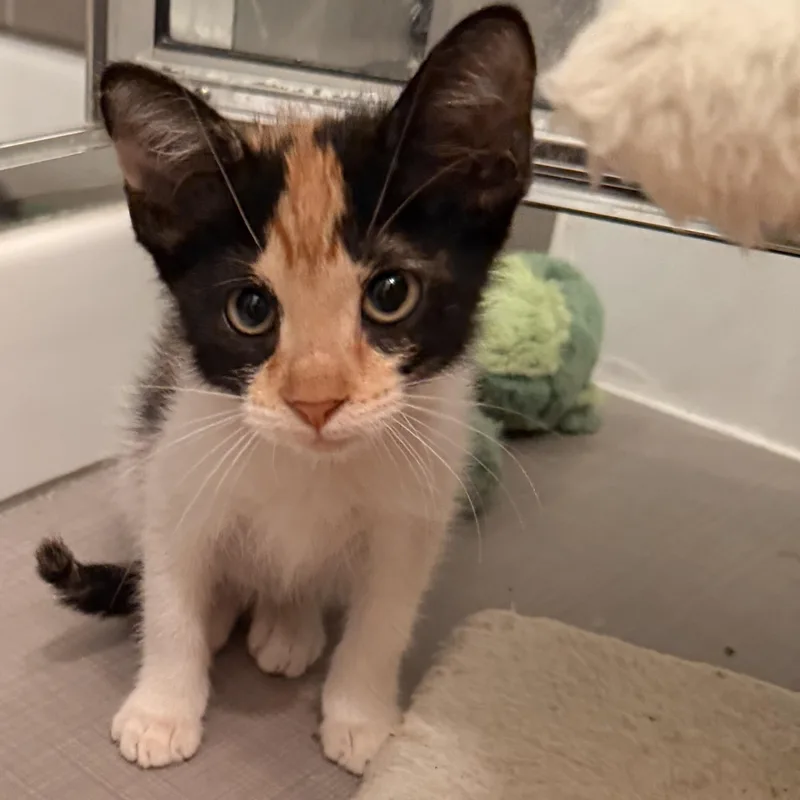
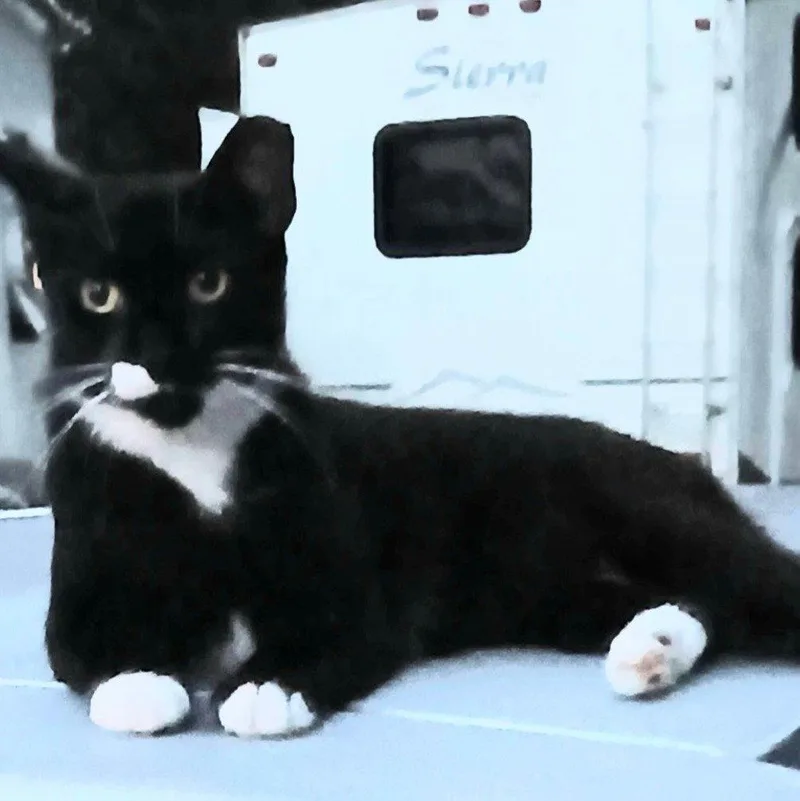
Say hello to your Tuxedo cat

While we don't have enough cats near Naples, keep in mind that many rescues may offer transport.

Tuxedos Available for Adoption Near Naples

About the Tuxedo breed

Tuxedo describes a coat, not a breed: a bicolor cat, usually black and white, with a white chest that looks like a shirtfront and often white paws, chin or a blaze on the face. Grey-and-white tuxedos exist too. The pattern comes from white spotting in the KIT gene, and because it isn't sex-linked, males and females are about equally common.

Most tuxedos are domestic shorthairs, though the pattern also turns up in breeds like the Maine Coon and Persian, which can mean a longer coat and different care. Weights run roughly 6 to 14 pounds, and many live 12 to 18 years. Color doesn't set personality, so you'll meet tuxedos of every energy level, and a calm senior may suit a condo as well as a playful young cat.

Weight
6–14 lbs
Height
8–10 in
Lifespan
12–18 yrs
Temperament
Adaptable, Playful, Affectionate
Shedding
Moderate

Owning a Tuxedo in Naples

Having a Tuxedo in Naples

A tuxedo's markings are cosmetic, so fit comes down to the cat's age, coat length, energy and history. In Naples, mostly indoor living, a cool home in summer and a hurricane-ready carrier matter far more than the pattern.

Temperament

Tuxedos can be chatty and outgoing or quiet and reserved, and color doesn't predict which. A cat that's comfortable with visitors, daily routines and the occasional thunderstorm tends to settle well in a Naples home. Patient introductions help when children or other pets are in the household.

Exercise Needs

Plan on daily interactive play: wand toys, puzzle feeders and chase games. Because summer heat keeps most Naples cats inside, climbing trees, window perches and two or three short play sessions a day stand in for outdoor roaming. Kittens and young adults may want more, while seniors prefer gentler games.

Health Considerations

The tuxedo pattern carries no known health risk. Common feline concerns include dental disease, obesity, urinary problems and, later in life, kidney disease, diabetes or hyperthyroidism. In Florida's warm climate, year-round flea and heartworm prevention matters, and a veterinarian can check a new cat's weight, teeth and parasite status.

Living Space

Condos and apartments suit most tuxedos when they have vertical space, scratching surfaces, hiding spots and a clean litter box. Screens on windows and balcony doors prevent falls, which matters in Naples's many mid-rise and high-rise buildings. A secure screened lanai can add safe fresh air.

What it costs to own a Tuxedo in Naples

ExpenseTypical costPer year
Food$25 to $50 per month$300 to $600
Pet insurance$20 to $45 per month$240 to $540
Routine vet care$150 to $350 per year$150 to $350
Other*$465 to $1,165 per year$465 to $1,165
Estimated yearly total (after year one)$1,155 to $2,655

Other costs are estimates and vary with size, age and health.

* The $15 yearly Collier County license for a spayed or neutered cat, litter, flea and heartworm prevention, a dental cleaning allowance, toys and supplies, and home grooming.

Adopt a Tuxedo in Naples.

Now that you know more, let’s find you a new best friend. These rescues and shelters below currently have Tuxedos available.

Frequently Asked Questions

Yes. Tuxedo is a coat pattern, not a breed, and neither Naples nor Collier County has breed-specific pet rules. Collier County requires cats four months and older to wear a rabies/license tag, which costs $15 a year for a spayed or neutered cat. If you rent or buy a condo, review the building's pet rules first.

Yes. Tuxedos generally do well in apartments and condos when they have vertical space, scratching spots and daily play. Naples has many condo buildings, and each association sets its own pet rules, so review any limits on cats and any pet deposits. Screens on windows and balcony doors prevent falls, and a window perch gives a cat something to watch.

Often, yes, especially for people who want an indoor companion in a condo or house with air conditioning. Heat keeps cats inside much of the year, so daily play and attention matter. Plan for hurricane season with a carrier and records. Because temperament varies from cat to cat, choose one whose energy matches your routine.

Yes, as indoor cats. Summers reach about 91°F with warm, humid nights and daily thunderstorms, so a Tuxedo does best in air conditioning with shade, fresh water and a quiet hiding place for storm noise. Never leave a cat in a parked car; Collier County officers can free animals once a vehicle hits 80°F for five minutes.

Most Tuxedos are shorthairs and need brushing about once a week, with more for longer-coated cats. Naples's warm weather keeps shedding steady, so regular brushing helps with loose hair and hairballs. Baths are rarely needed. Home grooming costs little and is part of the Other costs on this page, usually just a brush or comb.

No. Collier Area Transit buses carry only service animals and guide dogs, and no carrier exception applies, so a Tuxedo can't ride along. Naples has no subway or rail. For vet visits, plan on a car or a ride from a friend, and use a sturdy, well-ventilated carrier that your cat is used to.

We have 1 rescue with Tuxedos available: Collier Community Cat Coalition. You can see every rescue with Tuxedos available in the list above these questions, or scroll to the top to see the Tuxedos near Naples.

Expect roughly $1,150 to $2,650 a year for a Tuxedo in Naples, counting food, insurance, routine vet care and other costs. Food runs $25–$50 a month and insurance $20–$45, routine vet care adds $150–$350 a year, and litter, prevention and dental care add $465–$1,165. Emergencies and hurricane supplies come on top.