Tortoiseshell Cats for Adoption in Kissimmee, FL

Your guide to finding and caring for a Tortoiseshell in Kissimmee

Tortoiseshell cats fit Kissimmee life as well as any indoor cat does. Coat color doesn't set a cat's energy or space needs, so a tortie can be just as happy in an apartment near Lakefront Park as in a house near Mill Slough Park. Most are domestic shorthairs, and nearly all are female. Plan on a cat tree, a window perch and wand-toy sessions, which come in handy when summer afternoon thunderstorms keep everyone inside.

982 Tortoiseshells available in Kissimmee and nationwide

Your Tortoiseshell is waiting

While we don't have enough cats near Kissimmee, keep in mind that many rescues may offer transport.

Tortoiseshells Available for Adoption Near Kissimmee

About the Tortoiseshell breed

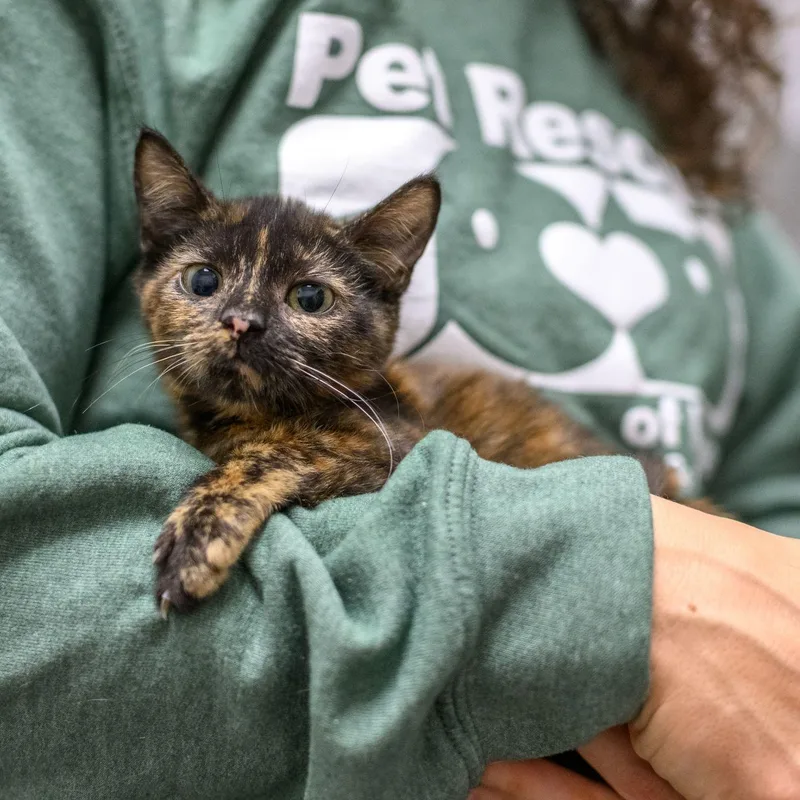
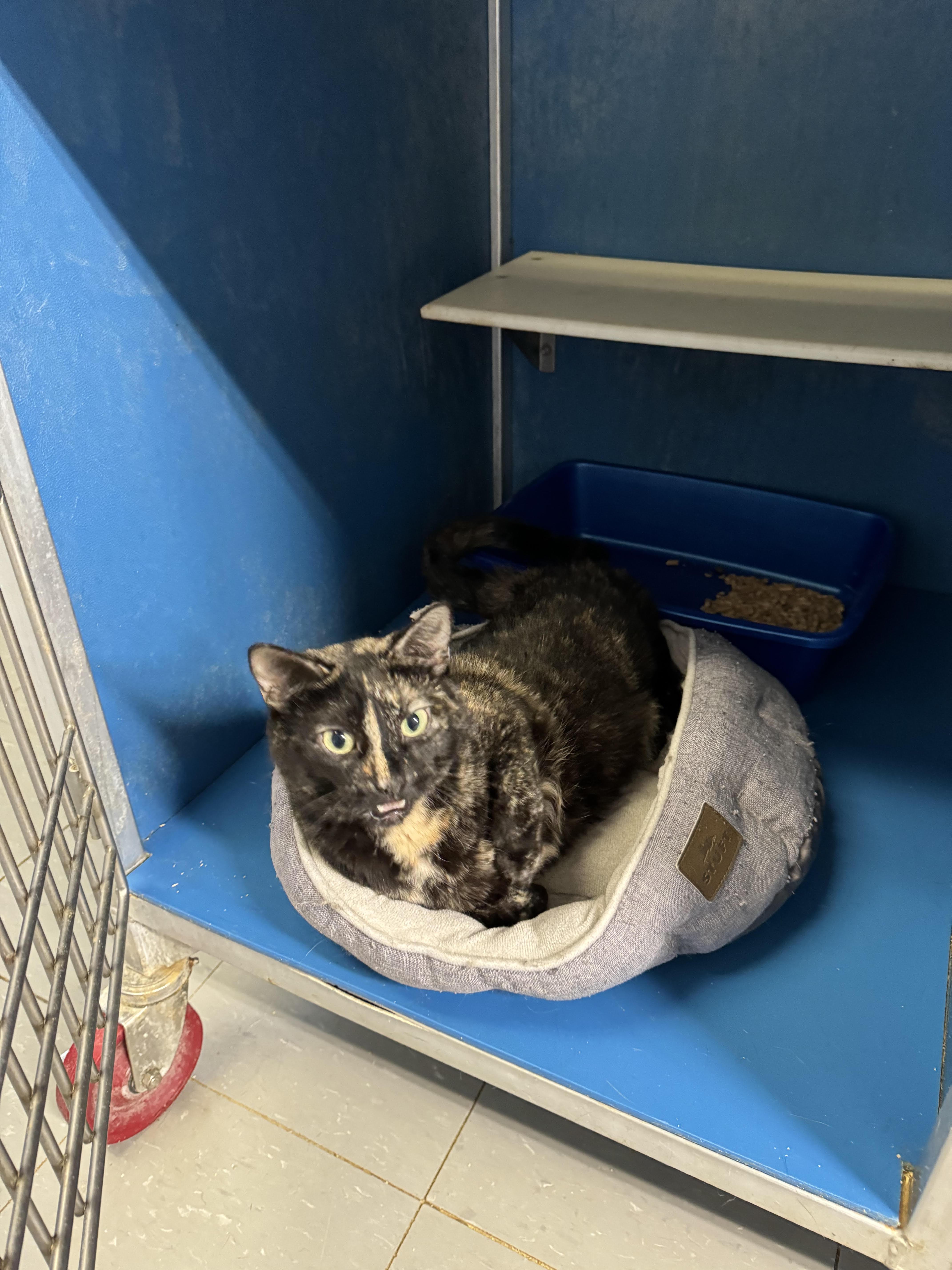
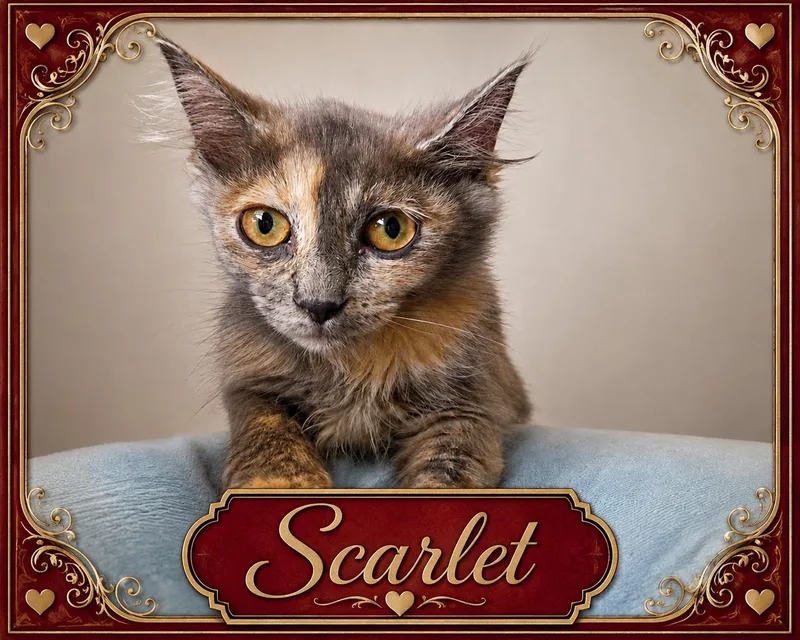
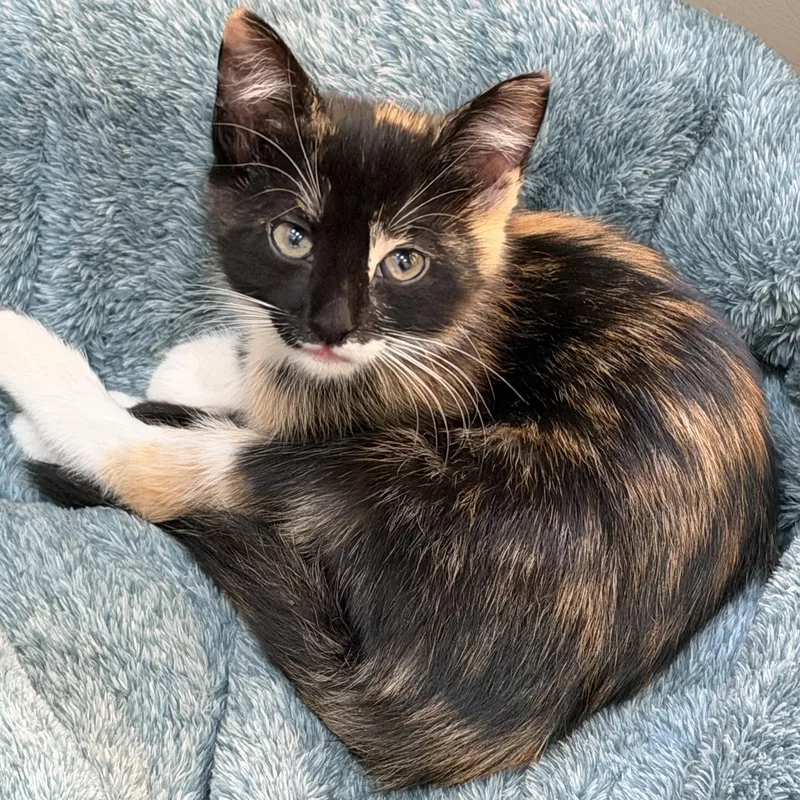
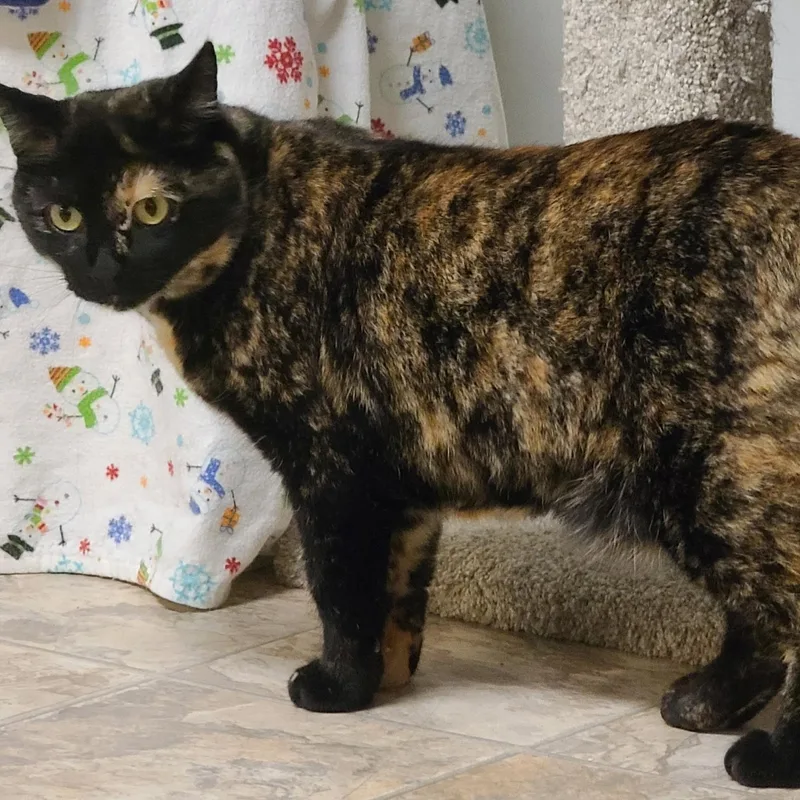
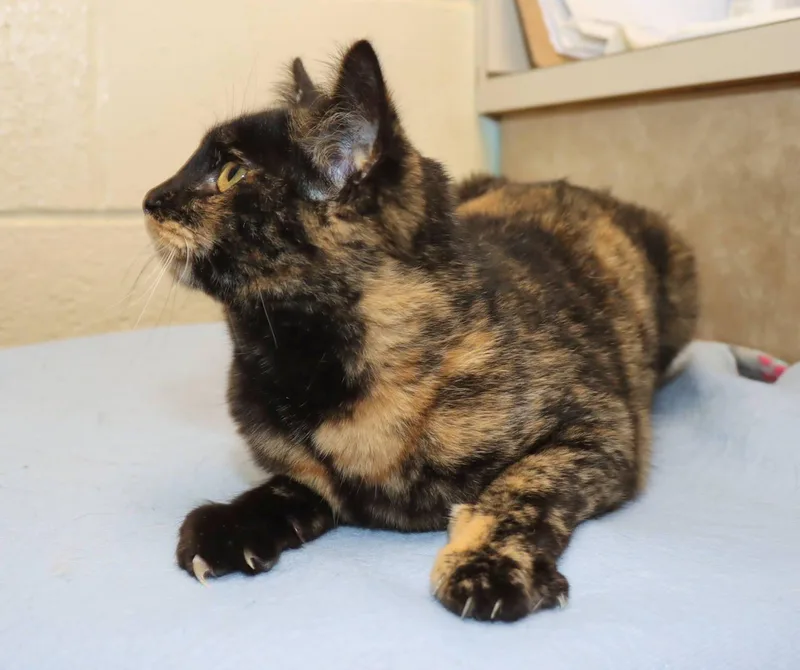
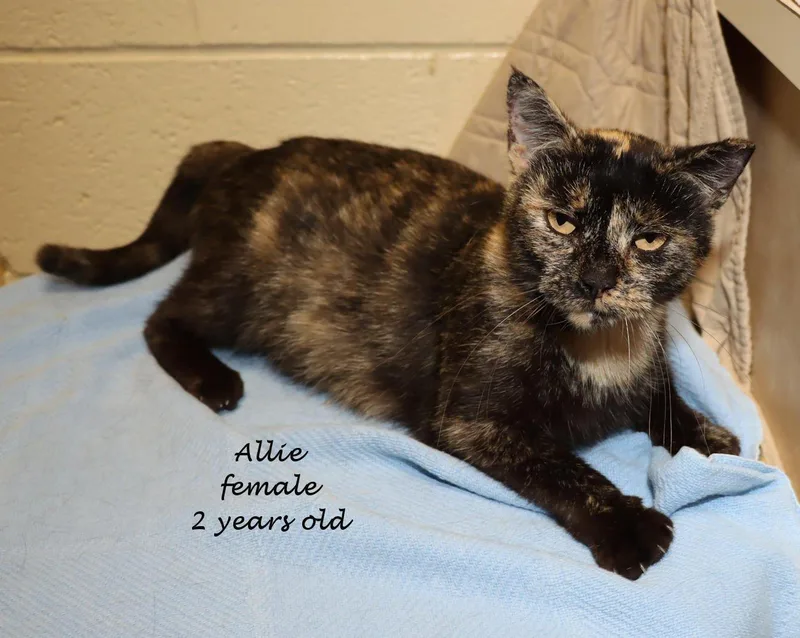
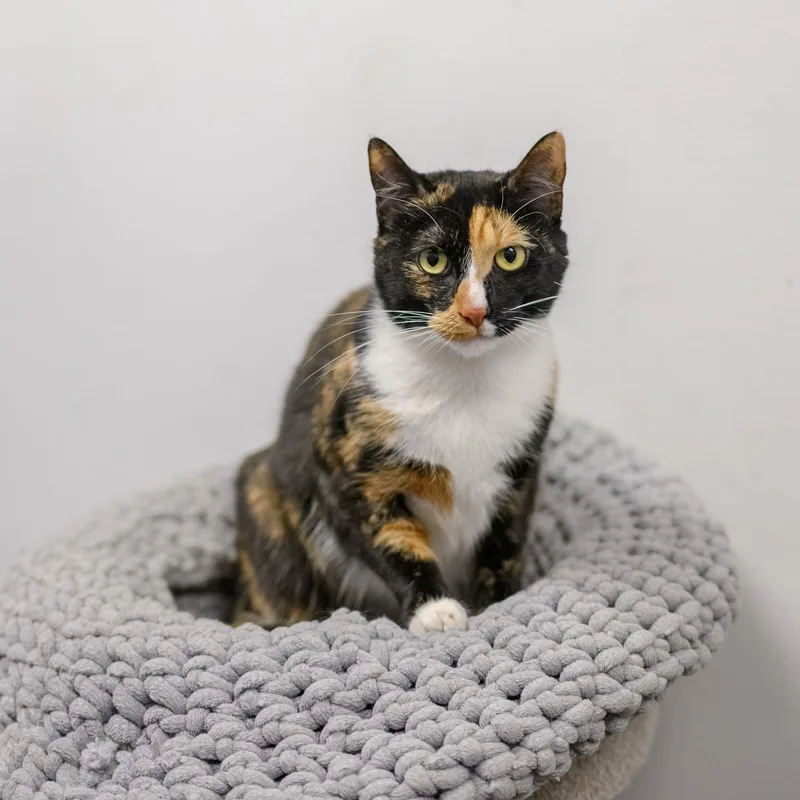
Tortoiseshell is a coat pattern, not a breed. A tortie's coat blends black-based and orange-based colors in patches or a fine mottle, usually with little or no white. A cat with large white areas is called a calico, and dilute torties look soft gray and cream. Because the orange gene sits on the X chromosome, nearly all torties are female.

Most tortoiseshells adopters meet are domestic shorthairs, though the pattern also appears in Persians, Maine Coons and British Shorthairs. Tortitude, the reputation for sass, is closer to folklore than science, so a cat's age, history and socialization say far more than her coat. Size, shedding and care are those of a typical medium domestic cat, with moderate shedding and a lifespan of roughly 12 to 18 years.

Weight
6–14 lbs
Height
8–10 in
Lifespan
12–18 yrs
Temperament
Independent, Affectionate, Playful
Shedding
Moderate

Owning a Tortoiseshell in Kissimmee

Having a Tortoiseshell in Kissimmee

Tortoiseshell describes a coat, so these traits reflect the typical domestic cat more than any color rule. In Kissimmee, that mostly means indoor living, daily play and some planning around summer heat and storm season.

Temperament

Torties have a reputation for spirit, nicknamed tortitude, but the evidence behind it is mostly owner impressions. Tortoiseshell cats run from shy to bold and from lap-loving to independent. In Kissimmee, a cat's comfort with noise matters more than her color, especially during summer thunderstorms and around July 4 fireworks.

Exercise Needs

Most tortoiseshell cats do well with daily interactive play: wand toys, chase games and puzzle feeders. Kittens and young adults usually need more, while seniors prefer gentler sessions. Kissimmee's heat and afternoon storms make indoor play the easy choice, and window perches and cat trees add variety.

Health Considerations

The tortoiseshell pattern carries no health risks for female cats, while the rare males usually have an extra X chromosome and may face added issues. Otherwise health follows ancestry and age, so yearly exams, dental care and a healthy weight matter most. In Florida's warm climate, ask a veterinarian about year-round flea prevention.

Living Space

Tortoiseshell cats adapt to apartments and houses alike, because space needs depend on the cat rather than the coat. Scratching posts, cat trees and cozy hideaways suit most of them. A shy tortie may prefer a quiet room, while a confident, social one often enjoys a busier household.

What it costs to own a Tortoiseshell in Kissimmee

ExpenseTypical costPer year
Food$25 to $50 per month$300 to $600
Pet insurance$20 to $45 per month$240 to $540
Routine vet care$150 to $350 per year$150 to $350
Other*$450 to $1,150 per year$450 to $1,150
Estimated yearly total (after year one)$1,140 to $2,640

Other costs are estimates and vary with size, age and health.

* Litter, flea and tick prevention, a dental cleaning allowance, toys and supplies, and home grooming.

Adopt a Tortoiseshell in Kissimmee.

Now that you know more, let’s find you a new best friend. These rescues and shelters below have cats available in and near Kissimmee.

Rescues and Shelters in or near Kissimmee

Shelters and rescues serving Kissimmee and greater Osceola County list their cats here, from kittens to seniors in every coat pattern. Here are the rescues & shelters in the Kissimmee area with cats available for adoption, worth asking whether a Tortoiseshell is coming in.

Frequently Asked Questions

Yes, a Tortoiseshell can live comfortably in a Kissimmee apartment, since space needs depend on the cat rather than the coat. Provide a cat tree, a window perch, a scratching post and daily play. Read the lease for pet rent, deposits and limits on the number of pets, and keep the litter box away from food.

Yes. Florida bans breed-specific rules, and a tortoiseshell pattern isn't a breed anyway. Cats four months or older need a rabies vaccine, and Osceola County requires a license tied to it, with the tag worn on the collar. The city lists a limit of five adult dogs and/or cats per property.

Yes, as indoor cats. Kissimmee reaches 90°F on about 108 days a year, mostly May through September, and summer nights stay warm. Keep the home air-conditioned, leave water out in several spots and play in the morning or evening. Hurricane season overlaps, so keep a carrier, records and supplies ready.

Yes, in a carrier. LYNX buses require a closed pet carrier that fits on your lap, and SunRail requires an enclosed carrier kept out of the aisle and off the seats. SunRail stops in Kissimmee at the downtown Kissimmee/Amtrak station and at Tupperware. Service animals are exempt from the carrier rule.

Very little. A short-haired tortie needs a brush once or twice a week to manage moderate shedding, while a long-haired one needs brushing several times a week to prevent mats. Most cats groom themselves, so professional grooming is rare. Home grooming supplies fall within the $450 to $1,150 yearly Other cost, alongside litter and prevention.

A Tortoiseshell can be a good fit if you're happy to keep a cat indoors with daily play and a hurricane plan. Kissimmee's heat, storms, alligators and coyotes make indoor life the safer choice. Personality varies from cat to cat, so a calm tortie suits a quiet home and a social one suits a busy household.

A tortoiseshell cat is a cat with a coat pattern of black-based and orange-based colors blended or patched together, usually with little or no white. It is not a breed; the pattern appears in many breeds and most often in domestic shorthairs. Nearly all tortoiseshells are female because the genes for orange and black are carried on the X chromosome.

Almost all tortoiseshell cats are female, but not all. A female has two X chromosomes and can carry both orange and black color genes, producing the mixed coat. Males normally have only one X. Rare male torties usually have an extra X chromosome or are genetic chimeras, and they are estimated at roughly 1 in 3,000 tortoiseshells.

No, tortoiseshell cats are not rare. They are common among domestic cats and are regularly found in shelters and rescues. What is rare is a male tortoiseshell, since the pattern almost always requires two X chromosomes. Certain variations, such as long-haired or dilute torties, are less common simply because they require additional recessive genes.

Expect about $25 to $50 a month for food and $20 to $45 a month for pet insurance, plus $150 to $350 a year for routine vet care. Other yearly costs, including litter, flea prevention, a dental cleaning and supplies, run roughly $450 to $1,150. Costs vary with the cat's size and coat.