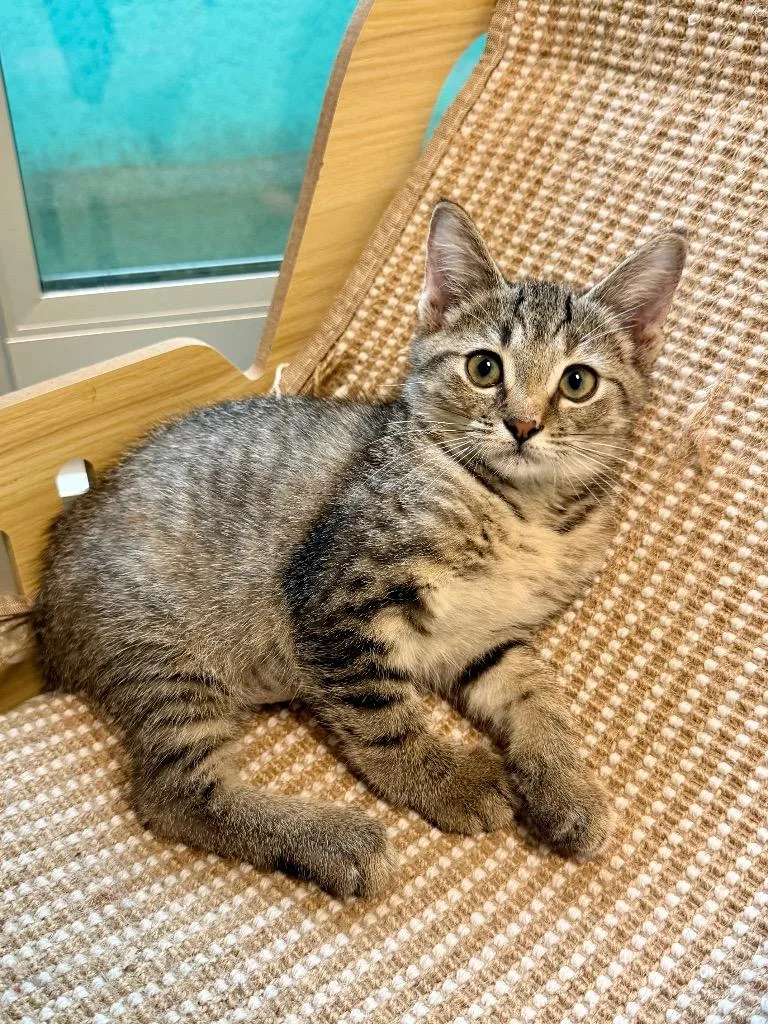
Domestic Long Hair Cats for Adoption in Cape Coral, FL

Your guide to finding and caring for a Domestic Long Hair in Cape Coral

Domestic Long Hairs do well in Cape Coral's canal-side houses as long as they stay indoors. Most homes here are single-family, so there's room for a sunny window perch overlooking a lanai or screened patio, which keeps a cat entertained without exposing it to canal wildlife. The coat does need brushing, and a cool tile floor helps on the 90-degree days. Domestic Long Hair is a coat type, not a breed, so personalities range widely, from lap cats to explorers.

6014 Domestic Long Hairs available in Cape Coral and nationwide

Your Domestic Long Hair is waiting

Domestic Long Hairs Available for Adoption Near Cape Coral

About the Domestic Long Hair breed

Domestic Long Hair isn't a breed. It's the label used for mixed-ancestry cats with a medium-to-long coat, the fluffy counterparts of the Domestic Short Hair. They come in every color and pattern, from tabby and calico to solid black and smoke, and some resemble a Maine Coon or Persian without sharing that ancestry.

Because there's no breed standard, size and personality vary from cat to cat, though most adults weigh 8 to 15 pounds. What they share is a coat that needs regular brushing to prevent mats and hairballs. In Cape Coral, that means a cat that does best indoors, with a brushing routine and a cool spot to rest. Meeting the cat tells you far more than the label does.


Weight
8–15 lbs
Height
8–11 in
Lifespan
12–18 yrs
Temperament
Adaptable, Affectionate, Gentle
Shedding
Moderate to High

Owning a Domestic Long Hair in Cape Coral

Having a Domestic Long Hair in Cape Coral

Domestic Long Hair describes a coat, not a pedigree, so traits differ from one cat to the next. In Cape Coral, the practical points are brushing a long coat, keeping a thick-furred cat comfortable in the heat and keeping it safely indoors.

Temperament

Personality comes from each cat's genes, early socialization and life experience rather than a breed profile. Many Domestic Long Hairs are affectionate and adaptable once settled, while others are shy or bold. In a Cape Coral house, a relaxed cat may nap by a sunny window, while a livelier one will want a perch and toys.

Exercise Needs

Most Domestic Long Hairs enjoy a couple of short daily play sessions with wand toys, balls or puzzle feeders. Indoor play matters in Cape Coral, where heat and humidity make outdoor time unappealing for much of the year. Climbing shelves and window perches add enrichment, and staying lean helps long-coated cats groom themselves.

Health Considerations

Mixed ancestry brings broad genetic diversity, so Domestic Long Hairs aren't tied to a particular breed's inherited conditions. Mats, hairballs and soiled fur are the usual coat problems, especially in older or overweight cats. Year-round flea prevention suits Cape Coral's warm climate, and a veterinarian can check teeth, weight and kidneys at regular visits.

Living Space

A Domestic Long Hair can thrive in a house or apartment with litter boxes, scratching posts, hiding spots and places to climb. Cape Coral's single-family homes offer plenty of room, and a screened lanai can give a supervised taste of fresh air. Cool resting spots matter for a thick-coated cat, and grooming matters more than square footage.

What it costs to own a Domestic Long Hair in Cape Coral

ExpenseTypical costPer year
Food$25 to $50 per month$300 to $600
Pet insurance$20 to $45 per month$240 to $540
Routine vet care$150 to $350 per year$150 to $350
Other*$500 to $1,250 per year$500 to $1,250
Estimated yearly total (after year one)$1,190 to $2,740

Other costs are estimates and vary with size, age and health.

* Litter, the Lee County pet license, year-round flea prevention, a dental cleaning allowance, toys, scratchers and other supplies, and brushing for the long coat.

Adopt a Domestic Long Hair in Cape Coral.

Now that you know more, let’s find you a new best friend. These rescues and shelters below currently have Domestic Long Hairs available.

Rescues in Cape Coral with Domestic Long Hairs Available

Cape Coral has a no-kill nonprofit shelter in the city, and Lee County's animal shelter serves the area too. Here are the rescues & shelters in the Cape Coral area where you can find Domestic Long Hairs and other cats available for adoption.

Frequently Asked Questions

Yes, you can own a Domestic Long Hair in Cape Coral, and no Florida rule allows local limits on cats or dogs by breed or coat. Lee County requires a rabies vaccination and a pet license. Cape Coral pet stores can't sell cats, only host adoption events, so the cats listed on this page are the place to start.

Yes, a Domestic Long Hair can fit Cape Coral well if the home stays cool and the cat stays indoors. Most homes are houses, so there's room for climbing and window perches, and the coat is manageable with regular brushing. Heat, humidity and hurricane season call for air conditioning, plenty of water and an evacuation plan. Each cat's personality matters more than the coat label.

Domestic Long Hairs handle Cape Coral summers well indoors but struggle outside. About 120 days a year reach 90°F, and summer nights stay near 74°F, so keep the air conditioning on and offer fresh water. Brush often so the coat doesn't mat and trap heat. Call a veterinarian if the cat pants, drools or seems lethargic.

A Domestic Long Hair needs brushing a few times a week, and daily during heavy shedding, to prevent mats and hairballs. Most cats need little else, though a groomer can trim stubborn mats. Cape Coral's heat makes matted fur uncomfortable, so don't let tangles build up. Grooming fits within the yearly other costs of roughly $500 to $1,250.

Often yes. LeeTran allows small pets on its buses in a carrier the rider can lift and carry without help, so a Domestic Long Hair in a secure carrier should be fine. Service animals are welcome, but comfort pets aren't permitted to board. Cape Coral has no rail service, so buses are the only option. Check current LeeTran rules and fares before your first trip.

You can usually tell a kitten will have long hair by about three to four weeks old, when its fur looks noticeably fluffier than its littermates'. Look for longer tufts on the ears, between the toes and on the tail, plus a softer, fuller coat overall. The full adult coat, ruff and tail plume can take one to two years to develop.

Yes, long hair is a recessive trait in cats. A kitten needs two copies of a long-hair variant, usually in the FGF5 gene, one from each parent, to grow a long coat. Two shorthaired parents can produce longhaired kittens if both carry the variant, while a longhair bred to a cat with two short-hair copies produces only shorthaired kittens.

Domestic Long Hair cats commonly live about 12 to 18 years, and many indoor cats reach their late teens or beyond. Mixed-breed cats have broad genetic diversity, and UK veterinary research found non-pedigree cats lived longer than purebreds on average. Indoor living, a healthy weight, dental care and regular checkups make the biggest difference.

We have 1 rescue with Domestic Long Hairs available: Cape Coral Animal Shelter. You can see every rescue with Domestic Long Hairs available in the list above these questions, or scroll to the top to see the Domestic Long Hairs near Cape Coral.

Budget about $25 to $50 a month for food and $20 to $45 for optional insurance, plus roughly $150 to $350 a year for routine vet care. Other costs, including litter, flea prevention, dental care, supplies and coat brushing, add about $500 to $1,250 a year. A Domestic Long Hair's costs vary with size, age and coat.

Explore Other Breeds in Cape Coral

Looking for a different breed? Browse other cats available for adoption in Cape Coral.